
after all
US /ˈæftɚ ɔl/
UK /ˈɑ:ftə ɔ:l/
- Adverb
- In spite of what was expected; used to introduce a statement that supports a previous statement or explains why it was made
- Considering everything; used to indicate that something is happening or is true despite some difficulty or obstacle
- Phrase
- Despite what was expected or thought; in spite of everything.
- Taking everything into consideration; considering that.
B1Moreat least
US /æt list/
UK /æt li:st/
- Adverb
- As a minimum
- Not less than
- Phrase
- No less than; at the minimum
- Used to indicate that something is positive in a bad situation.
C2Moreblood
US /blʌd/
UK /blʌd/
- Uncountable Noun
- Red liquid in the bodies of people and animals
- Related by birth; family
- Transitive Verb
- To be initiated into something, e.g. a secret club
A2Moredeath
US /dɛθ/
UK /deθ/
- Noun (Countable/Uncountable)
- When someone dies; the end of life
- The cause or manner of someone dying.
A2Morediabetes
US /ˌdaɪəˈbitɪs, -tiz/
UK /ˌdaɪəˈbi:ti:z/
- Noun (Countable/Uncountable)
- Illness where there is too much sugar in the blood
- A form of diabetes, usually diagnosed in children and young adults, in which the body does not produce insulin.
B2Moredisease
US /dɪˈziz/
UK /dɪˈzi:z/
- Noun (Countable/Uncountable)
- Illness that affects a person, animal, or plant
- A disorder of structure or function in a plant, especially one caused by a pathogen.
- Transitive Verb
- To affect with disease; to corrupt or sicken.
A2TOEICMoreextract
US /ɪkˈstrækt/
UK /'ekstrækt/
- Noun (Countable/Uncountable)
- Essential ingredient of a natural thing
- Part taken from a longer written work
- Transitive Verb
- To get a substance out of a plant, etc.
- To get a person to share secret information
B1TOEICMoreglucose
US /ˈɡluˌkos/
UK /'ɡlu:kəʊs/
- Uncountable Noun
- Natural type of sugar found in fruits and plants
- The concentration of glucose in the blood, often measured to monitor metabolic health.
C1Moremedical
US /ˈmɛdɪkəl/
UK /ˈmedɪkl/
- Adjective
- Of or relating to physical health or medicine
- Noun
- A health check or test
A2Moreover to
US
UK
- Preposition
- Used to hand over to someone else to speak
- The responsibility is now yours
pass through
US /pæs θru/
UK /pɑ:s θru:/
- Phrasal Verb
- To experience something, often unpleasant or difficult.
- To go through something; to move from one side to the other of something.
A2Morerole
US /rol/
UK /rəʊl/
- Noun
- Character played by an actor
- Part you play in an activity; job; responsibility
A2Moreturn the tables
US
UK
- Idiom
- To reverse a situation, gaining an advantage over someone who previously had an advantage over you.
A1Moreturn to
US /tɚn tu/
UK /tə:n tu:/
- Phrasal Verb
- To go to someone for help, advice, or information.
- To start doing or using something, often something bad or undesirable.
A1More
Vocabulary
- pass through: To experience something, often unpleasant or difficult.
- over to: Used to hand over to someone else to speak
- at least: As a minimum
- turn the tables: To reverse a situation, gaining an advantage over someone who previously had an advantage over you.
- turn to: To go to someone for help, advice, or information.
- after all: In spite of what was expected; used to introduce a statement that supports a previous statement or explains why it was made
- treat: To pay for the food or enjoyment of someone else
- disease: Illness that affects a person, animal, or plant
- develop: To explain something in steps and in detail
- diabetes: Illness where there is too much sugar in the blood
- company: Good feeling from being with someone else
- similar: Nearly the same; alike
- role: Character played by an actor
- human: A person; a man, woman or child
- century: Period of 100 years
- blood: Red liquid in the bodies of people and animals
- type: Printed letters or blocks used for printing them
- death: When someone dies; the end of life
- extract: Essential ingredient of a natural thing
- glucose: Natural type of sugar found in fruits and plants
- medical: Of or relating to physical health or medicine
Get the full experience in the app
Learn anywhere with detailed sentence and usage analysis
01:03
She took a brave step forward, leaving behind her comfort zone to chase her dreams.
Vocabulary
- brave
adj. Having courage
- comfort zone
phr. A familiar situation where one feels safe
Explanation
a brave step is a noun phrase, where brave is an adjective modifying the noun step, meaning "a courageous step".
forward is an adverb modifying step, meaning "ahead".
The whole phrase serves as the object, answering the "what" of took (verb) — she took a brave step forward.
Get the full experience in the app
Look up words anytime with pronunciation, part of speech, and usage
brave
US/brev/
UK/breɪv/
adj.Brave
v.t.To bravely face
A2 Elementary
Get the full experience in the app
Practice speaking anytime and get instant pronunciation feedback
Try this speaking exercise.
Try practicing with this sentence.
80
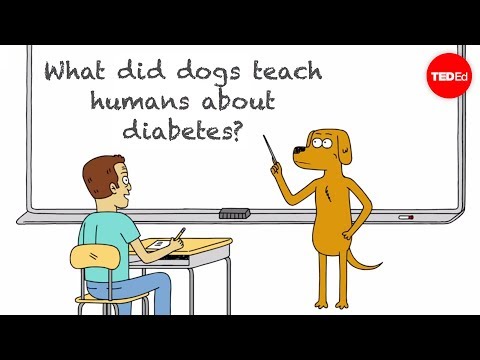
【TED-Ed】What did dogs teach humans about diabetes? - Duncan C. Ferguson
0
稲葉白兎 posted on 2015/01/17Did you know dogs played a crucial role in understanding diabetes? This fascinating TED-Ed video dives into the history of insulin discovery, highlighting the incredible contributions of Banting and Best. You'll pick up advanced vocabulary related to medical history and scientific breakthroughs, making it a fantastic watch for deepening your cultural and linguistic knowledge!
Learn this video on the APP!
The VoiceTube App has more in-depth practice for videos!