
anarchy
US /ˈænərki/
UK /ˈænəki/
- Uncountable Noun
- Political theory in which there is no government
B2Moreat least
US /æt list/
UK /æt li:st/
- Adverb
- As a minimum
- Not less than
- Phrase
- No less than; at the minimum
- Used to indicate that something is positive in a bad situation.
C2Morebarbaric
US /bɑrˈbærɪk/
UK /bɑ:'bærɪk/
- Adjective
- Uncivilized; cruel and wild
C1Moreblow
US /blo/
UK /bləʊ/
- Verb (Transitive/Intransitive)
- To move something using air
- To make air come quickly out of your mouth
- Noun
- Something that causes you difficulty or sadness
- Act of making air come out of your mouth
A2Moreblow up
US /blo ʌp/
UK /bləu ʌp/
- Phrasal Verb
- To suddenly become angry
- To put air in something, e.g. a tire or balloon
- Verb (Transitive/Intransitive)
- To explode; to be destroyed by an explosion.
A2Morebother
US /ˈbɑðɚ/
UK /'bɒðə(r)/
- Transitive Verb
- To cause problems, concerns or worry for someone
- To take the trouble to do something
- Noun (Countable/Uncountable)
- Problems, concern or worry for someone
- A disturbance; trouble
A2TOEICMorebutcher
US /ˈbʊtʃɚ/
UK /ˈbʊtʃə(r)/
- Countable Noun
- Store selling meat; person who sells meats
- Transitive Verb
- To cut up dead animals to sell their meat
- To kill people violently and without compassion
B1TOEICMorecharge
US /tʃɑrdʒ/
UK /tʃɑ:dʒ/
- Verb (Transitive/Intransitive)
- To run quickly toward someone to attack them
- To ask for money as a price for a service or goods
- Noun (Countable/Uncountable)
- An attack by running quickly toward someone
- A price for a service or goods
A2Morechevron
US /ˈʃɛvrən/
UK /'ʃevrən/
- Noun
- V-shaped sleeve badge indicating military rank
B2Morecondemn
US /kənˈdɛm/
UK /kənˈdem/
- Transitive Verb
- To say that (a building) is too unsafe to be used
- To state strongly that person, thing is bad, wrong
B1Morecriticize
US /ˈkrɪtɪˌsaɪz/
UK /ˈkrɪtɪsaɪz/
- Transitive Verb
- To assess the work of others
- To say that someone or something is bad
B1Moredecade
US /ˈdɛkˌed, dɛˈked/
UK /ˈdekeɪd/
- Countable Noun
- Period of 10 years
B1TOEICMoredeputy
US /ˈdɛpjəti/
UK /ˈdepjuti/
- Noun
- Assistant to a leader who acts on his, her behalf
B1Moredescent
US /dɪˈsɛnt/
UK /dɪˈsent/
- Noun
- Movement downward; movement toward something bad
- The origin of your family; your family before you
B1Moredirect
US /dɪˈrɛkt, daɪ-/
UK /də'rekt/
- Transitive Verb
- To tell someone in a very clear way to do something
- To show the way by conducting or leading
- Adverb
- Coming straight from something
A2TOEICMoredo in
US
UK
- Phrasal Verb
- To make completely tired out and exhausted
- To destroy or cause damage to someone
A1Moreessentially
US /ɪˈsenʃəli/
UK /ɪˈsenʃəli/
- Adverb
- Basically; (said when stating the basic facts)
- Used to emphasize the basic truth or fact of a situation.
A2Morefella
US /'felər/
UK /'felə(r)/
- Countable Noun
- Way of spelling 'fellows'
B1Moregot to
US /ɡɑt tu/
UK /gɔt tu:/
- Verb (Transitive/Intransitive)
- To arrive at some place
- To have the opportunity or permission to do something
- Phrasal Verb
- To appeal to the emotions of; move
- To finally begin to start something after a delay
A1Morehorrible
US /ˈhɔrəbəl, ˈhɑr-/
UK /ˈhɒrəbl/
- Adjective
- Very bad; causing annoyance, distaste or fear
A2TOEICMorehorrific
US /hɔˈrɪfɪk, hɑ-/
UK /həˈrɪfɪk/
- Adjective
- Terrifying and shocking
B2Moreillegal
US /ɪˈliɡəl/
UK /ɪ'li:ɡl/
- Adjective
- Not allowed by the laws or rules
- Prohibited by law; illicit.
A2Moreimperialism
US /ɪmˈpɪriəˌlɪzəm/
UK /ɪmˈpɪəriəlɪzəm/
- Uncountable Noun
- Political system in which one country rules others
B2Morein charge
US /ɪn tʃɑrdʒ/
UK /in tʃɑ:dʒ/
- Adverb
- To be responsible for
A1Morein other words
US
UK
- Phrase
- Stating something in a different way, often to make it clearer or more understandable.
invade
US /ɪnˈved/
UK /ɪnˈveɪd/
- Transitive Verb
- To enter something causing a harmful result
- To enter (a country or region) so as to subjugate or occupy it.
B1Moreinvasion
US /ɪnˈveʒən/
UK /ɪnˈveɪʒn/
- Uncountable Noun
- Entry into a place to cause harm
- An unwelcome intrusion into another's domain.
B1Moreinvest
US /ɪnˈvɛst/
UK /ɪn'vest/
- Transitive Verb
- To use resources to build for the future
A2TOEICMoreiron
US /ˈaɪərn/
UK /ˈaɪən/
- Noun (Countable/Uncountable)
- Heavy metal device heated to smooth clothes
- Golf club with a metal head
- Transitive Verb
- To use a hot flat-based machine to smooth clothes
B1Moremessy
US /ˈmɛsi/
UK /'mesɪ/
- Adjective
- Being complex or difficult to fix
- Being untidy or dirty
A2Moremilitary
US /ˈmɪlɪˌtɛri/
UK /'mɪlətrɪ/
- Noun
- Army or armed forces
- Adjective
- Concerning the army or navy
B1Moremiller
US /ˈmɪlɚ/
UK /'mɪlə(r)/
- Countable Noun
- Someone who grinds grain into flour
B2Moreon earth
US /ɑn ɚθ/
UK /ɔn ə:θ/
- Phrase
- Used to emphasize a question expressing surprise or anger.
- Used to emphasize that something is not possible or will not happen.
A1Moreopportunity
US /ˌɑpɚˈtunɪti, -ˈtju-/
UK /ˌɒpə'tju:nətɪ/
- Noun (Countable/Uncountable)
- Time, situation when a thing might be done; chance
- A favorable time or occasion for doing something.
A2TOEICMoreordinary
US /ˈɔ:rdneri/
UK /'ɔ:dnrɪ/
- Adjective
- Normal or usual
- Of the rank of ordinary seaman.
- Noun
- An ecclesiastical judge or official having ordinary jurisdiction in a given area.
- Any of several simple and basic geometrical figures.
A2TOEICMoreout there
US /aʊt ðɛr/
UK /aut ðɛə/
- Adverb
- In or to a place that is far away
- Existing in the universe
- Adjective
- Unconventional; strange; avant-garde
- Existing or available.
A1Moreparaphrase
US /ˈpærəˌfrez/
UK /ˈpærəfreɪz/
- Noun
- Summary of another person's words
B2Morepolitic
US /ˈpɑlɪtɪk/
UK /ˈpɒlətɪk/
- Adjective
- Careful what you say; diplomatic
B2Morepretend
US /prɪˈtɛnd/
UK /prɪ'tend/
- Verb (Transitive/Intransitive)
- To act as if something is true when it is not
- Adjective
- Not real; imaginary.
A2TOEICMorepretext
US /ˈpriˌtɛkst/
UK /'pri:tekst/
- Noun
- Reason given to hide the real reason for something
C1Morerampant
US /ˈræmpənt/
UK /ˈræmpənt/
- Adjective
- Growing rapidly and uncontrollably
B2Moresane
US /sen/
UK /seɪn/
- Adjective
- showing good judgment and understanding
- having a healthy mind and not mentally ill
B2Moresenator
US /ˈsɛnətɚ/
UK /ˈsenətə(r)/
- Noun
- An elected politician belonging to the senate
B2Moresignal
US /ˈsɪɡnəl/
UK /'sɪɡnəl/
- Verb (Transitive/Intransitive)
- To be evidence/an indication something will happen
- To make a noise or motion to tell someone to start
- Noun (Countable/Uncountable)
- Evidence or an indication something will happen
- Movement of a hand or other means to send messages
A2Morestick
US /stɪk/
UK /stɪk/
- Verb (Transitive/Intransitive)
- To push a sharp or pointed object into something
- To join together using glue or paste
- Countable Noun
- Long thin piece of wood from a tree
A2Morestick around
US /stɪk əˈraʊnd/
UK /stik əˈraund/
- Phrasal Verb
- To remain in place; not leave or go
A2Moresuffer
US / ˈsʌfɚ/
UK /'sʌfə(r)/
- Verb (Transitive/Intransitive)
- To experience pain, illness, or injury
- To allow or permit something, especially something unpleasant.
A2Moretalking about
US
UK
- Phrasal Verb
- To discuss a particular topic.
- To be constantly mentioning or bringing up a subject.
A1Morethink back
US /θɪŋk bæk/
UK /θiŋk bæk/
- Phrasal Verb
- To recapture the past
A1Moreunconstitutional
US /ˌʌnˌkɑ:nstəˈtu:ʃənl/
UK /ˌʌnˌkɒnstɪˈtju:ʃənl/
- Adjective
- Not consistent with or according to a constitution
C2Moreunleash
US /ʌnˈliʃ/
UK /ʌnˈli:ʃ/
- Transitive Verb
- To release or let an animal go
B1Morework together
US /wɚk təˈɡɛðɚ/
UK /wə:k təˈɡeðə/
- Verb (Transitive/Intransitive)
- To collaborate or cooperate with others to achieve a common goal.
A1More
Vocabulary
- on earth: Used to emphasize a question expressing surprise or anger.
- talking about: To discuss a particular topic.
- in charge: To be responsible for
- at least: As a minimum
- in other words: Stating something in a different way, often to make it clearer or more understandable.
- blow up: To suddenly become angry
- think back: To recapture the past
- work together: To collaborate or cooperate with others to achieve a common goal.
- out there: In or to a place that is far away
- do in: To make completely tired out and exhausted
- stick around: To remain in place; not leave or go
- got to: To arrive at some place
- sort: To organize things by putting them into groups
- stick: To push a sharp or pointed object into something
- essentially: Basically; (said when stating the basic facts)
- pretend: To act as if something is true when it is not
- opportunity: Time, situation when a thing might be done; chance
- amount: Quantity of something
- decade: Period of 10 years
- bit: Device put in a horse's mouth to control it
- military: Army or armed forces
- suffer: To experience pain, illness, or injury
- ordinary: Normal or usual
- rampant: Growing rapidly and uncontrollably
- direct: To tell someone in a very clear way to do something
- messy: Being complex or difficult to fix
- charge: To run quickly toward someone to attack them
- sane: showing good judgment and understanding
- horrible: Very bad; causing annoyance, distaste or fear
- blow: To move something using air
- interest: Best or most advantageous thing for someone
- break: To create a new record e.g. running the 100m dash
- invest: To use resources to build for the future
- unleash: To release or let an animal go
- leave: To go away from; depart
- criticize: To assess the work of others
- invasion: Entry into a place to cause harm
- bother: To cause problems, concerns or worry for someone
- condemn: To say that (a building) is too unsafe to be used
- signal: To be evidence/an indication something will happen
- illegal: Not allowed by the laws or rules
- paraphrase: Summary of another person's words
- invade: To enter something causing a harmful result
- continue: To do something without stopping, or after pausing
- build: Your physical shape; physique
- act: To behave in a certain way
- staff: Employees of a company
- steal: A bargain; something bought very cheaply
- horrific: Terrifying and shocking
- stand: To be a candidate in an election
- bring: To take or go with someone to a place
- head: To hit a ball with your head in a game
- finally: used especially at the beginning of a sentence to introduce the last point or idea
- senator: An elected politician belonging to the senate
- descent: Movement downward; movement toward something bad
- iron: Heavy metal device heated to smooth clothes
- deputy: Assistant to a leader who acts on his, her behalf
- butcher: Store selling meat; person who sells meats
- barbaric: Uncivilized; cruel and wild
- politic: Careful what you say; diplomatic
- fella: Way of spelling 'fellows'
- anarchy: Political theory in which there is no government
- imperialism: Political system in which one country rules others
- unconstitutional: Not consistent with or according to a constitution
- miller: Someone who grinds grain into flour
- pretext: Reason given to hide the real reason for something
- chevron: V-shaped sleeve badge indicating military rank
Get the full experience in the app
Learn anywhere with detailed sentence and usage analysis
01:03
She took a brave step forward, leaving behind her comfort zone to chase her dreams.
Vocabulary
- brave
adj. Having courage
- comfort zone
phr. A familiar situation where one feels safe
Explanation
a brave step is a noun phrase, where brave is an adjective modifying the noun step, meaning "a courageous step".
forward is an adverb modifying step, meaning "ahead".
The whole phrase serves as the object, answering the "what" of took (verb) — she took a brave step forward.
Get the full experience in the app
Look up words anytime with pronunciation, part of speech, and usage
brave
US/brev/
UK/breɪv/
adj.Brave
v.t.To bravely face
A2 Elementary
Get the full experience in the app
Practice speaking anytime and get instant pronunciation feedback
Try this speaking exercise.
Try practicing with this sentence.
80
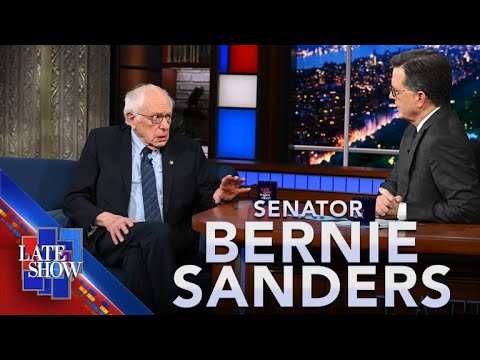
"A Descent Into Barbarism" - Sen. Sanders On Stephen Miller's Might-Makes-Right Worldview
0
林宜悉 posted on 2026/02/13Ever wondered about the 'might makes right' worldview in international politics? Dive into this compelling discussion with Bernie Sanders as he critiques Stephen Miller's foreign policy ideas, giving you a chance to pick up advanced vocabulary like 'imperialism' and 'barbarism'!
Learn this video on the APP!
The VoiceTube App has more in-depth practice for videos!