
abnormal
US /æbˈnɔ:rml/
UK /æbˈnɔ:ml/
- Adjective
- Not normal, not typical, not usual, not regular
- Relating to behavior that deviates from the norm.
B1Moreabsurd
US /əbˈsɚd, -ˈzɚd/
UK /əb'sɜ:d/
- Adjective
- So foolish as to be difficult to believe
B1Moreaccidentally
US /ˌæksɪ'dentəlɪ/
UK /ˌæksɪ'dentəlɪ/
- Adverb
- Unexpectedly; by mistake
A2Moreaccomplish
US /əˈkɑmplɪʃ/
UK /ə'kʌmplɪʃ/
- Transitive Verb
- To succeed in doing; complete successfully
B1TOEICMoreanthropology
US /ˌænθrəˈpɑ:lədʒi/
UK /ˌænθrəˈpɒlədʒi/
- Uncountable Noun
- Study of human origins, development and society
B2Moreaudacity
US /ɔˈdæsɪti/
UK /ɔ:ˈdæsəti/
- Uncountable Noun
- Bold and daring behavior
C1Moreaudience
US /ˈɔdiəns/
UK /ˈɔ:diəns/
- Noun (Countable/Uncountable)
- Group of people attending a play, movie etc.
A2TOEICMoreawful
US /ˈɔfəl/
UK /ˈɔ:fl/
- Adjective
- Very bad; horrible; terrible
A2Moreawkward
US /ˈɔkwəd/
UK /ˈɔ:kwəd/
- Adjective
- Lacking smooth movement
- Causing embarrassment or trouble
B1Moreback up
US /bæk ʌp/
UK /bæk ʌp/
- Phrasal Verb
- To save a copy of your computer data
- To confirm the truth of what someone says
A1Moreblockbuster video
US
UK
- Proper Noun
- A video rental store that was popular in the 1990s and early 2000s.
bunch
US /bʌntʃ/
UK /bʌntʃ/
- Noun (Countable/Uncountable)
- A group of things of the same kind
- A group of people.
- Transitive Verb
- To group people or things closely together
B1Morechallenge
US /ˈtʃæləndʒ/
UK /'tʃælɪndʒ/
- Noun (Countable/Uncountable)
- An activity you wish to try that may be hard to do
- Act of formally inviting someone to compete
- Transitive Verb
- To formally invite someone to compete at something
- To question the correctness of something
A2Morecollege
US /'kɑːlɪdʒ/
UK /'kɒlɪdʒ/
- Noun (Countable/Uncountable)
- School or educational institution for adults
- A constituent body of a university.
A2Morecommunity
US /kəˈmjunɪti/
UK /kə'mju:nətɪ/
- Noun (Countable/Uncountable)
- Group of people who share a common idea or area
- A feeling of fellowship with others, as a result of sharing common attitudes, interests, and goals.
- Adjective
- Relating to or shared by the people in a particular area.
- Shared or participated in by all members of a group
A2Moreconference
US /ˈkɑnfərəns, -frəns/
UK /ˈkɒnfərəns/
- Noun (Countable/Uncountable)
- Series of lectures held as an event
- An association of US sports teams
- Intransitive Verb
- To hold a discussion; consult.
A2Moredecide
US /dɪˈsaɪd/
UK /dɪ'saɪd/
- Verb (Transitive/Intransitive)
- To make a choice or choose after thinking about it
- To make a legal judgment in court
A2TOEICMoredo in
US
UK
- Phrasal Verb
- To make completely tired out and exhausted
- To destroy or cause damage to someone
A1Morefigure out
US /ˈfɪɡjɚ aʊt/
UK /ˈfiɡə aut/
- Phrasal Verb
- To understand the behavior of someone
- To think through logically to find a solution
- Verb (Transitive/Intransitive)
- To understand or find an answer to something.
- To find a solution to a problem or understand something.
A1Morefuture self
US
UK
- Noun
- The person you will become in the future, often used in the context of making decisions that will benefit your future well-being.
- An idealized version of oneself that one aspires to become in the future.
A2Moreget here
US
UK
- Intransitive Verb
- To arrive at a specific location.
A1Moreget out of
US /ɡɛt aʊt ʌv/
UK /ɡet aut ɔv/
- Phrasal Verb
- To leave or escape responsibilities, troubles
- To leave a small, enclosed vehicle
A1Moreglaze
US /ɡlez/
UK /gleɪz/
- Noun
- Light coating of liquid that makes surface shiny
- Transitive Verb
- To cover (food) with liquid to make it shine
- To fit a piece of glass in the frame of a window
B2Morego back to
US /ɡo bæk tu/
UK /ɡəu bæk tu:/
- Phrasal Verb
- To return to a starting point
A1Morego forth
US /ɡo fɔrθ/
UK /ɡəu fɔ:θ/
- Phrasal Verb
- To begin or proceed with something, especially after hesitation or delay.
- To leave a place, especially to embark on a journey or mission.
C2Morego out
US /ɡo aʊt/
UK /ɡəu aut/
- Phrase
- To leave a building (e.g. a house)
- Phrasal Verb
- (Of a fire) to burn out; be extinguished
- Go out of fashion to stop being fashionable
A1Morego through with
US /ɡo θru wɪð/
UK /ɡəu θru: wið/
- Phrasal Verb
- To complete a promise or plan that is difficult
A1Moregoal
US /ɡol/
UK /ɡəʊl/
- Noun (Countable/Uncountable)
- Something you try to do or achieve; an aim
- (Sports) net into which you put a ball to score
A2TOEICMoregrade
US /ɡred/
UK /ɡreɪd/
- Transitive Verb
- To give a road the required angle of slope
- To determine the level or quality of something
- Noun
- Level or quality of something e.g. a diamond
- Mark that shows the quality of a student's work
B1TOEICMoregraduate from
US
UK
- Intransitive Verb
- To successfully complete a course of study at a university, college, or school.
have to
US /hæv tu/
UK /ˈhæv tə/
- Auxiliary Verb
- Must do
A1Morehorrible
US /ˈhɔrəbəl, ˈhɑr-/
UK /ˈhɒrəbl/
- Adjective
- Very bad; causing annoyance, distaste or fear
A2TOEICMoreimpatient
US /ɪmˈpeʃənt/
UK /ɪmˈpeɪʃnt/
- Adjective
- Not wanting to wait; getting angry over problems
- Having or showing a tendency to be quickly irritated or provoked.
B1TOEICMorein fact
US /ɪn fækt/
UK /in fækt/
- Adverb
- Used to emphasize the truth of a statement, especially one that contrasts with or contradicts something else.
- Used to introduce a more detailed or surprising piece of information.
- Phrase
- Used to emphasize the truth of a statement, especially one that is surprising or contrary to what might be expected.
C1Morein one year
US
UK
- Phrase
- Within a period of twelve months.
A1Morein order to
US /ɪn ˈɔrdɚ tu/
UK /in ˈɔ:də tu:/
- Preposition
- For the purpose of; with the aim of.
- Phrase
- In a specific sequence or arrangement.
- With the aim of; for the purpose of.
C1Morein time
US /ɪn taɪm/
UK /in taim/
- Adverb
- Eventually; after a period of time.
- Not late; with enough time to spare.
- Phrase
- Eventually; before it is too late.
- According to the scheduled time; punctual.
A1Moreinstead of
US /ɪnˈstɛd ʌv/
UK /inˈsted ɔv/
- Preposition
- When one thing is replaced by another
- Adverb
- As a substitute or alternative.
A1Moreinterview
US /ˈɪntɚˌvju/
UK /'ɪntəvju:/
- Transitive Verb
- To formally ask questions about a given topic
- Noun
- Meeting to ask questions to get information
A2TOEICMoreinvent
US /ɪnˈvɛnt/
UK /ɪnˈvent/
- Transitive Verb
- To create something such as a story or excuse
- To create something useful for the first time
A2TOEICMoreissue
US /ˈɪʃu/
UK /'ɪʃu:/
- Transitive Verb
- To make something available to be used or sold
- To deliver a statement, etc. in an official manner
- Noun (Countable/Uncountable)
- Important topic discussed, debated or argued over
- Single edition of a magazine
A2TOEICMoreno go
US
UK
- Noun
- A failure; something that does not proceed as planned.
A1Moreof course
US /ʌv kɔː(r)s/
UK /ɔv kɔː(r)s/
- Adverb
- Sure ; Certainly
- Phrase
- For sure; certainly
A2Moreoutrageous
US /aʊtˈredʒəs/
UK /aʊtˈreɪdʒəs/
- Adjective
- Exceeding the usual limits; far too extreme
- Highly unusual and unacceptable
B1Morepoint in time
US
UK
- Noun
- A specific moment or instance when something occurs or exists.
- A significant juncture or stage in history or a sequence of events.
A1Morerecession
US /rɪˈsɛʃən/
UK /rɪˈseʃn/
- Uncountable Noun
- Act of moving backward gradually
- Decreased business activity, when work is scarce
- Noun
- a period of low economic activity
- period of economic decline
B2TOEICMorescrew up
US /skru ʌp/
UK /skru: ʌp/
- Phrasal Verb
- Spoken to make a big mistake
- To make a mistake; make a mess of
- Adjective
- Emotionally or mentally damaged; disturbed.
B1Moresilly
US /ˈsɪli/
UK /'sɪlɪ/
- Adjective
- Careless
- Acting funny or playfully
A2Morespeech
US /spitʃ/
UK /spi:tʃ/
- Uncountable Noun
- A formal talk to an audience
- Expression of ideas or opinions by talking
A2TOEICMorestuff
US /stʌf/
UK /stʌf/
- Uncountable Noun
- Generic description for things, materials, objects
- Transitive Verb
- To push material inside something, with force
B1Moreterrify
US /ˈtɛrəˌfaɪ/
UK /ˈterɪfaɪ/
- Transitive Verb
- To scare or greatly frighten
B1Morethink about
US /θɪŋk əˈbaʊt/
UK /θiŋk əˈbaut/
- Phrasal Verb
- To consider something carefully.
- To remember or call to mind.
A1Morethink of
US /θɪŋk ʌv/
UK /θiŋk ɔv/
- Phrasal Verb
- To look on as (being something specific); consider
- To consider or remember something.
- Verb (Transitive/Intransitive)
- To imagine or call something to mind
A1Morethrough with
US
UK
- Phrase
- Having had enough (of trouble); wanting to stop
A1Moretime of your life
US /ˈtaɪm əv jʊr ˈlaɪf/
UK /ˈtaim əv jɔ: ˈlaif/
- other
- An experience that is extremely enjoyable and memorable.
B2Moreuncomfortable
US /ʌnˈkʌmfətəbəl, -ˈkʌmftə-/
UK /ʌnˈkʌmftəbl/
- Adjective
- Not being relaxed; worried about something
- Causing or feeling slight pain or physical unease.
B1Moreunderestimate
US /ˌʌndɚˈɛstəmet/
UK /ˌʌndər'estɪmeɪt/
- Transitive Verb
- To make too low a guess of something's size, value
B2TOEICMorewait for
US /wet fɔr/
UK /weit fɔ:/
- Phrasal Verb
- To wait until someone comes, or something happens
A1Morewith it
US /wɪð ɪt/
UK /wið it/
- Adjective
- Intelligent, alert, and up-to-date.
- Understanding and knowledgeable about current trends or information.
A1Morework at
US /wɚk æt/
UK /wə:k æt/
- Phrasal Verb
- To have a job at a particular place or organization.
- To make an effort to improve something.
A1More
Vocabulary
- future self: The person you will become in the future, often used in the context of making decisions that will benefit your future well-being.
- figure out: To understand the behavior of someone
- have to: Must do
- think of: To look on as (being something specific); consider
- do in: To make completely tired out and exhausted
- in time: Eventually; after a period of time.
- go back to: To return to a starting point
- go through with: To complete a promise or plan that is difficult
- through with: Having had enough (of trouble); wanting to stop
- with it: Intelligent, alert, and up-to-date.
- in one year: Within a period of twelve months.
- time of your life: An experience that is extremely enjoyable and memorable.
- go out: To leave a building (e.g. a house)
- back up: To save a copy of your computer data
- point in time: A specific moment or instance when something occurs or exists.
- work at: To have a job at a particular place or organization.
- in fact: Used to emphasize the truth of a statement, especially one that contrasts with or contradicts something else.
- blockbuster video: A video rental store that was popular in the 1990s and early 2000s.
- wait for: To wait until someone comes, or something happens
- of course: Sure ; Certainly
- screw up: Spoken to make a big mistake
- no go: A failure; something that does not proceed as planned.
- in order to: For the purpose of; with the aim of.
- get here: To arrive at a specific location.
- think about: To consider something carefully.
- go forth: To begin or proceed with something, especially after hesitation or delay.
- graduate from: To successfully complete a course of study at a university, college, or school.
- get out of: To leave or escape responsibilities, troubles
- instead of: When one thing is replaced by another
- awkward: Lacking smooth movement
- stuff: Generic description for things, materials, objects
- bunch: A group of things of the same kind
- figure: To appear in a game, play or event
- realize: To become aware of or understand mentally
- completely: In every way or as much as possible
- audience: Group of people attending a play, movie etc.
- accomplish: To succeed in doing; complete successfully
- sense: Certain mental feeling or emotion
- community: Group of people who share a common idea or area
- awful: Very bad; horrible; terrible
- silly: Careless
- bit: Device put in a horse's mouth to control it
- underestimate: To make too low a guess of something's size, value
- recession: Act of moving backward gradually
- conference: Series of lectures held as an event
- issue: To make something available to be used or sold
- deal: To cope with something - usually troubles
- absurd: So foolish as to be difficult to believe
- challenge: An activity you wish to try that may be hard to do
- introduce: To open an essay to set the scene
- horrible: Very bad; causing annoyance, distaste or fear
- outrageous: Exceeding the usual limits; far too extreme
- break: To create a new record e.g. running the 100m dash
- project: To predict what will happen in the future
- accidentally: Unexpectedly; by mistake
- stage: To organize an event to gain public interest
- goal: Something you try to do or achieve; an aim
- normal: Standard or regular way of doing something
- company: Good feeling from being with someone else
- lot: What happens to a person in life from chance; fate
- kind: In a caring and helpful manner
- decide: To make a choice or choose after thinking about it
- interview: To formally ask questions about a given topic
- point: An item to be discussed
- speech: A formal talk to an audience
- college: School or educational institution for adults
- invent: To create something such as a story or excuse
- abnormal: Not normal, not typical, not usual, not regular
- grade: To give a road the required angle of slope
- anthropology: Study of human origins, development and society
- uncomfortable: Not being relaxed; worried about something
- glaze: Light coating of liquid that makes surface shiny
- audacity: Bold and daring behavior
- impatient: Not wanting to wait; getting angry over problems
- terrify: To scare or greatly frighten
Get the full experience in the app
Learn anywhere with detailed sentence and usage analysis
01:03
She took a brave step forward, leaving behind her comfort zone to chase her dreams.
Vocabulary
- brave
adj. Having courage
- comfort zone
phr. A familiar situation where one feels safe
Explanation
a brave step is a noun phrase, where brave is an adjective modifying the noun step, meaning "a courageous step".
forward is an adverb modifying step, meaning "ahead".
The whole phrase serves as the object, answering the "what" of took (verb) — she took a brave step forward.
Get the full experience in the app
Look up words anytime with pronunciation, part of speech, and usage
brave
US/brev/
UK/breɪv/
adj.Brave
v.t.To bravely face
A2 Elementary
Get the full experience in the app
Practice speaking anytime and get instant pronunciation feedback
Try this speaking exercise.
Try practicing with this sentence.
80
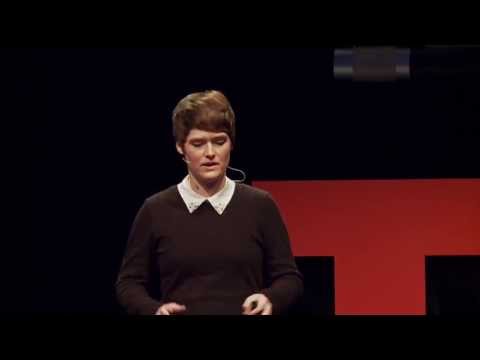
The Anatomy of an Outrageous Goal: Amber Case at TEDxBend
0
吳斯媛F4S05 posted on 2026/02/11Ever wondered how to achieve those wild, 'outrageous' goals? Amber Case shares her fascinating five-year plan strategy for career success, including how to embrace awkwardness and even sell a company! You'll pick up advanced vocabulary and practical workplace insights that will totally boost your confidence.
Learn this video on the APP!
The VoiceTube App has more in-depth practice for videos!