
absolutely
US /ˈæbsəˌlutli, ˌæbsəˈlutli/
UK /ˈæbsəlu:tli/
- Adverb
- Completely; totally; very
- Considered independently and without relation to other things; viewed abstractly; as, quantity absolutely considered.
A2Moreachieve
US /əˈtʃiv/
UK /ə'tʃi:v/
- Transitive Verb
- To succeed in doing good, usually by working hard
- To succeed in reaching a particular goal, status, or standard, often after effort or perseverance.
A2TOEICMorealign
US /əˈlaɪn/
UK /əˈlaɪn/
- Transitive Verb
- To arrange (e.g. objects) in line with one another
- Intransitive Verb
- To be in a line or in the correct position in relation to something else.
B2Moreapproach
US /əˈprəʊtʃ/
UK /ə'prəʊtʃ/
- Verb (Transitive/Intransitive)
- To get close to reaching something or somewhere
- To request someone to do something specific
- Noun (Countable/Uncountable)
- Means of reaching a place, often a road or path
- Request of someone with a specific goal in mind
A2TOEICMoreat least
US /æt list/
UK /æt li:st/
- Adverb
- As a minimum
- Not less than
- Phrase
- No less than; at the minimum
- Used to indicate that something is positive in a bad situation.
C2Moreat the end of the day
US
UK
- Phrase
- Ultimately; when everything else is considered.
- After a day's work or activities.
A1Morebased on
US
UK
- Phrasal Verb
- To use something as the foundation or starting point for something else.
- Preposition
- Using something as the main idea or foundation.
- Relying on something as evidence or justification.
A1Morebe with
US /bi wɪð/
UK /bi: wið/
- Phrasal Verb
- To accompany someone; to be in someone's presence.
- To support someone's opinion or cause.
A1Morecareer
US /kəˈrɪr/
UK /kə'rɪə(r)/
- Noun (Countable/Uncountable)
- Particular occupation in professional life
- The course of a person's life, especially in a particular pursuit or profession.
- Verb (Transitive/Intransitive)
- To move forward very fast and without control
- To advance or make progress rapidly
A2Morecriticize
US /ˈkrɪtɪˌsaɪz/
UK /ˈkrɪtɪsaɪz/
- Transitive Verb
- To assess the work of others
- To say that someone or something is bad
B1Moredescription
US /dɪˈskrɪpʃən/
UK /dɪˈskrɪpʃn/
- Noun
- Explanation of what something is like, looks like
- The type or nature of someone or something.
A2TOEICMoreemotional
US /ɪˈmoʃənəl/
UK /ɪˈməʊʃənl/
- Adjective
- Causing, feeling, or appealing to the emotions
- Relating to or characterized by emotion
A2Moreexact
US /ɪɡˈzækt/
UK /ɪɡ'zækt/
- Adjective
- Completely correct; accurate; specific
- Transitive Verb
- To get something, sometimes using force
A2TOEICMoreexercise
US /ˈɛksɚˌsaɪz/
UK /'eksəsaɪz/
- Verb (Transitive/Intransitive)
- To work out to become stronger and healthier
- To retain your ability or practice your skills
- Noun (Countable/Uncountable)
- Physical activity to increase health and strength
- Set of questions in a text book
A2Morefeel like
US
UK
- Intransitive Verb
- To have a desire or inclination for something.
- To have a particular quality or sensation; resemble.
A1Morefor example
US
UK
- Phrase
- As an illustration or instance.
for free
US /fɔr fri/
UK /fɔ: fri:/
- Phrase
- Without charge; at no cost.
- Adjective
- Available without payment.
A2Morefreak
US /friːk/
UK /friːk/
- Adjective
- (Of weather, etc.) unusual; unpredictable; amazing
- Noun
- A person, animal, or event that is physically abnormal, very unusual, or unlike others.
- A person with an unusual appearance or behaviour.
B2Morefreak out
US /frik aʊt/
UK /fri:k aut/
- Phrasal Verb
- To react or behave in a wild or irrational way
- To become very anxious, upset, or afraid; to panic.
- Intransitive Verb
- To experience or display extreme emotions, such as fear or panic.
- To have a very disturbing and frightening experience caused by taking drugs.
B2Moreget excited
US /ɡɛt ɪkˈsaɪtɪd/
UK /ɡet ɪkˈsaɪtɪd/
- Intransitive Verb
- To become enthusiastic or eager.
A1Morehave to
US /hæv tu/
UK /ˈhæv tə/
- Auxiliary Verb
- Must do
A1Morein one year
US
UK
- Phrase
- Within a period of twelve months.
A1Morein the future
US /ɪn ði ˈfjutʃɚ/
UK /in ðə ˈfju:tʃə/
- Phrase
- At a later time; in times to come.
A1Morein the middle of
US
UK
- Phrase
- In the central part or point of something.
- Engaged or occupied with something.
A2Morein the past
US
UK
- Phrase
- During a former period of time; previously.
A1Morein total
US /ɪn ˈtotl/
UK /in ˈtəutəl/
- Phrase
- Completely; with everything added together.
A1Moreinspire
US /ɪnˈspaɪr/
UK /ɪn'spaɪə(r)/
- Transitive Verb
- To give someone an idea to do or make something
- To make someone feel a certain emotion
- Intransitive Verb
- To breathe in
- To draw (air, etc.) into the lungs.
B1TOEICMoreinstead of
US /ɪnˈstɛd ʌv/
UK /inˈsted ɔv/
- Preposition
- When one thing is replaced by another
- Adverb
- As a substitute or alternative.
A1Morelook at
US /lʊk æt/
UK /luk æt/
- Phrasal Verb
- To use your eyes to focus on something
- To focus your eyes on something carefully
A1Morelook back
US /lʊk bæk/
UK /luk bæk/
- Phrasal Verb
- To think about past events
A1Moremove into
US /muv ˈɪntu/
UK /mu:v ˈɪntuː/
- Phrasal Verb
- To start living in a new house or building
- To start being involved in a new area of business or activity.
move to
US /muv tu/
UK /mu:v tu:/
- Phrasal Verb
- To change the place where you live or work.
- Verb (Transitive/Intransitive)
- To proceed to the next stage or action.
A2Morenotion
US /ˈnoʃən/
UK /ˈnəuʃən/
- Noun
- Sudden idea or desire to do something
B1TOEICMoreout there
US /aʊt ðɛr/
UK /aut ðɛə/
- Adverb
- In or to a place that is far away
- Existing in the universe
- Adjective
- Unconventional; strange; avant-garde
- Existing or available.
A1Morephysical
US /ˈfɪzɪkəl/
UK /ˈfɪzɪkl/
- Countable Noun
- Health check at the doctors' or hospital
- Adjective
- Concerning the body of a person
- Concerning things that can be seen or touched
A2Morepick apart
US
UK
- Phrasal Verb
- To find faults/problems with by examining closely
A1Morepositive
US /ˈpɑzɪtɪv/
UK /ˈpɒzətɪv/
- Adjective
- Showing agreement or support for something
- Being sure about something; knowing the truth
- Noun
- A photograph in which light areas are light and dark areas are dark
A2Moreprocess
US /ˈprɑsˌɛs, ˈproˌsɛs/
UK /prə'ses/
- Transitive Verb
- To organize and use data in a computer
- To deal with official forms in the way required
- Noun (Countable/Uncountable)
- Dealing with official forms in the way required
- Set of changes that occur slowly and naturally
A2TOEICMorerandom
US /ˈrændəm/
UK /'rændəm/
- Adjective
- Chosen, done without a particular plan or pattern
B1Morerealistic
US /ˌriəˈlɪstɪk/
UK /ˌri:əˈlɪstɪk/
- Adjective
- Looks or appears real; like things really are
- Having or showing a practical awareness of things as they are
A2Morerecommend
US /ˌrɛkəˈmɛnd/
UK /ˌrekə'mend/
- Transitive Verb
- To advise or suggest that someone do something
- To endorse or support something publicly.
A2TOEICMorerepresent
US /ˌrɛprɪˈzɛnt/
UK /ˌreprɪ'zent/
- Transitive Verb
- To depict art objects, figures, scenes; to portray
- To show or describe something in a particular way
A2TOEICMorestuff
US /stʌf/
UK /stʌf/
- Uncountable Noun
- Generic description for things, materials, objects
- Transitive Verb
- To push material inside something, with force
B1Moretemplate
US /ˈtɛmplɪt/
UK /'templeɪt/
- Noun
- Shape that is used as a pattern to make something
- Something used as a model to produce many copies
B2Morethink about
US /θɪŋk əˈbaʊt/
UK /θiŋk əˈbaut/
- Phrasal Verb
- To consider something carefully.
- To remember or call to mind.
A1Moretrack
US /træk/
UK /træk/
- Transitive Verb
- To use marks to follow a wild animal
- To move a certain way/follow a particular course
- Noun
- A circular course for running
- Course or way someone takes, e.g. in education
A2TOEICMoreused to
US /juzd tu/
UK /ˈju:st tə/
- Adjective
- Did regularly before, but don't do now
- Auxiliary Verb
- Have done before, but do not do now
A1Moreyoga
US /ˈjoʊgə/
UK /ˈjəʊgə/
- Noun (Countable/Uncountable)
- Exercise system to gain suppleness and tranquility
B2More
Vocabulary
- think about: To consider something carefully.
- look at: To use your eyes to focus on something
- at least: As a minimum
- move to: To change the place where you live or work.
- in the future: At a later time; in times to come.
- have to: Must do
- for example: As an illustration or instance.
- in the middle of: In the central part or point of something.
- look back: To think about past events
- pick apart: To find faults/problems with by examining closely
- instead of: When one thing is replaced by another
- freak out: To react or behave in a wild or irrational way
- move into: To start living in a new house or building
- in total: Completely; with everything added together.
- be with: To accompany someone; to be in someone's presence.
- used to: Did regularly before, but don't do now
- in one year: Within a period of twelve months.
- get excited: To become enthusiastic or eager.
- in the past: During a former period of time; previously.
- out there: In or to a place that is far away
- feel like: To have a desire or inclination for something.
- at the end of the day: Ultimately; when everything else is considered.
- based on: To use something as the foundation or starting point for something else.
- for free: Without charge; at no cost.
- stuff: Generic description for things, materials, objects
- absolutely: Completely; totally; very
- approach: To get close to reaching something or somewhere
- process: To organize and use data in a computer
- physical: Health check at the doctors' or hospital
- recommend: To advise or suggest that someone do something
- description: Explanation of what something is like, looks like
- dopamine: Drug used to treat shock and hypotension
- positive: Showing agreement or support for something
- exact: Completely correct; accurate; specific
- achieve: To succeed in doing good, usually by working hard
- random: Chosen, done without a particular plan or pattern
- career: Particular occupation in professional life
- represent: To depict art objects, figures, scenes; to portray
- emotional: Causing, feeling, or appealing to the emotions
- track: To use marks to follow a wild animal
- imagine: To think creatively about; form mental picture of
- freak: (Of weather, etc.) unusual; unpredictable; amazing
- align: To arrange (e.g. objects) in line with one another
- notion: Sudden idea or desire to do something
- exercise: To work out to become stronger and healthier
- realistic: Looks or appears real; like things really are
- inspire: To give someone an idea to do or make something
- board: Surface for posting or showing information
- create: To make, cause, or bring into existence
- reason: To think and make conclusions in a logical manner
- criticize: To assess the work of others
- template: Shape that is used as a pattern to make something
- lot: What happens to a person in life from chance; fate
- important: Having power or authority
- single: One run in cricket or a hit baseball
- learn: To get knowledge or skills by study or experience
- control: A device designed to operate a machine
- simple: Not hard to understand or do; not complex
- middle: Place that is halfway between two things
- pick: Sharp tool used for breaking the ground
- step: Movement done as part of a particular dance
- change: To exchange one set of clothes for another
- yoga: Exercise system to gain suppleness and tranquility
Get the full experience in the app
Learn anywhere with detailed sentence and usage analysis
01:03
She took a brave step forward, leaving behind her comfort zone to chase her dreams.
Vocabulary
- brave
adj. Having courage
- comfort zone
phr. A familiar situation where one feels safe
Explanation
a brave step is a noun phrase, where brave is an adjective modifying the noun step, meaning "a courageous step".
forward is an adverb modifying step, meaning "ahead".
The whole phrase serves as the object, answering the "what" of took (verb) — she took a brave step forward.
Get the full experience in the app
Look up words anytime with pronunciation, part of speech, and usage
brave
US/brev/
UK/breɪv/
adj.Brave
v.t.To bravely face
A2 Elementary
Get the full experience in the app
Practice speaking anytime and get instant pronunciation feedback
Try this speaking exercise.
Try practicing with this sentence.
80
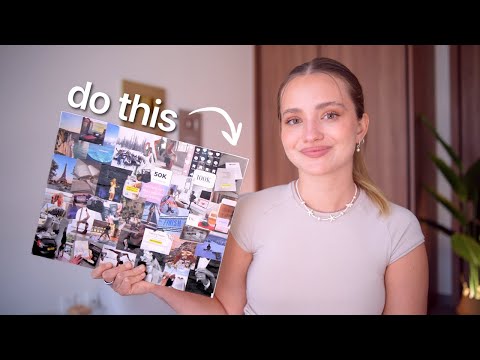
How to make a vision board for 2026 (mine always comes true)
0
Peiling posted on 2026/02/10Ready to make 2026 your most amazing year yet? This video walks you through creating a powerful vision board using a simple 4-step method, and you'll even pick up some advanced vocabulary along the way! Get ready for practical goal-setting and life design that actually works!
Learn this video on the APP!
The VoiceTube App has more in-depth practice for videos!