
anti
US /ˈæntaɪ, -ti/
UK /'æntɪ/
- Adjective
- A prefix meaning 'against' or 'opposed'
B2Moreapocalypse
US /əˈpɑkəˌlɪps/
UK /əˈpɒkəlɪps/
- Noun (Countable/Uncountable)
- Great disaster; complete destruction
- A disclosure of something hidden from the majority of mankind.
B2Moreatomic
US /əˈtɑ:mɪk/
UK /əˈtɒmɪk/
- Adjective
- Concerning atoms
B1Moreawareness
US /əˈwɛrnɪs/
UK /əˈweənəs/
- Uncountable Noun
- Having knowledge of something
A2TOEICMorebiological
US /ˌbaɪəˈlɑdʒɪkəl/
UK /ˌbaɪəˈlɒdʒɪkl/
- Adjective
- Being related to life and living things
- A substance, such as a detergent, that contains enzymes.
B1Morebleak
US /blik/
UK /bli:k/
- Adjective
- Desolate and colorless; without much hope
B1Morebulletin
US /ˈbʊlɪtn, -tɪn/
UK /'bʊlətɪn/
- Noun (Countable/Uncountable)
- (Sudden or urgent) news piece
- Printed material to give information
B2Morecarbon
US /ˈkɑrbən/
UK /'kɑ:bən/
- Uncountable Noun
- Chemical element with an atomic number of 6
B1Morecheck out
US /tʃɛk aʊt/
UK /tʃek aut/
- Phrase
- Phrasal Verb
- To find out information about something
- To take books out of a library
A1Moreclimate
US /ˈklaɪmɪt/
UK /ˈklaɪmət/
- Noun (Countable/Uncountable)
- Typical weather conditions in a particular place
- The general attitudes, feelings, or opinions that people have at a particular time.
A2Morecomment
US /ˈkɑmɛnt/
UK /'kɒment/
- Noun (Countable/Uncountable)
- Something you say, giving an opinion; remark
- An explanatory note in a computer program.
- Verb (Transitive/Intransitive)
- To say something that gives your opinion
- To add explanatory notes to a computer program.
A2Morecontact
US /ˈkɑnˌtækt/
UK /'kɒntækt/
- Adjective
- Touching or feeling something
- Noun (Countable/Uncountable)
- Touching or feeling something
- Object that allows electricity to run through it
A2Morecurb
US /kɚb/
UK /kɜ:b/
- Noun
- Anything that restrains or controls
B2Morecyber
US /'saɪbə/
UK /'saɪbə/
- Adjective
- Concerning the internet
B1Moredeal with
US /dil wɪð/
UK /di:l wið/
- Verb (Transitive/Intransitive)
- To buy or sell goods or services.
- Phrasal Verb
- To take action to solve a problem or manage a situation.
- To be about; concern.
A1Moredebut
US /deˈbju, ˈdeˌbju/
UK /'deɪbju:/
- Noun
- First performance, appearance, e.g. of opera star
B1TOEICMoredioxide
US /daɪˈɑksaɪd/
UK /daɪˈɒksaɪd/
- Noun
- An oxide containing two oxides per molecule
B2Moredisinformation
US /ˌdɪsˌɪnfərˈmeɪʃn/
UK /ˌdɪsˌɪnfəˈmeɪʃn/
- Uncountable Noun
- Information intended to confuse others
B1Moredoom
US /dum/
UK /du:m/
- Noun (Countable/Uncountable)
- Certain of the failure or destruction of
- Very bad, unhappy future event or situation
- Transitive Verb
- To make failure, defeat or death certain for
B2Moredoomsday
US /ˈdumzˌde/
UK /ˈdu:mzdeɪ/
- Noun
- A day said to end time; the end of the world
C1Moredoorstep
US /ˈdɔ:rstep/
UK /ˈdɔ:step/
- Noun
- Wood or stone that forms the bottom of a doorway
B2Moreexistence
US /ɪɡˈzɪstəns/
UK /ɪɡ'zɪstəns/
- Uncountable Noun
- State of being present, alive or real
- A way of living; the manner in which someone lives.
A2TOEICMorefor instance
US /fɔr ˈɪnstəns/
UK /fɔ: ˈinstəns/
- Adverb
- As an example.
- Phrase
- As an example.
- As an illustration or case in point
B1Morefor no good reason
US /fɚ no ɡʊd ˈrizən/
UK /fə nəu ɡʊd ˈri:zən/
- other
- Without any clear or valid reason; unjustified.
B1Morefrankly
US /ˈfræŋkli/
UK /ˈfræŋkli/
- Adverb
- Speaking honestly and directly
- Used to express disagreement or mild disapproval.
B2Morehorrible
US /ˈhɔrəbəl, ˈhɑr-/
UK /ˈhɒrəbl/
- Adjective
- Very bad; causing annoyance, distaste or fear
A2TOEICMorein mind
US /ɪn maɪnd/
UK /in maind/
- Phrase
- Being aware of or considering something.
- To remember or consider something.
A2Morein the field
US
UK
- Phrase
- Working or doing research in a real-world environment, not in a classroom or laboratory.
- Located on the playing area of a sports ground.
A1Morein the news
US
UK
- Phrase
- Being widely reported in the media.
A1Moreinstance
US /ˈɪnstəns/
UK /'ɪnstəns/
- Noun (Countable/Uncountable)
- An example of something; case
- An occurrence of something.
- Transitive Verb
- To give as an example of something else
A2TOEICMoremanipulative
US /məˈnɪpjələtɪv, -ˌle-/
UK /mə'nɪpjələtɪv/
- Adjective
- Controlling people dishonestly to get control
B1Moremassive
US /ˈmæsɪv/
UK /ˈmæsɪv/
- Adjective
- Very big; large; too big
- Large or imposing in scale or scope.
B1Moremetaphor
US /ˈmɛtəˌfɔr, -fɚ/
UK /ˈmetəfə(r)/
- Noun
- Imaginative use of words to reveal a similarity
B1Moremidnight
US /ˈmɪdˌnaɪt/
UK /ˈmɪdnaɪt/
- Noun
- 12 o'clock at night; the middle of the night
B1Moreneighbor
US /ˈnebɚ/
UK /'neɪbə/
- Noun (Countable/Uncountable)
- Person who lives, or is near, you
- A country or area next to another.
- Adjective
- Situated near or next to something.
B1Morephysicist
US /ˈfɪzɪsɪst/
UK /ˈfɪzɪsɪst/
- Noun
- Person who studies and works in physics
B2Moreplanet
US /ˈplænɪt/
UK /'plænɪt/
- Noun (Countable/Uncountable)
- One of the bodies that orbit the sun
- A different world or sphere of existence.
- Proper Noun
- The earth.
A2Morepolitical
US /pəˈlɪtɪkəl/
UK /pəˈlɪtɪkl/
- Adjective
- Being active or interested in government matters
- Diplomatic
A2Morepropaganda
US /ˌprɑ:pə'ɡændə/
UK /ˌprɒpə'ɡændə/
- Uncountable Noun
- (Use of) message that you want people to accept
- The systematic dissemination of information, especially in a biased or misleading way, in order to promote a political cause or point of view.
B1Morepush back
US /pʊʃ bæk/
UK /puʃ bæk/
- Phrasal Verb
- To force someone to withdraw or retreat
- Verb (Transitive/Intransitive)
- To resist or oppose something.
- To move something to a later time or date; to postpone.
A1Morereach
US /ritʃ/
UK /ri:tʃ/
- Verb (Transitive/Intransitive)
- To come to or arrive at a goal or destination
- To be long enough to get to a certain place
- Uncountable Noun
- Power or control someone has over something
A2TOEICMorereality
US /riˈælɪti/
UK /rɪ'ælətɪ/
- Noun (Countable/Uncountable)
- What is true, as opposed to what is imagined
- The state of things as they actually exist, rather than as they may appear or might be imagined.
A2Morerepresent
US /ˌrɛprɪˈzɛnt/
UK /ˌreprɪ'zent/
- Transitive Verb
- To depict art objects, figures, scenes; to portray
- To show or describe something in a particular way
A2TOEICMoresection
US / ˈsɛkʃən/
UK /'sekʃn/
- Noun (Countable/Uncountable)
- A part of a whole
- Specific group of people from a larger group
- Transitive Verb
- To divide something into smaller parts
B1TOEICMoreset by
US
UK
- Phrasal Verb
- To separate and save for another use or time
A1Moreset to
US /sɛt tu/
UK /set tu:/
- Phrasal Verb
- To energetically begin to do, e.g. making a fire
A1Morespread
US /sprɛd/
UK /spred/
- Noun (Countable/Uncountable)
- A big meal, often laid out as a buffet
- The distance between two things
- Verb (Transitive/Intransitive)
- To place over a large area; to cover a large area
- (Of ideas, gossip) to pass to and affect others
A2TOEICMoresurvive
US /sɚˈvaɪv/
UK /sə'vaɪv/
- Intransitive Verb
- To continue to live despite illness or trouble
A2TOEICMoretalking about
US
UK
- Phrasal Verb
- To discuss a particular topic.
- To be constantly mentioning or bringing up a subject.
A1Moreterrify
US /ˈtɛrəˌfaɪ/
UK /ˈterɪfaɪ/
- Transitive Verb
- To scare or greatly frighten
B1Morethreat
US /θrɛt/
UK /θret/
- Noun
- Warning of probable trouble
- A warning that you may be harmed
A2TOEICMoretime left
US
UK
- Uncountable Noun
- The amount of time that remains or is available.
- The remaining duration of a game or competition.
A2Moreunder control
US /ˈʌndɚ kənˈtrol/
UK /ˈʌndə kənˈtrəul/
- Adjective
- Being managed or restrained; not out of hand.
- Having one's emotions or impulses restrained.
- Phrase
- A situation that is being managed effectively.
C1Moreundermine
US /ˌʌndərˈmaɪn/
UK /ˌʌndəˈmaɪn/
- Transitive Verb
- To weaken or destroy secretly and usually slowly
- To excavate the foundation or supporting material of (a building, cliff, etc.).
B2TOEICMore
Vocabulary
- set to: To energetically begin to do, e.g. making a fire
- under control: Being managed or restrained; not out of hand.
- time left: The amount of time that remains or is available.
- set by: To separate and save for another use or time
- in the field: Working or doing research in a real-world environment, not in a classroom or laboratory.
- for no good reason: Without any clear or valid reason; unjustified.
- for instance: As an example.
- in the news: Being widely reported in the media.
- deal with
- push back: To force someone to withdraw or retreat
- talking about: To discuss a particular topic.
- in mind: Being aware of or considering something.
- check out
- massive: Very big; large; too big
- instance: An example of something; case
- develop: To explain something in steps and in detail
- represent: To depict art objects, figures, scenes; to portray
- climate: Typical weather conditions in a particular place
- metaphor: Imaginative use of words to reveal a similarity
- frankly: Speaking honestly and directly
- spread: A big meal, often laid out as a buffet
- reality: What is true, as opposed to what is imagined
- comment: Something you say, giving an opinion; remark
- awareness: Having knowledge of something
- existence: State of being present, alive or real
- field: Area of study, such as physics or biology
- political: Being active or interested in government matters
- reach: To come to or arrive at a goal or destination
- address: Exact street location of a place
- section: A part of a whole
- contact: Touching or feeling something
- raise: To increase a bet above another when playing cards
- threat: Warning of probable trouble
- planet: One of the bodies that orbit the sun
- curb: Anything that restrains or controls
- survive: To continue to live despite illness or trouble
- create: To make, cause, or bring into existence
- horrible: Very bad; causing annoyance, distaste or fear
- undermine: To weaken or destroy secretly and usually slowly
- propaganda: (Use of) message that you want people to accept
- interest: Best or most advantageous thing for someone
- click: To work well with someone or something
- doom: Certain of the failure or destruction of
- project: To predict what will happen in the future
- suggest: To mention something that could be done; propose
- apocalypse: Great disaster; complete destruction
- noggin: A human head
- dioxide: An oxide containing two oxides per molecule
- biological: Being related to life and living things
- debut: First performance, appearance, e.g. of opera star
- carbon: Chemical element with an atomic number of 6
- manipulative: Controlling people dishonestly to get control
- control: A device designed to operate a machine
- program: To make someone act or think in a certain way
- stand: To be a candidate in an election
- active: Moving around a lot or doing many things
- rise: To wake up and get out of bed after sleeping
- bleak: Desolate and colorless; without much hope
- cyber: Concerning the internet
- anti: A prefix meaning 'against' or 'opposed'
- doorstep: Wood or stone that forms the bottom of a doorway
- atomic: Concerning atoms
- bulletin: (Sudden or urgent) news piece
- neighbor: Person who lives, or is near, you
- terrify: To scare or greatly frighten
- physicist: Person who studies and works in physics
- doomsday: A day said to end time; the end of the world
- midnight: 12 o'clock at night; the middle of the night
- disinformation: Information intended to confuse others
Get the full experience in the app
Learn anywhere with detailed sentence and usage analysis
01:03
She took a brave step forward, leaving behind her comfort zone to chase her dreams.
Vocabulary
- brave
adj. Having courage
- comfort zone
phr. A familiar situation where one feels safe
Explanation
a brave step is a noun phrase, where brave is an adjective modifying the noun step, meaning "a courageous step".
forward is an adverb modifying step, meaning "ahead".
The whole phrase serves as the object, answering the "what" of took (verb) — she took a brave step forward.
Get the full experience in the app
Look up words anytime with pronunciation, part of speech, and usage
brave
US/brev/
UK/breɪv/
adj.Brave
v.t.To bravely face
A2 Elementary
Get the full experience in the app
Practice speaking anytime and get instant pronunciation feedback
Try this speaking exercise.
Try practicing with this sentence.
80
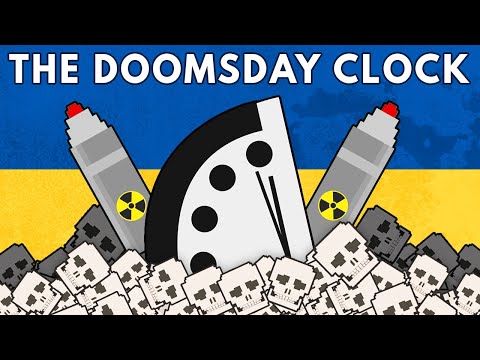
What Happens When the Doomsday Clock Hits Midnight?
0
林宜悉 posted on 2026/02/07Ever wondered what the Doomsday Clock really means and why it's ticking? This video dives into the history of the Manhattan Project and the urgent risks of nuclear weapons and climate change, helping you understand global threats and pick up some advanced vocabulary along the way!
Learn this video on the APP!
The VoiceTube App has more in-depth practice for videos!