
along with
US /əˈlɔŋ wɪð/
UK /əˈlɔŋ wið/
- Preposition
- In addition to; together with.
- Adverb
- In company or together with someone or something.
- Including; in addition to.
A2Moreapproach
US /əˈprəʊtʃ/
UK /ə'prəʊtʃ/
- Verb (Transitive/Intransitive)
- To get close to reaching something or somewhere
- To request someone to do something specific
- Noun (Countable/Uncountable)
- Means of reaching a place, often a road or path
- Request of someone with a specific goal in mind
A2TOEICMorearound the world
US /əˈraʊnd ði wɜrld/
UK /əˈraund ðə wɜː(r)ld/
- Phrase
- In or to many countries.
- In various places throughout the world.
A2Moreas long as
US /æz lɔŋ æz/
UK /æz lɔŋ æz/
- Conjunction
- For the period that; provided that.
- For the length of time that
- Preposition
- On the condition that; providing that.
- Having the same length as.
A1Moreassume
US /əˈsum/
UK /ə'sju:m/
- Transitive Verb
- To act in a false manner to mislead others
- To believe, based on the evidence; suppose
A2TOEICMoreat least
US /æt list/
UK /æt li:st/
- Adverb
- As a minimum
- Not less than
- Phrase
- No less than; at the minimum
- Used to indicate that something is positive in a bad situation.
C2Morebased on
US
UK
- Phrasal Verb
- To use something as the foundation or starting point for something else.
- Preposition
- Using something as the main idea or foundation.
- Relying on something as evidence or justification.
A1Morecarry out
US /ˈkæri aʊt/
UK /ˈkæri aut/
- Phrasal Verb
- To fulfill or perform your instructions, duty
- Verb (Transitive/Intransitive)
- To perform or execute a task, order, or plan.
- To remove something or someone from a place.
A1Morecensus
US /ˈsɛnsəs/
UK /ˈsensəs/
- Noun (Countable/Uncountable)
- Survey to collect data about people in an area
B2Morechamber
US /ˈtʃembɚ/
UK /'tʃeɪmbə(r)/
- Countable Noun
- Enclosed space that contains something
- Large room that is used for official meetings
B1TOEICMorecongress
US /ˈkɑŋɡrɪs/
UK /'kɒŋɡres/
- Noun (Countable/Uncountable)
- Meeting of elected or appointed representatives
- Proper Noun
- American governing body of elected representatives
B1Morecongressional
US /kənˈɡreʃənl/
UK /kənˈgreʃənl/
- Adjective
- Concerning the US congress
B2Morecongressman
US /ˈkɑŋɡrɪsmən/
UK /ˈkɔŋgrɪsmən/
- Countable Noun
- Member of the US House of Representatives
C2Moreconstitution
US /ˌkɑnstɪˈtuʃən, -ˈtju-/
UK /ˌkɔnstiˈtju:ʃən/
- Noun (Countable/Uncountable)
- Statement of fundamental principles of a country
- Condition of your health
B1Moreconstitutional
US /ˌkɑnstɪˈtuʃənəl, -ˈtju-/
UK /ˌkɒnstɪˈtju:ʃənl/
- Adjective
- Regarding laws that govern a nation and its people
- Regarding the basic health, character of a person
B2Morecontinuously
US /kənˈtɪnjʊəslɪ/
UK /kən'tɪnjʊəslɪ/
- Adverb
- Without stops, breaks, or an end
- Without interruption; constantly.
B1Moreconvince
US /kənˈvɪns/
UK /kən'vɪns/
- Transitive Verb
- To persuade someone, or make them feel sure
A2TOEICMorecube
US /kjub/
UK /kju:b/
- Noun
- Solid object that has six square sides
- Transitive Verb
- To cut food into the shape of small cubes
- To multiply a number by itself three times
B2Morecynicism
US /ˈsɪnɪˌsɪzəm/
UK /'sɪnɪsɪzəm/
- Uncountable Noun
- Belief that bad motivates things/people are bad
B2Moredemocracy
US /dɪˈmɑkrəsi/
UK /dɪ'mɒkrəsɪ/
- Noun (Countable/Uncountable)
- System of government in which everyone is equal
- Principles of social equality and respect for the individual within a society.
B1Moredetermine
US /dɪˈtɚmɪn/
UK /dɪ'tɜ:mɪn/
- Transitive Verb
- To control exactly how something will be or act
- To establish the facts about; discover
A2TOEICMoredisconnect
US /ˌdɪskəˈnɛkt/
UK /ˌdɪskəˈnekt/
- Transitive Verb
- To separate something from something else
- Noun
- State of being separated from something else
B2Morediverse
US /dɪˈvɚs, daɪ-, ˈdaɪˌvɚs/
UK /daɪˈvɜ:s/
- Adjective
- Being varied or different from each other
- Very different from each other
B1TOEICMoredivide
US /dɪˈvaɪd/
UK /dɪ'vaɪd/
- Verb (Transitive/Intransitive)
- To split numbers by another number, e.g. 6 / 2 = 3
- To separate something into equal pieces
- Noun
- A separation or distinction.
A2TOEICMoredivide up
US /dɪˈvaɪd ʌp/
UK /diˈvaid ʌp/
- Phrasal Verb
- To separate something into parts and share it between people.
A1Moreelectorate
US /ɪˈlɛktərɪt/
UK /ɪˈlektərət/
- Countable Noun
- Group of people who may vote in an election
B2Moreexpand
US /ɪkˈspænd/
UK /ɪk'spænd/
- Verb (Transitive/Intransitive)
- To make something larger in size, number, amount
A2TOEICMoreextra
US /'ekstrə/
UK /'ekstrə/
- Adjective
- More than necessary; additional
- Of especially good quality or grade.
- Noun (Countable/Uncountable)
- Items more than you need; additional items
- Person who has a small part in a movie
A2Morefeel like
US
UK
- Intransitive Verb
- To have a desire or inclination for something.
- To have a particular quality or sensation; resemble.
A1Moreformula
US /ˈfɔrmjələ/
UK /'fɔ:mjələ/
- Noun (Countable/Uncountable)
- A mathematical or scientific rule
- Plan, rule or method for doing or making something
A2TOEICMorefreshman
US /ˈfrɛʃmən/
UK /ˈfreʃmən/
- Noun
- Student in the first year of high school, college
B2Moregive up
US /ɡɪv ʌp/
UK /ɡiv ʌp/
- Phrasal Verb
- To lose hope or admit defeat
- To decide to not start to try solving a problem
- Verb Phrase
- to surrender an item; hand over an item
A1Morego over all
US
UK
- Phrasal Verb
- To review or examine every part of something carefully.
A2Moregovernance
US /ˈɡʌvənəns/
UK /ˈgʌvənəns/
- Uncountable Noun
- Way a government is run; function of a government
B2Morehave at
US
UK
- Phrasal Verb
- To attack someone or something.
- To begin doing something with enthusiasm.
A1Morehave to
US /hæv tu/
UK /ˈhæv tə/
- Auxiliary Verb
- Must do
A1Moreimplement
US /ˈɪmpləmənt/
UK /ˈɪmplɪment/
- Transitive Verb
- To start to do something you plan to do
- Noun (Countable/Uncountable)
- A tool
B1TOEICMorein power
US /ɪn ˈpaʊɚ/
UK /in ˈpauə/
- Adjective
- Having control of a country or organization.
- Phrase
- During a period of holding authority or control.
B1Morein the house
US
UK
- Phrase
- Located inside a building used as a dwelling.
- Within a legislative body, such as a parliament or congress.
A1Morein the way
US /ɪn ði we/
UK /in ðə wei/
- Phrase
- Obstructing someone or something; hindering progress.
- Stored or placed so as to be available or ready when needed.
A1Morein the weeds
US /ɪn ðə widz/
UK /ɪn ðə wi:dz/
- other
- Overwhelmed by complexity or amount of work.
B2Moreinstitution
US /ˌɪnstɪˈtuʃən, -ˈtju-/
UK /ˌɪnstɪˈtju:ʃn/
- Noun (Countable/Uncountable)
- Organization created for a particular aim/purpose
- Tradition, custom or system accepted by a group
A2TOEICMorelandscape
US /ˈlændˌskep/
UK /'lændskeɪp/
- Noun
- Area or scene of activity, especially in politics
- Picture of natural scenery in a place
- Transitive Verb
- To make gardens that improve an area of land
B1TOEICMorelegislation
US /ˌlɛdʒɪˈsleʃən/
UK /ˌledʒɪsˈleɪʃn/
- Uncountable Noun
- Act or process of writing and passing laws
B1Morelikelihood
US /ˈlaɪkliˌhʊd/
UK /ˈlaɪklihʊd/
- Uncountable Noun
- Chance that something might happen
B1TOEICMorelock in
US
UK
- Phrasal Verb
- To secure something, such as a price or deal, for a specific period.
- To confine someone or something in a place by locking the door.
A1Moremagic number
US
UK
- Noun
- A constant numerical value that has a special meaning in a program.
- The number of wins needed by a team to clinch a playoff spot or championship, taking into account the losses of other teams.
magnify
US /ˈmæɡnəˌfaɪ/
UK /'mæɡnɪfaɪ/
- Transitive Verb
- To increase the importance or seriousness of
- To make something larger, louder, or greater
B2Moremajority
US /məˈdʒɔrɪti, -ˈdʒɑr-/
UK /mə'dʒɒrətɪ/
- Noun (Countable/Uncountable)
- Amount that is more than half of a group
- The age at which a person is legally considered an adult.
B1TOEICMorenumber of people
US /ˈnʌmbɚ ʌv ˈpipəl/
UK /ˈnʌmbə ɔv ˈpi:pl/
- Phrase
- The total count of individuals within a group or gathering.
- A statistical figure representing the population size or a subset thereof.
A1Moreoff of
US /ɔf ʌv/
UK /ɔf ɔv/
- Preposition
- From a position on something; down from.
A1Moreoutlier
US /'aʊtˌlaɪə/
UK /'aʊtˌlaɪə/
- Noun
- Something far away from the center of something
B2Morepolitical
US /pəˈlɪtɪkəl/
UK /pəˈlɪtɪkl/
- Adjective
- Being active or interested in government matters
- Diplomatic
A2Morepopulation
US /ˌpɑpjəˈleʃən/
UK /ˌpɒpjuˈleɪʃn/
- Noun (Countable/Uncountable)
- Number of people who live in a country, area etc.
- A group of individuals of one species living in a particular area.
A2TOEICMoreproposal
US /prəˈpozəl/
UK /prəˈpəʊzl/
- Noun
- Act of asking someone to marry you
- Offer or plan to people who can decide about it
B1TOEICMorerather than
US
UK
- Adverb
- More exactly; more correctly
- Preferably; instead
- Preposition
- Instead of
A1Moreratio
US /ˈreɪʃioʊ/
UK /ˈreɪʃiəʊ/
- Noun (Countable/Uncountable)
- The relationship in relative size, etc.
- The quantitative relation between two amounts showing the number of times one value contains or is contained within the other.
C2Morerepresent
US /ˌrɛprɪˈzɛnt/
UK /ˌreprɪ'zent/
- Transitive Verb
- To depict art objects, figures, scenes; to portray
- To show or describe something in a particular way
A2TOEICMoreroughly
US /ˈrʌflɪ/
UK /ˈrʌfli/
- Adverb
- Approximately; (of numbers) about; around
- In a manner that is violent or not careful
B1Morerural
US /ˈrʊrəl/
UK /ˈruərəl/
- Adjective
- Concerning the country as opposed to the city
B1Moreshift
US /ʃɪft/
UK /ʃɪft/
- Verb (Transitive/Intransitive)
- To change in position or direction
- To move something from one place to another
- Noun (Countable/Uncountable)
- A change in a persons plans, opinions or beliefs
- Period of work starting at a certain time
A2Moreshut down
US /ʃʌt daʊn/
UK /ʃʌt daun/
- Phrasal Verb
- To close an operating system, e.g. on a computer
- To stop a factory/machine from operating
- Transitive Verb
- To deactivate a nuclear reactor.
- To turn off a computer or other electronic device.
A2Moresquint
US /skwɪnt/
UK /skwɪnt/
- Intransitive Verb
- To look through narrowed eyes
B2Moretend
US /tɛnd/
UK /tend/
- Intransitive Verb
- To move or act in a certain manner
- Transitive Verb
- To take care of
A2Morethreat to
US
UK
- Phrase
- A person or thing likely to cause damage or danger.
- A statement of an intention to inflict pain, injury, damage, or other hostile action on someone in retribution for or opposition to something done or not done.
B2Moretricky
US /ˈtrɪki/
UK /'trɪkɪ/
- Adjective
- Difficult, so needing skill to do or deal with
- Likely to use tricks; dishonest or deceptive
A2Moretriple
US /ˈtrɪpəl/
UK /ˈtrɪpl/
- Noun
- Group or set of three
- A hit in baseball that enables the batter to reach third base.
- Transitive Verb
- To multiply by three; to increase threefold.
B2Moreurban
US /ˈɚbən/
UK /'ɜ:bən/
- Adjective
- Concerning a city; located in a city
- Relating to the style of dress and music popular in cities.
B1TOEICMore
Vocabulary
- in the house: Located inside a building used as a dwelling.
- at least: As a minimum
- based on: To use something as the foundation or starting point for something else.
- have to: Must do
- along with: In addition to; together with.
- feel like: To have a desire or inclination for something.
- have at: To attack someone or something.
- off of: From a position on something; down from.
- as long as: For the period that; provided that.
- threat to: A person or thing likely to cause damage or danger.
- in power: Having control of a country or organization.
- in the way: Obstructing someone or something; hindering progress.
- give up: To lose hope or admit defeat
- go over all: To review or examine every part of something carefully.
- divide up: To separate something into parts and share it between people.
- around the world: In or to many countries.
- rather than: More exactly; more correctly
- magic number: A constant numerical value that has a special meaning in a program.
- lock in: To secure something, such as a price or deal, for a specific period.
- in the weeds: Overwhelmed by complexity or amount of work.
- number of people: The total count of individuals within a group or gathering.
- carry out
- shut down: To close an operating system, e.g. on a computer
- assume: To act in a false manner to mislead others
- approach: To get close to reaching something or somewhere
- majority: Amount that is more than half of a group
- determine: To control exactly how something will be or act
- tricky: Difficult, so needing skill to do or deal with
- tend: To move or act in a certain manner
- convince: To persuade someone, or make them feel sure
- represent: To depict art objects, figures, scenes; to portray
- roughly: Approximately; (of numbers) about; around
- diverse: Being varied or different from each other
- implement: To start to do something you plan to do
- shift: To change in position or direction
- divide: To split numbers by another number, e.g. 6 / 2 = 3
- political: Being active or interested in government matters
- state: Region within a country, with its own government
- formula: A mathematical or scientific rule
- explain: To make clear or easy to understand by describing
- democracy: System of government in which everyone is equal
- population: Number of people who live in a country, area etc.
- congress: Meeting of elected or appointed representatives
- extra: More than necessary; additional
- expand: To make something larger in size, number, amount
- pretty: Being attractive to the eye in a simple way
- landscape: Area or scene of activity, especially in politics
- institution: Organization created for a particular aim/purpose
- rural: Concerning the country as opposed to the city
- likelihood: Chance that something might happen
- chamber: Enclosed space that contains something
- urban: Concerning a city; located in a city
- ratio: The relationship in relative size, etc.
- lot: What happens to a person in life from chance; fate
- constitution: Statement of fundamental principles of a country
- census: Survey to collect data about people in an area
- legislation: Act or process of writing and passing laws
- manage: To survive hardships and difficulties; to cope
- system: Set of organized, planned ideas that work together
- act: To behave in a certain way
- government: Group of people and system that rule a nation
- proposal: Act of asking someone to marry you
- worse: Comparative of 'bad'; more bad
- pick: Sharp tool used for breaking the ground
- person: Man, woman or child
- continuously: Without stops, breaks, or an end
- world: All the humans, events, activities on the earth
- squint: To look through narrowed eyes
- cynicism: Belief that bad motivates things/people are bad
- problem: Something difficult to deal with or causes trouble
- magnify: To increase the importance or seriousness of
- country: An area of land that is controlled by a government
- time: Speed at which music is played; tempo
- constitutional: Regarding laws that govern a nation and its people
- disconnect: To separate something from something else
- congressional: Concerning the US congress
- cube: Solid object that has six square sides
- triple: Group or set of three
- electorate: Group of people who may vote in an election
- governance: Way a government is run; function of a government
- congressman: Member of the US House of Representatives
- freshman: Student in the first year of high school, college
- outlier: Something far away from the center of something
Get the full experience in the app
Learn anywhere with detailed sentence and usage analysis
01:03
She took a brave step forward, leaving behind her comfort zone to chase her dreams.
Vocabulary
- brave
adj. Having courage
- comfort zone
phr. A familiar situation where one feels safe
Explanation
a brave step is a noun phrase, where brave is an adjective modifying the noun step, meaning "a courageous step".
forward is an adverb modifying step, meaning "ahead".
The whole phrase serves as the object, answering the "what" of took (verb) — she took a brave step forward.
Get the full experience in the app
Look up words anytime with pronunciation, part of speech, and usage
brave
US/brev/
UK/breɪv/
adj.Brave
v.t.To bravely face
A2 Elementary
Get the full experience in the app
Practice speaking anytime and get instant pronunciation feedback
Try this speaking exercise.
Try practicing with this sentence.
80
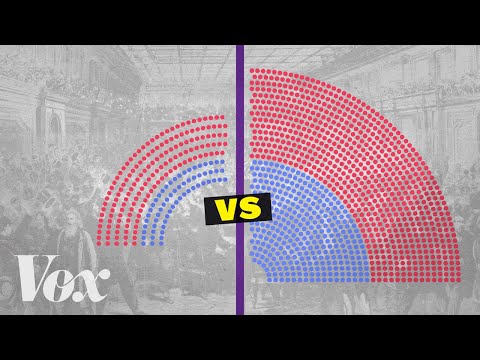
The House of Representatives is too small. Here is one way to fix it.
0
林宜悉 posted on 2026/02/06Ever wondered why the U.S. House of Representatives has stayed at 435 members for so long? This video dives into fascinating ideas for expanding the House and tackles tricky concepts like the 'Wyoming rule' and 'cube root law.' You'll pick up some advanced vocabulary related to government and representation along the way!
Learn this video on the APP!
The VoiceTube App has more in-depth practice for videos!