
abuse
US /əˈbjuz/
UK /ə'bju:s/
- Transitive Verb
- To mistreat or be cruel towards someone
- To use in an inappropriate or excessive way
- Noun (Countable/Uncountable)
- Improper/dishonest/excessive use of something
- Insulting someone, e.g. by swearing at them
A2TOEICMorealter
US /ˈɔltɚ/
UK /ˈɔ:ltə(r)/
- Transitive Verb
- To change so (clothing) fits better
- Verb (Transitive/Intransitive)
- To change or modify something.
- To become different; to change.
A2TOEICMoreanimate
US /ˈænəˌmet/
UK /'ænɪmeɪt/
- Transitive Verb
- To give life, energy, or motion to something
B2Moreattribute
US /əˈtrɪbjut/
UK /əˈtrɪbju:t/
- Transitive Verb
- (Of books, art, music) to say it was composed by
- Noun (Countable/Uncountable)
- Characteristic something has, e.g. size or color
B1TOEICMorecomponent
US /kəmˈponənt/
UK /kəmˈpəʊnənt/
- Noun (Countable/Uncountable)
- One of the parts that something is made up of
- A constituent part; ingredient.
- Adjective
- Being a part of something
A2Morecringe
US /krɪndʒ/
UK /krɪndʒ/
- Intransitive Verb
- To crouch or move back suddenly, as in fear
- To behave in a servile or submissive way.
- Transitive Verb
- To cause someone to feel embarrassed or uncomfortable.
C1Moredepression
US /dɪˈprɛʃən/
UK /dɪ'preʃn/
- Noun (Countable/Uncountable)
- Medical condition of a lack of vitality
- Period of unemployment and low economic activity
B2Moredisorder
US /dɪsˈɔrdɚ/
UK /dɪs'ɔ:də(r)/
- Uncountable Noun
- State of confusion or a lack of organization
- Illness when the body is not functioning well
- Transitive Verb
- To disrupt the order or arrangement of something.
B2Moreemotional
US /ɪˈmoʃənəl/
UK /ɪˈməʊʃənl/
- Adjective
- Causing, feeling, or appealing to the emotions
- Relating to or characterized by emotion
A2Moreexperience in
US
UK
- Phrase
- Knowledge or skill gained from doing something for a period of time.
- Exposure to or involvement in a particular activity or situation.
B1Moreexplore
US /ɪkˈsplɔr/
UK /ɪk'splɔ:(r)/
- Transitive Verb
- To examine something in detail to learn about it
- To travel to a place to discover more about it
A2TOEICMoreextraction
US /ɪkˈstrækʃən/
UK /ɪkˈstrækʃn/
- Noun (Countable/Uncountable)
- Process of taking something out of something else
- Country, region from which a person or family came
B1Morefamilial
US /fəˈmɪljəl/
UK /fəˈmɪliəl/
- Adjective
- Of or relating to families
B1Morefeel like
US
UK
- Intransitive Verb
- To have a desire or inclination for something.
- To have a particular quality or sensation; resemble.
A1Morefor instance
US /fɔr ˈɪnstəns/
UK /fɔ: ˈinstəns/
- Adverb
- As an example.
- Phrase
- As an example.
- As an illustration or case in point
B1Moregene
US /dʒin/
UK /dʒi:n/
- Noun
- Part of cell controlling development of a thing
B1Moregenetic
US /dʒəˈnɛtɪk/
UK /dʒəˈnetɪk/
- Adjective
- Of, relating to, or controlled by genes
- Relating to genes or heredity.
B1Moregenocide
US /ˈdʒɛnəˌsaɪd/
UK /ˈdʒenəsaɪd/
- Noun
- Deliberate destruction of a group of people
B2Moreimmigration
US /ˌɪmɪˈɡreɪʃn/
UK /ˌɪmɪˈgreɪʃn/
- Uncountable Noun
- Process of moving your home to a new country
- The number of people immigrating to a country during a specific period.
B1Morein turn
US
UK
- Adverb
- One after the other in a sequence or rotation.
A1Moreinevitable
US /ɪnˈɛvɪtəbəl/
UK /ɪnˈevɪtəbl/
- Adjective
- That must happen; certain to happen
- Sure to occur or happen
- Noun (Countable/Uncountable)
- A situation that is unavoidable
- Things that cannot be avoided
A2Moreinfo
US /ˈɪnfoʊ/
UK /ˈɪnfəʊ/
- Uncountable Noun
- Shortened form of the word 'information'
B2Moreinherit
US /ɪnˈhɛrɪt/
UK /ɪn'herɪt/
- Transitive Verb
- To have a quality or feature passed down at birth
- To receive property or money after someone dies
B1Moreinstance
US /ˈɪnstəns/
UK /'ɪnstəns/
- Noun (Countable/Uncountable)
- An example of something; case
- An occurrence of something.
- Transitive Verb
- To give as an example of something else
A2TOEICMoreintergenerational
US
UK
- Adjective
- Between generations
B1Morelikeness
US /ˈlaɪknɪs/
UK /ˈlaɪknəs/
- Noun (Countable/Uncountable)
- Similarity; resemblance; portrait
B2Moremate
US /met/
UK /meɪt/
- Noun (Countable/Uncountable)
- A friend who you work, live, or go to school with
- Partner in a (sexual) relationship
- Verb (Transitive/Intransitive)
- To pair a male and female so they have children
- To join or fit two things together
B1Moremechanism
US /ˈmɛkəˌnɪzəm/
UK /'mekənɪzəm/
- Noun (Countable/Uncountable)
- Part of a machine that performs a certain function
- System or process for achieving a certain result
B1Moremental
US /ˈmɛntl/
UK /ˈmentl/
- Adjective
- Concerning the mind
A2TOEICMoremillennial
US /mɪ'lenɪrl/
UK /mɪ'lenɪəl/
- Adjective
- Concerning a millennium (a thousand years)
- Relating to the millennial generation.
- Noun
- A person born between the early 1980s and the mid-1990s to early 2000s.
- A person reaching young adulthood around the year 2000.
B2Moremolecular
US /məˈlɛkjəlɚ/
UK /mə'lekjələ(r)/
- Adjective
- About or caused by molecules
B2Moremuch about
US /mʌtʃ əˈbaʊt/
UK /mʌtʃ əˈbaut/
- Phrase
- A lot of information or knowledge concerning something.
- To a great extent or degree regarding something; caring.
A1Moreneglect
US /nɪˈɡlɛkt/
UK /nɪ'ɡlekt/
- Uncountable Noun
- Act of failing to do something important, required
- State or condition of not receiving proper care
- Transitive Verb
- To not do something that is important or required
- To fail to take care of something; ignore
B1TOEICMoreoccur
US /əˈkɚ/
UK /əˈkɜ:(r)/
- Intransitive Verb
- To come to pass or to happen
- To be found to exist; to be present.
A2TOEICMoreoccurrence
US /əˈkɚrəns/
UK /əˈkʌrəns/
- Noun (Countable/Uncountable)
- Specific instance of something happening
- The fact or frequency of something happening.
B1TOEICMoreodor
US /'oʊdə/
UK /'əʊdə/
- Noun
- A certain smell, often strong or distinct
- A distinctive smell, especially an unpleasant one.
- Noun (Countable/Uncountable)
- A certain smell, often strong or distinct
B1TOEICMoreow
US /aʊ/
UK /aʊ/
- Interjection
- Sound people make when they are hurt
C2Morephobia
US /ˈfoʊbiə/
UK /ˈfəʊbiə/
- Noun
- Extreme fear
C1Morepredict
US /prɪˈdɪkt/
UK /prɪ'dɪkt/
- Transitive Verb
- To guess or estimate what will or might happen
A2TOEICMoreprevalence
US /ˈprɛvələns/
UK /'prevələns/
- Uncountable Noun
- Fact of being widespread or common
B2Morepsa
US /ˌpiː.esˈeɪ/
UK /ˌpiː.esˈeɪ/
- Abbreviation
- PSA is the acronym of Public Service Announcement, a message in the public interest disseminated by the media without charge, with the objective of raising awareness or changing public attitudes and behavior towards a social issue.
- PSA is the acronym of Prostate-Specific Antigen, protein produced by cells of the prostate gland. The PSA test measures the level of PSA in a man's blood to help detect prostate cancer or other prostate issues.
C1Morerefugee
US /ˌrɛfjʊˈdʒi/
UK /ˌrefjuˈdʒi:/
- Countable Noun
- Person forced to leave their home e.g. due to war
B2Moreresult
US /rɪˈzʌlt/
UK /rɪ'zʌlt/
- Noun
- Something produced through tests or experiments
- Final score of a competition, election or game
- Intransitive Verb
- To be the outcome of other causes and effects
- To happen or exist as a consequence of something.
A2Moresequence
US /ˈsikwəns, -ˌkwɛns/
UK /'si:kwəns/
- Noun
- Part of a movie showing one part of the story
- A particular order in which related events, movements, or things follow each other.
- Transitive Verb
- To arrange things in an order they should happen
A2TOEICMoresoutheast
US /saʊθˈist, saʊˈist/
UK /ˌsaʊθ'i:st/
- Noun
- Location in the southeastern part of an area
B2Morestress
US / strɛs/
UK /stres/
- Transitive Verb
- To emphasize one or more parts of a word, sentence
- To put pressure on something or someone
- Noun (Countable/Uncountable)
- Emphasis on part of a word or sentence
- Pressure on something or someone
A2TOEICMorestrict
US /strɪkt/
UK /strɪkt/
- Adjective
- Tending to enforce rules; severe
- (Of orders) that must be obeyed
A2Moresubscribe
US /səbˈskraɪb/
UK /səb'skraɪb/
- Verb (Transitive/Intransitive)
- To regularly pay to receive a service
B1TOEICMoresuch as
US /sʌtʃ æz/
UK /sʌtʃ æz/
- Preposition
- For example; like
A1Moresuffer
US / ˈsʌfɚ/
UK /'sʌfə(r)/
- Verb (Transitive/Intransitive)
- To experience pain, illness, or injury
- To allow or permit something, especially something unpleasant.
A2Moretherapy
US /ˈθɛrəpi/
UK /'θerəpɪ/
- Noun (Countable/Uncountable)
- Treatment to help cure an illness
- Psychological counseling to help resolve personal or emotional problems.
B2Moretrauma
US /ˈtraʊmə/
UK /'trɔ:mə/
- Noun (Countable/Uncountable)
- A very severe or upsetting experience
- Serious injury to part of the body
B2Moretraumatic
US /traʊˈmætɪk/
UK /trɔ:ˈmætɪk/
- Adjective
- Causing upsetting emotional effects over time
- Causing an injury
B2Moretriple
US /ˈtrɪpəl/
UK /ˈtrɪpl/
- Noun
- Group or set of three
- A hit in baseball that enables the batter to reach third base.
- Transitive Verb
- To multiply by three; to increase threefold.
B2Moreturn into
US /tɚn ˈɪntu/
UK /tə:n ˈɪntuː/
- Phrasal Verb
- To change to become something else
- To change your direction to go into a place
A1Moreunrelated
US /ˌʌnrɪˈleɪtɪd/
UK /ˌʌnrɪˈleɪtɪd/
- Adjective
- Not related; not connected
- Not sharing a family relationship
B1More
Vocabulary
- much about: A lot of information or knowledge concerning something.
- turn into: To change to become something else
- such as: For example; like
- for instance: As an example.
- in turn: One after the other in a sequence or rotation.
- experience in: Knowledge or skill gained from doing something for a period of time.
- feel like: To have a desire or inclination for something.
- subscribe: To regularly pay to receive a service
- inevitable: That must happen; certain to happen
- mental: Concerning the mind
- depression: Medical condition of a lack of vitality
- trauma: A very severe or upsetting experience
- experience: Thing a person has done or that happened to them
- disorder: State of confusion or a lack of organization
- therapy: Treatment to help cure an illness
- instance: An example of something; case
- traumatic: Causing upsetting emotional effects over time
- fear: Unpleasant feeling caused by being aware of danger
- emotional: Causing, feeling, or appealing to the emotions
- stress: To emphasize one or more parts of a word, sentence
- environment: Natural world in which plants and animals live
- explore: To examine something in detail to learn about it
- measure: Plan to achieve a desired result
- strict: Tending to enforce rules; severe
- component: One of the parts that something is made up of
- mechanism: Part of a machine that performs a certain function
- abuse: To mistreat or be cruel towards someone
- predict: To guess or estimate what will or might happen
- occur: To come to pass or to happen
- alter: To change so (clothing) fits better
- suffer: To experience pain, illness, or injury
- genetic: Of, relating to, or controlled by genes
- odor: A certain smell, often strong or distinct
- neglect: Act of failing to do something important, required
- sequence: Part of a movie showing one part of the story
- result: Something produced through tests or experiments
- subject: The person, thing, or idea that is being discussed, described, or studied.
- attribute: (Of books, art, music) to say it was composed by
- click: To work well with someone or something
- refugee: Person forced to leave their home e.g. due to war
- noggin: A human head
- receive: To get something someone has given or sent to you
- millennial: Concerning a millennium (a thousand years)
- cringe: To crouch or move back suddenly, as in fear
- control: A device designed to operate a machine
- mate: A friend who you work, live, or go to school with
- animate: To give life, energy, or motion to something
- genocide: Deliberate destruction of a group of people
- middle: Place that is halfway between two things
- prevalence: Fact of being widespread or common
- head: To hit a ball with your head in a game
- occurrence: Specific instance of something happening
- turn: To become (a particular age)
- inherit: To have a quality or feature passed down at birth
- question: To ask for or try to get information
- include: To make someone, something part of a group
- phobia: Extreme fear
- immigration: Process of moving your home to a new country
- life: All the living things e.g. animals, plants, humans
- gene: Part of cell controlling development of a thing
- molecular: About or caused by molecules
- triple: Group or set of three
- extraction: Process of taking something out of something else
- unrelated: Not related; not connected
- info: Shortened form of the word 'information'
- southeast: Location in the southeastern part of an area
- familial: Of or relating to families
- likeness: Similarity; resemblance; portrait
- ow: Sound people make when they are hurt
- intergenerational: Between generations
- psa: PSA is the acronym of Public Service Announcement, a message in the public interest disseminated by the media without charge, with the objective of raising awareness or changing public attitudes and behavior towards a social issue.
Get the full experience in the app
Learn anywhere with detailed sentence and usage analysis
01:03
She took a brave step forward, leaving behind her comfort zone to chase her dreams.
Vocabulary
- brave
adj. Having courage
- comfort zone
phr. A familiar situation where one feels safe
Explanation
a brave step is a noun phrase, where brave is an adjective modifying the noun step, meaning "a courageous step".
forward is an adverb modifying step, meaning "ahead".
The whole phrase serves as the object, answering the "what" of took (verb) — she took a brave step forward.
Get the full experience in the app
Look up words anytime with pronunciation, part of speech, and usage
brave
US/brev/
UK/breɪv/
adj.Brave
v.t.To bravely face
A2 Elementary
Get the full experience in the app
Practice speaking anytime and get instant pronunciation feedback
Try this speaking exercise.
Try practicing with this sentence.
80
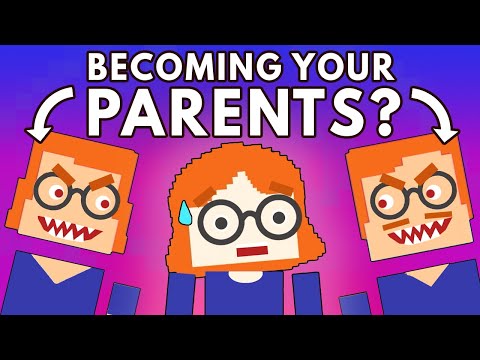
Will You Become Just Like Your Parents? ft. @illymation
0
林宜悉 posted on 2026/02/06Ever wonder if you're destined to repeat your parents' patterns? This animated explainer dives into fascinating topics like epigenetics and intergenerational trauma, showing how experiences can shape us beyond just our genes. You'll pick up some advanced vocabulary and gain a deeper understanding of family dynamics along the way!
Learn this video on the APP!
The VoiceTube App has more in-depth practice for videos!