
afterward
US /ˈæftəwəd/
UK /'ɑ:ftəwəd/
- Adverb
- Happening after something else happened
B1Moreanxiety
US /æŋˈzaɪɪti/
UK /æŋ'zaɪətɪ/
- Uncountable Noun
- A feeling of worry, nervousness, or unease about something that might happen, especially when the outcome is uncertain.
B1Moreat peace with
US
UK
- Phrase
- Feeling calm and content about something, especially after a period of worry or difficulty.
- Having accepted something difficult or unpleasant and no longer feeling upset by it.
B1Moreat the same time
US
UK
- Phrase
- Simultaneously; at the identical moment.
- Nevertheless; however; used to introduce a contrasting or qualifying statement.
A1Moreavoid
US /əˈvɔɪd/
UK /ə'vɔɪd/
- Transitive Verb
- To prevent from happening
- To stay away from
A2TOEICMoreawareness
US /əˈwɛrnɪs/
UK /əˈweənəs/
- Uncountable Noun
- Having knowledge of something
A2TOEICMorebuild in
US
UK
- Phrasal Verb
- To include something as part of a plan, system, or design.
- To create something as a permanent or inherent feature.
A1Morecharismatic
US /ˌkærɪzˈmætɪk/
UK /ˌkærɪzˈmætɪk/
- Adjective
- Able to attract and make them like you
B2Morecheck out
US /tʃɛk aʊt/
UK /tʃek aut/
- Phrase
- Phrasal Verb
- To find out information about something
- To take books out of a library
A1Morecome from
US /kʌm frʌm/
UK /kʌm frɔm/
- Phrasal Verb
- To have as your native country or city
A1Morecondition
US /kənˈdɪʃən/
UK /kənˈdɪʃn/
- Transitive Verb
- To improve something to make it better
- To cause to behave automatically in a certain way
- Noun (Countable/Uncountable)
- Disease or other medical problem
- The state of living you are in, e.g. good health
A2Morecontent
US /ˈkɑnˌtɛnt/
UK /'kɒntent/
- Adjective
- Being happy or satisfied
- In a state of peaceful happiness.
- Noun (Countable/Uncountable)
- Information in something, e.g. book or computer
- The subject matter of a book, speech, etc.
A2Moreconvince
US /kənˈvɪns/
UK /kən'vɪns/
- Transitive Verb
- To persuade someone, or make them feel sure
A2TOEICMoredecline
US /dɪˈklaɪn/
UK /dɪ'klaɪn/
- Intransitive Verb
- To bend towards the ground
- To slope downward.
- Verb (Transitive/Intransitive)
- To lessen in quality or value
A2TOEICMoredigital media
US
UK
- Noun (Countable/Uncountable)
- Electronic devices and media platforms used to create, distribute, and consume content.
- Forms of electronic communication (such as websites, video, email, social media) that can be used to create and disseminate content.
B2Moredistress
US /dɪˈstrɛs/
UK /dɪ'stres/
- Uncountable Noun
- State of great sadness, anxiety or pain
- Condition of danger or emergency
- Transitive Verb
- To cause someone anxiety or sadness
- To be in financial trouble
B1Moreenergize
US /ˈɛnɚˌdʒaɪz/
UK /'enədʒaɪz/
- Transitive Verb
- To give more energy and power to someone
- To give energy or vitality to; invigorate.
B1Moreescape
US /ɪˈskep/
UK /ɪ'skeɪp/
- Noun (Countable/Uncountable)
- Act to briefly ignoring boring or bad things
- The 'esc key' on a keyboard
- Verb (Transitive/Intransitive)
- To avoid something undesirable, dangerous or bad
- To get away from a place where you are being kept
A2Moreextrovert
US /ˈɛkstrəˌvət/
UK /ˈekstrəvɜ:t/
- Noun
- Person who enjoys being with other people
C2TOEICMorefeel like
US
UK
- Intransitive Verb
- To have a desire or inclination for something.
- To have a particular quality or sensation; resemble.
A1Morefor days
US /fɔr dez/
UK /fɔ: deɪz/
- Phrase
- For a long period of time; lasting several days.
frame
US /frem/
UK /freɪm/
- Transitive Verb
- To make a person that is not guilty appear guilty
- To put say or write something in a careful way
- Noun (Countable/Uncountable)
- Structure that holds a picture or photo
- A person's body shape determined by their skeleton
A2TOEICMorein other words
US
UK
- Phrase
- Stating something in a different way, often to make it clearer or more understandable.
interaction
US /ˌɪntɚˈækʃən/
UK /ˌɪntər'ækʃn/
- Noun (Countable/Uncountable)
- Process of people or things affecting each other
- The activity of talking to other people, working together etc
A2Moreintroversion
US /ˌɪntrə'vɜ:ʃn/
UK /ˌɪntrə'vɜ:ʃn/
- Uncountable Noun
- the quality of being shy and quiet and preferring to spend time alone
- The quality of being predominantly concerned with one's own thoughts and feelings rather than with external things.
C1Moreintrovert
US /'ɪntrəvɜ:rt/
UK /'ɪntrəvɜ:t/
- Noun (Countable/Uncountable)
- Person who does not like social contact
- Intransitive Verb
- To turn inward for energy and rejuvenation.
C1TOEICMorejudge
US /dʒʌdʒ/
UK /dʒʌdʒ/
- Noun (Countable/Uncountable)
- Person who decides on the results of a contest
- Person who has the power to make a decision
- Verb (Transitive/Intransitive)
- To reach a decision about who won a contest
- To form an opinion after careful consideration
A2TOEICMorelonely
US /ˈloʊnli/
UK /ˈləʊnli/
- Adjective
- Sad because apart from other people
- Being far away and rarely visited by people
B2Moremental
US /ˈmɛntl/
UK /ˈmentl/
- Adjective
- Concerning the mind
A2TOEICMoremix up
US /mɪks ʌp/
UK /miks ʌp/
- Phrasal Verb
- To put various things together so they become one
- To cause things to become confused
- Verb (Transitive/Intransitive)
- To confuse (two or more things or people).
- To stir or agitate something.
A1Morenegatively
US /ˈnɛɡətɪvlɪ/
UK /'neɡətɪvlɪ/
- Adverb
- In a harmful, unwanted or unhelpful manner
B1Moreon purpose
US /ɑn ˈpɚpəs/
UK /ɔn ˈpə:pəs/
- Idiom
- Intentionally; deliberately.
- Phrase
- Intentionally; deliberately.
A1Moreon the other hand
US
UK
- Phrase
- Considering a different aspect of the matter; alternatively.
A1Moreon the surface
US /ɑn ði ˈsɚfəs/
UK /ɔn ðə ˈsə:fis/
- Phrase
- Appearing to be true or real until examined more closely.
- Located on the outer part or uppermost layer of something.
B2Moreout of proportion
US /aʊt ʌv prəˈpɔrʃən/
UK /aut ɔv prəˈpɔ:ʃən/
- Adjective
- Exaggerated or inappropriate in scale or degree.
- Too large or small in relation to something else; excessive.
A1Moreoverlap
US /ˌoʊvərˈlæp/
UK /ˌəʊvəˈlæp/
- Verb (Transitive/Intransitive)
- To lie over or cover a part of something else
- To happen at the same time as another event
- Noun (Countable/Uncountable)
- Amount shared in the same space, form, idea
B1TOEICMoreovernight
US /ˈovɚˌnaɪt/
UK /ˌəʊvə'naɪt/
- Adverb
- (Becoming famous, etc.) in a short amount of time
- For or during the night
- Adjective
- Lasting or taking place during the night
- Delivered or intended to be delivered on the next day
B1Morepeaceful
US /ˈpisfəl/
UK /ˈpi:sfl/
- Adjective
- In a calm and quiet state
- Being unlikely or unwilling to act violently
B1Morepersonality
US /ˌpɚsəˈnælɪti/
UK /ˌpɜ:səˈnæləti/
- Noun (Countable/Uncountable)
- Way someone is or reacts to life or other people
- Person who is famous; celebrity
A2Morepicky
US /ˈpɪki/
UK /ˈpɪki/
- Adjective
- Careful about deciding on things; hard to please
B1Morepsych
US /saɪk/
UK /saɪk/
- Transitive Verb
- (Of an upcoming event) to cause excitement in
C2Morepsychological
US /ˌsaɪkəˈlɑdʒɪkəl/
UK /ˌsaɪkəˈlɒdʒɪkl/
- Adjective
- Concerning the study of the mind
- Relating to or involving the use of propaganda, threats, or other psychological techniques to subdue an opponent.
A2Morepsychology
US /saɪˈkɑlədʒi/
UK /saɪ'kɒlədʒɪ/
- Uncountable Noun
- The study of the mind and how it affects behavior
- Way in which a person or group thinks and behaves
C2Morequirky
US /'kwɜ:kɪ/
UK /'kwɜ:kɪ/
- Adjective
- Odd or unusual; strange
B2Morerecharge
US /riˈtʃɑrdʒ/
UK /ˌri:'tʃɑ:dʒ/
- Transitive Verb
- To refill a battery, etc. with electricity
- Verb (Transitive/Intransitive)
- To re-energize yourself through rest or eating
B2Morerelief
US /rɪˈlif/
UK /rɪˈli:f/
- Noun (Countable/Uncountable)
- Aid given to people in need as after war/disaster
- Artwork, e.g. part of wall, that partly sticks out
B1TOEICMorerelieve
US /rɪˈliv/
UK /rɪ'li:v/
- Transitive Verb
- To make less boring by making some change
- To replace workers with others
B1Moreresearch
US /rɪˈsɚtʃ, ˈriˌsɚtʃ/
UK /rɪ'sɜ:tʃ/
- Verb (Transitive/Intransitive)
- To study in order to discover new ideas and facts
- To study the market relating to marketing products and services.
- Noun (Countable/Uncountable)
- Study done to discover new ideas and facts
- A particular area or topic of study.
A2TOEICMoresame time
US
UK
- Phrase
- Occurring simultaneously or at the same point in time.
- At the identical time as before; recurring at a fixed hour.
- Noun
- An equal duration or period.
A1Moresolitude
US /ˈsɑlɪˌtud, -ˌtjud/
UK /'sɒlɪtju:d/
- Uncountable Noun
- State of preferring to be alone
B2Morestimulation
US /ˌstɪmjʊ'leɪʃn/
UK /ˌstɪmjʊ'leɪʃn/
- Uncountable Noun
- Arousal of interest or emotions
B1Morestructure
US /ˈstrʌk.tʃɚ/
UK /ˈstrʌk.tʃə/
- Noun (Countable/Uncountable)
- The way in which the parts of a system or object are arranged or organized, or a system arranged in this way
- A building or other man-made object.
- Transitive Verb
- To plan, organize, or arrange the parts of something
A2TOEICMoreterrify
US /ˈtɛrəˌfaɪ/
UK /ˈterɪfaɪ/
- Transitive Verb
- To scare or greatly frighten
B1Moretherapy
US /ˈθɛrəpi/
UK /'θerəpɪ/
- Noun (Countable/Uncountable)
- Treatment to help cure an illness
- Psychological counseling to help resolve personal or emotional problems.
B2Moretrait
US /tret/
UK /treɪt/
- Noun (Countable/Uncountable)
- A particular characteristic that can produce a particular type of behavior
- A genetically determined characteristic or condition.
C2Moretremble
US /ˈtrɛmbəl/
UK /'trembl/
- Intransitive Verb
- To shake a little, as due to an earthquake
- To shake slightly because you are afraid/excited
B1Moreunbearable
US /ʌnˈbɛrəbəl/
UK /ʌnˈbeərəbl/
- Adjective
- Not able to be accepted or tolerated
B1More
Vocabulary
- digital media: Electronic devices and media platforms used to create, distribute, and consume content.
- mix up: To put various things together so they become one
- feel like: To have a desire or inclination for something.
- on the surface: Appearing to be true or real until examined more closely.
- in other words: Stating something in a different way, often to make it clearer or more understandable.
- out of proportion: Exaggerated or inappropriate in scale or degree.
- at peace with: Feeling calm and content about something, especially after a period of worry or difficulty.
- for days: For a long period of time; lasting several days.
- on the other hand : Considering a different aspect of the matter; alternatively.
- on purpose: Intentionally; deliberately.
- build in: To include something as part of a plan, system, or design.
- at the same time: Simultaneously; at the identical moment.
- same time: Occurring simultaneously or at the same point in time.
- come from: To have as your native country or city
- check out
- anxiety: A feeling of worry, nervousness, or unease about something that might happen, especially when the outcome is uncertain.
- mindset: Way someone things about something
- mental: Concerning the mind
- content: Being happy or satisfied
- introvert: Person who does not like social contact
- present: Being in attendance; being there; having turned up
- trait: A particular characteristic that can produce a particular type of behavior
- experience: Thing a person has done or that happened to them
- structure: The way in which the parts of a system or object are arranged or organized, or a system arranged in this way
- therapy: Treatment to help cure an illness
- anxious: Afraid of what may happen; worried and nervous
- convince: To persuade someone, or make them feel sure
- psychological: Concerning the study of the mind
- fear: Unpleasant feeling caused by being aware of danger
- decline: To bend towards the ground
- psychology: The study of the mind and how it affects behavior
- research: To study in order to discover new ideas and facts
- awareness: Having knowledge of something
- distress: State of great sadness, anxiety or pain
- solitude: State of preferring to be alone
- avoid: To prevent from happening
- escape: Act to briefly ignoring boring or bad things
- interaction: Process of people or things affecting each other
- personality: Way someone is or reacts to life or other people
- condition: To improve something to make it better
- frame: To make a person that is not guilty appear guilty
- similar: Nearly the same; alike
- judge: Person who decides on the results of a contest
- compare: To consider how similar and different things are
- charismatic: Able to attract and make them like you
- extrovert: Person who enjoys being with other people
- relief: Aid given to people in need as after war/disaster
- break: To create a new record e.g. running the 100m dash
- social: Involving activity with people, e.g. in free time
- quirky: Odd or unusual; strange
- important: Having power or authority
- relieve: To make less boring by making some change
- overlap: To lie over or cover a part of something else
- last: Final; with nothing following; after all others
- unbearable: Not able to be accepted or tolerated
- stimulation: Arousal of interest or emotions
- great: Very good; better than before
- change: To exchange one set of clothes for another
- difference: A thing or issue that people do not agree about
- picky: Careful about deciding on things; hard to please
- introversion: the quality of being shy and quiet and preferring to spend time alone
- understand: To know the meaning of language, what someone says
- recharge: To refill a battery, etc. with electricity
- overnight: (Becoming famous, etc.) in a short amount of time
- negatively: In a harmful, unwanted or unhelpful manner
- afterward: Happening after something else happened
- energize: To give more energy and power to someone
- tremble: To shake a little, as due to an earthquake
- lonely: Sad because apart from other people
- terrify: To scare or greatly frighten
- peaceful: In a calm and quiet state
- psych: (Of an upcoming event) to cause excitement in
Get the full experience in the app
Learn anywhere with detailed sentence and usage analysis
01:03
She took a brave step forward, leaving behind her comfort zone to chase her dreams.
Vocabulary
- brave
adj. Having courage
- comfort zone
phr. A familiar situation where one feels safe
Explanation
a brave step is a noun phrase, where brave is an adjective modifying the noun step, meaning "a courageous step".
forward is an adverb modifying step, meaning "ahead".
The whole phrase serves as the object, answering the "what" of took (verb) — she took a brave step forward.
Get the full experience in the app
Look up words anytime with pronunciation, part of speech, and usage
brave
US/brev/
UK/breɪv/
adj.Brave
v.t.To bravely face
A2 Elementary
Get the full experience in the app
Practice speaking anytime and get instant pronunciation feedback
Try this speaking exercise.
Try practicing with this sentence.
80
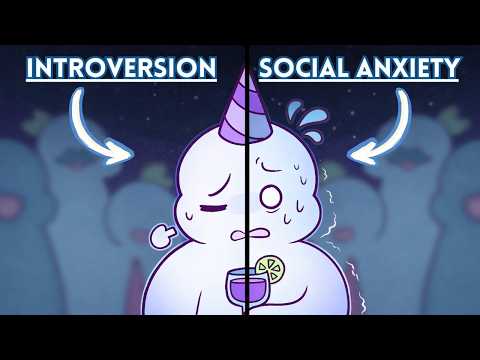
Introversion vs Social Anxiety: Why the Difference Matters
0
林宜悉 posted on 2026/02/03Ever wondered if you're just introverted or if it's something more? This video from Psych2Go dives into the key differences between introversion and social anxiety, helping you understand yourself better and manage your energy. You'll pick up practical insights and some advanced vocabulary to discuss mental health topics with confidence!
Learn this video on the APP!
The VoiceTube App has more in-depth practice for videos!