
accomplishment
US /əˈkɑmplɪʃmənt/
UK /əˈkʌmplɪʃmənt/
- Noun (Countable/Uncountable)
- Something you succeed in after hard work
- A skill or special ability.
B1TOEICMoreadministration
US / ædˌmɪnɪˈstreʃən/
UK /ədˌmɪnɪˈstreɪʃn/
- Uncountable Noun
- Act of giving e.g. medicine to a patient
- The work of running something, e.g. a business
B1TOEICMoreaffect
US /əˈfɛkt/
UK /ə'fekt/
- Transitive Verb
- To cause a change in something else
- To pretend to have or feel (something).
- Noun
- (Psychology) Emotion or feeling.
A2TOEICMorealso known as
US
UK
- Phrase
- Also called; alternatively named.
- Identified by another term; synonymous with.
A1Moreanxiety
US /æŋˈzaɪɪti/
UK /æŋ'zaɪətɪ/
- Uncountable Noun
- A feeling of worry, nervousness, or unease about something that might happen, especially when the outcome is uncertain.
B1Moreappetite
US /ˈæpɪˌtaɪt/
UK /'æpɪtaɪt/
- Noun
- Feeling of hunger or desire for something
B1Moreas soon as
US /æz sun æz/
UK /æz su:n æz/
- Phrase
- In a short time after (something happens)
- Without any delay; immediately
- Conjunction
- At the moment that, or immediately after.
A1Moreassociation
US /əˌsoʊʃi'eɪʃn/
UK /əˌsəʊʃɪ'eɪʃn/
- Noun
- Organization of people with the same interest
B1TOEICMoreavoid
US /əˈvɔɪd/
UK /ə'vɔɪd/
- Transitive Verb
- To prevent from happening
- To stay away from
A2TOEICMorebob
US /bɑ:b/
UK /bɒb/
- Intransitive Verb
- To move up and down repeatedly
- Proper Noun
- Person's name
B2Morecognitive
US /ˈkɑɡnɪtɪv/
UK /ˈkɒgnətɪv/
- Adjective
- The process of knowing and remembering
- Relating to the ability to think and reason.
C1Morecombination
US /ˌkɑmbəˈneʃən/
UK /ˌkɒmbɪ'neɪʃn/
- Noun
- Series of letters or numbers needed to open a lock
- Act or result of mixing things together
B1Morecue
US /kju/
UK /kju:/
- Noun
- Word or action in a play to tell an actor to speak
- Transitive Verb
- To give a signal telling someone when to act/speak
B2Morecure
US /kjʊr/
UK /kjʊə(r)/
- Noun
- Something that solves a problem or makes it better
- Medical treatment making a sick person healthy
- Transitive Verb
- To fix or improve a problem
- To make someone healthy or make a disease go away
B1Morecut back
US /kʌt bæk/
UK /kʌt bæk/
- Phrasal Verb
- To use less of something
- To reduce your use of something; reduce amount
A1Moredepression
US /dɪˈprɛʃən/
UK /dɪ'preʃn/
- Noun (Countable/Uncountable)
- Medical condition of a lack of vitality
- Period of unemployment and low economic activity
B2Moredepressive
US /dɪˈprɛsɪv/
UK /dɪˈpresɪv/
- Adjective
- Suffering a psychological lack of happiness
B2Moredescription
US /dɪˈskrɪpʃən/
UK /dɪˈskrɪpʃn/
- Noun
- Explanation of what something is like, looks like
- The type or nature of someone or something.
A2TOEICMoredisorder
US /dɪsˈɔrdɚ/
UK /dɪs'ɔ:də(r)/
- Uncountable Noun
- State of confusion or a lack of organization
- Illness when the body is not functioning well
- Transitive Verb
- To disrupt the order or arrangement of something.
B2Moreescape
US /ɪˈskep/
UK /ɪ'skeɪp/
- Noun (Countable/Uncountable)
- Act to briefly ignoring boring or bad things
- The 'esc key' on a keyboard
- Verb (Transitive/Intransitive)
- To avoid something undesirable, dangerous or bad
- To get away from a place where you are being kept
A2Moreestablish
US /ɪˈstæblɪʃ/
UK /ɪˈstæblɪʃ/
- Transitive Verb
- To set or create something to last for a long time
- To use facts, evidence to show truth or clarity
A2TOEICMoreestimate
US /ˈɛstəˌmet/
UK /'estɪmət/
- Noun (Countable/Uncountable)
- Guess or calculation of cost, size or value
- A judgment or opinion.
- Transitive Verb
- To guess or calculate the cost, size or value of
- To form an approximate idea or judgment of.
A2TOEICMorego away
US /ɡo əˈwe/
UK /ɡəu əˈwei/
- Phrasal Verb
- To go on vacation
- To leave; depart.
A1Moreguilty
US /ˈɡɪlti/
UK /'ɡɪltɪ/
- Adjective
- Responsible for doing something wrong
- Feeling or showing guilt; having a sense of remorse.
A2TOEICMorein the world
US /ɪn ði wɜrld/
UK /in ðə wɜː(r)ld/
- Phrase
- Used to emphasize a question expressing surprise, confusion, disbelief
- Used to indicate the extent or degree of something, often in a superlative sense
A1Morein turn
US
UK
- Adverb
- One after the other in a sequence or rotation.
A1Morelifespan
US /ˈlaɪfspæn/
UK /ˈlaɪfspæn/
- Noun
- Length of time something is expected to last
B2Morelifestyle
US /ˈlaɪfˌstaɪl/
UK /ˈlaɪfstaɪl/
- Noun
- The type of life that you have; the way you live
B1TOEICMorelook at
US /lʊk æt/
UK /luk æt/
- Phrasal Verb
- To use your eyes to focus on something
- To focus your eyes on something carefully
A1Moreloop
US /lup/
UK /lu:p/
- Noun (Countable/Uncountable)
- A circle or curved shape, as when you tie a lace
- A circle of rope or string to put around something
- Transitive Verb
- To put a circle of rope around something
B2TOEICMoremedication
US /ˌmɛdɪˈkeʃən/
UK /ˌmedɪˈkeɪʃn/
- Noun (Countable/Uncountable)
- Substance to relieve pain or cure sickness
B2Moremental
US /ˈmɛntl/
UK /ˈmentl/
- Adjective
- Concerning the mind
A2TOEICMoreneglect
US /nɪˈɡlɛkt/
UK /nɪ'ɡlekt/
- Uncountable Noun
- Act of failing to do something important, required
- State or condition of not receiving proper care
- Transitive Verb
- To not do something that is important or required
- To fail to take care of something; ignore
B1TOEICMoreno matter
US
UK
- Conjunction
- Regardless of; it does not matter.
- Adverb
- Regardless of; it is not important
A1Moreof interest
US /əv ˈɪntrɪst/
UK /əv ˈɪntrəst/
- other
- Relevant or important to someone or something.
B2Moreoverwhelmed
US /ˌoʊ.vɚˈwɛlmd/
UK /ˌəʊ.vəˈwɛlmd/
- Transitive Verb
- To defeat something or someone completely
- To affect someone emotionally in a strong way
- Adjective
- Feeling like you have so much to do that you can't even get started.
- Feeling like you are unable to cope with something
B2Morepersistent
US /pərˈsɪstənt/
UK /pəˈsɪstənt/
- Adjective
- Continuing to do something despite challenges
- Continuing to exist or occur for a long time.
C1TOEICMorepsychiatric
US
UK
- Adjective
- Concerning the treatment of the mind
B2Morerecommend
US /ˌrɛkəˈmɛnd/
UK /ˌrekə'mend/
- Transitive Verb
- To advise or suggest that someone do something
- To endorse or support something publicly.
A2TOEICMorerecurrence
US /rɪˈkɜːrəns/
UK /rɪˈkʌrəns/
- Noun
- Happening again (often at regular intervals)
B2Moreright for
US
UK
- Adjective
- Suitable or appropriate for a particular person, purpose, or situation.
- Correct or most appropriate.
A1Moreseek out
US /sik aʊt/
UK /si:k aut/
- Phrasal Verb
- To look for and find someone or something, especially when it is not easy to find.
B2Moresense of accomplishment
US
UK
- Uncountable Noun
- A feeling of pride and satisfaction from achieving something.
- The feeling of having done something well, which inspires further action.
C1Moresponsor
US /ˈspɑ:nsə(r)/
UK /ˈspɒnsə(r)/
- Noun
- Person that supports the passage of a new law
- Person giving money for someone's education
- Transitive Verb
- To support the passage of a new law
- To help someone succeed by giving them money
B1TOEICMorestatus
US /ˈstetəs, ˈstætəs/
UK /'steɪtəs/
- Uncountable Noun
- Position or rank relative to others in a society
- Legal position of a person or thing
A2TOEICMorestick
US /stɪk/
UK /stɪk/
- Verb (Transitive/Intransitive)
- To push a sharp or pointed object into something
- To join together using glue or paste
- Countable Noun
- Long thin piece of wood from a tree
A2Morestruggle
US /ˈstrʌɡəl/
UK /'strʌɡl/
- Verb (Transitive/Intransitive)
- To try very hard to do something difficult
- To fight or struggle violently
- Noun (Countable/Uncountable)
- Strong efforts made to do something difficult
- A difficult or challenging situation or task
A2Moresubstance
US /ˈsʌbstəns/
UK /'sʌbstəns/
- Uncountable Noun
- Essence of; most basic or central qualities
- Particular type of material
A2Moresuch as
US /sʌtʃ æz/
UK /sʌtʃ æz/
- Preposition
- For example; like
A1Moresupervision
US /ˌsjupɚˈvɪʒən/
UK /ˌsju:pə'vɪʒn/
- Uncountable Noun
- Act or process of watching, directing a task
B1Moretalk about it
US /tɔk əˈbaʊt ɪt/
UK /tɔ:k əˈbaut it/
- Verb (Transitive/Intransitive)
- To discuss a particular subject.
A1Moretherapist
US /ˈθɛrəpɪst/
UK /ˈθerəpɪst/
- Noun (Countable/Uncountable)
- Person skilled in a particular type of therapy
B2Moretherapy
US /ˈθɛrəpi/
UK /'θerəpɪ/
- Noun (Countable/Uncountable)
- Treatment to help cure an illness
- Psychological counseling to help resolve personal or emotional problems.
B2Moretough
US /tʌf/
UK /tʌf/
- Adjective
- (Of food) difficult to chew or bite through
- Very difficult to do or deal with
- Noun
- A rough and aggressive person.
A2Moretrial
US /ˈtraɪəl, traɪl/
UK /ˈtraɪəl/
- Noun (Countable/Uncountable)
- Hearing and judgment of a case in court
- Act or process of testing or experimenting
- Transitive Verb
- To be made or done as a test or experiment
A2TOEICMoretriangle
US /ˈtraɪˌæŋɡəl/
UK /ˈtraɪæŋgl/
- Noun
- Three people connected with each in a relationship
- A three-sided piece of metal used in orchestras
B1TOEICMorevicious
US /ˈvɪʃəs/
UK /'vɪʃəs/
- Adjective
- Very dangerous, e.g. an animal or dog
- Being very mean or violent
B1Morewith it
US /wɪð ɪt/
UK /wið it/
- Adjective
- Intelligent, alert, and up-to-date.
- Understanding and knowledgeable about current trends or information.
A1More
Vocabulary
- of interest: Relevant or important to someone or something.
- in turn: One after the other in a sequence or rotation.
- look at: To use your eyes to focus on something
- in the world: Used to emphasize a question expressing surprise, confusion, disbelief
- also known as: Also called; alternatively named.
- cut back: To use less of something
- sense of accomplishment: A feeling of pride and satisfaction from achieving something.
- such as: For example; like
- right for: Suitable or appropriate for a particular person, purpose, or situation.
- no matter: Regardless of; it does not matter.
- as soon as: In a short time after (something happens)
- seek out: To look for and find someone or something, especially when it is not easy to find.
- talk about it: To discuss a particular subject.
- with it: Intelligent, alert, and up-to-date.
- go away: To go on vacation
- anxiety: A feeling of worry, nervousness, or unease about something that might happen, especially when the outcome is uncertain.
- cognitive: The process of knowing and remembering
- stick: To push a sharp or pointed object into something
- overwhelmed: To defeat something or someone completely
- struggle: To try very hard to do something difficult
- mental: Concerning the mind
- tough: (Of food) difficult to chew or bite through
- depression: Medical condition of a lack of vitality
- recommend: To advise or suggest that someone do something
- description: Explanation of what something is like, looks like
- experience: Thing a person has done or that happened to them
- disorder: State of confusion or a lack of organization
- therapy: Treatment to help cure an illness
- appetite: Feeling of hunger or desire for something
- combination: Series of letters or numbers needed to open a lock
- substance: Essence of; most basic or central qualities
- failure: When things go wrong; lack of function
- trial: Hearing and judgment of a case in court
- guilty: Responsible for doing something wrong
- estimate: Guess or calculation of cost, size or value
- status: Position or rank relative to others in a society
- establish: To set or create something to last for a long time
- avoid: To prevent from happening
- affect: To cause a change in something else
- escape: Act to briefly ignoring boring or bad things
- cue: Word or action in a play to tell an actor to speak
- association: Organization of people with the same interest
- persistent: Continuing to do something despite challenges
- neglect: Act of failing to do something important, required
- therapist: Person skilled in a particular type of therapy
- administration: Act of giving e.g. medicine to a patient
- accomplishment: Something you succeed in after hard work
- vicious: Very dangerous, e.g. an animal or dog
- click: To work well with someone or something
- provide: To make available; to supply for use
- mindfulness: Paying attention to your responsibilities
- cure: Something that solves a problem or makes it better
- noggin: A human head
- lifespan: Length of time something is expected to last
- loop: A circle or curved shape, as when you tie a lace
- text: To send a message by phone or other device
- lot: What happens to a person in life from chance; fate
- learn: To get knowledge or skills by study or experience
- psychiatric: Concerning the treatment of the mind
- support: To give assistance or advice to someone
- sponsor: Person that supports the passage of a new law
- afraid: Worried that something bad will happen; scared
- find: To become aware of something that is happening
- medication: Substance to relieve pain or cure sickness
- grow: To get bigger and more mature; make plants do this
- make: To arrange or prepare something e.g. dinner
- supervision: Act or process of watching, directing a task
- feel: To be aware of or experience an emotion, sensation
- bob: To move up and down repeatedly
- triangle: Three people connected with each in a relationship
- lifestyle: The type of life that you have; the way you live
- depressive: Suffering a psychological lack of happiness
- recurrence: Happening again (often at regular intervals)
Get the full experience in the app
Learn anywhere with detailed sentence and usage analysis
01:03
She took a brave step forward, leaving behind her comfort zone to chase her dreams.
Vocabulary
- brave
adj. Having courage
- comfort zone
phr. A familiar situation where one feels safe
Explanation
a brave step is a noun phrase, where brave is an adjective modifying the noun step, meaning "a courageous step".
forward is an adverb modifying step, meaning "ahead".
The whole phrase serves as the object, answering the "what" of took (verb) — she took a brave step forward.
Get the full experience in the app
Look up words anytime with pronunciation, part of speech, and usage
brave
US/brev/
UK/breɪv/
adj.Brave
v.t.To bravely face
A2 Elementary
Get the full experience in the app
Practice speaking anytime and get instant pronunciation feedback
Try this speaking exercise.
Try practicing with this sentence.
80
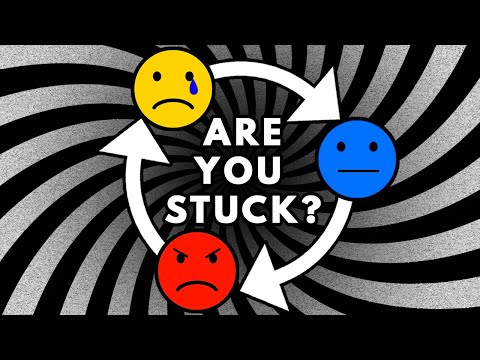
Are You Stuck in the Depression Loop?
0
林宜悉 posted on 2026/02/01Ever feel like you're stuck in a cycle? This video from Life Noggin breaks down the 'depression loop' and explores hopeful ways to break free, including insights on cognitive behavioral therapy and antidepressants. You'll pick up some great advanced vocabulary while learning about this important mental health topic!
Learn this video on the APP!
The VoiceTube App has more in-depth practice for videos!