
access
US /ˈæksɛs/
UK /'ækses/
- Noun (Countable/Uncountable)
- Way to enter a place, e.g. a station or stadium
- The opportunity or right to use something or to see someone.
- Transitive Verb
- To be able to use or have permission to use
A2TOEICMoreacquire
US /əˈkwaɪr/
UK /ə'kwaɪə(r)/
- Transitive Verb
- To get or earn something by thinking or working
- To develop or learn a skill, habit, or quality.
A2TOEICMoreacquisition
US /ˌækwɪˈzɪʃən/
UK /ˌækwɪˈzɪʃn/
- Noun (Countable/Uncountable)
- Process of acquiring; thing that is acquired
- A company or asset bought by another company.
B1TOEICMorealong with
US /əˈlɔŋ wɪð/
UK /əˈlɔŋ wið/
- Preposition
- In addition to; together with.
- Adverb
- In company or together with someone or something.
- Including; in addition to.
A2Moreamounted to
US
UK
- Phrasal Verb
- To have reached a total of; to be equal to.
- To have been the same as, or have had the same effect as.
A1Morearound the world
US /əˈraʊnd ði wɜrld/
UK /əˈraund ðə wɜː(r)ld/
- Phrase
- In or to many countries.
- In various places throughout the world.
A2Moreat a time
US /æt e taɪm/
UK /æt ə taim/
- Phrase
- Separately; one by one
- Simultaneously; together
A1Moreat best
US /æt bɛst/
UK /æt best/
- Phrase
- Under the most optimistic or favorable circumstances; the most that can be hoped for.
A1Moreat least
US /æt list/
UK /æt li:st/
- Adverb
- As a minimum
- Not less than
- Phrase
- No less than; at the minimum
- Used to indicate that something is positive in a bad situation.
C2Moreat scale
US
UK
- Phrase
- In large quantities; with significant reach or impact.
- Widely; extensively; with broad application.
A1Moreat some point
US /æt sʌm pɔɪnt/
UK /æt sʌm pɔint/
- Phrase
- At an unspecified time, usually in the future.
A1Moreat the same time
US
UK
- Phrase
- Simultaneously; at the identical moment.
- Nevertheless; however; used to introduce a contrasting or qualifying statement.
A1Moreat the tail
US /ət ðə ˈteɪl/
UK /ət ðə ˈteɪl/
- other
- At the end or last position in a line or group.
B2Moreat worst
US /æt wɚst/
UK /æt wə:st/
- Adverb
- If the most unfavorable outcome happens.
A1Morebased on
US
UK
- Phrasal Verb
- To use something as the foundation or starting point for something else.
- Preposition
- Using something as the main idea or foundation.
- Relying on something as evidence or justification.
A1Morebottle up
US /ˈbɑtl ʌp/
UK /ˈbɔtl ʌp/
- Phrasal Verb
- To deliberately not show a strong feeling or emotion.
A1Morebring to
US /brɪŋ tu/
UK /briŋ tu:/
- Phrasal Verb
- To make someone to wake up from being unconscious
A1Moreby extension
US /baɪ ɪkˈstɛnʃən/
UK /bai iksˈtenʃən/
- Phrase
- Using a word or phrase in a wider context than is usual, typically to include situations that are similar to the one that the word or phrase was originally used for.
A2Moreby now
US /baɪ naʊ/
UK /bai nau/
- Phrase
- At the present time or already; before the present.
A2Morecarry out
US /ˈkæri aʊt/
UK /ˈkæri aut/
- Phrasal Verb
- To fulfill or perform your instructions, duty
- Verb (Transitive/Intransitive)
- To perform or execute a task, order, or plan.
- To remove something or someone from a place.
A1Morecolonial
US /kəˈloʊniəl/
UK /kəˈləʊniəl/
- Adjective
- Of a system where one country controls another
B2Morecome from
US /kʌm frʌm/
UK /kʌm frɔm/
- Phrasal Verb
- To have as your native country or city
A1Moreconference
US /ˈkɑnfərəns, -frəns/
UK /ˈkɒnfərəns/
- Noun (Countable/Uncountable)
- Series of lectures held as an event
- An association of US sports teams
- Intransitive Verb
- To hold a discussion; consult.
A2Morecorruption
US /kəˈrʌpʃən/
UK /kəˈrʌpʃn/
- Uncountable Noun
- State of being damaged or spoiled
- Illegal, immoral dishonesty
B1Morecritical
US /ˈkrɪtɪkəl/
UK /ˈkrɪtɪkl/
- Adjective
- Making a negative judgment of something
- Being important or serious; vital; dangerous
A2Morecritical to
US
UK
- Adjective
- Extremely important or essential.
- Of decisive importance with reference to the outcome of something; vital.
B2Morecurrent
US /ˈkɚrənt, ˈkʌr-/
UK /'kʌrənt/
- Uncountable Noun
- Electricity flowing through wires
- Movement of water in a river, or air in the sky
- Adjective
- Happening or being in the present time
- In general use or accepted by most people.
A2Moredeal with
US /dil wɪð/
UK /di:l wið/
- Verb (Transitive/Intransitive)
- To buy or sell goods or services.
- Phrasal Verb
- To take action to solve a problem or manage a situation.
- To be about; concern.
A1Moredefense
US /dɪˈfɛns/
UK /dɪ'fens/
- Noun (Countable/Uncountable)
- Argument in support of something
- The process of protecting something from attack
B1TOEICMoredemand on
US
UK
- Noun
- A strong need or requirement that places a burden or strain.
B1Moredirect
US /dɪˈrɛkt, daɪ-/
UK /də'rekt/
- Transitive Verb
- To tell someone in a very clear way to do something
- To show the way by conducting or leading
- Adverb
- Coming straight from something
A2TOEICMoredue to
US /du tu/
UK /dju: tu:/
- Preposition
- Because of; owing to
- Adjective
- Attributable to; caused by.
A1Moreeffectively
US /ɪˈfɛktɪvli/
UK /ɪˈfektɪvli/
- Adverb
- In a way that produces the desired result
B1Moreenormous
US /ɪˈnɔrməs/
UK /iˈnɔ:məs/
- Adjective
- Huge; very big; very important
- Very great in size, amount, or degree.
A2Moreenter into
US /ˈɛntɚ ˈɪntu/
UK /ˈentə ˈɪntuː/
- Phrasal Verb
- To begin or become involved in something, such as an agreement or activity.
A1Moreentire
US /ɛnˈtaɪr/
UK /ɪn'taɪə(r)/
- Adjective
- Complete or full; with no part left out; whole
- Undivided; not shared or distributed.
A2TOEICMoreera
US /'ɪrə/
UK /'ɪərə/
- Noun
- Period characterized by particular events, people
- A major division of geological time, usually divided into periods.
B1Moreexcept for
US /ɪkˈsɛpt fɔr/
UK /ikˈsept fɔ:/
- Preposition
- Not including; excluding.
fight on
US
UK
- Phrasal Verb
- To continue fighting despite difficulties or setbacks.
A1Morefor all time
US /fɔr ɔl taɪm/
UK /fɔ: ɔ:l taim/
- Phrase
- Forever; eternally.
A1Morefor now
US /fɔr naʊ/
UK /fɔ: nau/
- Phrase
- Temporarily; for the present time.
- In the short term; for the immediate future.
A1Morefor sale
US /fɔr sel/
UK /fɔ: seil/
- Phrase
- (object) that people can buy
A2Morefor the world
US /fɚ ðə wɝld/
UK /fə ðə wɜ:ld/
- other
- Used to emphasize something would never happen.
B2Moregive it up
US
UK
- Phrasal Verb
- To stop trying to do something
A1Moregot to
US /ɡɑt tu/
UK /gɔt tu:/
- Verb (Transitive/Intransitive)
- To arrive at some place
- To have the opportunity or permission to do something
- Phrasal Verb
- To appeal to the emotions of; move
- To finally begin to start something after a delay
A1Moregraphite
US /ˈɡræfˌaɪt/
UK /ˈgræfaɪt/
- Uncountable Noun
- Black substance that is used in pencil lead
C1Morehave on
US /hæv ɑn/
UK /hæv ɔn/
- Phrasal Verb
- To be wearing something.
- To deceive or trick someone, often in a playful way.
A1Morehave to
US /hæv tu/
UK /ˈhæv tə/
- Auxiliary Verb
- Must do
A1Morehold in
US /hold ɪn/
UK /həuld in/
- Phrasal Verb
- To hide your emotions and not let them show
A1Morehome in
US /ˈhoʊm ɪn/
UK /ˈhəum ɪn/
- other
- Move or direct toward a specific target or goal.
B2Morein exchange for
US /ɪn ɪksˈtʃendʒ fɔr/
UK /in iksˈtʃeindʒ fɔ:/
- Phrase
- Given or done as an equivalent or substitute for.
B1Morein order to
US /ɪn ˈɔrdɚ tu/
UK /in ˈɔ:də tu:/
- Preposition
- For the purpose of; with the aim of.
- Phrase
- In a specific sequence or arrangement.
- With the aim of; for the purpose of.
C1Morein power
US /ɪn ˈpaʊɚ/
UK /in ˈpauə/
- Adjective
- Having control of a country or organization.
- Phrase
- During a period of holding authority or control.
B1Morein the end
US /ɪn ði ɛnd/
UK /in ðə end/
- Phrase
- Finally; after a period of time or series of events.
- Ultimately; as the final result or consequence.
A1MoreIn the event of
US
UK
- Phrase
- If something happens, especially something undesirable
A1Morein the first place
US
UK
- Phrase
- To begin with; as the first point or consideration.
- From the beginning; initially.
A1Morein the future
US /ɪn ði ˈfjutʃɚ/
UK /in ðə ˈfju:tʃə/
- Phrase
- At a later time; in times to come.
A1Morein the presence of
US /ɪn ðə ˈprɛzəns ʌv/
UK /in ðə ˈprezəns ɔv/
- Preposition
- While someone or something else is present.
B1Morein the world
US /ɪn ði wɜrld/
UK /in ðə wɜː(r)ld/
- Phrase
- Used to emphasize a question expressing surprise, confusion, disbelief
- Used to indicate the extent or degree of something, often in a superlative sense
A1Morein theory
US /ɪn ˈθiəri/
UK /in ˈθiəri/
- Adverb
- According to the stated ideas or principles
- Phrase
- According to the theoretical possibilities rather than actual practice.
B2Morein total
US /ɪn ˈtotl/
UK /in ˈtəutəl/
- Phrase
- Completely; with everything added together.
A1Moreinstead of
US /ɪnˈstɛd ʌv/
UK /inˈsted ɔv/
- Preposition
- When one thing is replaced by another
- Adverb
- As a substitute or alternative.
A1Moreinvasion
US /ɪnˈveʒən/
UK /ɪnˈveɪʒn/
- Uncountable Noun
- Entry into a place to cause harm
- An unwelcome intrusion into another's domain.
B1Moreinvestigation
US /ɪnˌvɛstɪˈɡeʃən/
UK /ɪnˌvestɪ'ɡeɪʃn/
- Noun (Countable/Uncountable)
- Search for information about something
B1Moreknow about
US /noʊ əˈbaʊt/
UK /nəʊ əˈbaut/
- Phrasal Verb
- To have information or understanding of a subject or situation.
lead to
US /lid tu/
UK /li:d tu:/
- Phrasal Verb
- To result in some action
- Verb (Transitive/Intransitive)
- To have something as a consequence or result.
A1Moremaritime
US /ˈmærɪˌtaɪm/
UK /ˈmærɪtaɪm/
- Adjective
- Concerning sailing, ships
- Being next to or near the sea
- Noun
- The branch of law concerning ships and shipping.
B2Moremassive
US /ˈmæsɪv/
UK /ˈmæsɪv/
- Adjective
- Very big; large; too big
- Large or imposing in scale or scope.
B1Moremilitary
US /ˈmɪlɪˌtɛri/
UK /'mɪlətrɪ/
- Noun
- Army or armed forces
- Adjective
- Concerning the army or navy
B1Moremineral
US /ˈmɪnərəl/
UK /'mɪnərəl/
- Noun (Countable/Uncountable)
- Substance naturally formed in the ground
B1Moremining
US /ˈmaɪnɪŋ/
UK /ˈmaɪnɪŋ/
- Transitive Verb
- To place a bomb in the ground or the sea
- To dig into the earth or sea to obtain minerals
- Uncountable Noun
- Act of digging to get coal, gold, silver etc.
B2Moremove away
US /muv əˈwe/
UK /mu:v əˈwei/
- Phrasal Verb
- To relocate; to go and live in a different place.
- To physically create distance; to step back or aside.
A2Moreof course
US /ʌv kɔː(r)s/
UK /ɔv kɔː(r)s/
- Adverb
- Sure ; Certainly
- Phrase
- For sure; certainly
A2Moreof theirs
US /ʌv ðɛrz/
UK /əv ðeəz/
- other
- Belonging to them; their possession or property.
A2Moreoff of
US /ɔf ʌv/
UK /ɔf ɔv/
- Preposition
- From a position on something; down from.
A1Moreoff the ground
US /ɔf ði ɡraʊnd/
UK /ɔf ðə ɡraund/
- Phrase
- Having started or begun to operate or succeed.
- Airborne; having left the ground.
A1Moreon the ground
US
UK
- Phrase
- Located on the surface of the earth.
- Present and available in a particular place, especially to deal with a situation.
on the road
US /ɑn ði rəʊd/
UK /ɔn ðə roʊd/
- Phrase
- Traveling, especially as part of a tour or journey.
- Making progress; advancing towards a goal.
- Idiom
- Making progress towards a goal or achievement.
A1Moreon the table
US /ɑn ði ˈtebəl/
UK /ɔn ðə ˈteibl/
- Phrase
- Located on the surface of a table.
- Available for consideration or discussion.
A1Moreout there
US /aʊt ðɛr/
UK /aut ðɛə/
- Adverb
- In or to a place that is far away
- Existing in the universe
- Adjective
- Unconventional; strange; avant-garde
- Existing or available.
A1Moreoutside of
US /aʊtˈsaɪd ʌv/
UK /ˌautˈsaid ɔv/
- Preposition
- Located or situated beyond the boundaries or confines of something.
- Beyond the scope, range, or limits of something.
A1Moreover to
US
UK
- Preposition
- Used to hand over to someone else to speak
- The responsibility is now yours
parliament
US /ˈpɑrləmənt/
UK /ˈpɑ:ləmənt/
- Noun
- Elected officials who govern a country (in the UK)
- Period when the Uk government is in session
A2Morepass through
US /pæs θru/
UK /pɑ:s θru:/
- Phrasal Verb
- To experience something, often unpleasant or difficult.
- To go through something; to move from one side to the other of something.
A2Morepassed by
US
UK
- Phrasal Verb
- Went past someone or something.
- Elasped; time went by.
C2Moreper year
US
UK
- Phrase
- For each year; annually.
A2Morepersonal data
US
UK
- Noun (Countable/Uncountable)
- Information that relates to an identifiable individual.
B2Morephone number
US
UK
- Countable Noun
- A sequence of digits assigned to a telephone subscriber, used to make a call to that phone.
A1Morepopulation
US /ˌpɑpjəˈleʃən/
UK /ˌpɒpjuˈleɪʃn/
- Noun (Countable/Uncountable)
- Number of people who live in a country, area etc.
- A group of individuals of one species living in a particular area.
A2TOEICMorepotential
US /pəˈtɛnʃəl/
UK /pəˈtenʃl/
- Adjective
- Capable of happening or becoming reality
- Having or showing the capacity to develop into something in the future.
- Uncountable Noun
- someone's or something's ability to develop, achieve, or succeed
A2TOEICMorepurchase
US
UK
- Transitive Verb
- To buy something; to get by paying money for it
- Noun (Countable/Uncountable)
- Something that you bought
- Strong hold on something; grip
A2TOEICMorepursue
US /pɚˈsu/
UK /pə'sju:/
- Transitive Verb
- To follow and try to catch, or to reach a goal
- To try to achieve or get something over time
B1TOEICMorerather than
US
UK
- Adverb
- More exactly; more correctly
- Preferably; instead
- Preposition
- Instead of
A1Morereferendum
US /ˌrɛfəˈrɛndəm/
UK /ˌrefəˈrendəm/
- Noun
- Public vote on an issue
B2Moreregardless of
US /rɪˈɡɑrdlɪs ʌv/
UK /riˈɡɑ:dlis ɔv/
- Phrase
- Preposition
- Without being affected or influenced by something; despite.
A2Morerely upon
US /rɪˈlaɪ əˈpɑn/
UK /riˈlai əˈpɔn/
- Phrasal Verb
- To depend on someone or something; to trust or have confidence in.
B1Moreremain
US /rɪˈmen/
UK /rɪˈmeɪn/
- Intransitive Verb
- To be left behind; to continue to exist
- To stay in a place when other people have gone
A2TOEICMorerequire
US /rɪˈkwaɪr/
UK /rɪ'kwaɪə(r)/
- Transitive Verb
- To demand that someone does something
- To need to do something, to make it necessary
A2TOEICMoreroughly
US /ˈrʌflɪ/
UK /ˈrʌfli/
- Adverb
- Approximately; (of numbers) about; around
- In a manner that is violent or not careful
B1Morerule in
US
UK
- Phrasal Verb
- To make an official decision in favor of someone in a legal case.
B1Morerule out
US /rul aʊt/
UK /ru:l aut/
- Phrasal Verb
- To eliminate as a possibility; exclude.
A1Moresame time
US
UK
- Phrase
- Occurring simultaneously or at the same point in time.
- At the identical time as before; recurring at a fixed hour.
- Noun
- An equal duration or period.
A1Morescale
US /skel/
UK /skeɪl/
- Noun (Countable/Uncountable)
- Size, level, or amount when compared
- Small hard plates that cover the body of fish
- Verb (Transitive/Intransitive)
- To change the size of but keep the proportions
- To climb something large (e.g. a mountain)
A2TOEICMoresee in
US /si ɪn/
UK /si: in/
- Phrasal Verb
- To accompany someone to the entrance of a building or room.
A1Moreset to
US /sɛt tu/
UK /set tu:/
- Phrasal Verb
- To energetically begin to do, e.g. making a fire
A1Moreset up
US /sɛt ʌp/
UK /set ʌp/
- Phrasal Verb
- To make arrangements for something; establish
- Verb (Transitive/Intransitive)
- To arrange or prepare something for use.
- To start a business, organization, etc.
A1Moreshift in
US
UK
- Phrasal Verb
- A change or alteration in something.
B2Morespam
US /spæm/
UK /spæm/
- Transitive Verb
- To send (someone) unwanted email
- Uncountable Noun
- Unwanted email, often commercial in nature
B2Morespeak of
US /spik ʌv/
UK /spi:k ɔv/
- Phrasal Verb
- To mention someone or something in conversation.
B1Morespeed up
US /spid ʌp/
UK /spi:d ʌp/
- Phrasal Verb
- To move more quickly
A2Morespur on
US /spɚ ɑn/
UK /spə: ɔn/
- Phrasal Verb
- To encourage someone to continue trying to do or achieve something.
C2Morespy on
US /spaɪ ɑn/
UK /spai ɔn/
- Phrasal Verb
- To secretly watch someone in order to gather information about them.
stick with
US /stɪk wɪð/
UK /stik wið/
- Phrasal Verb
- To continue to support or stay loyal to someone or something.
- To continue doing or using something; to persevere.
A1Moreterritory
US /ˈtɛrɪˌtɔri, -ˌtori/
UK /'terətrɪ/
- Noun (Countable/Uncountable)
- Area of land defended by an animal
- Area of particular knowledge or experience
B1TOEICMorethe following
US
UK
- Adjective
- Next in order or sequence.
- Uncountable Noun
- What is about to be said or written.
B1Moreto the point
US /tu ði pɔɪnt/
UK /tu: ðə pɔint/
- Adjective
- Expressing something directly and without unnecessary detail.
- Phrase
- Relevant and pertinent to the matter at hand.
A2Moreultimately
US /ˈʌltəmɪtli/
UK /ˈʌltɪmətli/
- Adverb
- Done or considered as the final and most important
- Fundamentally; at the most basic level.
B1TOEICMoreup there
US /ʌp ðɛr/
UK /ʌp ðɛə/
- Adverb
- In or to a higher place or position; far away.
- In heaven.
A1Moreused to
US /juzd tu/
UK /ˈju:st tə/
- Adjective
- Did regularly before, but don't do now
- Auxiliary Verb
- Have done before, but do not do now
A1Morevaluable
US /ˈvæljuəbəl, ˈvæljə-/
UK /ˈvæljuəbl/
- Adjective
- Being useful or important
- Being worth a lot of money
B1TOEICMorewith it
US /wɪð ɪt/
UK /wið it/
- Adjective
- Intelligent, alert, and up-to-date.
- Understanding and knowledgeable about current trends or information.
A1Morewith time
US
UK
- Phrase
- As time passes; eventually.
- Given enough time; in the course of time.
A1Morework in
US /wɚk ɪn/
UK /wə:k in/
- Phrasal Verb
- To make an opening for something in your schedule
- To fit person/thing into a schedule or sequence
A1Morework on
US /wɚk ɑn/
UK /wə:k ɔn/
- Phrasal Verb
- To devote effort to improve or develop something
- To try to persuade or influence someone.
A1More
Vocabulary
- in order to: For the purpose of; with the aim of.
- of course: Sure ; Certainly
- off of: From a position on something; down from.
- around the world: In or to many countries.
- same time: Occurring simultaneously or at the same point in time.
- in exchange for: Given or done as an equivalent or substitute for.
- for sale: (object) that people can buy
- at a time: Separately; one by one
- rather than: More exactly; more correctly
- the following: Next in order or sequence.
- pass through: To experience something, often unpleasant or difficult.
- at least: As a minimum
- to the point: Expressing something directly and without unnecessary detail.
- in the future: At a later time; in times to come.
- critical to: Extremely important or essential.
- per year: For each year; annually.
- work in: To make an opening for something in your schedule
- come from: To have as your native country or city
- hold in: To hide your emotions and not let them show
- personal data: Information that relates to an identifiable individual.
- home in: Move or direct toward a specific target or goal.
- in the first place: To begin with; as the first point or consideration.
- give it up: To stop trying to do something
- rule out: To eliminate as a possibility; exclude.
- regardless of
- in power: Having control of a country or organization.
- of theirs: Belonging to them; their possession or property.
- except for: Not including; excluding.
- over to: Used to hand over to someone else to speak
- at the tail: At the end or last position in a line or group.
- passed by: Went past someone or something.
- in the end: Finally; after a period of time or series of events.
- instead of: When one thing is replaced by another
- spy on: To secretly watch someone in order to gather information about them.
- up there: In or to a higher place or position; far away.
- set up
- have to: Must do
- rule in: To make an official decision in favor of someone in a legal case.
- on the ground: Located on the surface of the earth.
- In the event of: If something happens, especially something undesirable
- rely upon: To depend on someone or something; to trust or have confidence in.
- bottle up: To deliberately not show a strong feeling or emotion.
- by now: At the present time or already; before the present.
- by extension: Using a word or phrase in a wider context than is usual, typically to include situations that are similar to the one that the word or phrase was originally used for.
- for the world: Used to emphasize something would never happen.
- in total: Completely; with everything added together.
- outside of: Located or situated beyond the boundaries or confines of something.
- along with: In addition to; together with.
- at scale: In large quantities; with significant reach or impact.
- off the ground: Having started or begun to operate or succeed.
- speak of: To mention someone or something in conversation.
- have on: To be wearing something.
- for now: Temporarily; for the present time.
- based on: To use something as the foundation or starting point for something else.
- amounted to: To have reached a total of; to be equal to.
- set to: To energetically begin to do, e.g. making a fire
- at some point: At an unspecified time, usually in the future.
- shift in: A change or alteration in something.
- enter into: To begin or become involved in something, such as an agreement or activity.
- due to: Because of; owing to
- speed up: To move more quickly
- stick with: To continue to support or stay loyal to someone or something.
- spur on: To encourage someone to continue trying to do or achieve something.
- see in: To accompany someone to the entrance of a building or room.
- with time: As time passes; eventually.
- in the presence of: While someone or something else is present.
- move away: To relocate; to go and live in a different place.
- in theory: According to the stated ideas or principles
- with it: Intelligent, alert, and up-to-date.
- bring to: To make someone to wake up from being unconscious
- on the road: Traveling, especially as part of a tour or journey.
- for all time: Forever; eternally.
- demand on: A strong need or requirement that places a burden or strain.
- in the world: Used to emphasize a question expressing surprise, confusion, disbelief
- on the table: Located on the surface of a table.
- used to: Did regularly before, but don't do now
- know about: To have information or understanding of a subject or situation.
- phone number: A sequence of digits assigned to a telephone subscriber, used to make a call to that phone.
- lead to: To result in some action
- at best: Under the most optimistic or favorable circumstances; the most that can be hoped for.
- at worst: If the most unfavorable outcome happens.
- fight on: To continue fighting despite difficulties or setbacks.
- deal with
- work on: To devote effort to improve or develop something
- got to: To arrive at some place
- carry out
- out there: In or to a place that is far away
- at the same time: Simultaneously; at the identical moment.
- ultimately: Done or considered as the final and most important
- entire: Complete or full; with no part left out; whole
- potential: Capable of happening or becoming reality
- massive: Very big; large; too big
- enormous: Huge; very big; very important
- access: Way to enter a place, e.g. a station or stadium
- critical: Making a negative judgment of something
- scale: Size, level, or amount when compared
- pursue: To follow and try to catch, or to reach a goal
- force: Group of persons trained for military action; army
- acquire: To get or earn something by thinking or working
- current: Electricity flowing through wires
- parliament: Elected officials who govern a country (in the UK)
- roughly: Approximately; (of numbers) about; around
- territory: Area of land defended by an animal
- increase: To make or become larger in size or amount
- conference: Series of lectures held as an event
- military: Army or armed forces
- effectively: In a way that produces the desired result
- remain: To be left behind; to continue to exist
- direct: To tell someone in a very clear way to do something
- valuable: Being useful or important
- acquisition: Process of acquiring; thing that is acquired
- require: To demand that someone does something
- purchase: To buy something; to get by paying money for it
- population: Number of people who live in a country, area etc.
- interest: Best or most advantageous thing for someone
- corruption: State of being damaged or spoiled
- era: Period characterized by particular events, people
- suggest: To mention something that could be done; propose
- invasion: Entry into a place to cause harm
- defense: Argument in support of something
- investigation: Search for information about something
- mineral: Substance naturally formed in the ground
- control: A device designed to operate a machine
- referendum: Public vote on an issue
- government: Group of people and system that rule a nation
- maritime: Concerning sailing, ships
- legal: Concerning the law; allowed by law
- spam: To send (someone) unwanted email
- future: Time that is to come after the present
- colonial: Of a system where one country controls another
- mining: To place a bomb in the ground or the sea
- world: All the humans, events, activities on the earth
- time: Speed at which music is played; tempo
- country: An area of land that is controlled by a government
- begin: To do the first part of an action; to start
- long: Person's name
- center: Community place people go health or social reasons
- soviet: Elected government council in a communist country
- graphite: Black substance that is used in pencil lead
Get the full experience in the app
Learn anywhere with detailed sentence and usage analysis
01:03
She took a brave step forward, leaving behind her comfort zone to chase her dreams.
Vocabulary
- brave
adj. Having courage
- comfort zone
phr. A familiar situation where one feels safe
Explanation
a brave step is a noun phrase, where brave is an adjective modifying the noun step, meaning "a courageous step".
forward is an adverb modifying step, meaning "ahead".
The whole phrase serves as the object, answering the "what" of took (verb) — she took a brave step forward.
Get the full experience in the app
Look up words anytime with pronunciation, part of speech, and usage
brave
US/brev/
UK/breɪv/
adj.Brave
v.t.To bravely face
A2 Elementary
Get the full experience in the app
Practice speaking anytime and get instant pronunciation feedback
Try this speaking exercise.
Try practicing with this sentence.
80
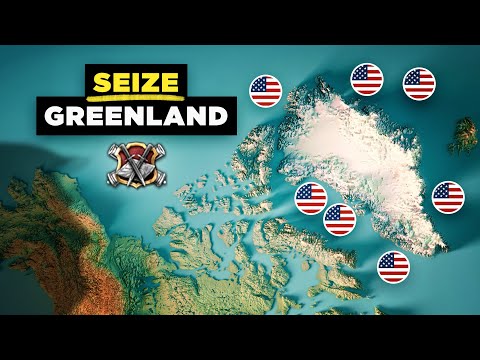
The Real Reason Trump is Threatening to Seize Greenland
0
林宜悉 posted on 2026/01/27Ever wondered why Trump was so interested in Greenland? This video dives deep into the fascinating geopolitics and Arctic resources surrounding the island, explaining the real reasons behind the headlines. You'll pick up advanced vocabulary related to international relations and gain a richer understanding of global strategic interests!
Learn this video on the APP!
The VoiceTube App has more in-depth practice for videos!