
a couple hundred
US
UK
- Determiner
- Approximately two hundred.
- Phrase
- A small number of hundreds; more than one hundred but not many.
A2Moreaccess
US /ˈæksɛs/
UK /'ækses/
- Noun (Countable/Uncountable)
- Way to enter a place, e.g. a station or stadium
- The opportunity or right to use something or to see someone.
- Transitive Verb
- To be able to use or have permission to use
A2TOEICMoreall the things
US
UK
- Pronoun
- Everything; all items or aspects
- Determiner
- Every item or object being considered or discussed.
A1Moreapart from
US /əˈpɑrt frʌm/
UK /əˈpɑ:t frɔm/
- Preposition
- Except for; not considering
- In addition to; as well as
as well as
US /æz wɛl æz/
UK /æz wel æz/
- Adverb
- Also; in addition to
- Preposition
- In addition to; and also.
A1Moreat least
US /æt list/
UK /æt li:st/
- Adverb
- As a minimum
- Not less than
- Phrase
- No less than; at the minimum
- Used to indicate that something is positive in a bad situation.
C2Moreat risk
US
UK
- Phrase
- In danger; likely to be harmed
bob
US /bɑ:b/
UK /bɒb/
- Intransitive Verb
- To move up and down repeatedly
- Proper Noun
- Person's name
B2Moreby no means
US
UK
- Phrase
- Certainly not; in no way.
A1Morecomment
US /ˈkɑmɛnt/
UK /'kɒment/
- Noun (Countable/Uncountable)
- Something you say, giving an opinion; remark
- An explanatory note in a computer program.
- Verb (Transitive/Intransitive)
- To say something that gives your opinion
- To add explanatory notes to a computer program.
A2Morecreature
US /ˈkritʃɚ/
UK /ˈkri:tʃə(r)/
- Noun (Countable/Uncountable)
- Animal of any type
- An animal, as distinct from a human being.
A2Morecure
US /kjʊr/
UK /kjʊə(r)/
- Noun
- Something that solves a problem or makes it better
- Medical treatment making a sick person healthy
- Transitive Verb
- To fix or improve a problem
- To make someone healthy or make a disease go away
B1Moredebate
US / dɪˈbet/
UK /dɪ'beɪt/
- Noun (Countable/Uncountable)
- General public discussion of a topic
- A formal event where two sides discuss a topic
- Verb (Transitive/Intransitive)
- To consider options before making a decision
- To take part in a formal discussion
A2TOEICMoredecline
US /dɪˈklaɪn/
UK /dɪ'klaɪn/
- Intransitive Verb
- To bend towards the ground
- To slope downward.
- Verb (Transitive/Intransitive)
- To lessen in quality or value
A2TOEICMoredescription
US /dɪˈskrɪpʃən/
UK /dɪˈskrɪpʃn/
- Noun
- Explanation of what something is like, looks like
- The type or nature of someone or something.
A2TOEICMoredisease
US /dɪˈziz/
UK /dɪˈzi:z/
- Noun (Countable/Uncountable)
- Illness that affects a person, animal, or plant
- A disorder of structure or function in a plant, especially one caused by a pathogen.
- Transitive Verb
- To affect with disease; to corrupt or sicken.
A2TOEICMoredonate
US /ˈdoˌnet, doˈnet/
UK /dəʊ'neɪt/
- Transitive Verb
- To give money, etc. to charity, party, etc.
B1TOEICMoredormant
US /ˈdɔrmənt/
UK /ˈdɔ:mənt/
- Adjective
- Temporarily not active/growing
- (of a disease) Present but not active or causing symptoms.
C1TOEICMoredue to
US /du tu/
UK /dju: tu:/
- Preposition
- Because of; owing to
- Adjective
- Attributable to; caused by.
A1Moreexplore
US /ɪkˈsplɔr/
UK /ɪk'splɔ:(r)/
- Transitive Verb
- To examine something in detail to learn about it
- To travel to a place to discover more about it
A2TOEICMorefor example
US
UK
- Phrase
- As an illustration or instance.
freak
US /friːk/
UK /friːk/
- Adjective
- (Of weather, etc.) unusual; unpredictable; amazing
- Noun
- A person, animal, or event that is physically abnormal, very unusual, or unlike others.
- A person with an unusual appearance or behaviour.
B2Moregenetic
US /dʒəˈnɛtɪk/
UK /dʒəˈnetɪk/
- Adjective
- Of, relating to, or controlled by genes
- Relating to genes or heredity.
B1Morego on
US /ɡo ɑn/
UK /ɡəu ɔn/
- Phrasal Verb
- To continue doing something
- To happen (usually negative)
- Interjection
- Used to encourage someone
A1Morehave to
US /hæv tu/
UK /ˈhæv tə/
- Auxiliary Verb
- Must do
A1Moreillustrate
US /ˈɪləˌstret, ɪˈlʌsˌtret/
UK /ˈɪləstreɪt/
- Transitive Verb
- To supply pictures to go along with words
- To be an example that explains or proves something
A2TOEICMoreimmune
US /ɪˈmjoon/
UK /ɪˈmju:n/
- Adjective
- Having a special protection from, e.g. the law
- Protected against a particular disease or condition because of antibodies or vaccination.
B1Morein addition to
US /ɪn əˈdɪʃən tu/
UK /in əˈdiʃən tu:/
- Preposition
- Besides; as well as
- Phrase
- Besides; as well as.
- Furthermore; moreover.
B1Morein blood
US /ɪn blʌd/
UK /in blʌd/
- other
- Covered or stained with blood, literally or figuratively.
C2Morein fact
US /ɪn fækt/
UK /in fækt/
- Adverb
- Used to emphasize the truth of a statement, especially one that contrasts with or contradicts something else.
- Used to introduce a more detailed or surprising piece of information.
- Phrase
- Used to emphasize the truth of a statement, especially one that is surprising or contrary to what might be expected.
C1Morein general
US /ɪn ˈdʒɛnərəl/
UK /in ˈdʒenərəl/
- Phrase
- Typically; usually; on the whole.
- Not specific or detailed; broadly.
- Adjective
- Not detailed or specific; overall.
C2Morein the past
US
UK
- Phrase
- During a former period of time; previously.
A1Morein the world
US /ɪn ði wɜrld/
UK /in ðə wɜː(r)ld/
- Phrase
- Used to emphasize a question expressing surprise, confusion, disbelief
- Used to indicate the extent or degree of something, often in a superlative sense
A1Moreinfect
US /ɪnˈfɛkt/
UK /ɪn'fekt/
- Transitive Verb
- To introduce a computer virus to
- To give a disease, bacteria or virus to
B1Morekill me
US
UK
- Interjection
- An exaggerated expression of frustration or annoyance.
- Phrase
- A direct request to end one's life, often due to unbearable suffering.
A2Morelogo
US /ˈloˌɡo/
UK /'ləʊɡəʊ/
- Noun
- Name, symbol or picture which represents a company
B2TOEICMoremalaria
US /məˈlɛriə/
UK /məˈleəriə/
- Noun
- Disease caused by being bitten by a mosquito
B2Moremerger
US /ˈmədʒɚ/
UK /'mɜ:dʒə(r)/
- Noun (Countable/Uncountable)
- Combination of two or more companies into one
B1TOEICMoremosquito
US /məˈski:toʊ/
UK /məˈski:təʊ/
- Countable Noun
- Small flying insect which sucks blood
B1Moreon sale
US /ɑn sel/
UK /ɔn seil/
- Adjective
- Available at a reduced price
- Available to be bought
A2Moreorgan
US /ˈɔrɡən/
UK /'ɔ:ɡən/
- Noun (Countable/Uncountable)
- Part of a person's body with a particular function
- Large institution or body
B1Moreoverly
US /ˈoʊvərli/
UK /ˈəʊvəli/
- Adverb
- To a degree exceeding normal or proper limits
B2Moreparasite
US /ˈpærəˌsaɪt/
UK /'pærəsaɪt/
- Noun (Countable/Uncountable)
- Small animal or plant living off a bigger one
- One who depends on someone else, without working
B2Morepreventative
US /prɪˈvɛntətɪv/
UK /prɪ'ventətɪv/
- Adjective
- Intended to stop something bad from happening
- Noun
- Something that is intended to stop something from happening.
- A medicine or treatment intended to prevent a disease or condition.
B1Moreproceed
US /proʊˈsi:d/
UK /prəˈsi:d/
- Verb (Transitive/Intransitive)
- To continue to do something; carry on
- To go forward in a certain direction
A2TOEICMorerelate
US /rɪˈlet/
UK /rɪ'leɪt/
- Transitive Verb
- To demonstrate a logical relationship between
- To understand or sympathize with, e.g. a problem
A2TOEICMoreresponsible
US / rɪˈspɑnsəbəl/
UK /rɪ'spɒnsəbl/
- Adjective
- Being the cause of something that has occurred
- Having the duty of dealing with something
A2TOEICMoreresult
US /rɪˈzʌlt/
UK /rɪ'zʌlt/
- Noun
- Something produced through tests or experiments
- Final score of a competition, election or game
- Intransitive Verb
- To be the outcome of other causes and effects
- To happen or exist as a consequence of something.
A2Moreresult in
US /rɪˈzʌlt ɪn/
UK /riˈzʌlt in/
- Phrasal Verb
- To cause or produce as a consequence.
rookie
US /ˈrʊki/
UK /ˈrʊki/
- Noun (Countable/Uncountable)
- New to doing something; beginner
- A first-year player on a professional sports team.
- Adjective
- Inexperienced; new.
B2Moreshake up
US /ʃek ʌp/
UK /ʃeik ʌp/
- Phrasal Verb
- To completely rethink or reorganize something
A2Moresneeze
US /sniz/
UK /sni:z/
- Noun
- Act of air suddenly being forced out of nose/mouth
- Intransitive Verb
- To suddenly force air out of nose/mouth
B1Moresponsor
US /ˈspɑ:nsə(r)/
UK /ˈspɒnsə(r)/
- Noun
- Person that supports the passage of a new law
- Person giving money for someone's education
- Transitive Verb
- To support the passage of a new law
- To help someone succeed by giving them money
B1TOEICMorestand apart
US
UK
- Phrasal Verb
- To be noticeably different or better than others.
B1Moretalking about
US
UK
- Phrasal Verb
- To discuss a particular topic.
- To be constantly mentioning or bringing up a subject.
A1Moretoll
US /tol/
UK /təʊl/
- Noun (Countable/Uncountable)
- Sound that a big bell makes, when it is rung
- Number of people hurt or killed in a disaster
- Intransitive Verb
- (Bell) to ring in a slow, loud and repeated way
B2TOEICMoretreatment
US /ˈtritmənt/
UK /ˈtri:tmənt/
- Noun (Countable/Uncountable)
- Medicine or method to make someone healthier
- Way someone acts toward another
A2TOEICMoretriangle
US /ˈtraɪˌæŋɡəl/
UK /ˈtraɪæŋgl/
- Noun
- Three people connected with each in a relationship
- A three-sided piece of metal used in orchestras
B1TOEICMoretuberculosis
US /tu:ˌbɜ:rkjəˈloʊsɪs/
UK /tju:ˌbɜ:kjuˈləʊsɪs/
- Uncountable Noun
- Disease affecting especially the lungs
C2Moreunavoidable
US /ˌʌnəˈvɔɪdəbəl/
UK /ˌʌnəˈvɔɪdəbl/
- Adjective
- That cannot prevent from happening
B1Moreunlock
US /ʌnˈlɑk/
UK /ˌʌn'lɒk/
- Transitive Verb
- To use a key or code to open something
B1TOEICMorevisual
US /ˈvɪʒuəl/
UK /'vɪʒʊəl/
- Adjective
- Of or relating to vision
- Noun
- Pictures/images used to help audience understand
- A picture, map, piece of film, or other visual representation.
A2Morewhale
US /hwel, wel/
UK /weɪl/
- Transitive Verb
- To strike forcefully, e.g. as a punishment
- To hunt and catch whales
- Countable Noun
- a very large sea mammal that breathes air through a hole at the top of its head and looks like a giant fish
B1More
Vocabulary
- kill me: An exaggerated expression of frustration or annoyance.
- talking about: To discuss a particular topic.
- a couple hundred: Approximately two hundred.
- as well as: Also; in addition to
- in fact: Used to emphasize the truth of a statement, especially one that contrasts with or contradicts something else.
- in blood: Covered or stained with blood, literally or figuratively.
- result in: To cause or produce as a consequence.
- in the past: During a former period of time; previously.
- by no means: Certainly not; in no way.
- at risk: In danger; likely to be harmed
- in general: Typically; usually; on the whole.
- in the world: Used to emphasize a question expressing surprise, confusion, disbelief
- due to: Because of; owing to
- have to: Must do
- at least: As a minimum
- shake up: To completely rethink or reorganize something
- in addition to: Besides; as well as
- for example: As an illustration or instance.
- apart from: Except for; not considering
- stand apart: To be noticeably different or better than others.
- on sale: Available at a reduced price
- go on: To continue doing something
- all the things: Everything; all items or aspects
- immune: Having a special protection from, e.g. the law
- access: Way to enter a place, e.g. a station or stadium
- debate: General public discussion of a topic
- description: Explanation of what something is like, looks like
- treat: To pay for the food or enjoyment of someone else
- disease: Illness that affects a person, animal, or plant
- decline: To bend towards the ground
- explore: To examine something in detail to learn about it
- comment: Something you say, giving an opinion; remark
- freak: (Of weather, etc.) unusual; unpredictable; amazing
- toll: Sound that a big bell makes, when it is rung
- genetic: Of, relating to, or controlled by genes
- result: Something produced through tests or experiments
- responsible: Being the cause of something that has occurred
- organ: Part of a person's body with a particular function
- risk: To do something potentially dangerous or foolish
- illustrate: To supply pictures to go along with words
- click: To work well with someone or something
- relate: To demonstrate a logical relationship between
- visual: Of or relating to vision
- cure: Something that solves a problem or makes it better
- treatment: Medicine or method to make someone healthier
- noggin: A human head
- proceed: To continue to do something; carry on
- receive: To get something someone has given or sent to you
- creature: Animal of any type
- dormant: Temporarily not active/growing
- learn: To get knowledge or skills by study or experience
- system: Set of organized, planned ideas that work together
- malaria: Disease caused by being bitten by a mosquito
- support: To give assistance or advice to someone
- overly: To a degree exceeding normal or proper limits
- parasite: Small animal or plant living off a bigger one
- sponsor: Person that supports the passage of a new law
- fail: To be unsuccessful in passing a class or exam
- sneeze: Act of air suddenly being forced out of nose/mouth
- world: All the humans, events, activities on the earth
- donate: To give money, etc. to charity, party, etc.
- tuberculosis: Disease affecting especially the lungs
- check: Paper showing how much you owe at a restaurant
- rookie: New to doing something; beginner
- life: All the living things e.g. animals, plants, humans
- fight: To argue or quarrel with someone about something
- whale: To strike forcefully, e.g. as a punishment
- full: Containing all the parts; complete
- mosquito: Small flying insect which sucks blood
- people: Persons sharing culture, country, background, etc.
- bob: To move up and down repeatedly
- infect: To introduce a computer virus to
- unavoidable: That cannot prevent from happening
- merger: Combination of two or more companies into one
- triangle: Three people connected with each in a relationship
- unlock: To use a key or code to open something
- preventative: Intended to stop something bad from happening
- logo: Name, symbol or picture which represents a company
Get the full experience in the app
Learn anywhere with detailed sentence and usage analysis
01:03
She took a brave step forward, leaving behind her comfort zone to chase her dreams.
Vocabulary
- brave
adj. Having courage
- comfort zone
phr. A familiar situation where one feels safe
Explanation
a brave step is a noun phrase, where brave is an adjective modifying the noun step, meaning "a courageous step".
forward is an adverb modifying step, meaning "ahead".
The whole phrase serves as the object, answering the "what" of took (verb) — she took a brave step forward.
Get the full experience in the app
Look up words anytime with pronunciation, part of speech, and usage
brave
US/brev/
UK/breɪv/
adj.Brave
v.t.To bravely face
A2 Elementary
Get the full experience in the app
Practice speaking anytime and get instant pronunciation feedback
Try this speaking exercise.
Try practicing with this sentence.
80
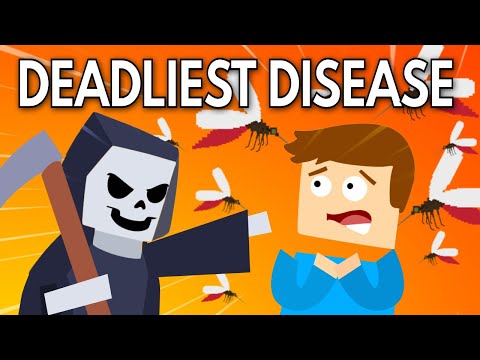
Disease & Aging Explored - The World's Deadliest Killers
0
林宜悉 posted on 2026/01/25Ever wondered what really causes death and disease? This video dives into the world's deadliest killers, from malaria to tuberculosis, and explores the science of aging, all with a touch of humor! You'll pick up tons of advanced vocabulary and gain fascinating knowledge about health and our world.
Learn this video on the APP!
The VoiceTube App has more in-depth practice for videos!