
abyss
US /əˈbɪs/
UK /əˈbɪs/
- Noun
- Very deep hole, as in the ground; bottomless pit
C1Moreaid
US /ed/
UK /eɪd/
- Transitive Verb
- To help others and provide things
- Noun (Countable/Uncountable)
- Action of giving help to others
- Money or help given to those who need it
A2TOEICMorealternative
US /ɔlˈtɚnətɪv, æl-/
UK /ɔ:lˈtɜ:nətɪv/
- Countable Noun
- Something different you can choose
- Adjective
- A different choice
A2TOEICMoreas well as
US /æz wɛl æz/
UK /æz wel æz/
- Adverb
- Also; in addition to
- Preposition
- In addition to; and also.
A1Moreblackout
US /ˈblækˌaʊt/
UK /'blækaʊt/
- Noun
- When the electric power is off; outage
- A temporary loss of consciousness, sight, or memory.
C1Morecontact
US /ˈkɑnˌtækt/
UK /'kɒntækt/
- Adjective
- Touching or feeling something
- Noun (Countable/Uncountable)
- Touching or feeling something
- Object that allows electricity to run through it
A2Morecorruption
US /kəˈrʌpʃən/
UK /kəˈrʌpʃn/
- Uncountable Noun
- State of being damaged or spoiled
- Illegal, immoral dishonesty
B1Morecriticise
US /'krɪtəˌsaɪz/
UK /'krɪtɪsaɪz/
- Transitive Verb
- To assess the work of others
- To say that someone or something is bad
B1Moreculture
US /ˈkʌltʃɚ/
UK /'kʌltʃə(r)/
- Noun (Countable/Uncountable)
- Beliefs and customs of a particular group
- The customs, beliefs, art, and all the other things that a group of people share and consider important.
- Transitive Verb
- To grow cells, tissues, bacteria, etc. in a controlled environment.
A2Morecut in
US /kʌt ɪn/
UK /kʌt in/
- Phrasal Verb
- To interrupt someone's conversation
- To enter a queue at the wrong place
A1Morecut off
US /kʌt ɔf/
UK /kʌt ɔf/
- Phrasal Verb
- To end a process, e.g. a phone call
- To cut the end of something
- Transitive Verb
- To isolate or prevent access to a place or person.
- To interrupt someone while they are speaking.
A1Moredebt
US /dɛt/
UK /det/
- Noun (Countable/Uncountable)
- Sum of money owed to someone that is not yet paid
- A moral or social obligation.
A2TOEICMoredepression
US /dɪˈprɛʃən/
UK /dɪ'preʃn/
- Noun (Countable/Uncountable)
- Medical condition of a lack of vitality
- Period of unemployment and low economic activity
B2Morediscrimination
US /dɪˌskrɪməˈneʃən/
UK /dɪˌskrɪmɪˈneɪʃn/
- Noun (Countable/Uncountable)
- Ability to recognize the difference between things
- Treating people unfairly due to race, age etc.
B1Moredisrupt
US /dɪsˈrʌpt/
UK /dɪsˈrʌpt/
- Transitive Verb
- To cause a disturbance in an activity in progress
B2TOEICMoredrag
US /dræɡ/
UK /dræɡ/
- Transitive Verb
- To reluctantly move or go somewhere
- To pull something heavy or difficult along the ground
- Noun (Countable/Uncountable)
- Force of air pushing back against a plane car etc.
- Boring or annoying thing/activity
A2Moreepisode
US /ˈɛpɪˌsod/
UK /'epɪsəʊd/
- Noun
- One separate event in a series of events
- Show which is part of a larger story
B1TOEICMoreescape
US /ɪˈskep/
UK /ɪ'skeɪp/
- Noun (Countable/Uncountable)
- Act to briefly ignoring boring or bad things
- The 'esc key' on a keyboard
- Verb (Transitive/Intransitive)
- To avoid something undesirable, dangerous or bad
- To get away from a place where you are being kept
A2Moreexpression
US /ɪkˈsprɛʃən/
UK /ɪk'spreʃn/
- Noun (Countable/Uncountable)
- Act of making your thoughts and feelings known
- Group of words that have a specific meaning
A2TOEICMorefor example
US
UK
- Phrase
- As an illustration or instance.
for now
US /fɔr naʊ/
UK /fɔ: nau/
- Phrase
- Temporarily; for the present time.
- In the short term; for the immediate future.
A1Moreforcefully
US /ˈfɔrsfəlɪ/
UK /'fɔ:sfəlɪ/
- Adverb
- Strongly; in a way intended to be effective
B1Moreforeign
US /ˈfɔ:rən/
UK /ˈfɒrən/
- Adjective
- Being of a different place or country
- Strange; different from ones found at home
A2TOEICMoreget out of
US /ɡɛt aʊt ʌv/
UK /ɡet aut ɔv/
- Phrasal Verb
- To leave or escape responsibilities, troubles
- To leave a small, enclosed vehicle
A1Moreheadline
US /ˈhedlaɪn/
UK /ˈhedlaɪn/
- Intransitive Verb
- To be the main performer at a show
- Noun
- Title summarizing a news story
B2Morehumanitarian
US /hju:ˌmænɪˈteriən/
UK /hju:ˌmænɪˈteəriən/
- Noun
- Person who tries to help those in a crisis
- Adjective
- Concerned with or seeking to promote human welfare.
B2Moreimmoral
US /ɪˈmɔ:rəl/
UK /ɪˈmɒrəl/
- Adjective
- Without good moral principles
B2Morein debt
US /ɪn dɛt/
UK /in det/
- Phrase
- State of owing money to a person or institution
- Adjective
- Owing money.
A2Moreindependent
US /ˌɪndɪˈpɛndənt/
UK /ˌɪndɪˈpendənt/
- Adjective
- Making your own decisions; acting by yourself
- Not connected with or influenced by something else.
- Noun
- A person not connected to a political party
- Someone who is independent, especially in politics or business.
A2TOEICMoreliteral
US /ˈlɪtərəl/
UK /ˈlɪtərəl/
- Adjective
- Being the basic exact meaning of a word/expression
- Being real and true and without exaggerating
B1Morelook at
US /lʊk æt/
UK /luk æt/
- Phrasal Verb
- To use your eyes to focus on something
- To focus your eyes on something carefully
A1Moremetaphor
US /ˈmɛtəˌfɔr, -fɚ/
UK /ˈmetəfə(r)/
- Noun
- Imaginative use of words to reveal a similarity
B1Moreonline
US /ˌɑ:nˈlaɪn/
UK /ˌɒnˈlaɪn/
- Adjective
- Connected to the internet
- Adverb
- Via the internet.
B1Morepanic
US /ˈpænɪk/
UK /'pænɪk/
- Uncountable Noun
- Overwhelming feeling of fear and anxiety
- Intransitive Verb
- To feel sudden anxiety and fear and cannot think
B1Moreprevent
US /prɪˈvɛnt/
UK /prɪ'vent/
- Transitive Verb
- To stop something from happening or existing
A2TOEICMoreput out
US /pʊt aʊt/
UK /put aut/
- Phrasal Verb
- To publish, e.g. a book
- To cause someone to be troubled or inconvenienced
A1Morequote
US /kwot/
UK /kwəʊt/
- Noun (Countable/Uncountable)
- Written statement of the cost of something
- The (often wise or famous) words of another person
- Transitive Verb
- To tell someone how much a task will cost
- To repeat precisely what a person said or wrote
A2TOEICMorerescue
US /ˈrɛskju/
UK /'reskju:/
- Transitive Verb
- To save someone who is in danger or in trouble
- To provide financial assistance to save a company or economy from collapse.
- Noun (Countable/Uncountable)
- Act of saving someone in danger or in trouble
- An act of saving someone or something from a dangerous or difficult situation.
A2TOEICMorerhino
US /ˈraɪno/
UK /'raɪnəʊ/
- Noun
- Large mammal with one or two horns on its nose
B2Moresearch for
US /sɚtʃ fɔr/
UK /sə:tʃ fɔ:/
- Phrasal Verb
- To try to find someone or something.
B1Moreserious money
US
UK
- Uncountable Noun
- A large or significant sum of money.
- A substantial investment or financial commitment.
B1Moreshutdown
US /ˈʃʌtˌdaʊn/
UK /ˈʃʌtdaʊn/
- Noun
- Termination of operations
C2Morestamp out
US /stæmp aʊt/
UK /stæmp aut/
- Phrasal Verb
- To get rid of or make disappear
A2Moresuffer
US / ˈsʌfɚ/
UK /'sʌfə(r)/
- Verb (Transitive/Intransitive)
- To experience pain, illness, or injury
- To allow or permit something, especially something unpleasant.
A2Moretalking about
US
UK
- Phrasal Verb
- To discuss a particular topic.
- To be constantly mentioning or bringing up a subject.
A1Moretreatment
US /ˈtritmənt/
UK /ˈtri:tmənt/
- Noun (Countable/Uncountable)
- Medicine or method to make someone healthier
- Way someone acts toward another
A2TOEICMoreunable
US /ʌnˈebəl/
UK /ʌnˈeɪbl/
- Adjective
- Not being able to do something
B1TOEICMoreunacceptable
US /ˌʌnɪkˈsɛptəbəl, -æk-/
UK /ˌʌnəkˈseptəbl/
- Adjective
- Not being or behaving in the correct or right way
B1Moreunavailable
US /ˌʌnəˈveləbəl/
UK /ˌʌnəˈveɪləbl/
- Adjective
- Not available, accessible, or at hand
- Not able to be used at a scheduled time
B1Moreused to
US /juzd tu/
UK /ˈju:st tə/
- Adjective
- Did regularly before, but don't do now
- Auxiliary Verb
- Have done before, but do not do now
A1Moreviolently
US /ˈvaɪələntlɪ/
UK /ˈvaɪələntli/
- Adverb
- In a forceful way that may cause physical damage
- In a manner involving the use of physical force to cause harm or damage
B1Morevocabulary
US /voˈkæbjəˌlɛri/
UK /və'kæbjələrɪ/
- Uncountable Noun
- Words that have to do with a particular subject
- The words that a person knows
B1TOEICMorevow
US /vaʊ/
UK /vaʊ/
- Countable Noun
- Very serious promise
- Verb (Transitive/Intransitive)
- To make a serious, often a religious, promise
B2Morewildlife
US /ˈwaɪldˌlaɪf/
UK /ˈwaɪldlaɪf/
- Uncountable Noun
- All wild animals
B1Moreworksheet
US
UK
- Noun
- Piece of paper showing work planned or done
C2More
Vocabulary
- stamp out: To get rid of or make disappear
- for example: As an illustration or instance.
- talking about: To discuss a particular topic.
- used to: Did regularly before, but don't do now
- look at: To use your eyes to focus on something
- cut off: To end a process, e.g. a phone call
- as well as: Also; in addition to
- cut in: To interrupt someone's conversation
- in debt: State of owing money to a person or institution
- put out: To publish, e.g. a book
- get out of: To leave or escape responsibilities, troubles
- serious money: A large or significant sum of money.
- search for: To try to find someone or something.
- for now: Temporarily; for the present time.
- episode: One separate event in a series of events
- depression: Medical condition of a lack of vitality
- alternative: Something different you can choose
- situation: Place, position or area that something is in
- quote: Written statement of the cost of something
- expression: Act of making your thoughts and feelings known
- panic: Overwhelming feeling of fear and anxiety
- vocabulary: Words that have to do with a particular subject
- describe: To tell the appearance, sound, smell of something
- metaphor: Imaginative use of words to reveal a similarity
- prevent: To stop something from happening or existing
- debt: Sum of money owed to someone that is not yet paid
- disrupt: To cause a disturbance in an activity in progress
- escape: Act to briefly ignoring boring or bad things
- mean: Average of a set of numbers
- suffer: To experience pain, illness, or injury
- discrimination: Ability to recognize the difference between things
- contact: Touching or feeling something
- independent: Making your own decisions; acting by yourself
- literal: Being the basic exact meaning of a word/expression
- aid: To help others and provide things
- drag: To reluctantly move or go somewhere
- corruption: State of being damaged or spoiled
- social: Involving activity with people, e.g. in free time
- treatment: Medicine or method to make someone healthier
- rescue: To save someone who is in danger or in trouble
- foreign: Being of a different place or country
- culture: Beliefs and customs of a particular group
- learn: To get knowledge or skills by study or experience
- promise: To say you will certainly do something
- programme: A plan or schedule of events
- government: Group of people and system that rule a nation
- humanitarian: Person who tries to help those in a crisis
- vow: Very serious promise
- step: Movement done as part of a particular dance
- blackout: When the electric power is off; outage
- difficult: Hard; not easy; you need to work hard to do it
- include: To make someone, something part of a group
- burn: To destroy with fire
- behaviour: The way a person or thing acts; manner
- country: An area of land that is controlled by a government
- lose: To be unable to keep in check or control something
- worksheet: Piece of paper showing work planned or done
- headline: To be the main performer at a show
- abyss: Very deep hole, as in the ground; bottomless pit
- wildlife: All wild animals
- unacceptable: Not being or behaving in the correct or right way
- violently: In a forceful way that may cause physical damage
- immoral: Without good moral principles
- unable: Not being able to do something
- criticise: To assess the work of others
- rhino: Large mammal with one or two horns on its nose
- unavailable: Not available, accessible, or at hand
- online: Connected to the internet
- forcefully: Strongly; in a way intended to be effective
- shutdown: Termination of operations
Get the full experience in the app
Learn anywhere with detailed sentence and usage analysis
01:03
She took a brave step forward, leaving behind her comfort zone to chase her dreams.
Vocabulary
- brave
adj. Having courage
- comfort zone
phr. A familiar situation where one feels safe
Explanation
a brave step is a noun phrase, where brave is an adjective modifying the noun step, meaning "a courageous step".
forward is an adverb modifying step, meaning "ahead".
The whole phrase serves as the object, answering the "what" of took (verb) — she took a brave step forward.
Get the full experience in the app
Look up words anytime with pronunciation, part of speech, and usage
brave
US/brev/
UK/breɪv/
adj.Brave
v.t.To bravely face
A2 Elementary
Get the full experience in the app
Practice speaking anytime and get instant pronunciation feedback
Try this speaking exercise.
Try practicing with this sentence.
80
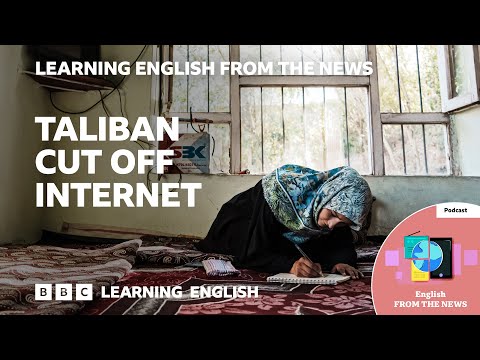
Taliban cut off internet: BBC Learning English from the News
0
林宜悉 posted on 2026/01/23Ever wondered what happens when the internet goes dark in a whole country? This BBC Learning English video dives into the Taliban's internet blackout in Afghanistan and its impact on human rights and women's education. You'll pick up crucial news vocabulary and gain a deeper understanding of this complex global issue!
Learn this video on the APP!
The VoiceTube App has more in-depth practice for videos!