
abide by
US /əˈbaɪd baɪ/
UK /əˈbaid bai/
- Phrasal Verb
- To follow a rule; adhere to
B2Moreabsolutely
US /ˈæbsəˌlutli, ˌæbsəˈlutli/
UK /ˈæbsəlu:tli/
- Adverb
- Completely; totally; very
- Considered independently and without relation to other things; viewed abstractly; as, quantity absolutely considered.
A2Moreacross the board
US
UK
- Phrase
- Broad in scope or content
- Adverb
- Applying to all; comprehensive; universal.
- Involving all sectors, categories, or items.
A1Moreaggression
US /əˈɡrɛʃən/
UK /əˈgreʃn/
- Uncountable Noun
- Use of energy and determination to achieve a goal
- Hostile or violent behavior or attitudes toward another; readiness to attack or confront.
B1Morealliance
US /əˈlaɪəns/
UK /əˈlaɪəns/
- Noun
- Group of people/organizations working together
B1TOEICMorearound the world
US /əˈraʊnd ði wɜrld/
UK /əˈraund ðə wɜː(r)ld/
- Phrase
- In or to many countries.
- In various places throughout the world.
A2Morebehind the scenes
US
UK
- Phrase
- Secretly or without being known to the public.
- In a position to influence events without any public knowledge.
A1Morecasino
US /kəˈsi:noʊ/
UK /kəˈsi:nəʊ/
- Noun
- Establishment that hosts legalized gambling
B2Morecongress
US /ˈkɑŋɡrɪs/
UK /'kɒŋɡres/
- Noun (Countable/Uncountable)
- Meeting of elected or appointed representatives
- Proper Noun
- American governing body of elected representatives
B1Moredisagree
US /ˌdɪsəˈɡri/
UK /ˌdɪsə'ɡri:/
- Intransitive Verb
- To have a different opinion; to fail to agree
B2TOEICMoredisagree with
US /ˌdɪsəˈɡri wɪð/
UK /ˌdisəˈɡri: wið/
- Phrasal Verb
- To have a different opinion from someone else.
- Intransitive Verb
- To cause someone to feel ill or uncomfortable.
A1Moreessentially
US /ɪˈsenʃəli/
UK /ɪˈsenʃəli/
- Adverb
- Basically; (said when stating the basic facts)
- Used to emphasize the basic truth or fact of a situation.
A2Moreforeign
US /ˈfɔ:rən/
UK /ˈfɒrən/
- Adjective
- Being of a different place or country
- Strange; different from ones found at home
A2TOEICMorein favor of
US /ɪn ˈfevɚ ʌv/
UK /in ˈfeivə ɔv/
- Phrase
- Expressing support or approval for someone or something.
- To the advantage of; benefiting.
- Preposition
- Supporting or approving of something.
- To the advantage of; to the benefit of.
A1Morein terms of
US
UK
- Phrase
- With regard to; concerning a particular aspect.
A1Morein the weeds
US /ɪn ðə widz/
UK /ɪn ðə wi:dz/
- other
- Overwhelmed by complexity or amount of work.
B2Moreinsurance
US /ɪnˈʃʊrəns/
UK /ɪnˈʃʊərəns/
- Uncountable Noun
- Protection against loss/injury/death you pay for
A2TOEICMoreinterest of
US
UK
- Phrase
- For the benefit or advantage of someone or something.
- A feeling of wanting to know or learn about something or someone.
- Noun
- A legal share or right in something.
A1Moreintervene
US /ˌɪntərˈvi:n/
UK /ˌɪntəˈvi:n/
- Intransitive Verb
- To get involved to try to prevent trouble
- To interrupt a situation, argument, etc.
B1Moreinvasion
US /ɪnˈveʒən/
UK /ɪnˈveɪʒn/
- Uncountable Noun
- Entry into a place to cause harm
- An unwelcome intrusion into another's domain.
B1Morelegacy
US /ˈlɛɡəsi/
UK /'leɡəsɪ/
- Noun (Countable/Uncountable)
- Literature, arts etc. from previous generations
- Something left or given by a person who has died
- Adjective
- Relating to old or outdated computer systems or software.
B2TOEICMoreliterally
US /ˈlɪtərəli/
UK
- Adverb
- In a literal manner or sense; exactly as stated.
- Used for emphasis to describe something that is actually true, often to highlight surprise or intensity.
B1Morelook at
US /lʊk æt/
UK /luk æt/
- Phrasal Verb
- To use your eyes to focus on something
- To focus your eyes on something carefully
A1Moremention
US /ˈmɛnʃən/
UK /'menʃn/
- Transitive Verb
- To refer to or talk or write about something
- Uncountable Noun
- Act of referring to or talking about something
- A formal acknowledgement of something
A2TOEICMoremilitary
US /ˈmɪlɪˌtɛri/
UK /'mɪlətrɪ/
- Noun
- Army or armed forces
- Adjective
- Concerning the army or navy
B1Moreoperation
US /ˌɑpəˈreʃən/
UK /ˌɒpəˈreɪʃn/
- Noun (Countable/Uncountable)
- Business or company, or its activities
- Functioning; use
A2TOEICMoreoutspoken
US /aʊtˈspoʊkən/
UK /aʊtˈspəʊkən/
- Adjective
- Saying (too) clearly what you think
C2Morepolicy
US /ˈpɑlɪsi/
UK /'pɒləsɪ/
- Noun
- Document stating terms of an insurance agreement
- Course of action proposed by an organization, etc.
A2TOEICMorepossession
US /pəˈzɛʃən/
UK /pə'zeʃn/
- Uncountable Noun
- State of being under the control of evil spirits
- Crime of having or owning illegal drugs or weapons
- Countable Noun
- Something that is owned by a person
- A territory controlled by a country.
A2TOEICMorepotentially
US /pəˈtɛnʃəlɪ/
UK /pə'tenʃəlɪ/
- Adverb
- That could happen or become reality
B1Morepresident
US /ˈprɛzɪdənt,-ˌdɛnt/
UK /ˈprezɪdənt/
- Noun
- Person in charge of a country, or organization
- The highest-ranking executive in a corporation or organization.
A2TOEICMorepretend
US /prɪˈtɛnd/
UK /prɪ'tend/
- Verb (Transitive/Intransitive)
- To act as if something is true when it is not
- Adjective
- Not real; imaginary.
A2TOEICMorepunitive
US /ˈpjunɪtɪv/
UK /ˈpju:nətɪv/
- Adjective
- Intended to punish; severe; harsh
B2TOEICMorepurchase
US
UK
- Transitive Verb
- To buy something; to get by paying money for it
- Noun (Countable/Uncountable)
- Something that you bought
- Strong hold on something; grip
A2TOEICMoreput out
US /pʊt aʊt/
UK /put aut/
- Phrasal Verb
- To publish, e.g. a book
- To cause someone to be troubled or inconvenienced
A1Moreregion
US /ˈridʒən/
UK /'ri:dʒən/
- Noun (Countable/Uncountable)
- Part of a country, of the world, area, etc.
- A part of the body
A2TOEICMoreremind
US /rɪˈmaɪnd/
UK /rɪ'maɪnd/
- Transitive Verb
- To cause someone to remember what they forgot
- To cause someone to think of something similar or related.
A2TOEICMorerepublican
US /rɪˈpʌblɪkən/
UK /rɪˈpʌblɪkən/
- Countable Noun
- Supporter of the conservative US political party
- Adjective
- Of a republic; not favoring a monarchy
B1Morerestraint
US /rɪˈstrent/
UK /rɪˈstreɪnt/
- Noun (Countable/Uncountable)
- Device that prevents physical movement
- Quality of calm, controlled behavior under stress
B1Moresecurity
US /sɪˈkjʊrɪti/sə'kjurətɪ/
UK /sɪ'kjʊərətɪ/
- Noun
- Department in a company in charge of protection
- Financial document, like stocks, bonds and notes
A2TOEICMoreseize
US /siz/
UK /si:z/
- Transitive Verb
- To take a place with force, as by military action
- To arrest or catch someone
B1Moreshy of
US
UK
- Preposition
- A little less than; just under a certain amount.
- Adjective
- Hesitant or reluctant to do something, often due to nervousness or fear.
B1Moretalking about
US
UK
- Phrasal Verb
- To discuss a particular topic.
- To be constantly mentioning or bringing up a subject.
A1Moretariff
US /ˈtærɪf/
UK /'tærɪf/
- Noun (Countable/Uncountable)
- List of fixed prices at hotel
- Tax that a government collects on imported goods
B2Moreterritory
US /ˈtɛrɪˌtɔri, -ˌtori/
UK /'terətrɪ/
- Noun (Countable/Uncountable)
- Area of land defended by an animal
- Area of particular knowledge or experience
B1TOEICMorethink of
US /θɪŋk ʌv/
UK /θiŋk ɔv/
- Phrasal Verb
- To look on as (being something specific); consider
- To consider or remember something.
- Verb (Transitive/Intransitive)
- To imagine or call something to mind
A1Morethreat
US /θrɛt/
UK /θret/
- Noun
- Warning of probable trouble
- A warning that you may be harmed
A2TOEICMoretrickle down
US /ˈtrɪkəl daʊn/
UK /ˈtrikl daun/
- Intransitive Verb
- To gradually spread or filter through from top to bottom, especially in economics, referring to the belief that tax cuts or other benefits for the wealthy will ultimately benefit the poor and middle class.
A1Moreundermine
US /ˌʌndərˈmaɪn/
UK /ˌʌndəˈmaɪn/
- Transitive Verb
- To weaken or destroy secretly and usually slowly
- To excavate the foundation or supporting material of (a building, cliff, etc.).
B2TOEICMoreunquote
US /ʌnˈkwot/
UK /ˈʌnˈkwəut/
- Transitive Verb
- To remove the quotation marks from
B2Morevice
US /ˌvaɪ.sə/
UK /ˌvaɪs/
- Noun
- used as part of the title of particular positions. The person who holds one of these positions is next below in authority to the person who holds the full position and can act for them
- Noun (Countable/Uncountable)
- a moral fault or weakness in someone's character
- illegal and immoral activities, especially involving illegal sex, drugs, etc.
B2More
Vocabulary
- look at: To use your eyes to focus on something
- talking about: To discuss a particular topic.
- behind the scenes: Secretly or without being known to the public.
- interest of: For the benefit or advantage of someone or something.
- put out: To publish, e.g. a book
- around the world: In or to many countries.
- in the weeds: Overwhelmed by complexity or amount of work.
- think of: To look on as (being something specific); consider
- abide by: To follow a rule; adhere to
- in favor of: Expressing support or approval for someone or something.
- across the board: Broad in scope or content
- shy of: A little less than; just under a certain amount.
- trickle down: To gradually spread or filter through from top to bottom, especially in economics, referring to the belief that tax cuts or other benefits for the wealthy will ultimately benefit the poor and middle class.
- in terms of
- disagree with: To have a different opinion from someone else.
- literally: In a literal manner or sense; exactly as stated.
- essentially: Basically; (said when stating the basic facts)
- absolutely: Completely; totally; very
- pretend: To act as if something is true when it is not
- term: Conditions applying to an agreement, contract
- potentially: That could happen or become reality
- legacy: Literature, arts etc. from previous generations
- territory: Area of land defended by an animal
- military: Army or armed forces
- vice: used as part of the title of particular positions. The person who holds one of these positions is next below in authority to the person who holds the full position and can act for them
- mention: To refer to or talk or write about something
- region: Part of a country, of the world, area, etc.
- purchase: To buy something; to get by paying money for it
- congress: Meeting of elected or appointed representatives
- decision: Choice made after thinking; final judgment
- security: Department in a company in charge of protection
- threat: Warning of probable trouble
- undermine: To weaken or destroy secretly and usually slowly
- possession: State of being under the control of evil spirits
- insurance: Protection against loss/injury/death you pay for
- interest: Best or most advantageous thing for someone
- social: Involving activity with people, e.g. in free time
- invasion: Entry into a place to cause harm
- foreign: Being of a different place or country
- stage: To organize an event to gain public interest
- aggression: Use of energy and determination to achieve a goal
- tariff: List of fixed prices at hotel
- lot: What happens to a person in life from chance; fate
- policy: Document stating terms of an insurance agreement
- seize: To take a place with force, as by military action
- president: Person in charge of a country, or organization
- control: A device designed to operate a machine
- system: Set of organized, planned ideas that work together
- remind: To cause someone to remember what they forgot
- build: Your physical shape; physique
- support: To give assistance or advice to someone
- piece: A counter in a board game
- operation: Business or company, or its activities
- land: Region or country
- intervene: To get involved to try to prevent trouble
- alliance: Group of people/organizations working together
- punitive: Intended to punish; severe; harsh
- disagree: To have a different opinion; to fail to agree
- want: To desire or wish for something; hope for a thing
- restraint: Device that prevents physical movement
- happen: To take place or occur
- back: Farthest from the front e.g. in a classroom
- republican: Supporter of the conservative US political party
- casino: Establishment that hosts legalized gambling
- outspoken: Saying (too) clearly what you think
- unquote: To remove the quotation marks from
Get the full experience in the app
Learn anywhere with detailed sentence and usage analysis
01:03
She took a brave step forward, leaving behind her comfort zone to chase her dreams.
Vocabulary
- brave
adj. Having courage
- comfort zone
phr. A familiar situation where one feels safe
Explanation
a brave step is a noun phrase, where brave is an adjective modifying the noun step, meaning "a courageous step".
forward is an adverb modifying step, meaning "ahead".
The whole phrase serves as the object, answering the "what" of took (verb) — she took a brave step forward.
Get the full experience in the app
Look up words anytime with pronunciation, part of speech, and usage
brave
US/brev/
UK/breɪv/
adj.Brave
v.t.To bravely face
A2 Elementary
Get the full experience in the app
Practice speaking anytime and get instant pronunciation feedback
Try this speaking exercise.
Try practicing with this sentence.
80
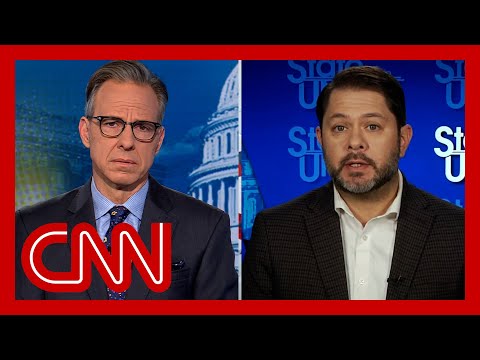
‘Dumbest decision’: Sen. Gallego slams Trump's Greenland push
0
林宜悉 posted on 2026/01/19Ever wondered about Trump's wild idea to buy Greenland? This video dives into the foreign policy debate surrounding it, exploring tariff threats and Arctic security with some seriously advanced vocabulary. You'll get a fantastic chance to boost your understanding of complex sentences and learn some key political terms!
Learn this video on the APP!
The VoiceTube App has more in-depth practice for videos!