
ability
US /əˈbɪlɪti/
UK /ə'bɪlətɪ/
- Noun (Countable/Uncountable)
- The power, resources or skill to do something
- A particular skill or talent.
A2TOEICMoreadult
US / əˈdʌlt, ˈædʌlt/
UK /ˈædʌlt/
- Noun (Countable/Uncountable)
- Person or animal that is fully grown
- A fully grown animal.
- Adjective
- Being fully grown; mature; no longer a teenager
- Containing sexually explicit material.
A2TOEICMoreafter all
US /ˈæftɚ ɔl/
UK /ˈɑ:ftə ɔ:l/
- Adverb
- In spite of what was expected; used to introduce a statement that supports a previous statement or explains why it was made
- Considering everything; used to indicate that something is happening or is true despite some difficulty or obstacle
- Phrase
- Despite what was expected or thought; in spite of everything.
- Taking everything into consideration; considering that.
B1Moreancient
US /ˈenʃənt/
UK /'eɪnʃənt/
- Adjective
- Very old; having lived a very long time ago
- Relating to a period in history, especially in the distant past.
- Noun
- A person who lived in ancient times.
A2Moreapparently
US /əˈpærəntlɪ/
UK /əˈpærəntli/
- Adverb
- According to what you heard; from what can be seen
A2TOEICMoreback then
US
UK
- Phrase
- At that time in the past.
A1Morebased on
US
UK
- Phrasal Verb
- To use something as the foundation or starting point for something else.
- Preposition
- Using something as the main idea or foundation.
- Relying on something as evidence or justification.
A1Morebeaver
US /ˈbivɚ/
UK /'bi:və(r)/
- Countable Noun
- Small furry animal that builds things
- Intransitive Verb
- To work hard on something
B2Morebill
US /bɪl/
UK /bɪl/
- Noun
- Plan for a new law being discussed by a government
- Sign or poster advertising something
- Transitive Verb
- To request payment by handing over an invoice
A2TOEICMorebizarre
US /bɪˈzɑr/
UK /bɪˈzɑ:(r)/
- Adjective
- Odd or strange
B2Morebunch
US /bʌntʃ/
UK /bʌntʃ/
- Noun (Countable/Uncountable)
- A group of things of the same kind
- A group of people.
- Transitive Verb
- To group people or things closely together
B1Morecare for
US /kɛr fɔr/
UK /kɛə fɔ:/
- Phrasal Verb
- To want or desire a thing
- To look after someone who is ill, old, or very young.
A1Moredelivery
US /dɪˈlɪvəri, -ˈlɪvri/
UK /dɪˈlɪvəri/
- Noun
- Way someone acts when speaking publicly
- Act of taking something to a person or place
A2TOEICMoredisparate
US /'dɪspərət/
UK /'dɪspərət/
- Adjective
- Not alike; that cannot be compared
- Composed of different elements or qualities.
B2TOEICMoredownside
US /ˈdaʊnˌsaɪd/
UK /ˈdaʊnsaɪd/
- Noun
- Negative aspect of something
- The potential negative consequences or risks associated with a decision or action.
B2Moredry out
US
UK
- Verb (Transitive/Intransitive)
- To remove moisture from something; to become completely dry.
- To detoxify and recover from addiction.
A1Moreera
US /'ɪrə/
UK /'ɪərə/
- Noun
- Period characterized by particular events, people
- A major division of geological time, usually divided into periods.
B1Moreevidence of
US
UK
- Phrase
- Facts, objects, or signs that make you believe that something is true.
- Something that shows that something else exists or is true.
A1Moreevolution
US /ˌɛvəˈluʃən, ˌivə-/
UK /ˌi:və'lu:ʃn/
- Uncountable Noun
- Theory that living things change over time
- Process by which something develops over time
B1Moreextravagant
US /ɪkˈstrævəɡənt/
UK /ɪkˈstrævəgənt/
- Adjective
- Going beyond what is normal or proper
- Wasteful, e.g. of money; using a lot of a resource
B2TOEICMoreeyewitness
US /ˈaɪˈwɪtnɪs/
UK /ˈaɪwɪtnəs/
- Noun (Countable/Uncountable)
- Someone who sees and event with their own eyes
- Testimony given by someone who has witnessed an event.
- Adjective
- Being or relating to someone who saw an event happen.
- Based on or consisting of direct observation.
C2Morefeel like
US
UK
- Intransitive Verb
- To have a desire or inclination for something.
- To have a particular quality or sensation; resemble.
A1Morefly out
US
UK
- Phrasal Verb
- To leave a place by airplane.
- Countable Noun
- A batted ball that is caught in the air for an out.
A1Morefor show
US /fɚ ʃo/
UK /fə ʃəu/
- other
- Done only to impress others, not for real use.
B2Morefor sure
US /fɔr ʃʊr/
UK /fɔ: ʃuə/
- Adverb
- Definitely; certainly; without a doubt.
- Used to emphasize a statement.
- Interjection
- An expression of strong agreement or affirmation.
A2Morefossil
US /ˈfɑsəl/
UK /'fɒsl/
- Noun (Countable/Uncountable)
- Plant or animal that became rock after many years
- A person or thing that is outdated or no longer useful.
- Adjective
- Relating to or resembling a fossil.
- Relating to or denoting energy generated from fossil fuels.
B1Morefur
US /fɚ/
UK /fɜ:(r)/
- Noun (Countable/Uncountable)
- Hairy coat of an animal
- Clothing item made with animal fur
- Transitive Verb
- To apply strips of wood or metal to a wall or ceiling to create a level surface.
B1Moregrab
US /ɡræb/
UK /ɡræb/
- Transitive Verb
- To take and hold something quickly
A2Moregrind up
US /ɡraɪnd ʌp/
UK /ɡraind ʌp/
- Phrasal Verb
- To break something into small pieces by crushing it.
- To increase effort or intensity.
A1Morehard to say
US
UK
- Phrase
- Difficult to know or predict; uncertain.
A1Morehatch
US /hætʃ/
UK /hætʃ/
- Intransitive Verb
- To be born or come out from an egg
- Verb (Transitive/Intransitive)
- To be born or come out from an egg
B1Morehave to
US /hæv tu/
UK /ˈhæv tə/
- Auxiliary Verb
- Must do
A1Morein fact
US /ɪn fækt/
UK /in fækt/
- Adverb
- Used to emphasize the truth of a statement, especially one that contrasts with or contradicts something else.
- Used to introduce a more detailed or surprising piece of information.
- Phrase
- Used to emphasize the truth of a statement, especially one that is surprising or contrary to what might be expected.
C1Morein mind
US /ɪn maɪnd/
UK /in maind/
- Phrase
- Being aware of or considering something.
- To remember or consider something.
A2Morein particular
US /ɪn pɚˈtɪkjəlɚ/
UK /in pəˈtikjulə/
- Phrase
- Specifically; especially.
- Detailed or precise.
A1Morein peace
US /ɪn pis/
UK /in pi:s/
- Phrase
- In a state of tranquility, without disturbance or conflict.
- In a state of non-war, without armed conflict.
B1Morein time
US /ɪn taɪm/
UK /in taim/
- Adverb
- Eventually; after a period of time.
- Not late; with enough time to spare.
- Phrase
- Eventually; before it is too late.
- According to the scheduled time; punctual.
A1Moreinherit
US /ɪnˈhɛrɪt/
UK /ɪn'herɪt/
- Transitive Verb
- To have a quality or feature passed down at birth
- To receive property or money after someone dies
B1Morekinda
US /'kaɪndə/
UK /'kaɪndə/
- Noun
- Short way of saying 'kind of'
- Adverb
- Somewhat; to some extent; rather.
- Sort of; in a way.
B2Morelatch onto
US
UK
- Phrasal Verb
- To understand something, often after a period of confusion.
- To attach oneself to someone or something; to cling to.
A1Morelook at
US /lʊk æt/
UK /luk æt/
- Phrasal Verb
- To use your eyes to focus on something
- To focus your eyes on something carefully
A1Moremammal
US /ˈmæməl/
UK /'mæml/
- Noun
- Animal which drinks milk from its mother
B1Moremate
US /met/
UK /meɪt/
- Noun (Countable/Uncountable)
- A friend who you work, live, or go to school with
- Partner in a (sexual) relationship
- Verb (Transitive/Intransitive)
- To pair a male and female so they have children
- To join or fit two things together
B1Morenerve
US /nɚv/
UK /nə:v/
- Noun (Countable/Uncountable)
- Fibers in the body that enable feeling, movement
- Courage to do something that is difficult or risky
- Verb (Transitive/Intransitive)
- To summon one's courage; brace oneself.
A2Morenipple
US /ˈnɪpəl/
UK /ˈnɪpl/
- Noun
- Part of a breast; (on a woman) part baby sucks
B2Morenorm
US /nɔ:rm/
UK /nɔ:m/
- Noun (Countable/Uncountable)
- Standard or regular way of doing something
- An established standard of performance or behavior
- Transitive Verb
- To make something average (statistics)
B1Moreof course
US /ʌv kɔː(r)s/
UK /ɔv kɔː(r)s/
- Adverb
- Sure ; Certainly
- Phrase
- For sure; certainly
A2Moreoutside of
US /aʊtˈsaɪd ʌv/
UK /ˌautˈsaid ɔv/
- Preposition
- Located or situated beyond the boundaries or confines of something.
- Beyond the scope, range, or limits of something.
A1Moreover time
US /ˈovɚ taɪm/
UK /ˈəuvə taim/
- Phrase
- Gradually; as time passes.
- During a long period.
- Adverb
- Gradually; as time passes.
B1Morepatch
US /pætʃ/
UK /pætʃ/
- Noun
- Cover worn over an eye to protect or hide it
- Piece of ground on vegetation grows
- Transitive Verb
- To join or unite, e.g. two phone calls
- To repair hole by sewing a piece of cloth over it
B1TOEICMoreplatypus
US /ˈplætɪpəs/
UK /ˈplætɪpəs/
- Countable Noun
- Small Australian aquatic animal with a broad tail
C2Moreplenty
US /ˈplɛnti/
UK /'plentɪ/
- Pronoun
- When there is not too little of something; a lot
- Uncountable Noun
- A large or sufficient amount or quantity; abundance.
- A lot of something
A2Moreprey
US /pre/
UK /preɪ/
- Intransitive Verb
- To hunt (other animals) in order to eat them
- Noun (Countable/Uncountable)
- The victim of another person's aggression
- The victim of another person's aggression
B1Morereproductive
US /ˌriprəˈdʌktɪv/
UK /ˌri:prəˈdʌktɪv/
- Adjective
- Concerning the process of making children
- Relating to having children, young, or new plants
B1Moreresearch
US /rɪˈsɚtʃ, ˈriˌsɚtʃ/
UK /rɪ'sɜ:tʃ/
- Verb (Transitive/Intransitive)
- To study in order to discover new ideas and facts
- To study the market relating to marketing products and services.
- Noun (Countable/Uncountable)
- Study done to discover new ideas and facts
- A particular area or topic of study.
A2TOEICMoresee in
US /si ɪn/
UK /si: in/
- Phrasal Verb
- To accompany someone to the entrance of a building or room.
A1Moreslurp up
US
UK
- Phrasal Verb
- To drink (something) noisily.
A1Morestrategy
US /ˈstrætədʒi/
UK /'strætədʒɪ/
- Noun (Countable/Uncountable)
- Careful plan or method for achieving a goal
- Branch of military dealing with command
A2TOEICMorestructure
US /ˈstrʌk.tʃɚ/
UK /ˈstrʌk.tʃə/
- Noun (Countable/Uncountable)
- The way in which the parts of a system or object are arranged or organized, or a system arranged in this way
- A building or other man-made object.
- Transitive Verb
- To plan, organize, or arrange the parts of something
A2TOEICMoresweat
US /swɛt/
UK /swet/
- Verb (Transitive/Intransitive)
- To do an amount of hard work
- To be worried or anxious about something
- Noun (Countable/Uncountable)
- An amount of hard work
A2Moresweat out
US /swɛt aʊt/
UK /swet aut/
- Phrasal Verb
- To endure or wait anxiously for something to happen.
- To eliminate toxins or impurities from the body through perspiration.
B2Moretend
US /tɛnd/
UK /tend/
- Intransitive Verb
- To move or act in a certain manner
- Transitive Verb
- To take care of
A2Morethink of
US /θɪŋk ʌv/
UK /θiŋk ɔv/
- Phrasal Verb
- To look on as (being something specific); consider
- To consider or remember something.
- Verb (Transitive/Intransitive)
- To imagine or call something to mind
A1Moretrait
US /tret/
UK /treɪt/
- Noun (Countable/Uncountable)
- A particular characteristic that can produce a particular type of behavior
- A genetically determined characteristic or condition.
C2Moreunusual
US /ʌnˈjuʒuəl/
UK /ʌnˈju:ʒuəl/
- Adjective
- Being rare or uncommon; not ordinary; strange
- Remarkable or interesting because different from or better than others.
B1Moreused to
US /juzd tu/
UK /ˈju:st tə/
- Adjective
- Did regularly before, but don't do now
- Auxiliary Verb
- Have done before, but do not do now
A1Morevariety
US /vəˈraɪɪti/
UK /və'raɪətɪ/
- Noun
- Particular type of thing or person
- The quality or state of being different or diverse; the absence of uniformity, sameness, or monotony.
A2TOEICMorevenom
US /ˈvɛnəm/
UK /ˈvenəm/
- Uncountable Noun
- Poison, e.g. one produced by plant or animal
B2Morevenomous
US /ˈvɛnəməs/
UK /ˈvenəməs/
- Adjective
- Extremely poisonous or injurious; producing venom
B2Moreweird
US /wɪrd/
UK /wɪəd/
- Adjective
- Odd or unusual; surprising; strange
- Eerily strange or disturbing.
B1More
Vocabulary
- sweat out: To endure or wait anxiously for something to happen.
- for sure: Definitely; certainly; without a doubt.
- of course: Sure ; Certainly
- have to: Must do
- think of: To look on as (being something specific); consider
- back then: At that time in the past.
- see in: To accompany someone to the entrance of a building or room.
- over time: Gradually; as time passes.
- in mind: Being aware of or considering something.
- look at: To use your eyes to focus on something
- in fact: Used to emphasize the truth of a statement, especially one that contrasts with or contradicts something else.
- in particular: Specifically; especially.
- care for: To want or desire a thing
- used to: Did regularly before, but don't do now
- based on: To use something as the foundation or starting point for something else.
- outside of: Located or situated beyond the boundaries or confines of something.
- latch onto: To understand something, often after a period of confusion.
- dry out: To remove moisture from something; to become completely dry.
- fly out: To leave a place by airplane.
- in peace: In a state of tranquility, without disturbance or conflict.
- in time: Eventually; after a period of time.
- feel like: To have a desire or inclination for something.
- hard to say: Difficult to know or predict; uncertain.
- after all: In spite of what was expected; used to introduce a statement that supports a previous statement or explains why it was made
- for show: Done only to impress others, not for real use.
- slurp up: To drink (something) noisily.
- grind up: To break something into small pieces by crushing it.
- evidence of: Facts, objects, or signs that make you believe that something is true.
- weird: Odd or unusual; surprising; strange
- sort: To organize things by putting them into groups
- bunch: A group of things of the same kind
- apparently: According to what you heard; from what can be seen
- trait: A particular characteristic that can produce a particular type of behavior
- strategy: Careful plan or method for achieving a goal
- grab: To take and hold something quickly
- evidence: Factual proof that helps to establish the truth
- period: Set amount of time during which events take place
- ancient: Very old; having lived a very long time ago
- structure: The way in which the parts of a system or object are arranged or organized, or a system arranged in this way
- tend: To move or act in a certain manner
- plenty: When there is not too little of something; a lot
- common: Area in a city or town that is open to everyone
- bizarre: Odd or strange
- kinda: Short way of saying 'kind of'
- develop: To explain something in steps and in detail
- variety: Particular type of thing or person
- research: To study in order to discover new ideas and facts
- ability: The power, resources or skill to do something
- similar: Nearly the same; alike
- prey: To hunt (other animals) in order to eat them
- norm: Standard or regular way of doing something
- compare: To consider how similar and different things are
- evolution: Theory that living things change over time
- pretty: Being attractive to the eye in a simple way
- sweat: To do an amount of hard work
- nerve: Fibers in the body that enable feeling, movement
- record: Highest or most extreme level achieved
- era: Period characterized by particular events, people
- produce: Fresh foods such as fruits and vegetables
- strange: Unusual or odd; surprising because unexpected
- mammal: Animal which drinks milk from its mother
- extravagant: Going beyond what is normal or proper
- fossil: Plant or animal that became rock after many years
- patch: Cover worn over an eye to protect or hide it
- lot: What happens to a person in life from chance; fate
- downside: Negative aspect of something
- bill: Plan for a new law being discussed by a government
- delivery: Way someone acts when speaking publicly
- build: Your physical shape; physique
- fur: Hairy coat of an animal
- adult: Person or animal that is fully grown
- mate: A friend who you work, live, or go to school with
- modern: Of the present time; up to date; contemporary
- chance: The way something happens without planning
- hatch: To be born or come out from an egg
- inherit: To have a quality or feature passed down at birth
- unusual: Being rare or uncommon; not ordinary; strange
- venom: Poison, e.g. one produced by plant or animal
- reproductive: Concerning the process of making children
- disparate: Not alike; that cannot be compared
- venomous: Extremely poisonous or injurious; producing venom
- platypus: Small Australian aquatic animal with a broad tail
- beaver: Small furry animal that builds things
- nipple: Part of a breast; (on a woman) part baby sucks
- eyewitness: Someone who sees and event with their own eyes
Get the full experience in the app
Learn anywhere with detailed sentence and usage analysis
01:03
She took a brave step forward, leaving behind her comfort zone to chase her dreams.
Vocabulary
- brave
adj. Having courage
- comfort zone
phr. A familiar situation where one feels safe
Explanation
a brave step is a noun phrase, where brave is an adjective modifying the noun step, meaning "a courageous step".
forward is an adverb modifying step, meaning "ahead".
The whole phrase serves as the object, answering the "what" of took (verb) — she took a brave step forward.
Get the full experience in the app
Look up words anytime with pronunciation, part of speech, and usage
brave
US/brev/
UK/breɪv/
adj.Brave
v.t.To bravely face
A2 Elementary
Get the full experience in the app
Practice speaking anytime and get instant pronunciation feedback
Try this speaking exercise.
Try practicing with this sentence.
80
0
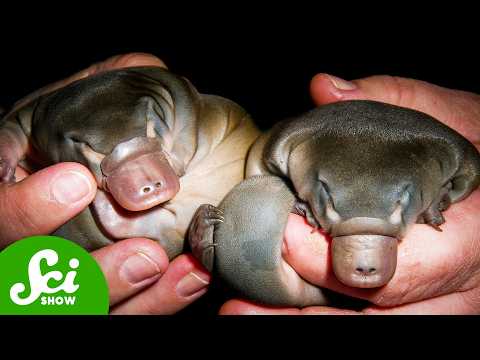
Sunnynguyen posted on 2026/01/14Think platypuses are weird? This video dives deep into why these amazing creatures are actually a window into mammal evolution, covering everything from their electroreception to their venomous spurs! You'll pick up some seriously cool advanced vocabulary while learning about these unique egg-laying mammals.
Learn this video on the APP!
The VoiceTube App has more in-depth practice for videos!