
adapt
US /əˈdæpt/
UK /ə'dæpt/
- Transitive Verb
- To change something for a different function
- To change something to fit or suit a new purpose
- Intransitive Verb
- To change your behaviour so that it is easier to live in a new place or situation
B1TOEICMoreadaptation
US /ˌædæpˈteʃən/
UK /ˌædæpˈteɪʃn/
- Noun (Countable/Uncountable)
- Music, movie or play, changed to a new form
- Changing to a new form; thing that is changed
B1Morealternate
US /ˈɔ:ltərnət/
UK /ɔ:lˈtɜ:nət/
- Intransitive Verb
- To follow one thing after another repeatedly
B2TOEICMoreas opposed to
US
UK
- Preposition
- In contrast to; rather than.
- Instead of; in place of.
A1Morecentered around
US
UK
- Phrasal Verb
- To have (something) as the main subject or focus.
A2Morecharacter
US /ˈkærəktɚ/
UK /'kærəktə(r)/
- Noun
- Person in a story, movie or play
- Writing symbols, e.g. alphabet or Chinese writing
A2Morecomplex
US /kəmˈplɛks, ˈkɑmˌplɛks/
UK /'kɒmpleks/
- Countable Noun
- Group of buildings all used for the same purpose
- Adjective
- Not being simple; having many parts or aspects
A2Moreconsists of
US
UK
- Phrasal Verb
- Is made up or composed of.
A1Morecontemporary
US /kənˈtɛmpəˌrɛri/
UK /kən'temprərɪ/
- Adjective
- Being modern, up -to-date, of this age
- Happening in the same time period
- Countable Noun
- Person doing things at the same time as you
B1Moreconventional
US /kənˈvɛnʃənəl/
UK /kən'venʃənl/
- Adjective
- Following the common attitudes and practices
- Non-nuclear
B2Moreconvey
US /kənˈve/
UK /kən'veɪ/
- Transitive Verb
- To carry or transport something
- To make aware or tell others information
B1Moreculture
US /ˈkʌltʃɚ/
UK /'kʌltʃə(r)/
- Noun (Countable/Uncountable)
- Beliefs and customs of a particular group
- The customs, beliefs, art, and all the other things that a group of people share and consider important.
- Transitive Verb
- To grow cells, tissues, bacteria, etc. in a controlled environment.
A2Moredefine
US /dɪˈfaɪn/
UK /dɪ'faɪn/
- Transitive Verb
- To explain the meaning of words
- To set or mark the limits of something
A2TOEICMoredesire
US / dɪˈzaɪr/
UK /dɪ'zaɪə(r)/
- Transitive Verb
- To wish for, hope or want something
- Noun (Countable/Uncountable)
- Thing that is wished for or wanted
- A strong feeling of sexual wanting.
A2Moredestiny
US /ˈdɛstəni/
UK /'destənɪ/
- Uncountable Noun
- Someone's future; the power that governs this
B1Moredormant
US /ˈdɔrmənt/
UK /ˈdɔ:mənt/
- Adjective
- Temporarily not active/growing
- (of a disease) Present but not active or causing symptoms.
C1TOEICMoredue to
US /du tu/
UK /dju: tu:/
- Preposition
- Because of; owing to
- Adjective
- Attributable to; caused by.
A1Moreepic
US /ˈɛpɪk/
UK /'epɪk/
- Adjective
- Going on for a long time; awe-inspiring
- Noun
- A long story, often about many people and events
B2Moreextra
US /'ekstrə/
UK /'ekstrə/
- Adjective
- More than necessary; additional
- Of especially good quality or grade.
- Noun (Countable/Uncountable)
- Items more than you need; additional items
- Person who has a small part in a movie
A2Morefantasy
US /ˈfæntəsi, -zi/
UK /'fæntəsɪ/
- Noun (Countable/Uncountable)
- Something imagined and very different from reality
- Work of literature set in an unreal world
B1Morefate
US /fet/
UK /feɪt/
- Noun (Countable/Uncountable)
- What will happen to you in the future, often bad
- Power that determines what happens; destiny
B1Morefinality
US /faɪˈnælɪti, fə-/
UK /faɪˈnæləti/
- Uncountable Noun
- Quality of being final or definitely settled
B2Moreflaw
US /flɔ/
UK /flɔ:/
- Noun (Countable/Uncountable)
- Quality that makes something imperfect
- A weakness or undesirable quality.
- Transitive Verb
- To impair, damage, or spoil.
B1TOEICMorefor England
US /fɚ ˈɪŋɡlənd/
UK /fə ˈɪŋɡlənd/
- other
- To an extreme degree; with great intensity, effort, or quantity.
B2Morefor example
US
UK
- Phrase
- As an illustration or instance.
genre
US /ˈʒɑnrə/
UK /'ʒɒ̃rə/
- Noun
- Category of art, music with its own qualities
B2Morehave to
US /hæv tu/
UK /ˈhæv tə/
- Auxiliary Verb
- Must do
A1Morein fact
US /ɪn fækt/
UK /in fækt/
- Adverb
- Used to emphasize the truth of a statement, especially one that contrasts with or contradicts something else.
- Used to introduce a more detailed or surprising piece of information.
- Phrase
- Used to emphasize the truth of a statement, especially one that is surprising or contrary to what might be expected.
C1Morein the face of
US //ɪn ðə feɪs ɑv//
UK
- Phrase
- When confronted with something difficult or challenging.
- Despite; in defiance of; when confronted with.
A1Morein time
US /ɪn taɪm/
UK /in taim/
- Adverb
- Eventually; after a period of time.
- Not late; with enough time to spare.
- Phrase
- Eventually; before it is too late.
- According to the scheduled time; punctual.
A1Moreincorporate
US /ɪnˈkɔrpəˌret/
UK /ɪn'kɔ:pəreɪt/
- Transitive Verb
- To form into a company or business corporation
- To include or involve as part of something else
A2Moreindicate
US /ˈɪndɪˌket/
UK /ˈɪndɪkeɪt/
- Transitive Verb
- To show something; direct attention to; point out
- To represent something using a symbol or sign
A2TOEICMorelarger than life
US /ˈlɑrdʒɚ ðən laɪf/
UK /ˈlɑ:dʒə ðən laɪf/
- other
- Very exciting, impressive, or with personality beyond normal limits.
C1Morelean
US /lin/
UK /li:n/
- Verb (Transitive/Intransitive)
- To balance against or on something for support
- To have a tendency to do something; favor
- Adjective
- Having a low fat content
- Efficient; well-designed with no waste
A2Morelean into
US
UK
- Phrasal Verb
- To bend or move your body closer to something, often for support or to get a better view.
- To embrace or fully engage with something, especially something difficult or challenging.
B2Moreliterature
US /ˈlɪtərəˌtʃʊr, -tʃɚ/
UK /ˈlɪtrətʃə(r)/
- Uncountable Noun
- Writing valued as art, e.g. fiction, drama, poetry
- The body of written works produced in a particular language, country, or age.
A2Moreloophole
US /ˈlu:phoʊl/
UK /ˈlu:phəʊl/
- Noun (Countable/Uncountable)
- Error when making rules allowing people to avoid
- A way to avoid a rule or law without breaking it.
C1Moremedieval
US /ˌmidiˈivəl/
UK /ˌmediˈi:vl/
- Adjective
- Old or out of date and not of much use
- Relating to the Middle Ages (approximately 5th to 15th century).
B1Moremessy
US /ˈmɛsi/
UK /'mesɪ/
- Adjective
- Being complex or difficult to fix
- Being untidy or dirty
A2Moremultiple
US /ˈmʌltəpəl/
UK /ˈmʌltɪpl/
- Adjective
- Having or involving more than one of something
- Having or involving several parts, elements, or members.
- Countable Noun
- Number produced by multiplying a smaller number
- A number of identical circuit elements connected in parallel or series.
B1Moremyth
US /mɪθ/
UK /mɪθ/
- Noun (Countable/Uncountable)
- Popular belief that is false, unsupported by fact
- Famous story dealing with origins of a culture
B1Moremythology
US /mɪˈθɑ:lədʒi/
UK /mɪˈθɒlədʒi/
- Uncountable Noun
- Myths of a particular culture or group of people
- The study of myths.
B2Morenarrative
US /ˈnærətɪv/
UK /ˈnærətɪv/
- Noun (Countable/Uncountable)
- The telling of a story
- A spoken or written account of connected events; a story.
- Adjective
- Presented in the form of a story
B1Morenoble
US /'noʊbl/
UK /'nəʊbl/
- Adjective
- Being admirable and honorable in character
- Concerning or being a member a high social class
- Countable Noun
- Titled peer of the realm e.g. a lord, duke
B1Morenot all there
US /nɑt ɔl ðɛɚ/
UK /nɒt ɔ:l ðeə/
- other
- Mentally slow, confused, or lacking full awareness.
C1Moreof course
US /ʌv kɔː(r)s/
UK /ɔv kɔː(r)s/
- Adverb
- Sure ; Certainly
- Phrase
- For sure; certainly
A2Moreon the other hand
US
UK
- Phrase
- Considering a different aspect of the matter; alternatively.
A1Moreoptimize
US /ˈɑ:ptɪmaɪz/
UK /ˈɒptɪmaɪz/
- Transitive Verb
- To make as effective as possible
B2Moreover to
US
UK
- Preposition
- Used to hand over to someone else to speak
- The responsibility is now yours
past it
US
UK
- Adjective
- No longer capable or effective due to age or declining condition.
- Beyond the point of being useful or functional.
A1Morepeak
US /pik/
UK /pi:k/
- Noun
- Part of a cap that sticks out over your eyes
- The very top of a mountain
- Intransitive Verb
- To reach the highest or best point
B1Morepsychology
US /saɪˈkɑlədʒi/
UK /saɪ'kɒlədʒɪ/
- Uncountable Noun
- The study of the mind and how it affects behavior
- Way in which a person or group thinks and behaves
C2Morerather than
US
UK
- Adverb
- More exactly; more correctly
- Preferably; instead
- Preposition
- Instead of
A1Morereflect
US /rɪˈflɛkt/
UK /rɪ'flekt/
- Verb (Transitive/Intransitive)
- To indicate or be a sign of something
- To bounce back light, heat, sound from a surface
A2TOEICMorerigid
US /ˈrɪdʒɪd/
UK /ˈrɪdʒɪd/
- Adjective
- Stiff rather than flexible
- Very fixed in your opinion or habits
B1Moresee in
US /si ɪn/
UK /si: in/
- Phrasal Verb
- To accompany someone to the entrance of a building or room.
A1Moreshow up
US /ʃo ʌp/
UK /ʃəu ʌp/
- Phrasal Verb
- To arrive or be seen at a place, e.g. a party
- To be noticeably better than (someone else)
A1Moresquare the circle
US
UK
- Verb (Transitive/Intransitive)
- To attempt something that is impossible; to try to do the impossible.
A2Morestand out
US /stænd aʊt/
UK /stænd aut/
- Phrasal Verb
- To be noticeably better than other similar ones
A1Morestructure
US /ˈstrʌk.tʃɚ/
UK /ˈstrʌk.tʃə/
- Noun (Countable/Uncountable)
- The way in which the parts of a system or object are arranged or organized, or a system arranged in this way
- A building or other man-made object.
- Transitive Verb
- To plan, organize, or arrange the parts of something
A2TOEICMoresupernatural
US /ˌsu:pərˈnætʃrəl/
UK /ˌsu:pəˈnætʃrəl/
- Adjective
- Being unable to be explained by natural causes
- Noun
- Something not explained by natural causes
C2Moresympathy
US /ˈsɪmpəθi/
UK /'sɪmpəθɪ/
- Uncountable Noun
- Feeling for other people when they are in trouble
A2TOEICMoretalking about
US
UK
- Phrasal Verb
- To discuss a particular topic.
- To be constantly mentioning or bringing up a subject.
A1Moretheorist
US /ˈθiərɪst, ˈθɪrɪst/
UK /ˈθɪərɪst/
- Countable Noun
- A person who forms new ideas about a subject
B2Moreto let
US /tu lɛt/
UK /tu let/
- Preposition
- Indicates that a property is available for rent.
A2Moretrilogy
US /ˈtrɪlədʒi/
UK /ˈtrɪlədʒi/
- Countable Noun
- Series of three connected works
C1Moreunder the sun
US
UK
- Phrase
- Everything in the world; everything imaginable.
- In the world; on the earth.
A1Moreunity
US /ˈjunɪti/
UK /'ju:nətɪ/
- Uncountable Noun
- Being in full agreement; being joined together
- Quality of having parts that fit or work together
B2Morevision
US /ˈvɪʒən/
UK /'vɪʒn/
- Uncountable Noun
- Ability to see; eyesight
- Something you see in your imagination or dreams
A2More
Vocabulary
- of course: Sure ; Certainly
- larger than life: Very exciting, impressive, or with personality beyond normal limits.
- have to: Must do
- as opposed to: In contrast to; rather than.
- consists of: Is made up or composed of.
- rather than: More exactly; more correctly
- in time: Eventually; after a period of time.
- for example: As an illustration or instance.
- talking about: To discuss a particular topic.
- past it: No longer capable or effective due to age or declining condition.
- centered around: To have (something) as the main subject or focus.
- for England: To an extreme degree; with great intensity, effort, or quantity.
- in the face of: When confronted with something difficult or challenging.
- to let: Indicates that a property is available for rent.
- see in: To accompany someone to the entrance of a building or room.
- in fact: Used to emphasize the truth of a statement, especially one that contrasts with or contradicts something else.
- due to: Because of; owing to
- on the other hand : Considering a different aspect of the matter; alternatively.
- not all there: Mentally slow, confused, or lacking full awareness.
- lean into: To bend or move your body closer to something, often for support or to get a better view.
- square the circle: To attempt something that is impossible; to try to do the impossible.
- under the sun: Everything in the world; everything imaginable.
- stand out
- show up: To arrive or be seen at a place, e.g. a party
- over to: Used to hand over to someone else to speak
- multiple: Having or involving more than one of something
- structure: The way in which the parts of a system or object are arranged or organized, or a system arranged in this way
- character: Person in a story, movie or play
- complex: Group of buildings all used for the same purpose
- psychology: The study of the mind and how it affects behavior
- epic: Going on for a long time; awe-inspiring
- narrative: The telling of a story
- incorporate: To form into a company or business corporation
- desire: To wish for, hope or want something
- reflect: To indicate or be a sign of something
- flaw: Quality that makes something imperfect
- myth: Popular belief that is false, unsupported by fact
- conventional: Following the common attitudes and practices
- lean: To balance against or on something for support
- convey: To carry or transport something
- series: Set of stories or articles on a particular subject
- adapt: To change something for a different function
- sympathy: Feeling for other people when they are in trouble
- messy: Being complex or difficult to fix
- form: Sports team or person's current winning record
- define: To explain the meaning of words
- indicate: To show something; direct attention to; point out
- extra: More than necessary; additional
- medieval: Old or out of date and not of much use
- contemporary: Being modern, up -to-date, of this age
- genre: Category of art, music with its own qualities
- rigid: Stiff rather than flexible
- vision: Ability to see; eyesight
- fate: What will happen to you in the future, often bad
- destiny: Someone's future; the power that governs this
- adaptation: Music, movie or play, changed to a new form
- literature: Writing valued as art, e.g. fiction, drama, poetry
- peak: Part of a cap that sticks out over your eyes
- noble: Being admirable and honorable in character
- culture: Beliefs and customs of a particular group
- dormant: Temporarily not active/growing
- important: Having power or authority
- fantasy: Something imagined and very different from reality
- optimize: To make as effective as possible
- suit: To be appropriate for a given situation
- middle: Place that is halfway between two things
- alternate: To follow one thing after another repeatedly
- mythology: Myths of a particular culture or group of people
- set: Prepared for something; ready
- popular: Liked or enjoyed by many people
- world: All the humans, events, activities on the earth
- remove: To get rid of something completely
- season: One of Spring, Summer, Autumn (Fall) and Winter
- life: All the living things e.g. animals, plants, humans
- time: Speed at which music is played; tempo
- earth: Wire connecting an electrical device to the ground
- unity: Being in full agreement; being joined together
- special: Being additional or extra
- long: Person's name
- loophole: Error when making rules allowing people to avoid
- trilogy: Series of three connected works
- supernatural: Being unable to be explained by natural causes
- theorist: A person who forms new ideas about a subject
- finality: Quality of being final or definitely settled
Get the full experience in the app
Learn anywhere with detailed sentence and usage analysis
01:03
She took a brave step forward, leaving behind her comfort zone to chase her dreams.
Vocabulary
- brave
adj. Having courage
- comfort zone
phr. A familiar situation where one feels safe
Explanation
a brave step is a noun phrase, where brave is an adjective modifying the noun step, meaning "a courageous step".
forward is an adverb modifying step, meaning "ahead".
The whole phrase serves as the object, answering the "what" of took (verb) — she took a brave step forward.
Get the full experience in the app
Look up words anytime with pronunciation, part of speech, and usage
brave
US/brev/
UK/breɪv/
adj.Brave
v.t.To bravely face
A2 Elementary
Get the full experience in the app
Practice speaking anytime and get instant pronunciation feedback
Try this speaking exercise.
Try practicing with this sentence.
80
0
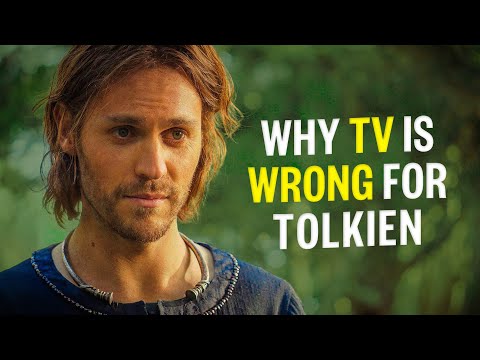
林宜悉 posted on 2026/01/13Ever wondered why Tolkien's epic world feels so different on screen? This video dives deep into the challenges of adapting his mythic tone for TV, using "Rings of Power" as a case study. You'll pick up advanced vocabulary related to literary analysis and fantasy, perfect for expanding your English toolkit!
Learn this video on the APP!
The VoiceTube App has more in-depth practice for videos!