
anti
US /ˈæntaɪ, -ti/
UK /'æntɪ/
- Adjective
- A prefix meaning 'against' or 'opposed'
B2Moreapparatus
US /ˌæpəˈretəs, -ˈrætəs/
UK /ˌæpə'reɪtəs/
- Noun (Countable/Uncountable)
- Tools or instruments used for a specific activity
B1TOEICMoreattempt
US /əˈtɛmpt/
UK /ə'tempt/
- Verb (Transitive/Intransitive)
- To try to do something challenging or difficult
- Noun
- Effort made to try to do or accomplish something
A2TOEICMorebitter
US /ˈbɪtɚ/
UK /'bɪtə(r)/
- Adjective
- Feeling angry and sad over something
- Sharp unpleasant taste (e.g. strong black coffee)
A2Morebrutality
US /bruˈtælɪti/
UK /bru:'tælətɪ/
- Uncountable Noun
- Extremely mean or violent act or treatment
B1Morecall for
US /kɔl fɔr/
UK /kɔ:l fɔ:/
- Phrasal Verb
- To demand, need or require (an action or thing)
- To come to someone's house to take them somewhere
A1Moreconsequence
US /ˈkɑnsɪˌkwɛns,-kwəns/
UK /ˈkɔnsikwəns/
- Noun (Countable/Uncountable)
- Importance of a person or thing
- Outcome of an event; result
A2Morecounter
US /ˈkaʊntɚ/
UK /'kaʊntə(r)/
- Transitive Verb
- To say or do something in opposition or resistance
- To try to prevent, as by making a different point
- Prefix
- Being opposite or against something
B1Morecrackdown
US /ˈkrækˌdaʊn/
UK /ˈkrækdaʊn/
- Noun
- Increased effort to enforce the law or a rule
C2Morecut off
US /kʌt ɔf/
UK /kʌt ɔf/
- Phrasal Verb
- To end a process, e.g. a phone call
- To cut the end of something
- Transitive Verb
- To isolate or prevent access to a place or person.
- To interrupt someone while they are speaking.
A1Moredemocracy
US /dɪˈmɑkrəsi/
UK /dɪ'mɒkrəsɪ/
- Noun (Countable/Uncountable)
- System of government in which everyone is equal
- Principles of social equality and respect for the individual within a society.
B1Moredemocratic
US /ˌdɛməˈkrætɪk/
UK /ˌdeməˈkrætɪk/
- Adjective
- (Of government) giving the people power, a vote
- Based on the principle that all members have equal rights.
B2Moredemonstrate
US /ˈdɛmənˌstret/
UK /'demənstreɪt/
- Verb (Transitive/Intransitive)
- To display a feeling or ability openly
- To protest about something often as a group
A2TOEICMoredevastating
US
UK
- Transitive Verb
- To cause extensive destruction or ruin utterly
- Adjective
- Destroying everything; very shocking
- Causing great emotional pain or shock.
B1Moreevidence of
US
UK
- Phrase
- Facts, objects, or signs that make you believe that something is true.
- Something that shows that something else exists or is true.
A1Moreexile
US /ˈɛɡˌzaɪl, ˈɛkˌsaɪl/
UK /'eksaɪl/
- Uncountable Noun
- State of being forced to leave your country
- Transitive Verb
- One forced to leave their home and live elsewhere
B2Morefilmmaker
US /'fɪlmˌmeɪkə/
UK /'fɪlmˌmeɪkə/
- Noun
- Person who makes movies; movie producer, director
C2Moreflood
US /flʌd/
UK /flʌd/
- Verb (Transitive/Intransitive)
- To quickly appear unexpectedly and in volume
- (Of liquid) to fill or cover something completely
- Noun (Countable/Uncountable)
- A quick unexpectedly volume of something
- Large number of people or things arriving at once
B1Morefootage
US /ˈfʊtɪdʒ/
UK /ˈfʊtɪdʒ/
- Uncountable Noun
- A certain amount of film or video of something
- The length or amount of something measured in feet.
B2Morefor example
US
UK
- Phrase
- As an illustration or instance.
for long
US
UK
- Phrase
- For a considerable period of time.
- For a significant duration in the future.
A1Moregrieve
US /ɡriv/
UK /ɡri:v/
- Intransitive Verb
- To feel great sadness, as when someone dies
B2Moreidentify
US /aɪˈdɛntəˌfaɪ/
UK /aɪ'dentɪfaɪ/
- Transitive Verb
- To indicate who or what someone or something is
- To say exactly what something is
B1TOEICMorein the past
US
UK
- Phrase
- During a former period of time; previously.
A1Moreinitiate
US /ɪˈnɪʃ.i.eɪt/
UK /ɪˈnɪʃ.i.eɪt/
- Transitive Verb
- To cause something to begin
- To allow someone into a group by a special ceremony
- Noun
- A person who has been initiated into an organization or activity.
A2TOEICMoreinitiative
US /ɪˈnɪʃətɪv/
UK /ɪ'nɪʃətɪv/
- Noun (Countable/Uncountable)
- Ability to come up with solutions by yourself
- New plan or idea that is meant to fix a problem
B1TOEICMoreintervene
US /ˌɪntərˈvi:n/
UK /ˌɪntəˈvi:n/
- Intransitive Verb
- To get involved to try to prevent trouble
- To interrupt a situation, argument, etc.
B1Moreinvasion
US /ɪnˈveʒən/
UK /ɪnˈveɪʒn/
- Uncountable Noun
- Entry into a place to cause harm
- An unwelcome intrusion into another's domain.
B1Morejournalist
US /ˈdʒɚnəlɪst/
UK /ˈdʒɜ:nəlɪst/
- Noun
- Writer of news reports for newspapers etc.
A2TOEICMorelethal
US /ˈliθəl/
UK /'li:θl/
- Adjective
- Causing or able to cause death
B2Moremorgue
US /mɔ:rg/
UK /mɔ:g/
- Noun
- Place to store dead bodies before they are buried
C1Moremovement
US /ˈmuvmənt/
UK /ˈmu:vmənt/
- Noun (Countable/Uncountable)
- Part of a piece of classical music
- Group with a shared interest or goal
A2Moreof course
US /ʌv kɔː(r)s/
UK /ɔv kɔː(r)s/
- Adverb
- Sure ; Certainly
- Phrase
- For sure; certainly
A2Moreon sunday
US
UK
- Phrase
- Every Sunday; each Sunday.
- Referring to a particular Sunday.
A1Moreopposition
US /ˌɑ:pəˈzɪʃn/
UK /ˌɒpəˈzɪʃn/
- Uncountable Noun
- Act of disagreeing or trying to stop something
- Group that you are fighting or competing against
B1Moreorganization
US /ˌɔrɡənɪˈzeʃən/
UK /ˌɔ:gənaɪˈzeɪʃn/
- Noun (Countable/Uncountable)
- Group of people with a particular purpose
- The way in which something is structured or arranged.
A2Moreoust
US /aʊst/
UK /aʊst/
- Transitive Verb
- To eject from a position or place; force out
B2Morepopulation
US /ˌpɑpjəˈleʃən/
UK /ˌpɒpjuˈleɪʃn/
- Noun (Countable/Uncountable)
- Number of people who live in a country, area etc.
- A group of individuals of one species living in a particular area.
A2TOEICMoreprotest
US /ˈproʊtɛst/
UK /'prəʊtest/
- Verb (Transitive/Intransitive)
- To argue against something in a forceful way
- To express a strong objection or dislike
- Noun
- Forceful argument against something
- Objection to something
A2Moreregime
US /reˈʒim, rɪ-/
UK /reɪˈʒi:m/
- Noun
- A system of management; a form of government
B1Moreregion
US /ˈridʒən/
UK /'ri:dʒən/
- Noun (Countable/Uncountable)
- Part of a country, of the world, area, etc.
- A part of the body
A2TOEICMorereliable
US /rɪˈlaɪəbəl/
UK /rɪˈlaɪəbl/
- Adjective
- Being likely to be true; believable
- Deserving of your trust; dependable
A2TOEICMorerepeatedly
US /rɪ'pi:tɪdlɪ/
UK /rɪ'pi:tɪdlɪ/
- Adverb
- (Said, done) many times; over and over
B2Moreresort
US /rɪ'zɔ:rt/
UK /rɪ'zɔ:t/
- Noun
- Act of choosing something to help with a problem
- Vacation hotel or complex; area for holidays
B1TOEICMorereverse
US /rɪˈvɚs/
UK /rɪ'vɜ:s/
- Noun
- Setting that makes the vehicle go backward
- Instance of a significant change, for the worse
- Verb (Transitive/Intransitive)
- To drive a vehicle backward
- To change to an opposite state, way or condition
B1TOEICMorerevolution
US /ˌrɛvəˈluʃən/
UK /ˌrevə'lu:ʃn/
- Noun
- When a group overthrows an existing government
- Sudden or significant change in something
B1Morerule in
US
UK
- Phrasal Verb
- To make an official decision in favor of someone in a legal case.
B1Morescarce
US /skers/
UK /skeəs/
- Adjective
- Not many; Not plentiful or abundant
B2TOEICMoresecurity
US /sɪˈkjʊrɪti/sə'kjurətɪ/
UK /sɪ'kjʊərətɪ/
- Noun
- Department in a company in charge of protection
- Financial document, like stocks, bonds and notes
A2TOEICMoreshah
US /ʃɑ:/
UK /ʃɑ:/
- Proper Noun
- Title given to the monarch of Iran
B2Moreshut down
US /ʃʌt daʊn/
UK /ʃʌt daun/
- Phrasal Verb
- To close an operating system, e.g. on a computer
- To stop a factory/machine from operating
- Transitive Verb
- To deactivate a nuclear reactor.
- To turn off a computer or other electronic device.
A2Morestructure
US /ˈstrʌk.tʃɚ/
UK /ˈstrʌk.tʃə/
- Noun (Countable/Uncountable)
- The way in which the parts of a system or object are arranged or organized, or a system arranged in this way
- A building or other man-made object.
- Transitive Verb
- To plan, organize, or arrange the parts of something
A2TOEICMoreswiftly
US /ˈswɪftlɪ/
UK /swɪftlɪ/
- Adverb
- Quickly
B2Morethink of
US /θɪŋk ʌv/
UK /θiŋk ɔv/
- Phrasal Verb
- To look on as (being something specific); consider
- To consider or remember something.
- Verb (Transitive/Intransitive)
- To imagine or call something to mind
A1Moretopple
US /ˈtɑ:pl/
UK /ˈtɒpl/
- Transitive Verb
- To cause a government/leader to be overthrown
- To (cause to) become unstable and fall, e.g. ruler
- Intransitive Verb
- To fall over from being unstable
B2TOEICMoretransitional
US /træn'sɪʃənl/
UK /træn'sɪʃənl/
- Adjective
- Regarding changes in state, movement, place etc.
B2Moreup there
US /ʌp ðɛr/
UK /ʌp ðɛə/
- Adverb
- In or to a higher place or position; far away.
- In heaven.
A1Moreverify
US /ˈvɛrəˌfaɪ/
UK /'verɪfaɪ/
- Transitive Verb
- To prove that something is right, accurate or true
B2TOEICMoreviolent
US /ˈvaɪələnt/
UK /ˈvaɪələnt/
- Adjective
- Done with force; likely to produce physical damage
- Using or involving physical force intended to hurt, damage, or kill someone or something.
A2More
Vocabulary
- rule in: To make an official decision in favor of someone in a legal case.
- on sunday: Every Sunday; each Sunday.
- cut off: To end a process, e.g. a phone call
- evidence of: Facts, objects, or signs that make you believe that something is true.
- call for: To demand, need or require (an action or thing)
- up there: In or to a higher place or position; far away.
- shut down: To close an operating system, e.g. on a computer
- of course: Sure ; Certainly
- for example: As an illustration or instance.
- in the past: During a former period of time; previously.
- think of: To look on as (being something specific); consider
- for long: For a considerable period of time.
- demonstrate: To display a feeling or ability openly
- evidence: Factual proof that helps to establish the truth
- devastating: To cause extensive destruction or ruin utterly
- initiative: Ability to come up with solutions by yourself
- structure: The way in which the parts of a system or object are arranged or organized, or a system arranged in this way
- force: Group of persons trained for military action; army
- attempt: To try to do something challenging or difficult
- consequence: Importance of a person or thing
- identify: To indicate who or what someone or something is
- lethal: Causing or able to cause death
- reverse: Setting that makes the vehicle go backward
- deal: To cope with something - usually troubles
- regime: A system of management; a form of government
- region: Part of a country, of the world, area, etc.
- democracy: System of government in which everyone is equal
- population: Number of people who live in a country, area etc.
- security: Department in a company in charge of protection
- footage: A certain amount of film or video of something
- raise: To increase a bet above another when playing cards
- initiate: To cause something to begin
- counter: To say or do something in opposition or resistance
- pretty: Being attractive to the eye in a simple way
- democratic: (Of government) giving the people power, a vote
- protest: To argue against something in a forceful way
- resort: Act of choosing something to help with a problem
- apparatus: Tools or instruments used for a specific activity
- bitter: Feeling angry and sad over something
- revolution: When a group overthrows an existing government
- violent: Done with force; likely to produce physical damage
- invasion: Entry into a place to cause harm
- appear: To be seen, become visible; come into sight
- reliable: Being likely to be true; believable
- movement: Part of a piece of classical music
- receive: To get something someone has given or sent to you
- scarce: Not many; Not plentiful or abundant
- journalist: Writer of news reports for newspapers etc.
- order: Religious or social group, as of nuns
- build: Your physical shape; physique
- organization: Group of people with a particular purpose
- brutality: Extremely mean or violent act or treatment
- verify: To prove that something is right, accurate or true
- support: To give assistance or advice to someone
- government: Group of people and system that rule a nation
- flood: To quickly appear unexpectedly and in volume
- swiftly: Quickly
- exile: State of being forced to leave your country
- drive: A person's ambition and motivation to do something
- intervene: To get involved to try to prevent trouble
- crackdown: Increased effort to enforce the law or a rule
- opposition: Act of disagreeing or trying to stop something
- repeatedly: (Said, done) many times; over and over
- train: Line of people, animals moving the same direction
- country: An area of land that is controlled by a government
- anti: A prefix meaning 'against' or 'opposed'
- topple: To cause a government/leader to be overthrown
- hear: To be aware of sound; to perceive with the ear
- grieve: To feel great sadness, as when someone dies
- transitional: Regarding changes in state, movement, place etc.
- filmmaker: Person who makes movies; movie producer, director
- morgue: Place to store dead bodies before they are buried
- oust: To eject from a position or place; force out
- shah: Title given to the monarch of Iran
Get the full experience in the app
Learn anywhere with detailed sentence and usage analysis
01:03
She took a brave step forward, leaving behind her comfort zone to chase her dreams.
Vocabulary
- brave
adj. Having courage
- comfort zone
phr. A familiar situation where one feels safe
Explanation
a brave step is a noun phrase, where brave is an adjective modifying the noun step, meaning "a courageous step".
forward is an adverb modifying step, meaning "ahead".
The whole phrase serves as the object, answering the "what" of took (verb) — she took a brave step forward.
Get the full experience in the app
Look up words anytime with pronunciation, part of speech, and usage
brave
US/brev/
UK/breɪv/
adj.Brave
v.t.To bravely face
A2 Elementary
Get the full experience in the app
Practice speaking anytime and get instant pronunciation feedback
Try this speaking exercise.
Try practicing with this sentence.
80
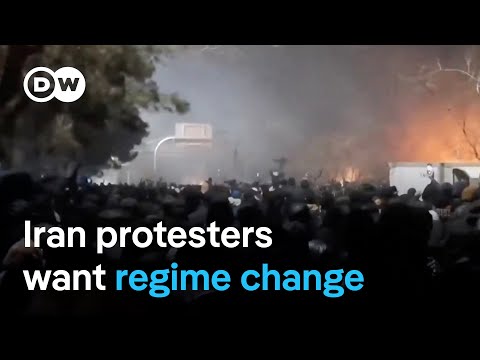
Do Iranians want US intervention in the protest movement? | DW News
0
林宜悉 posted on 2026/01/12Ever wondered about the real feelings behind the Iran protests? This DW News report dives deep into whether Iranians actually want US intervention, offering insights into cultural depth and real-world political dialogue. You'll pick up key vocabulary related to government crackdowns and human rights, making it a fantastic way to boost your knowledge and language skills!
Learn this video on the APP!
The VoiceTube App has more in-depth practice for videos!