
accent
US /ˈækˌsɛnt/
UK /'æksent/
- Transitive Verb
- To give emphasis to (a point you are making)
- Noun
- Feature of a design, e.g. a stripe on a shirt
- Correct spoken emphasis on a part of a word
A2Moreadapt
US /əˈdæpt/
UK /ə'dæpt/
- Transitive Verb
- To change something for a different function
- To change something to fit or suit a new purpose
- Intransitive Verb
- To change your behaviour so that it is easier to live in a new place or situation
B1TOEICMoreat least
US /æt list/
UK /æt li:st/
- Adverb
- As a minimum
- Not less than
- Phrase
- No less than; at the minimum
- Used to indicate that something is positive in a bad situation.
C2Moreback into
US /bæk ˈɪntu/
UK /bæk ˈɪntuː/
- Phrasal Verb
- To drive a vehicle backwards into a space or area.
- To accidentally collide with something while moving backwards.
A1Morebob
US /bɑ:b/
UK /bɒb/
- Intransitive Verb
- To move up and down repeatedly
- Proper Noun
- Person's name
B2Morebrilliant
US /ˈbrɪljənt/
UK /'brɪlɪənt/
- Adjective
- Having a great amount of intelligence or talent
- Being very bright, like a diamond; shining
- Noun
- A diamond or other gem cut in a particular form with many facets to have exceptional brilliance.
A2Moreby itself
US /baɪ ɪtˈsɛlf/
UK /bai itˈself/
- Adverb
- Alone; without help or assistance.
- Without any external influence or aid.
A2Morecall on
US /kɔl ɑn/
UK /kɔ:l ɔn/
- Phrasal Verb
- To order or ask someone to do a specific activity
- To visit someone
A1Morechallenge
US /ˈtʃæləndʒ/
UK /'tʃælɪndʒ/
- Noun (Countable/Uncountable)
- An activity you wish to try that may be hard to do
- Act of formally inviting someone to compete
- Transitive Verb
- To formally invite someone to compete at something
- To question the correctness of something
A2Morechaos
US /ˈkeˌɑs/
UK /'keɪɒs/
- Noun (plural)
- State of utter confusion or disorder
- Uncountable Noun
- Complete disorder and confusion.
- Behavior so unpredictable as to appear random, owing to great sensitivity to small changes in conditions.
B1Morechaotic
US /keɪˈɒtɪk/
UK /keɪ'ɒtɪk/
- Adjective
- Utterly confused
B1Morecome at
US /kʌm æt/
UK /kʌm æt/
- Phrasal Verb
- To approach someone to attack them
A1Morecome from
US /kʌm frʌm/
UK /kʌm frɔm/
- Phrasal Verb
- To have as your native country or city
A1Moreconnected with
US
UK
- Phrase
- Related to; associated with.
- Involved with; having a relationship with.
- Phrasal Verb
- Was associated or linked to someone or something.
- Felt understanding or empathy with someone or something.
B1Moreconversation
US /ˌkɑnvɚˈseʃən/
UK /ˌkɒnvəˈseɪʃn/
- Uncountable Noun
- Talking with other people; discussion or chat
- General communication or interaction.
A2Morecreative
US /kriˈetɪv/
UK /krɪ'eɪtɪv/
- Adjective
- Having the ability to make something new
- Having the ability to create; imaginative and original.
- Noun
- A person whose job involves creative work.
A2Moreculture
US /ˈkʌltʃɚ/
UK /'kʌltʃə(r)/
- Noun (Countable/Uncountable)
- Beliefs and customs of a particular group
- The customs, beliefs, art, and all the other things that a group of people share and consider important.
- Transitive Verb
- To grow cells, tissues, bacteria, etc. in a controlled environment.
A2Moredifferently
US /ˈdɪfərəntlɪ/
UK /'dɪfrəntlɪ/
- Adverb
- In another and different manner
- In a way that shows a different opinion or perspective.
A2Moredigest
US /daɪˈdʒest/
UK /daɪˈdʒest/
- Verb (Transitive/Intransitive)
- To convert food into energy in your stomach
- To think over facts, news etc.; take in information
- Noun
- A summary, as of the news
B2Moredo in
US
UK
- Phrasal Verb
- To make completely tired out and exhausted
- To destroy or cause damage to someone
A1Moredrop out
US /drɑp aʊt/
UK /drɔp aut/
- Phrasal Verb
- To take no part in a society you disapprove of
- To quit school, a club or activity
- Intransitive Verb
- To quit a course of study or training.
A1Moreessay
US /ˈɛsˌe, ɛˈse/
UK /'eseɪ/
- Noun (Countable/Uncountable)
- Short piece of written opinion on a subject
- A test of the quality of a metal or ore.
- Verb (Transitive/Intransitive)
- To attempt or try.
- To test or evaluate the quality of something.
B1Morefor example
US
UK
- Phrase
- As an illustration or instance.
from A to B
US /frʌm eɪ tə bi/
UK /frɒm eɪ tə bi:/
- Preposition
- Describes traveling or moving between two places.
A2Moreget back to
US /ɡɛt bæk tu/
UK /ɡet bæk tu:/
- Phrasal Verb
- To get in contact with someone again
- To return to someone or something; to respond at a later time.
A1Morego back to
US /ɡo bæk tu/
UK /ɡəu bæk tu:/
- Phrasal Verb
- To return to a starting point
A1Morego on
US /ɡo ɑn/
UK /ɡəu ɔn/
- Phrasal Verb
- To continue doing something
- To happen (usually negative)
- Interjection
- Used to encourage someone
A1Morego out
US /ɡo aʊt/
UK /ɡəu aut/
- Phrase
- To leave a building (e.g. a house)
- Phrasal Verb
- (Of a fire) to burn out; be extinguished
- Go out of fashion to stop being fashionable
A1Morego together
US
UK
- Phrasal Verb
- To match well; to be harmonious or aesthetically pleasing.
- To date; to be in a romantic relationship.
A1Moregoal
US /ɡol/
UK /ɡəʊl/
- Noun (Countable/Uncountable)
- Something you try to do or achieve; an aim
- (Sports) net into which you put a ball to score
A2TOEICMoregot to
US /ɡɑt tu/
UK /gɔt tu:/
- Verb (Transitive/Intransitive)
- To arrive at some place
- To have the opportunity or permission to do something
- Phrasal Verb
- To appeal to the emotions of; move
- To finally begin to start something after a delay
A1Moregrammar
US /ˈɡræmɚ/
UK /ˈgræmə(r)/
- Uncountable Noun
- Book describing the syntactic rules of a language
- Rules explaining how words are used in a language
B1Moregrow up
US /ɡro ʌp/
UK /ɡrəu ʌp/
- Phrasal Verb
- To develop from a child into an adult
A1Morehave to
US /hæv tu/
UK /ˈhæv tə/
- Auxiliary Verb
- Must do
A1Morein different ways
US
UK
- Phrase
- Using various methods or approaches; with variety.
- In varying manners or styles; not uniformly.
A1Morein mind
US /ɪn maɪnd/
UK /in maind/
- Phrase
- Being aware of or considering something.
- To remember or consider something.
A2Moreintelligence
US /ɪnˈtɛlədʒəns/
UK /ɪn'telɪdʒəns/
- Uncountable Noun
- Collection of secret information about something
- Ability to learn things or to consider situations
- Adjective
- Of the spying services; acting in secrecy
A2TOEICMoreintelligent
US /ɪnˈtɛlədʒənt/
UK /ɪnˈtelɪdʒənt/
- Adjective
- Smart; able to think and reason
- Having a good understanding or a high mental capacity; quick to comprehend.
A2Moreinto time
US /ˈɪntu taɪm/
UK /ˈɪntəʊ taɪm/
- other
- Over a period, involving a gradual process or change.
B2Morejust kind of
US
UK
- Phrase
- Used to express a feeling or state in a vague or hesitant way.
- Used to indicate something is approximately or generally similar to something else.
A2Morelook at
US /lʊk æt/
UK /luk æt/
- Phrasal Verb
- To use your eyes to focus on something
- To focus your eyes on something carefully
A1Moremaster
US /ˈmæstɚ/
UK /'mɑ:stə(r)/
- Transitive Verb
- To gain control over something
- To learn to do something very well
- Adjective
- Being very skilled at doing something
- Being the main or most important thing or part
A2Moremimic
US /ˈmɪmɪk/
UK /'mɪmɪk/
- Countable Noun
- Someone who tries to act like another person
- Transitive Verb
- To copy a person's words/actions to amuse people
B2Moremove to
US /muv tu/
UK /mu:v tu:/
- Phrasal Verb
- To change the place where you live or work.
- Verb (Transitive/Intransitive)
- To proceed to the next stage or action.
A2Moremuseum
US /mjuˈziəm/
UK /mjuˈzi:əm/
- Countable Noun
- Building to display art/science/history objects
A2Moreof a sudden
US
UK
- Phrase
- Quickly and unexpectedly; suddenly.
B2Moreof course
US /ʌv kɔː(r)s/
UK /ɔv kɔː(r)s/
- Adverb
- Sure ; Certainly
- Phrase
- For sure; certainly
A2Moreof interest
US /əv ˈɪntrɪst/
UK /əv ˈɪntrəst/
- other
- Relevant or important to someone or something.
B2Moreout there
US /aʊt ðɛr/
UK /aut ðɛə/
- Adverb
- In or to a place that is far away
- Existing in the universe
- Adjective
- Unconventional; strange; avant-garde
- Existing or available.
A1Moreparallel
US /ˈpærəˌlɛl/
UK /'pærəlel/
- Verb (Transitive/Intransitive)
- To be equal to, or like, something else
- To compare
- Noun (Countable/Uncountable)
- A line on a map a set distance from the equator
- A similarity; a comparison.
B1Morepassive
US /ˈpæsɪv/
UK /ˈpæsɪv/
- Adjective
- Allowing things to happen with quiet acceptance
- With sentence's subject being what verb acts on
- Noun
- A person who is passive; one who does not actively participate or resist.
B1Moreperfectly
US /ˈpəfɪktli/
UK /ˈpɜ:fɪktli/
- Adverb
- In a faultless manner; without mistakes
A2Moreput together
US /pʊt təˈɡɛðɚ/
UK /put təˈɡeðə/
- Phrasal Verb
- To build or assemble something small, e.g. a toy
- To organize or arrange something.
A1Moresocialize
US /ˈsoʃəˌlaɪz/
UK /'səʊʃəlaɪz/
- Intransitive Verb
- To spend time with people; go out and make friends
- To spend time with people; go out and make friends
- Transitive Verb
- To teach people acceptable cultural behaviors
- To organize or control (something) according to socialist principles.
B2Moresolitude
US /ˈsɑlɪˌtud, -ˌtjud/
UK /'sɒlɪtju:d/
- Uncountable Noun
- State of preferring to be alone
B2Moresolo
US /ˈsoʊloʊ/
UK /ˈsəʊləʊ/
- Adjective
- Being performed or done alone
- Noun
- Activity that one does alone, e.g. playing music
B1Morespeak to
US /spik tu/
UK /spi:k tu:/
- Verb (Transitive/Intransitive)
- To address or communicate with someone.
- To indicate or suggest something; to be relevant to.
A1Morestudy for
US /ˈstʌdi fɔr/
UK /ˈstʌdi fɔ:/
- Phrasal Verb
- To prepare for an examination or test by learning and revising the subject matter.
sudden
US /ˈsʌdn/
UK /ˈsʌdn/
- Adjective
- Happening or done quickly or unexpectedly
B1Moresyntax
US /ˈsɪnˌtæks/
UK /ˈsɪntæks/
- Uncountable Noun
- Study of the way words are organized in a sentence
B2Moretake some time
US
UK
- Verb (Transitive/Intransitive)
- To allocate or dedicate a period to a specific activity or purpose.
A1Moretalking about
US
UK
- Phrasal Verb
- To discuss a particular topic.
- To be constantly mentioning or bringing up a subject.
A1Morethink about
US /θɪŋk əˈbaʊt/
UK /θiŋk əˈbaut/
- Phrasal Verb
- To consider something carefully.
- To remember or call to mind.
A1Morethink of
US /θɪŋk ʌv/
UK /θiŋk ɔv/
- Phrasal Verb
- To look on as (being something specific); consider
- To consider or remember something.
- Verb (Transitive/Intransitive)
- To imagine or call something to mind
A1Morethird year
US
UK
- Noun
- The third year of a course of study, especially at a university or college.
A2Morethrow out
US /θro aʊt/
UK /θrəu aut/
- Phrasal Verb
- To make someone leave, because of bad behavior
- To put in the garbage; discard
A1Morethumbs up
US
UK
- Noun
- A gesture of approval or agreement, indicated by holding a fist with the thumb extended upwards.
- A positive rating or vote on social media or online platforms.
- Noun (plural)
- Multiple gestures of approval or agreement made by extending the thumbs upward.
A1Moretime out
US /taɪm aʊt/
UK /taim aut/
- Noun
- A brief suspension of activity; a pause.
- A period of isolation as a form of discipline.
- Verb (Transitive/Intransitive)
- To call a temporary suspension of play in a game.
A1Moreto do with
US
UK
- Phrasal Verb
- To be about something; concern
A1Moreto let
US /tu lɛt/
UK /tu let/
- Preposition
- Indicates that a property is available for rent.
A2Moretone
US /toʊn/
UK /təʊn/
- Noun (Countable/Uncountable)
- Atmosphere or feeling in a message
- Firmness and strength of the body's muscles
- Transitive Verb
- To increase the quality of muscles by exercise
A2Moreused to
US /juzd tu/
UK /ˈju:st tə/
- Adjective
- Did regularly before, but don't do now
- Auxiliary Verb
- Have done before, but do not do now
A1Morevideo
US /ˈvɪdiˌo/
UK /'vɪdɪəʊ/
- Noun (Countable/Uncountable)
- Recording capturing action with sound
- A recording of moving visual images made digitally or on videotape.
- Transitive Verb
- To make a moving film of, with sound
- To make a video call.
A2Morevocabulary
US /voˈkæbjəˌlɛri/
UK /və'kæbjələrɪ/
- Uncountable Noun
- Words that have to do with a particular subject
- The words that a person knows
B1TOEICMorewalk through
US /wɔk θru/
UK /wɔ:k θru:/
- Phrasal Verb
- To show someone carefully how to do something
A1Moreweird
US /wɪrd/
UK /wɪəd/
- Adjective
- Odd or unusual; surprising; strange
- Eerily strange or disturbing.
B1Morework in
US /wɚk ɪn/
UK /wə:k in/
- Phrasal Verb
- To make an opening for something in your schedule
- To fit person/thing into a schedule or sequence
A1More
Vocabulary
- have to: Must do
- look at: To use your eyes to focus on something
- speak to: To address or communicate with someone.
- got to: To arrive at some place
- for example: As an illustration or instance.
- drop out: To take no part in a society you disapprove of
- of a sudden: Quickly and unexpectedly; suddenly.
- throw out: To make someone leave, because of bad behavior
- go back to: To return to a starting point
- take some time: To allocate or dedicate a period to a specific activity or purpose.
- at least: As a minimum
- in different ways: Using various methods or approaches; with variety.
- to do with: To be about something; concern
- of course: Sure ; Certainly
- go together: To match well; to be harmonious or aesthetically pleasing.
- of interest: Relevant or important to someone or something.
- think of: To look on as (being something specific); consider
- go on: To continue doing something
- back into: To drive a vehicle backwards into a space or area.
- go out: To leave a building (e.g. a house)
- get back to: To get in contact with someone again
- just kind of: Used to express a feeling or state in a vague or hesitant way.
- walk through: To show someone carefully how to do something
- grow up: To develop from a child into an adult
- move to: To change the place where you live or work.
- in mind: Being aware of or considering something.
- work in: To make an opening for something in your schedule
- out there: In or to a place that is far away
- come at: To approach someone to attack them
- into time: Over a period, involving a gradual process or change.
- put together: To build or assemble something small, e.g. a toy
- connected with: Related to; associated with.
- come from: To have as your native country or city
- used to: Did regularly before, but don't do now
- third year: The third year of a course of study, especially at a university or college.
- to let: Indicates that a property is available for rent.
- by itself: Alone; without help or assistance.
- do in: To make completely tired out and exhausted
- think about: To consider something carefully.
- call on: To order or ask someone to do a specific activity
- time out: A brief suspension of activity; a pause.
- from A to B: Describes traveling or moving between two places.
- study for: To prepare for an examination or test by learning and revising the subject matter.
- talking about: To discuss a particular topic.
- thumbs up: A gesture of approval or agreement, indicated by holding a fist with the thumb extended upwards.
- weird: Odd or unusual; surprising; strange
- accent: To give emphasis to (a point you are making)
- vocabulary: Words that have to do with a particular subject
- intelligence: Collection of secret information about something
- chaos: State of utter confusion or disorder
- brilliant: Having a great amount of intelligence or talent
- conversation: Talking with other people; discussion or chat
- express: To send something by fast mail
- chaotic: Utterly confused
- mimic: Someone who tries to act like another person
- bit: Device put in a horse's mouth to control it
- solitude: State of preferring to be alone
- passive: Allowing things to happen with quiet acceptance
- brain: To strike someone forcefully on the head
- adapt: To change something for a different function
- explain: To make clear or easy to understand by describing
- grammar: Book describing the syntactic rules of a language
- form: Sports team or person's current winning record
- parallel: To be equal to, or like, something else
- digest: To convert food into energy in your stomach
- challenge: An activity you wish to try that may be hard to do
- board: Surface for posting or showing information
- drop: Distance between a higher and a lower level
- intelligent: Smart; able to think and reason
- throw: To use your arm to make something fly in the air
- essay: Short piece of written opinion on a subject
- goal: Something you try to do or achieve; an aim
- culture: Beliefs and customs of a particular group
- notice: To become aware by sight, touch, or hearing
- tone: Atmosphere or feeling in a message
- master: To gain control over something
- important: Having power or authority
- learn: To get knowledge or skills by study or experience
- continue: To do something without stopping, or after pausing
- creative: Having the ability to make something new
- information: Collection of facts and details about something
- language: Words or signs used to communicate messages
- active: Moving around a lot or doing many things
- sudden: Happening or done quickly or unexpectedly
- syntax: Study of the way words are organized in a sentence
- perfectly: In a faultless manner; without mistakes
- bob: To move up and down repeatedly
- socialize: To spend time with people; go out and make friends
- differently: In another and different manner
- video: Recording capturing action with sound
- museum: Building to display art/science/history objects
- solo: Being performed or done alone
Get the full experience in the app
Learn anywhere with detailed sentence and usage analysis
01:03
She took a brave step forward, leaving behind her comfort zone to chase her dreams.
Vocabulary
- brave
adj. Having courage
- comfort zone
phr. A familiar situation where one feels safe
Explanation
a brave step is a noun phrase, where brave is an adjective modifying the noun step, meaning "a courageous step".
forward is an adverb modifying step, meaning "ahead".
The whole phrase serves as the object, answering the "what" of took (verb) — she took a brave step forward.
Get the full experience in the app
Look up words anytime with pronunciation, part of speech, and usage
brave
US/brev/
UK/breɪv/
adj.Brave
v.t.To bravely face
A2 Elementary
Get the full experience in the app
Practice speaking anytime and get instant pronunciation feedback
Try this speaking exercise.
Try practicing with this sentence.
80
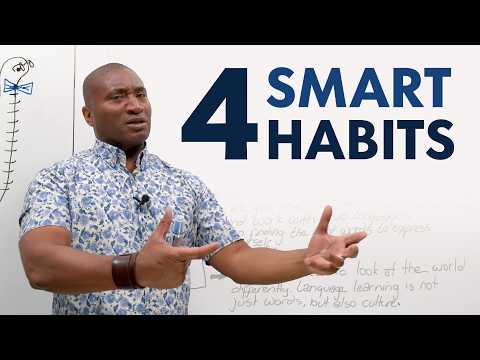
Smart People Learn Languages Differently. And You Can Too.
0
林宜悉 posted on 2026/01/09Ever wonder how truly smart people learn languages so fast? This video reveals their secret habits, like using the Feynman Technique and embracing study solitude, to help you boost your active listening and reduce your accent. You'll pick up advanced vocabulary and practical phrases perfect for intermediate learners!
Learn this video on the APP!
The VoiceTube App has more in-depth practice for videos!