
absolutely
US /ˈæbsəˌlutli, ˌæbsəˈlutli/
UK /ˈæbsəlu:tli/
- Adverb
- Completely; totally; very
- Considered independently and without relation to other things; viewed abstractly; as, quantity absolutely considered.
A2Moreacute
US /əˈkjut/
UK /əˈkju:t/
- Adjective
- (Of an angle in math) of less than 90 degrees
- Strong; very serious or severe
B1Moreadmission
US /ædˈmɪʃən/
UK /ədˈmɪʃn/
- Noun (Countable/Uncountable)
- Act of allowing someone to enter
- Taking responsibility for an error or mistake
B1TOEICMoreadvance
US /ædˈvæns/
UK /əd'vɑ:ns/
- Noun
- Forward movement by an army
- An attempt to seduce someone
- Verb (Transitive/Intransitive)
- (Of an army) to move forward
- To change or improve
A2TOEICMoreadvanced age
US
UK
- Noun
- Old age; a late stage in life.
- Adjective
- Being elderly or in the later years of life.
A1Morealong with
US /əˈlɔŋ wɪð/
UK /əˈlɔŋ wið/
- Preposition
- In addition to; together with.
- Adverb
- In company or together with someone or something.
- Including; in addition to.
A2Moreas anything
US /əz ˈɛnɪθɪŋ/
UK /əz ˈeniθɪŋ/
- other
- Used to emphasize intensity or degree of a quality or action.
B2Moreas opposed to
US
UK
- Preposition
- In contrast to; rather than.
- Instead of; in place of.
A1Moreas well as
US /æz wɛl æz/
UK /æz wel æz/
- Adverb
- Also; in addition to
- Preposition
- In addition to; and also.
A1Moreat least
US /æt list/
UK /æt li:st/
- Adverb
- As a minimum
- Not less than
- Phrase
- No less than; at the minimum
- Used to indicate that something is positive in a bad situation.
C2Moreat risk
US
UK
- Phrase
- In danger; likely to be harmed
at that time
US /æt ðæt taɪm/
UK /æt ðæt taim/
- Phrase
- During a specific point in the past.
A1Moreaudience
US /ˈɔdiəns/
UK /ˈɔ:diəns/
- Noun (Countable/Uncountable)
- Group of people attending a play, movie etc.
A2TOEICMoreballoon
US /bəˈlun/
UK /bəˈlu:n/
- Countable Noun
- Thin bag of rubber filled with air, used as a toy
- Large air-filled bag to carry people into the air
- Verb (Transitive/Intransitive)
- To grow larger quickly; spring up suddenly
- To travel in a large balloon
B1Morebased on
US
UK
- Phrasal Verb
- To use something as the foundation or starting point for something else.
- Preposition
- Using something as the main idea or foundation.
- Relying on something as evidence or justification.
A1Moreby heart
US /baɪ hɑrt/
UK /bai hɑ:t/
- Adverb
- Learned or memorized perfectly.
- Phrase
- To memorize something perfectly
A2Morecardiac
US /ˈkɑ:rdiæk/
UK /ˈkɑ:diæk/
- Adjective
- Concerning the heart
B2Morecardiology
US
UK
- Uncountable Noun
- Branch of medicine dealing with heart disease
C1Morecare of
US /kɛr ʌv/
UK /kɛə ɔv/
- Preposition
- Used in an address to indicate the person who will receive the mail for someone else.
A2Morechronic
US /ˈkrɑnɪk/
UK /'krɒnɪk/
- Adjective
- Always or often doing something, e.g. lying
- (Of disease) over a long time; serious
B1Moreclinic
US /ˈklɪnɪk/
UK /ˈklɪnɪk/
- Noun
- Local medical center; department of a hospital
B1Moreclinical
US /ˈklɪnɪkəl/
UK /ˈklɪnɪkl/
- Adjective
- Concerning the treatment or observing patients
- Using scientific techniques and precision
B1Morecome back
US /kʌm bæk/
UK /kʌm bæk/
- Phrasal Verb
- To reply to someone, often forcefully
- To be remembered
A1Moreconcise
US /kənˈsaɪs/
UK /kənˈsaɪs/
- Adjective
- Being brief and to the point; short
- Expressing much in few words; clear and succinct.
C1Morecongestion
US /kənˈdʒestʃən/
UK /kənˈdʒestʃən/
- Uncountable Noun
- Excessive accumulation of blood/fluid in the body
- The state of being crowded and blocked with traffic or people.
B2Morecontemporary
US /kənˈtɛmpəˌrɛri/
UK /kən'temprərɪ/
- Adjective
- Being modern, up -to-date, of this age
- Happening in the same time period
- Countable Noun
- Person doing things at the same time as you
B1Morecourtesy of
US
UK
- Preposition
- Provided or permitted by (someone or something).
- Because of; as a result of.
B2Morecritical
US /ˈkrɪtɪkəl/
UK /ˈkrɪtɪkl/
- Adjective
- Making a negative judgment of something
- Being important or serious; vital; dangerous
A2Moredatum
US /ˈdetəm, ˈdætəm, ˈdɑtəm/
UK /ˈdeɪtəm/
- Noun
- Item of factual information
B1Morede novo
US
UK
- Adjective
- Newly arising; synthesized from scratch, especially referring to a new mutation or a newly synthesized molecule.
- Adverb
- Anew; from the beginning. In law, it refers to a fresh determination of an issue that has already been decided.
determine
US /dɪˈtɚmɪn/
UK /dɪ'tɜ:mɪn/
- Transitive Verb
- To control exactly how something will be or act
- To establish the facts about; discover
A2TOEICMoredevice
US /dɪˈvaɪs/
UK /dɪˈvaɪs/
- Noun (Countable/Uncountable)
- Object, machine, or equipment for a specific use
- Method of doing something; a way
A2TOEICMoredischarge
US /dɪsˈtʃɑ:rdʒ/
UK /dɪsˈtʃɑ:dʒ/
- Transitive Verb
- To complete a task that has been assigned
- To produce or release a substance
- Noun (Countable/Uncountable)
- A substance that has been released
- The retirement of someone from service e.g. army
B1Moredo over
US /du ˈovɚ/
UK /du: ˈəuvə/
- Phrasal Verb
- To repeat an action; do something again
A1Moredue to
US /du tu/
UK /dju: tu:/
- Preposition
- Because of; owing to
- Adjective
- Attributable to; caused by.
A1Moredysfunction
US /dɪsˈfʌŋkʃən/
UK /dɪs'fʌŋkʃn/
- Noun (Countable/Uncountable)
- Failure to act as expected, as in a social context
- Impairment of normal physiological function.
B2Moreemerge
US /ɪˈmɚdʒ/
UK /ɪ'mɜ:dʒ/
- Intransitive Verb
- To rise or appear out of some background
- To become known or apparent.
A2TOEICMoreemerged as
US
UK
- Phrasal Verb
- To become known or apparent; to come forth as.
B2Moreend in
US /ɛnd ɪn/
UK /end in/
- Phrasal Verb
- To have something as the final result.
engage in
US /ɪn'gedʒ ɪn/
UK /ɪnˈɡeɪdʒ in/
- Phrasal Verb
- To participate or become involved in something.
B1Moreenrol
US /ɪnˈroʊl/
UK /ɪnˈrəʊl/
- Transitive Verb
- To put someone into a group; to register
B2Moreescalation
US /ˌeskə'leɪʃn/
UK /ˌeskə'leɪʃn/
- Noun (Countable/Uncountable)
- An increase in severity
B2Moreescape
US /ɪˈskep/
UK /ɪ'skeɪp/
- Noun (Countable/Uncountable)
- Act to briefly ignoring boring or bad things
- The 'esc key' on a keyboard
- Verb (Transitive/Intransitive)
- To avoid something undesirable, dangerous or bad
- To get away from a place where you are being kept
A2Moreevidence of
US
UK
- Phrase
- Facts, objects, or signs that make you believe that something is true.
- Something that shows that something else exists or is true.
A1Moreexperience in
US
UK
- Phrase
- Knowledge or skill gained from doing something for a period of time.
- Exposure to or involvement in a particular activity or situation.
B1Morefamiliar
US /fəˈmɪljɚ/
UK /fəˈmɪliə(r)/
- Adjective
- Well-known or easily recognized
- Having a good knowledge of something.
- Noun
- A close friend or associate.
- (In folklore) a spirit, often in animal form, believed to attend and serve a witch.
A2TOEICMorefold
US /fold/
UK /fəʊld/
- Transitive Verb
- To bend one part of something against another
- (Of business) to fail or close down
- Countable Noun
- Pen where sheep are kept
- Group of people who have a common belief
B1TOEICMorefollowed up
US
UK
- Phrasal Verb
- To check information or facts later
- Verb (Transitive/Intransitive)
- To contact someone again after an initial meeting or communication.
- To take further action; to pursue something further.
A1Morego out
US /ɡo aʊt/
UK /ɡəu aut/
- Phrase
- To leave a building (e.g. a house)
- Phrasal Verb
- (Of a fire) to burn out; be extinguished
- Go out of fashion to stop being fashionable
A1Morego straight
US /ɡo stret/
UK /ɡəu streit/
- Intransitive Verb
- To continue in the same direction without turning.
- To start living an honest and law-abiding life.
A1Morehave to
US /hæv tu/
UK /ˈhæv tə/
- Auxiliary Verb
- Must do
A1Morehot off
US
UK
- Adjective
- Freshly produced; just made available to the public.
- Recently received or obtained; very recent.
A2Morein addition to
US /ɪn əˈdɪʃən tu/
UK /in əˈdiʃən tu:/
- Preposition
- Besides; as well as
- Phrase
- Besides; as well as.
- Furthermore; moreover.
B1Morein circulation
US /ɪn ˌsɚkjəˈleʃən/
UK /in ˌsə:kjuˈleiʃən/
- Adjective
- Available and being used by the public.
- Being passed from person to person.
A1Morein concert
US /ɪn ˈkɑnˌsɚt/
UK /in ˈkɔnsət/
- Adverb
- Together in cooperation or agreement.
- Phrase
- Performing a live musical performance.
A2Morein extremis
US /ɪn ɪkˈstrimɪs/
UK /in ɪkˈstri:mɪs/
- other
- In a critical or desperate situation.
C2Morein fact
US /ɪn fækt/
UK /in fækt/
- Adverb
- Used to emphasize the truth of a statement, especially one that contrasts with or contradicts something else.
- Used to introduce a more detailed or surprising piece of information.
- Phrase
- Used to emphasize the truth of a statement, especially one that is surprising or contrary to what might be expected.
C1Morein hospital
US /ɪn ˈhɑspɪtl/
UK /ɪn ˈhɒspɪtl/
- other
- Admitted to a hospital for treatment.
A2Morein mind
US /ɪn maɪnd/
UK /in maind/
- Phrase
- Being aware of or considering something.
- To remember or consider something.
A2Morein parallel
US /ɪn ˈpærəˌlɛl/
UK /in ˈpærəlel/
- Adverb
- Done at the same time; simultaneously.
- Adjective
- Relating to a system where multiple operations are carried out simultaneously, especially in computing.
C2Morein particular
US /ɪn pɚˈtɪkjəlɚ/
UK /in pəˈtikjulə/
- Phrase
- Specifically; especially.
- Detailed or precise.
A1Morein shock
US
UK
- Phrase
- When not enough blood flows round the body
A2Morein step
US
UK
- Phrase
- Moving or progressing at the same rate or in harmony.
- With each foot movement synchronized.
- Adjective
- In agreement or conformity with current trends or ideas.
A1Morein terms of
US
UK
- Phrase
- With regard to; concerning a particular aspect.
A1Morein the red
US
UK
- Adjective
- Operating at a loss; in debt.
- Phrase
- Having overdrawn money from a bank account.
A1Morein total
US /ɪn ˈtotl/
UK /in ˈtəutəl/
- Phrase
- Completely; with everything added together.
A1Moreincreased risk
US
UK
- Noun
- A greater chance of something harmful or dangerous happening.
- A higher probability of financial loss in an investment.
B2Moreinvasive
US /ɪnˈvesɪv/
UK /ɪnˈveɪsɪv/
- Adjective
- Entering the body, etc. in a destructive way
- Tending to spread aggressively; intrusive.
C1Morelimb
US /lɪm/
UK /lɪm/
- Noun (Countable/Uncountable)
- Leg, arm, branch or wing
- Part of something that extends out over an area
B1Morelook at
US /lʊk æt/
UK /luk æt/
- Phrasal Verb
- To use your eyes to focus on something
- To focus your eyes on something carefully
A1Morelooking out
US
UK
- Phrasal Verb
- To take care and watch something carefully
- To be careful; to be vigilant
- Intransitive Verb
- To be careful or vigilant
A1Moremade with
US
UK
- Phrase
- Containing a particular ingredient or material.
- Created or produced using a specific tool, method, or process.
- Phrasal Verb
- To offer or provide something, often quickly or unexpectedly.
A1Moremoderate
US /ˈmɑdərɪt/
UK /ˈmɒdərət/
- Verb (Transitive/Intransitive)
- To host a meeting or panel discussion
- To make something less violent, severe, or strong
- Adjective
- Being average in quantity or size
B1Moremortality
US /mɔrˈtælɪti/
UK /mɔ:ˈtæləti/
- Uncountable Noun
- Quality or state of being capable of dying
- The state of being subject to death; the proportion of deaths to population.
B2Moreof course
US /ʌv kɔː(r)s/
UK /ɔv kɔː(r)s/
- Adverb
- Sure ; Certainly
- Phrase
- For sure; certainly
A2Moreof value
US /ʌv ˈvælju/
UK /ɔv ˈvælju/
- Adjective
- Having worth, importance, or usefulness.
- Providing a benefit or advantage.
A1Moreopen up to
US
UK
- Phrasal Verb
- To start talking more freely about your feelings and private thoughts.
- To become available or possible.
A1Moreorgan
US /ˈɔrɡən/
UK /'ɔ:ɡən/
- Noun (Countable/Uncountable)
- Part of a person's body with a particular function
- Large institution or body
B1Moreoutside of
US /aʊtˈsaɪd ʌv/
UK /ˌautˈsaid ɔv/
- Preposition
- Located or situated beyond the boundaries or confines of something.
- Beyond the scope, range, or limits of something.
A1Morepa
US /pɑ/
UK /ˌpi:'eɪ/
- Noun
- Father
B2Morepalliative
US /ˈpæliˌetɪv, -iətɪv/
UK /ˈpæliətɪv/
- Adjective
- Moderating suffering by making it easier to bear
C1Morepractice
US /ˈpræktɪs/
UK /'præktɪs/
- Noun
- The office and place for legal or medical work
- Doing something many times to become better at it
- Verb (Transitive/Intransitive)
- To work as a doctor or lawyer
- To live according to the teachings of a religion
A2TOEICMorepressure
US /ˈprɛʃɚ/
UK /'preʃə(r)/
- Noun (Countable/Uncountable)
- Anxiety caused by difficult problems
- Force, weight when pressing against a thing
- Transitive Verb
- To apply force to something
- To persuade or force someone to do something
A2TOEICMoreprior to
US /ˈpraɪɚ tu/
UK /ˈpraiə tu:/
- Preposition
- Before a particular time or event.
C1Morepulmonary
US /ˈpʌlməneri/
UK /ˈpʌlmənəri/
- Adjective
- Concerning the lungs/disease of the lungs
C1Morepump
US /pʌmp/
UK /pʌmp/
- Verb (Transitive/Intransitive)
- To make liquid or gas flow in a particular direction
- To make water/other liquid move using a machine
- Noun
- A device more moving liquids
- Light woman's shoe
B1Morerecognition
US /ˌrɛkəɡˈnɪʃən/
UK /ˌrekəgˈnɪʃn/
- Uncountable Noun
- Accepting that something is true or that it exists
- Considering something as important or special
B1TOEICMorerenal
US /ˈrinəl/
UK /ˈri:nl/
- Adjective
- Of the kidneys or diseases of the kidneys
B2Morerequire
US /rɪˈkwaɪr/
UK /rɪ'kwaɪə(r)/
- Transitive Verb
- To demand that someone does something
- To need to do something, to make it necessary
A2TOEICMoresee in
US /si ɪn/
UK /si: in/
- Phrasal Verb
- To accompany someone to the entrance of a building or room.
A1Moreshow of hands
US
UK
- Noun
- A way of voting in which people raise their hands to show that they support something.
A1Moresignificant
US /sɪɡˈnɪfɪkənt/
UK /sɪgˈnɪfɪkənt/
- Adjective
- Large enough to be noticed or have an effect
- Having meaning; important; noticeable
A2TOEICMorestep down
US /stɛp daʊn/
UK /step daun/
- Phrasal Verb
- To reduce the amount of something
- To resign
- Transitive Verb
- To reduce the voltage of an electrical current.
A1Moretemporary
US /'tempəreri/
UK /ˈtemprəri/
- Adjective
- Continuing for a limited time; not permanent
- Noun
- A temporary worker.
A2TOEICMorethanks to
US /θæŋks tu/
UK /θæŋks tu:/
- Preposition
- Because of; as a result of.
A1Morethe following
US
UK
- Adjective
- Next in order or sequence.
- Uncountable Noun
- What is about to be said or written.
B1Moretherapy
US /ˈθɛrəpi/
UK /'θerəpɪ/
- Noun (Countable/Uncountable)
- Treatment to help cure an illness
- Psychological counseling to help resolve personal or emotional problems.
B2Morethink about
US /θɪŋk əˈbaʊt/
UK /θiŋk əˈbaut/
- Phrasal Verb
- To consider something carefully.
- To remember or call to mind.
A1Moreto date
US /tu det/
UK /tu: deit/
- Phrase
- Up to the present time; until now.
- Verb (Transitive/Intransitive)
- To go out on romantic dates with someone.
C2Moreto death
US /tu dɛθ/
UK /tu: deθ/
- Phrase
- Extremely; to a great degree
- Until death
B1Moretransplant
US /trænsˈplænt/
UK /trænsˈplɑ:nt/
- Noun
- A medical operation to replace organs of the body
- Transitive Verb
- To replace organ in the body by an operation
B2Moretrial
US /ˈtraɪəl, traɪl/
UK /ˈtraɪəl/
- Noun (Countable/Uncountable)
- Hearing and judgment of a case in court
- Act or process of testing or experimenting
- Transitive Verb
- To be made or done as a test or experiment
A2TOEICMoreused to
US /juzd tu/
UK /ˈju:st tə/
- Adjective
- Did regularly before, but don't do now
- Auxiliary Verb
- Have done before, but do not do now
A1Morewalk with
US /wɔk wɪð/
UK /wɔ:k wið/
- Phrasal Verb
- To accompany someone while walking.
- Verb (Transitive/Intransitive)
- To support or stand by someone.
wean off
US
UK
- Phrasal Verb
- To gradually stop someone from being dependent on something.
A2Morewedge
US /wɛdʒ/
UK /wedʒ/
- Countable Noun
- Golf club designed to hit the ball high in the air
- Triangular shape with a sharp point
- Transitive Verb
- To push something forcefully into a narrow space
- To place something under a door to keep it open
B2Morewrap up
US /ræp ʌp/
UK /ræp ʌp/
- Phrasal Verb
- To complete something, such as a film or project
- To finish; bring something to a conclusion
- Transitive Verb
- To enclose (something) in paper or soft material.
B1More
Vocabulary
- based on: To use something as the foundation or starting point for something else.
- as well as: Also; in addition to
- of course: Sure ; Certainly
- look at: To use your eyes to focus on something
- in fact: Used to emphasize the truth of a statement, especially one that contrasts with or contradicts something else.
- at least: As a minimum
- in terms of
- in shock: When not enough blood flows round the body
- evidence of: Facts, objects, or signs that make you believe that something is true.
- in hospital: Admitted to a hospital for treatment.
- de novo: Newly arising; synthesized from scratch, especially referring to a new mutation or a newly synthesized molecule.
- to date: Up to the present time; until now.
- due to: Because of; owing to
- care of: Used in an address to indicate the person who will receive the mail for someone else.
- by heart: Learned or memorized perfectly.
- come back: To reply to someone, often forcefully
- in particular: Specifically; especially.
- in the red: Operating at a loss; in debt.
- at that time: During a specific point in the past.
- experience in: Knowledge or skill gained from doing something for a period of time.
- increased risk: A greater chance of something harmful or dangerous happening.
- in circulation: Available and being used by the public.
- as opposed to: In contrast to; rather than.
- thanks to: Because of; as a result of.
- do over: To repeat an action; do something again
- engage in: To participate or become involved in something.
- the following: Next in order or sequence.
- prior to: Before a particular time or event.
- show of hands: A way of voting in which people raise their hands to show that they support something.
- go straight: To continue in the same direction without turning.
- to death: Extremely; to a great degree
- emerged as: To become known or apparent; to come forth as.
- used to: Did regularly before, but don't do now
- at risk: In danger; likely to be harmed
- in extremis: In a critical or desperate situation.
- in step: Moving or progressing at the same rate or in harmony.
- step down: To reduce the amount of something
- made with: Containing a particular ingredient or material.
- end in: To have something as the final result.
- along with: In addition to; together with.
- in mind: Being aware of or considering something.
- outside of: Located or situated beyond the boundaries or confines of something.
- of value: Having worth, importance, or usefulness.
- see in: To accompany someone to the entrance of a building or room.
- have to: Must do
- looking out: To take care and watch something carefully
- hot off: Freshly produced; just made available to the public.
- in total: Completely; with everything added together.
- advanced age: Old age; a late stage in life.
- as anything: Used to emphasize intensity or degree of a quality or action.
- go out: To leave a building (e.g. a house)
- in addition to: Besides; as well as
- walk with: To accompany someone while walking.
- in parallel: Done at the same time; simultaneously.
- courtesy of: Provided or permitted by (someone or something).
- open up to: To start talking more freely about your feelings and private thoughts.
- in concert: Together in cooperation or agreement.
- wrap up: To complete something, such as a film or project
- think about: To consider something carefully.
- wean off: To gradually stop someone from being dependent on something.
- followed up: To check information or facts later
- sort: To organize things by putting them into groups
- chronic: Always or often doing something, e.g. lying
- absolutely: Completely; totally; very
- significant: Large enough to be noticed or have an effect
- critical: Making a negative judgment of something
- evidence: Factual proof that helps to establish the truth
- practice: The office and place for legal or medical work
- determine: To control exactly how something will be or act
- therapy: Treatment to help cure an illness
- common: Area in a city or town that is open to everyone
- audience: Group of people attending a play, movie etc.
- develop: To explain something in steps and in detail
- familiar: Well-known or easily recognized
- mortality: Quality or state of being capable of dying
- failure: When things go wrong; lack of function
- trial: Hearing and judgment of a case in court
- pressure: Anxiety caused by difficult problems
- increase: To make or become larger in size or amount
- cardiovascular: Concerning the heart and vessels of the body
- escape: Act to briefly ignoring boring or bad things
- moderate: To host a meeting or panel discussion
- recognition: Accepting that something is true or that it exists
- emerge: To rise or appear out of some background
- require: To demand that someone does something
- concise: Being brief and to the point; short
- contemporary: Being modern, up -to-date, of this age
- advance: Forward movement by an army
- organ: Part of a person's body with a particular function
- temporary: Continuing for a limited time; not permanent
- admission: Act of allowing someone to enter
- risk: To do something potentially dangerous or foolish
- lead: Wire for electricity, computer, etc.; cable
- congestion: Excessive accumulation of blood/fluid in the body
- clinical: Concerning the treatment or observing patients
- device: Object, machine, or equipment for a specific use
- acute: (Of an angle in math) of less than 90 degrees
- fold: To bend one part of something against another
- invasive: Entering the body, etc. in a destructive way
- arrest: To attract someone's attention and hold interest
- important: Having power or authority
- cardiac: Concerning the heart
- manage: To survive hardships and difficulties; to cope
- support: To give assistance or advice to someone
- worse: Comparative of 'bad'; more bad
- great: Very good; better than before
- pump: To make liquid or gas flow in a particular direction
- limb: Leg, arm, branch or wing
- discharge: To complete a task that has been assigned
- dysfunction: Failure to act as expected, as in a social context
- escalation: An increase in severity
- clinic: Local medical center; department of a hospital
- balloon: Thin bag of rubber filled with air, used as a toy
- datum: Item of factual information
- wedge: Golf club designed to hit the ball high in the air
- transplant: A medical operation to replace organs of the body
- palliative: Moderating suffering by making it easier to bear
- pulmonary: Concerning the lungs/disease of the lungs
- enrol: To put someone into a group; to register
- renal: Of the kidneys or diseases of the kidneys
- cardiology: Branch of medicine dealing with heart disease
- pa: Father
Get the full experience in the app
Learn anywhere with detailed sentence and usage analysis
01:03
She took a brave step forward, leaving behind her comfort zone to chase her dreams.
Vocabulary
- brave
adj. Having courage
- comfort zone
phr. A familiar situation where one feels safe
Explanation
a brave step is a noun phrase, where brave is an adjective modifying the noun step, meaning "a courageous step".
forward is an adverb modifying step, meaning "ahead".
The whole phrase serves as the object, answering the "what" of took (verb) — she took a brave step forward.
Get the full experience in the app
Look up words anytime with pronunciation, part of speech, and usage
brave
US/brev/
UK/breɪv/
adj.Brave
v.t.To bravely face
A2 Elementary
Get the full experience in the app
Practice speaking anytime and get instant pronunciation feedback
Try this speaking exercise.
Try practicing with this sentence.
80
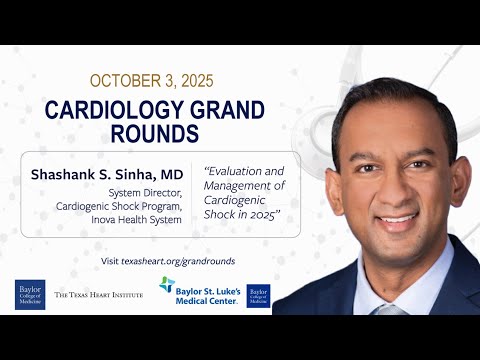
Shashank Sinha, M.D. | Evaluation and Management of Cardiogenic Shock in 2025
0
谷 posted on 2026/01/07Ever wondered about the cutting edge of cardiogenic shock management? This video dives deep into the latest strategies, including temporary MCS and VA ECMO, perfect for boosting your advanced vocabulary and understanding complex medical scenarios. You'll gain valuable insights into the 'golden hour' and team-based care that can make all the difference!
Learn this video on the APP!
The VoiceTube App has more in-depth practice for videos!