
accommodation
US /əˌkɑməˈdeʃən/
UK /əˌkɒmə'deɪʃn/
- Uncountable Noun
- Adapting to become better at handling situations
- Consideration of the needs and opinions of others
B1TOEICMoreadvantage
US /ædˈvæntɪdʒ/
UK /əd'vɑ:ntɪdʒ/
- Noun (Countable/Uncountable)
- Thing making the chance of success higher
- A positive point about something
- Transitive Verb
- To make use of something, especially to further one's own position; exploit.
A2TOEICMoreaffect
US /əˈfɛkt/
UK /ə'fekt/
- Transitive Verb
- To cause a change in something else
- To pretend to have or feel (something).
- Noun
- (Psychology) Emotion or feeling.
A2TOEICMoreallege
US /əˈlɛdʒ/
UK /əˈledʒ/
- Transitive Verb
- To state without proof
B1TOEICMoreallegedly
US /ə'ledʒɪdlɪ/
UK /ə'ledʒɪdlɪ/
- Adverb
- According to what has been alleged
B2Morearson
US
UK
- Uncountable Noun
- Crime of burning property
B2Moreblackout
US /ˈblækˌaʊt/
UK /'blækaʊt/
- Noun
- When the electric power is off; outage
- A temporary loss of consciousness, sight, or memory.
C1Morebreak into
US /brek ˈɪntu/
UK /breik ˈɪntuː/
- Phrasal Verb
- To start suddenly (crying, panicking, etc.)
- To get into a new field of work
A1Morecable
US /ˈkebəl/
UK /ˈkeɪbl/
- Transitive Verb
- To transmit a message over a wire
- Noun (Countable/Uncountable)
- Message sent by wireless telegraphy
- Satellite TV distributed by cables
B1Morecapital
US /ˈkæpɪtl/
UK /'kæpɪtl/
- Noun
- Writing the first letter of a word in big letters
- Official main city of a country, province or state
- Adjective
- Main, or major
- (Of an offense) liable to the death penalty.
A2Morecause
US /kɔz/
UK /kɔ:z/
- Noun
- Belief, goal or organization that people support
- Reason for
- Transitive Verb
- To make something happen; create effect or result
A2Moreclaim
US /klem/
UK /kleɪm/
- Noun (Countable/Uncountable)
- To say that something is true, often without proof.
- A statement that something is true.
- Transitive Verb
- To demand or ask for something that you believe is rightfully yours.
- To take or cause the loss of (e.g., a life, property).
A2Morecome back
US /kʌm bæk/
UK /kʌm bæk/
- Phrasal Verb
- To reply to someone, often forcefully
- To be remembered
A1Moreconfession
US /kənˈfɛʃən/
UK /kənˈfeʃn/
- Noun
- Admission you have done something wrong
- A statement acknowledging something, often something embarrassing or damaging.
B1Moredeliberately
US /dɪˈlɪbərɪtlɪ/
UK /dɪˈlɪbərətli/
- Adverb
- In a careful, considered manner; on purpose
- Purposely; on purpose
B2TOEICMoredeploy
US /dɪˈplɔɪ/
UK /dɪˈplɔɪ/
- Transitive Verb
- To put into position (often a military operation)
- To put something into use or action.
B1TOEICMoredisrupt
US /dɪsˈrʌpt/
UK /dɪsˈrʌpt/
- Transitive Verb
- To cause a disturbance in an activity in progress
B2TOEICMoreescape
US /ɪˈskep/
UK /ɪ'skeɪp/
- Noun (Countable/Uncountable)
- Act to briefly ignoring boring or bad things
- The 'esc key' on a keyboard
- Verb (Transitive/Intransitive)
- To avoid something undesirable, dangerous or bad
- To get away from a place where you are being kept
A2Moreexistential
US /ˌɛɡzɪˈstɛnʃəl, ˌɛksɪ-/
UK /ˌegzɪˈstenʃəl/
- Adjective
- Philosophy concerning existence
B2Moreexploit
US /ɪkˈsplɔɪt/
UK /ɪk'splɔɪt/
- Transitive Verb
- To selfishly take advantage of or treat badly
- To use something in a very effective manner
- Noun (Countable/Uncountable)
- Personal journey or series of events
- A bold or daring feat.
B1TOEICMoreextremist
US /ɪkˈstrimɪst/
UK /ɪkˈstri:mɪst/
- Adjective
- (Of politics, etc.) far stronger than the norm
- Noun
- Person with very strong or radical views
B1Morefigure out
US /ˈfɪɡjɚ aʊt/
UK /ˈfiɡə aut/
- Phrasal Verb
- To understand the behavior of someone
- To think through logically to find a solution
- Verb (Transitive/Intransitive)
- To understand or find an answer to something.
- To find a solution to a problem or understand something.
A1Morefirsthand
US /'fɜ:st'hænd/
UK /'fɜ:st'hænd/
- Adjective
- Received directly from a source
C1Moreflat
US /flæt/
UK /flæt/
- Noun (Countable/Uncountable)
- Apartment; set of rooms for living in
- The smooth or level part of something
- Verb (Transitive/Intransitive)
- To share an apartment with someone
- To fail to produce the intended effect; to be unsuccessful or uninteresting.
A2Moreflat out
US /flæt aʊt/
UK /flæt aut/
- Phrase
- To go as fast as you possibly can
- Adjective
- Extremely busy.
A2Morefossil
US /ˈfɑsəl/
UK /'fɒsl/
- Noun (Countable/Uncountable)
- Plant or animal that became rock after many years
- A person or thing that is outdated or no longer useful.
- Adjective
- Relating to or resembling a fossil.
- Relating to or denoting energy generated from fossil fuels.
B1Moregrid
US /ɡrɪd/
UK /ɡrɪd/
- Noun
- Electrical network supplying electricity to area
- Metal structure with bars used to cover a hole
- Transitive Verb
- To mark with a grid.
B2Morehave to
US /hæv tu/
UK /ˈhæv tə/
- Auxiliary Verb
- Must do
A1Morein the dark
US /ɪn ði dɑrk/
UK /in ðə dɑ:k/
- Adjective
- Uninformed about something; unaware.
- Phrase
- In a state of secrecy or ignorance.
- In a place with little or no light.
A1Moremayor
US /ˈmeɪər/
UK /meə(r)/
- Noun
- Head of a town or city government
B1TOEICMoreof course
US /ʌv kɔː(r)s/
UK /ɔv kɔː(r)s/
- Adverb
- Sure ; Certainly
- Phrase
- For sure; certainly
A2Moreon sunday
US
UK
- Phrase
- Every Sunday; each Sunday.
- Referring to a particular Sunday.
A1Moreoutage
US /ˈaʊtɪdʒ/
UK /ˈaʊtɪdʒ/
- Noun
- Temporary loss of electrical power
C2Morepass by
US /pæs baɪ/
UK /pɑ:s bai/
- Phrasal Verb
- To go past someone or something.
- To elapse; for time to go by.
C2Morepolitical
US /pəˈlɪtɪkəl/
UK /pəˈlɪtɪkl/
- Adjective
- Being active or interested in government matters
- Diplomatic
A2Morepopulation
US /ˌpɑpjəˈleʃən/
UK /ˌpɒpjuˈleɪʃn/
- Noun (Countable/Uncountable)
- Number of people who live in a country, area etc.
- A group of individuals of one species living in a particular area.
A2TOEICMorepressure
US /ˈprɛʃɚ/
UK /'preʃə(r)/
- Noun (Countable/Uncountable)
- Anxiety caused by difficult problems
- Force, weight when pressing against a thing
- Transitive Verb
- To apply force to something
- To persuade or force someone to do something
A2TOEICMoreprevent
US /prɪˈvɛnt/
UK /prɪ'vent/
- Transitive Verb
- To stop something from happening or existing
A2TOEICMoreproperly
US /ˈprɑːpərli/
UK /ˈprɔpəlɪ/
- Adverb
- In an appropriate or correct manner
- In a way that is suitable or appropriate.
A2Morerelief
US /rɪˈlif/
UK /rɪˈli:f/
- Noun (Countable/Uncountable)
- Aid given to people in need as after war/disaster
- Artwork, e.g. part of wall, that partly sticks out
B1TOEICMoreremain
US /rɪˈmen/
UK /rɪˈmeɪn/
- Intransitive Verb
- To be left behind; to continue to exist
- To stay in a place when other people have gone
A2TOEICMorerestore
US /rɪˈstɔr, -ˈstor/
UK /rɪˈstɔ:(r)/
- Transitive Verb
- To return a thing to its original condition
B1Moresabotage
US /ˈsæbəˌtɑʒ/
UK /'sæbətɑ:ʒ/
- Transitive Verb
- To destroy or damage, often secretly, to weaken
- Noun (Countable/Uncountable)
- Destroying or damaging so as to weaken enemy, etc.
B2Moresensitive
US /ˈsɛnsɪtɪv/
UK /'sensətɪv/
- Adjective
- Taking offense easily; easily upset or hurt
- (Private information) needing careful treatment
A2TOEICMoreshelter
US /ˈʃɛltɚ/
UK /'ʃeltə(r)/
- Noun (Countable/Uncountable)
- Place to protect people/animals from abuse
- Structure that covers or protects things
- Transitive Verb
- To give animals, people a place away from abuse
- To find protection from danger/bad weather
B1Moresouthwest
US /saʊθˈwɛst, saʊˈwɛst/
UK /ˌsaʊθ'west/
- Noun
- Location in the southwestern part of an area
B2Morestay in
US /ste ɪn/
UK /stei in/
- Phrasal Verb
- To remain inside one's home.
- Intransitive Verb
- To remain as an inpatient in a hospital.
suspect
US /səˈspɛkt/
UK /sə'spekt/
- Noun
- Person thought to have committed a crime
- Transitive Verb
- To consider someone is the one guilty of a crime
- To doubt or lack trust
A2TOEICMoretrigger
US /ˈtrɪɡɚ/
UK /'trɪɡə(r)/
- Noun
- Lever on a gun that you pull to fire
- Device that starts a process
- Transitive Verb
- To start a process off e.g. a memory
- To cause something to begin or happen.
B1Moreupdate
US /ʌpˈdet/
UK /ˌʌpˈdeɪt/
- Noun (Countable/Uncountable)
- Addition of a current version of something
- New information or data to make more current
- Transitive Verb
- To download the latest version of software
- To make more current or modern
B1TOEICMorewarm up
US /wɔːrm ʌp/
UK
- Phrasal Verb
- To gently exercise muscles before doing sport
A1Morewilderness
US /ˈwɪldənɪs/
UK /'wɪldənəs/
- Noun (Countable/Uncountable)
- Rural area left natural and largely untouched
B1More
Vocabulary
- in the dark: Uninformed about something; unaware.
- of course: Sure ; Certainly
- warm up: To gently exercise muscles before doing sport
- have to: Must do
- figure out: To understand the behavior of someone
- on sunday: Every Sunday; each Sunday.
- flat out: To go as fast as you possibly can
- come back: To reply to someone, often forcefully
- stay in: To remain inside one's home.
- break into: To start suddenly (crying, panicking, etc.)
- pass by: To go past someone or something.
- trigger: Lever on a gun that you pull to fire
- situation: Place, position or area that something is in
- properly: In an appropriate or correct manner
- deliberately: In a careful, considered manner; on purpose
- advantage: Thing making the chance of success higher
- fear: Unpleasant feeling caused by being aware of danger
- claim: To say that something is true, often without proof.
- pressure: Anxiety caused by difficult problems
- prevent: To stop something from happening or existing
- exploit: To selfishly take advantage of or treat badly
- disrupt: To cause a disturbance in an activity in progress
- political: Being active or interested in government matters
- affect: To cause a change in something else
- escape: Act to briefly ignoring boring or bad things
- flat: Apartment; set of rooms for living in
- capital: Writing the first letter of a word in big letters
- suspect: Person thought to have committed a crime
- shelter: Place to protect people/animals from abuse
- sensitive: Taking offense easily; easily upset or hurt
- sabotage: To destroy or damage, often secretly, to weaken
- remain: To be left behind; to continue to exist
- cause: Belief, goal or organization that people support
- confession: Admission you have done something wrong
- population: Number of people who live in a country, area etc.
- relief: Aid given to people in need as after war/disaster
- grid: Electrical network supplying electricity to area
- leave: To go away from; depart
- allegedly: According to what has been alleged
- fossil: Plant or animal that became rock after many years
- restore: To return a thing to its original condition
- fully: Completely or entirely
- accommodation: Adapting to become better at handling situations
- existential: Philosophy concerning existence
- deploy: To put into position (often a military operation)
- daily: Happening every day
- blackout: When the electric power is off; outage
- possibly: May be true or likely, but is uncertain
- part: Division of a book
- burn: To destroy with fire
- firsthand: Received directly from a source
- mayor: Head of a town or city government
- work: The product of some artistic or literary endeavor
- allege: To state without proof
- cable: To transmit a message over a wire
- stay: To keep trying without giving up
- people: Persons sharing culture, country, background, etc.
- tell: To (strongly) advise a person to do something
- wilderness: Rural area left natural and largely untouched
- dark: Of a color that is not light
- warm: To become more friendly or to like something
- extremist: (Of politics, etc.) far stronger than the norm
- update: Addition of a current version of something
- outage: Temporary loss of electrical power
- large: Big; of great size; broad, tall, wide, or fat
- arson: Crime of burning property
- southwest: Location in the southwestern part of an area
Get the full experience in the app
Learn anywhere with detailed sentence and usage analysis
01:03
She took a brave step forward, leaving behind her comfort zone to chase her dreams.
Vocabulary
- brave
adj. Having courage
- comfort zone
phr. A familiar situation where one feels safe
Explanation
a brave step is a noun phrase, where brave is an adjective modifying the noun step, meaning "a courageous step".
forward is an adverb modifying step, meaning "ahead".
The whole phrase serves as the object, answering the "what" of took (verb) — she took a brave step forward.
Get the full experience in the app
Look up words anytime with pronunciation, part of speech, and usage
brave
US/brev/
UK/breɪv/
adj.Brave
v.t.To bravely face
A2 Elementary
Get the full experience in the app
Practice speaking anytime and get instant pronunciation feedback
Try this speaking exercise.
Try practicing with this sentence.
80
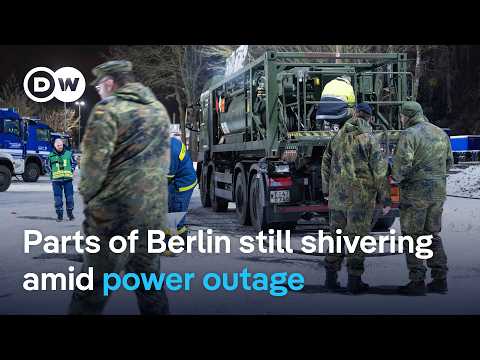
Berliners face days without power after sabotage | DW News
0
林宜悉 posted on 2026/01/06Imagine facing days without power in Berlin after a shocking sabotage attack! This DW News report dives into the real-life impact, from emergency shelters to the political extremism behind the incident. You'll pick up practical vocabulary for discussing current events and gain cultural insight into how communities cope with crises.
Learn this video on the APP!
The VoiceTube App has more in-depth practice for videos!