
adult
US / əˈdʌlt, ˈædʌlt/
UK /ˈædʌlt/
- Noun (Countable/Uncountable)
- Person or animal that is fully grown
- A fully grown animal.
- Adjective
- Being fully grown; mature; no longer a teenager
- Containing sexually explicit material.
A2TOEICMoreall the things
US
UK
- Pronoun
- Everything; all items or aspects
- Determiner
- Every item or object being considered or discussed.
A1Moreas a consequence of
US /əz ə ˈkɑnsəkwəns ʌv/
UK /əz ə ˈkɒnsikwəns əv/
- other
- Because of; due to something that happened before.
B2Moreasthma
US /ˈæzmə, ˈæs-/
UK /ˈæsmə/
- Uncountable Noun
- Lung illness causing difficulty in breathing
B2Moreat home
US /æt hom/
UK /æt həum/
- Phrase
- In one's own residence or country.
- Adjective
- Feeling comfortable and relaxed.
at least
US /æt list/
UK /æt li:st/
- Adverb
- As a minimum
- Not less than
- Phrase
- No less than; at the minimum
- Used to indicate that something is positive in a bad situation.
C2Moreat risk
US
UK
- Phrase
- In danger; likely to be harmed
at the moment
US
UK
- Adverb
- At this time; now
A1Morecare of
US /kɛr ʌv/
UK /kɛə ɔv/
- Preposition
- Used in an address to indicate the person who will receive the mail for someone else.
A2Moreclinic
US /ˈklɪnɪk/
UK /ˈklɪnɪk/
- Noun
- Local medical center; department of a hospital
B1Morecombo
US /ˈkɑːmboʊ/
UK /ˈkɒmbəʊ/
- Noun
- A small number of things that are combined or used together.
B1Morecompared with
US /kəmˈpɛrd wɪð/
UK /kəmˈpeəd wið/
- Preposition
- In relation to
- Verb (Transitive/Intransitive)
- To have examined the differences or similarities between two or more things.
A1Moreconsequence
US /ˈkɑnsɪˌkwɛns,-kwəns/
UK /ˈkɔnsikwəns/
- Noun (Countable/Uncountable)
- Importance of a person or thing
- Outcome of an event; result
A2Moredisease
US /dɪˈziz/
UK /dɪˈzi:z/
- Noun (Countable/Uncountable)
- Illness that affects a person, animal, or plant
- A disorder of structure or function in a plant, especially one caused by a pathogen.
- Transitive Verb
- To affect with disease; to corrupt or sicken.
A2TOEICMoredominant
US /ˈdɑmənənt/
UK /ˈdɒmɪnənt/
- Adjective
- The strongest; most powerful
- Being the most common, significant or important
- Noun
- (Music) The fifth note of a scale.
B1Moredrift
US /drɪft/
UK /drɪft/
- Intransitive Verb
- (Of sand, etc.) to be blown into heaps by the wind
- (Of boats) to move without purpose on water
B1Moredue to
US /du tu/
UK /dju: tu:/
- Preposition
- Because of; owing to
- Adjective
- Attributable to; caused by.
A1Moreestimate
US /ˈɛstəˌmet/
UK /'estɪmət/
- Noun (Countable/Uncountable)
- Guess or calculation of cost, size or value
- A judgment or opinion.
- Transitive Verb
- To guess or calculate the cost, size or value of
- To form an approximate idea or judgment of.
A2TOEICMoreexposure
US /ɪkˈspoʒɚ/
UK /ɪk'spəʊʒə(r)/
- Noun
- Allowing light through a cameras lens onto film
- Being talked about in the media
A2TOEICMorefever
US /ˈfivɚ/
UK /'fi:və(r)/
- Noun (Countable/Uncountable)
- A high body temperature, indicating illness
- State of excited emotion or activity
- Transitive Verb
- To cause to have a fever.
B1Moreflu
US /flu/
UK /flu:/
- Noun (Countable/Uncountable)
- Illness causing headache, fever etc.
- A specific instance or bout of influenza.
B2Morefor instance
US /fɔr ˈɪnstəns/
UK /fɔ: ˈinstəns/
- Adverb
- As an example.
- Phrase
- As an example.
- As an illustration or case in point
B1Morego out
US /ɡo aʊt/
UK /ɡəu aut/
- Phrase
- To leave a building (e.g. a house)
- Phrasal Verb
- (Of a fire) to burn out; be extinguished
- Go out of fashion to stop being fashionable
A1Morehospitalization
US /ˌhɑspɪtlɪˈzeʃən/
UK /ˌhɒspɪtəlaɪ'zeɪʃn/
- Uncountable Noun
- Period of time when you are confined to a hospital
B1Morehousehold
US /ˈhaʊsˌhold/
UK /'haʊshəʊld/
- Adjective
- Being in everyday use; common
- Relating to a house or home.
- Noun (Countable/Uncountable)
- Concerning a home
- Family or other group living together in a house
B1Moreillness
US /ˈɪlnɪs/
UK /ˈɪlnəs/
- Uncountable Noun
- Unhealthy condition of the mind or body
- A particular instance or type of disease.
A2Moreimmune
US /ɪˈmjoon/
UK /ɪˈmju:n/
- Adjective
- Having a special protection from, e.g. the law
- Protected against a particular disease or condition because of antibodies or vaccination.
B1Morein addition to
US /ɪn əˈdɪʃən tu/
UK /in əˈdiʃən tu:/
- Preposition
- Besides; as well as
- Phrase
- Besides; as well as.
- Furthermore; moreover.
B1Morein terms of
US
UK
- Phrase
- With regard to; concerning a particular aspect.
A1Morein the house
US
UK
- Phrase
- Located inside a building used as a dwelling.
- Within a legislative body, such as a parliament or congress.
A1Moreinfluenza
US /ˌɪnflʊ'enzə/
UK /ˌɪnfluˈenzə/
- Noun
- Full name for the 'flu'
B2Morelike new
US /laɪk nu/
UK /laɪk nju:/
- other
- In very good, almost perfect condition as if unused.
A2Morelung
US /lʌŋ/
UK /lʌŋ/
- Noun
- One of the two organs we use to breathe
B1Moremedical
US /ˈmɛdɪkəl/
UK /ˈmedɪkl/
- Adjective
- Of or relating to physical health or medicine
- Noun
- A health check or test
A2Moremention
US /ˈmɛnʃən/
UK /'menʃn/
- Transitive Verb
- To refer to or talk or write about something
- Uncountable Noun
- Act of referring to or talking about something
- A formal acknowledgement of something
A2TOEICMorenationwide
US /ˌneʃənˈwaɪd/
UK /ˌneɪʃnˈwaɪd/
- Adjective
- Including or existing in every part of a country
B1Morenumber of people
US /ˈnʌmbɚ ʌv ˈpipəl/
UK /ˈnʌmbə ɔv ˈpi:pl/
- Phrase
- The total count of individuals within a group or gathering.
- A statistical figure representing the population size or a subset thereof.
A1Moreof course
US /ʌv kɔː(r)s/
UK /ɔv kɔː(r)s/
- Adverb
- Sure ; Certainly
- Phrase
- For sure; certainly
A2Moreon record
US /ɑn rɪˈkɚd/
UK /ɔn riˈkɔ:d/
- Adverb
- Formally and publicly stated
- Adjective
- Officially documented or registered.
A1Moreout there
US /aʊt ðɛr/
UK /aut ðɛə/
- Adverb
- In or to a place that is far away
- Existing in the universe
- Adjective
- Unconventional; strange; avant-garde
- Existing or available.
A1Morepediatric
US /ˌpi:dɪ'ætrɪk/
UK /ˌpi:dɪ'ætrɪk/
- Adjective
- Concerning the medical care of children
C2Morepredominantly
US /prɪˈdɑ:mɪnəntli/
UK /prɪˈdɒmɪnəntli/
- Adverb
- Mainly; in a way that indicates a greater degree
- In a way that is most noticeable or has the most influence.
C2Moreprescription
US /prɪˈskrɪpʃən/
UK /prɪˈskrɪpʃn/
- Noun
- Specific medicine officially ordered for a patient
- Set of appropriate guidelines for something
B2TOEICMoreprevent
US /prɪˈvɛnt/
UK /prɪ'vent/
- Transitive Verb
- To stop something from happening or existing
A2TOEICMoreprevention
US /prɪˈvɛnʃən/
UK /prɪˈvenʃn/
- Uncountable Noun
- Act of stopping something bad from happening
B1Morerecommend
US /ˌrɛkəˈmɛnd/
UK /ˌrekə'mend/
- Transitive Verb
- To advise or suggest that someone do something
- To endorse or support something publicly.
A2TOEICMorerelate
US /rɪˈlet/
UK /rɪ'leɪt/
- Transitive Verb
- To demonstrate a logical relationship between
- To understand or sympathize with, e.g. a problem
A2TOEICMoreresident
US /ˈrɛzɪdənt, -ˌdɛnt/
UK /ˈrezɪdənt/
- Noun (Countable/Uncountable)
- Trainee doctor who works/lives in a hospital
- A person who lives in a particular place.
- Adjective
- Someone who lives in a particular place
- (of a computer program) remaining in memory.
B1TOEICMoresevere
US /səˈvɪr/
UK /sɪ'vɪə(r)/
- Adjective
- Very bad; harsh
- (Of clothes, etc.) plain; simple; not decorated
A2TOEICMoreseverity
US /səˈvɛrɪti/
UK /sɪ'verətɪ/
- Uncountable Noun
- Degree of seriousness of an event or situation
A2Moreshorten
US /ˈʃɔrtn/
UK /'ʃɔ:tn/
- Transitive Verb
- To make something, e.g. a skirt, shorter
C1Morestay home
US
UK
- Intransitive Verb
- To remain in one's house or residence.
A1Morestrain
US /stren/
UK /streɪn/
- Transitive Verb
- To remove the water from (food) using a colander
- To injure a muscle, leg etc. by using it too much
- Noun (Countable/Uncountable)
- Injury to a muscle, leg etc. through overuse
- Type or variation of a disease or bacillus
B2Moresurgery
US /ˈsɚdʒəri/
UK /'sɜ:dʒərɪ/
- Noun (Countable/Uncountable)
- Medical operation involving cutting into body
- A doctor's office; health clinic
B1Moretalking about
US
UK
- Phrasal Verb
- To discuss a particular topic.
- To be constantly mentioning or bringing up a subject.
A1Moreto date
US /tu det/
UK /tu: deit/
- Phrase
- Up to the present time; until now.
- Verb (Transitive/Intransitive)
- To go out on romantic dates with someone.
C2Moretrack
US /træk/
UK /træk/
- Transitive Verb
- To use marks to follow a wild animal
- To move a certain way/follow a particular course
- Noun
- A circular course for running
- Course or way someone takes, e.g. in education
A2TOEICMoreurge
US /ɚdʒ/
UK /ɜ:dʒ/
- Noun (Countable/Uncountable)
- A strong desire for something
- Strong pressure on someone to do something
- Transitive Verb
- To drive something forward
- To ask or encourage someone to do something
A2Moreused to
US /juzd tu/
UK /ˈju:st tə/
- Adjective
- Did regularly before, but don't do now
- Auxiliary Verb
- Have done before, but do not do now
A1Morevaccine
US /vækˈsin,ˈvækˌsin/
UK /'væksi:n/
- Noun (Countable/Uncountable)
- Shot using weak disease cells to stop same disease
- A preparation of weakened or killed microorganisms, or of antigenic proteins derived from them, used to induce protective immunity in animals.
B2Morevirus
US /ˈvaɪrəs/
UK /'vaɪrəs/
- Noun
- File secretly put on computers to cause harm
- Living organism that causes disease or sickness
B1More
Vocabulary
- in terms of
- of course: Sure ; Certainly
- at least: As a minimum
- out there: In or to a place that is far away
- at the moment: At this time; now
- like new: In very good, almost perfect condition as if unused.
- on record: Formally and publicly stated
- due to: Because of; owing to
- compared with: In relation to
- go out: To leave a building (e.g. a house)
- used to: Did regularly before, but don't do now
- at home: In one's own residence or country.
- stay home: To remain in one's house or residence.
- all the things: Everything; all items or aspects
- in addition to: Besides; as well as
- care of: Used in an address to indicate the person who will receive the mail for someone else.
- in the house: Located inside a building used as a dwelling.
- to date: Up to the present time; until now.
- number of people: The total count of individuals within a group or gathering.
- for instance: As an example.
- at risk: In danger; likely to be harmed
- as a consequence of: Because of; due to something that happened before.
- talking about: To discuss a particular topic.
- sort: To organize things by putting them into groups
- immune: Having a special protection from, e.g. the law
- recommend: To advise or suggest that someone do something
- urge: A strong desire for something
- severe: Very bad; harsh
- exposure: Allowing light through a cameras lens onto film
- consequence: Importance of a person or thing
- strain: To remove the water from (food) using a colander
- disease: Illness that affects a person, animal, or plant
- track: To use marks to follow a wild animal
- increase: To make or become larger in size or amount
- prevent: To stop something from happening or existing
- estimate: Guess or calculation of cost, size or value
- predominantly: Mainly; in a way that indicates a greater degree
- mention: To refer to or talk or write about something
- state: Region within a country, with its own government
- prescription: Specific medicine officially ordered for a patient
- dominant: The strongest; most powerful
- form: Sports team or person's current winning record
- vaccine: Shot using weak disease cells to stop same disease
- illness: Unhealthy condition of the mind or body
- household: Being in everyday use; common
- surgery: Medical operation involving cutting into body
- risk: To do something potentially dangerous or foolish
- relate: To demonstrate a logical relationship between
- record: Highest or most extreme level achieved
- drift: (Of sand, etc.) to be blown into heaps by the wind
- asthma: Lung illness causing difficulty in breathing
- activity: An action or task, e.g. sports, washing clothes
- lot: What happens to a person in life from chance; fate
- adult: Person or animal that is fully grown
- fever: A high body temperature, indicating illness
- severity: Degree of seriousness of an event or situation
- point: An item to be discussed
- resident: Trainee doctor who works/lives in a hospital
- virus: File secretly put on computers to cause harm
- medical: Of or relating to physical health or medicine
- lung: One of the two organs we use to breathe
- nationwide: Including or existing in every part of a country
- group: Two or more musicians who play music together
- season: One of Spring, Summer, Autumn (Fall) and Winter
- climb: To rise gradually and steadily to a higher point
- influenza: Full name for the 'flu'
- clinic: Local medical center; department of a hospital
- prevention: Act of stopping something bad from happening
- people: Persons sharing culture, country, background, etc.
- age: To keep food, wine for a long time to improve it
- flu: Illness causing headache, fever etc.
- report: Account of the necessary facts and information
- combo: A small number of things that are combined or used together.
- pediatric: Concerning the medical care of children
- shorten: To make something, e.g. a skirt, shorter
- hospitalization: Period of time when you are confined to a hospital
Get the full experience in the app
Learn anywhere with detailed sentence and usage analysis
01:03
She took a brave step forward, leaving behind her comfort zone to chase her dreams.
Vocabulary
- brave
adj. Having courage
- comfort zone
phr. A familiar situation where one feels safe
Explanation
a brave step is a noun phrase, where brave is an adjective modifying the noun step, meaning "a courageous step".
forward is an adverb modifying step, meaning "ahead".
The whole phrase serves as the object, answering the "what" of took (verb) — she took a brave step forward.
Get the full experience in the app
Look up words anytime with pronunciation, part of speech, and usage
brave
US/brev/
UK/breɪv/
adj.Brave
v.t.To bravely face
A2 Elementary
Get the full experience in the app
Practice speaking anytime and get instant pronunciation feedback
Try this speaking exercise.
Try practicing with this sentence.
80
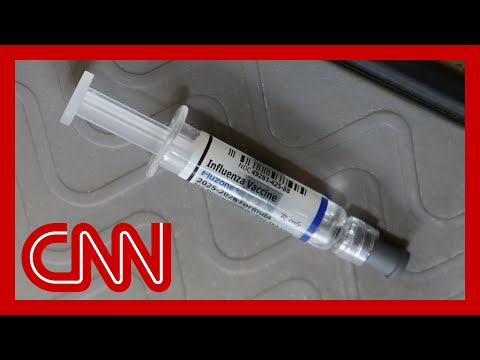
Flu activity increasing sharply across the US
0
Haer posted on 2025/12/31Flu cases are skyrocketing across the US, and this video dives deep into the H3N2 surge! You'll pick up essential vocabulary related to public health and learn practical phrases for discussing vaccine recommendations and antiviral treatments. It's a fantastic way to boost your understanding of current events and expand your advanced vocabulary!
Learn this video on the APP!
The VoiceTube App has more in-depth practice for videos!