
accomplish
US /əˈkɑmplɪʃ/
UK /ə'kʌmplɪʃ/
- Transitive Verb
- To succeed in doing; complete successfully
B1TOEICMoreangel
US /ˈendʒəl/
UK /ˈeɪndʒl/
- Noun
- Supernatural human figure from heaven with wings
- Proper Noun
- Person's name
B1Moreat home
US /æt hom/
UK /æt həum/
- Phrase
- In one's own residence or country.
- Adjective
- Feeling comfortable and relaxed.
at least
US /æt list/
UK /æt li:st/
- Adverb
- As a minimum
- Not less than
- Phrase
- No less than; at the minimum
- Used to indicate that something is positive in a bad situation.
C2Moreaudience
US /ˈɔdiəns/
UK /ˈɔ:diəns/
- Noun (Countable/Uncountable)
- Group of people attending a play, movie etc.
A2TOEICMoreaudition
US /ɔˈdɪʃən/
UK /ɔ:ˈdɪʃn/
- Intransitive Verb
- To try out for a part in a play or film
- Noun
- Trial performance to show suitability for a part
B2Moreawkward
US /ˈɔkwəd/
UK /ˈɔ:kwəd/
- Adjective
- Lacking smooth movement
- Causing embarrassment or trouble
B1Morebased on
US
UK
- Phrasal Verb
- To use something as the foundation or starting point for something else.
- Preposition
- Using something as the main idea or foundation.
- Relying on something as evidence or justification.
A1Morebullet
US /ˈbʊlɪt/
UK /'bʊlɪt/
- Countable Noun
- Metal object fired from a gun
- Dot at the beginning of each line in a list
- Adjective
- Very fast.
B1Morecame off
US
UK
- Phrasal Verb
- To succeed in doing; complete something
- To detach or come away from something in pieces
A1Morecareer
US /kəˈrɪr/
UK /kə'rɪə(r)/
- Noun (Countable/Uncountable)
- Particular occupation in professional life
- The course of a person's life, especially in a particular pursuit or profession.
- Verb (Transitive/Intransitive)
- To move forward very fast and without control
- To advance or make progress rapidly
A2Moreclose call
US /kloz kɔl/
UK /kləuz kɔ:l/
- Noun
- A situation in which something bad almost happens; a narrow escape.
- A decision in a game or competition that is very difficult to make.
A1Morecurtain
US /ˈkɚtn/
UK /'kɜ:tn/
- Noun (Countable/Uncountable)
- Piece of cloth used to cover a window
- A screen in a theatre that can be raised or lowered
B1Moredumb
US /dʌm/
UK /dʌm/
- Adjective
- Senseless; stupid
B1Moreescape
US /ɪˈskep/
UK /ɪ'skeɪp/
- Noun (Countable/Uncountable)
- Act to briefly ignoring boring or bad things
- The 'esc key' on a keyboard
- Verb (Transitive/Intransitive)
- To avoid something undesirable, dangerous or bad
- To get away from a place where you are being kept
A2Moreexcept for
US /ɪkˈsɛpt fɔr/
UK /ikˈsept fɔ:/
- Preposition
- Not including; excluding.
expose
US /ɪkˈspoʊz/
UK /ɪk'spəʊz/
- Transitive Verb
- To make visible, without covering or protection
- To allow light through a cameras lens onto film
A2TOEICMoreextremely
US /ɪk'strimlɪ/
UK /ɪkˈstri:mli/
- Adverb
- In a way that is much more than usual or expected
- Remarkably; unusually.
B1Morefall apart
US /fɔl əˈpɑrt/
UK /fɔ:l əˈpɑ:t/
- Phrasal Verb
- To suffer a nervous breakdown
- To break into pieces; stop functioning
A1Morefall for
US /fɔl fɔr/
UK /fɔ:l fɔ:/
- Phrasal Verb
- To be deceived or tricked by someone
- To become in love with someone
A1Morefreak
US /friːk/
UK /friːk/
- Adjective
- (Of weather, etc.) unusual; unpredictable; amazing
- Noun
- A person, animal, or event that is physically abnormal, very unusual, or unlike others.
- A person with an unusual appearance or behaviour.
B2Moreget out of
US /ɡɛt aʊt ʌv/
UK /ɡet aut ɔv/
- Phrasal Verb
- To leave or escape responsibilities, troubles
- To leave a small, enclosed vehicle
A1Morehand down
US
UK
- Phrasal Verb
- To give (clothes, etc.) to someone younger
A1Morehave to
US /hæv tu/
UK /ˈhæv tə/
- Auxiliary Verb
- Must do
A1Morehorseman
US /ˈhɔ:rsmən/
UK /ˈhɔ:smən/
- Countable Noun
- Person skilled in riding horses
C2Moreillusion
US /ɪˈluʒən/
UK /ɪ'lu:ʒn/
- Noun (Countable/Uncountable)
- Idea, image or impression that is not correct
- Something that deceives by producing a false or misleading impression of reality.
B2Morein general
US /ɪn ˈdʒɛnərəl/
UK /in ˈdʒenərəl/
- Phrase
- Typically; usually; on the whole.
- Not specific or detailed; broadly.
- Adjective
- Not detailed or specific; overall.
C2Morein the first place
US
UK
- Phrase
- To begin with; as the first point or consideration.
- From the beginning; initially.
A1Morein the world
US /ɪn ði wɜrld/
UK /in ðə wɜː(r)ld/
- Phrase
- Used to emphasize a question expressing surprise, confusion, or disbelief.
- Used to indicate the extent or degree of something, often in a superlative sense.
A1Morein under
US
UK
- Preposition
- Located inside and beneath something.
- Covered or concealed by something.
A1Moreincident
US / ˈɪnsɪdənt/
UK /ˈɪnsɪdənt/
- Noun (Countable/Uncountable)
- Event, usually unusual or important; accident
- A political event that causes difficulties.
A2Moreincredible
US /ɪnˈkrɛdəbəl/
UK /ɪnˈkredəbl/
- Adjective
- Very good; amazing
- Really good; amazing; great
A2TOEICMorejudge
US /dʒʌdʒ/
UK /dʒʌdʒ/
- Noun (Countable/Uncountable)
- Person who decides on the results of a contest
- Person who has the power to make a decision
- Verb (Transitive/Intransitive)
- To reach a decision about who won a contest
- To form an opinion after careful consideration
A2TOEICMorelevitation
US /ˌlevɪ'teɪʃn/
UK /ˌlevɪ'teɪʃn/
- Uncountable Noun
- Rising a thing into the air by supernatural means
C2Moremagician
US /məˈdʒɪʃən/
UK /məˈdʒɪʃn/
- Noun (Countable/Uncountable)
- Someone who performs magic tricks
- Man in old tales who casts spells or does tricks
B1Moremask
US /mæsk/
UK /mɑ:sk/
- Transitive Verb
- To hide something so that it cannot be seen
- To hide something so that it cannot be seen
- Noun (Countable/Uncountable)
- Covering to hide or disguise the face
- Way of pretending to behave that is not real
B1Moremaster
US /ˈmæstɚ/
UK /'mɑ:stə(r)/
- Transitive Verb
- To gain control over something
- To learn to do something very well
- Adjective
- Being very skilled at doing something
- Being the main or most important thing or part
A2Moremess up
US /mɛs ʌp/
UK /mes ʌp/
- Phrasal Verb
- To make a mistake
- To make something untidy or dirty.
- Verb (Transitive/Intransitive)
- To make something untidy or dirty.
- To spoil or ruin something.
A2Morenail
US /nel/
UK /neɪl/
- Countable Noun
- Pointed piece of metal used to join pieces of wood
- Hard part at the end of your finger
- Transitive Verb
- To attach things together with metal nails
- To catch someone doing an illegal activity
B1Morenotify
US /ˈnotəˌfaɪ/
UK /'nəʊtɪfaɪ/
- Transitive Verb
- To inform; to communicate specific information
B2Moreobvious
US /ˈɑbviəs/
UK /ˈɒbviəs/
- Adjective
- Easily understood and clear; plain to see
- Easy to see or notice.
A2TOEICMoreon camera
US /ɑn ˈkæmərə/
UK /ɔn ˈkæmərə/
- Adverb
- While being filmed or recorded.
- Adjective
- Having qualities that make one appear good or effective when filmed.
A1Moreon the lookout
US /ɑn ði ˈlʊkˌaʊt/
UK /ɔn ðə ˈlʊkˌaʊt/
- Adjective
- Vigilantly searching for someone or something.
- Idiom
- To be watching carefully in order to detect something, such as danger or opportunity.
A1Moreover time
US /ˈovɚ taɪm/
UK /ˈəuvə taim/
- Phrase
- Gradually; as time passes.
- During a long period.
- Adverb
- Gradually; as time passes.
B1Moreperformance
US / pɚˈfɔrməns/
UK /pə'fɔ:məns/
- Noun
- Act of doing something
- Activity done to entertain an audience
A2TOEICMorephone book
US
UK
- Noun (Countable/Uncountable)
- A book containing an alphabetical list of telephone subscribers in a particular area, with their telephone numbers.
A1Morephone in
US /foʊn ɪn/
UK /fəʊn ɪn/
- other
- Call someone by phone, often to report or notify remotely.
B2Morerare
US /rɛr/
UK /reə(r)/
- Adjective
- (Of meat) cooked, but still red and juicy
- Unusual or out of the ordinary; not common
A2Morereveal
US /rɪˈvil/
UK /rɪ'vi:l/
- Transitive Verb
- To show something that was hidden before
A2TOEICMorerifle
US /ˈraɪfəl/
UK /ˈraɪfl/
- Noun (Countable/Uncountable)
- Group of soldiers armed with rifles
- Long barreled gun fired from the shoulder
B1Morescene
US /sin/
UK /si:n/
- Noun
- Incident where someone behaves angrily, badly
- View that looks like a picture
A2TOEICMoreset out
US /sɛt aʊt/
UK /set aut/
- Phrasal Verb
- To arrange something in an orderly fashion
- To give in detail in writing
A1Moreslightly
US /ˈslaɪtli/
UK /ˈslaɪtli/
- Adverb
- Only a little
B1Morestage name
US
UK
- Noun
- A name used by a performer instead of their real name.
A1Morestunt
US /stʌnt/
UK /stʌnt/
- Countable Noun
- Dangerous and daring trick, as in an action film
- Transitive Verb
- To prevent from growing bigger or as big as normal
B2Moresuch as
US /sʌtʃ æz/
UK /sʌtʃ æz/
- Preposition
- For example; like
A1Moresuppose
US /səˈpoʊz/
UK /sə'pəʊz/
- Verb (Transitive/Intransitive)
- To imagine or guess what might happen
- Conjunction
- What if
A2TOEICMoreswitch on
US
UK
- Transitive Verb
- To put something electrical on or off
- Phrasal Verb
A2Moretalent
US /ˈtælənt/
UK /'tælənt/
- Noun (Countable/Uncountable)
- Natural ability of a person to do something well
- Person with a strong natural ability in something
B1Morethink of
US /θɪŋk ʌv/
UK /θiŋk ɔv/
- Phrasal Verb
- To look on as (being something specific); consider
- To consider or remember something.
- Verb (Transitive/Intransitive)
- To imagine or call something to mind
A1Moretorso
US /ˈtɔrso/
UK /'tɔ:səʊ/
- Noun
- Body (often dead), without arms, legs, or head
B2Moretrick
US /trɪk/
UK /trɪk/
- Transitive Verb
- To fool someone in order to obtain a result
- To playfully tease or fool to make someone laugh
- Noun (Countable/Uncountable)
- Act of trying to fool someone
- Quick or skillful way of doing something
A2Moreunfortunate
US /ʌnˈfɔrtʃənɪt/
UK /ʌnˈfɔ:tʃənət/
- Adjective
- Having bad luck; bringing a bad result
- Regrettable or undesirable.
- Noun
- A person who experiences bad luck or misfortune.
- An unfortunate event or situation.
B1Morevolunteer
US /ˌvɑlənˈtɪr/
UK /ˌvɒlən'tɪə(r)/
- Adjective
- Working willingly without pay to help others
- Countable Noun
- Person who helps others without being paid
- A person who enters military service voluntarily.
B2TOEICMore
Vocabulary
- except for: Not including; excluding.
- at least: As a minimum
- on the lookout: Vigilantly searching for someone or something.
- fall for: To be deceived or tricked by someone
- such as: For example; like
- stage name: A name used by a performer instead of their real name.
- phone in: Call someone by phone, often to report or notify remotely.
- have to: Must do
- at home: In one's own residence or country.
- set out: To arrange something in an orderly fashion
- in under: Located inside and beneath something.
- fall apart: To suffer a nervous breakdown
- in the world: Used to emphasize a question expressing surprise, confusion, or disbelief.
- mess up: To make a mistake
- think of: To look on as (being something specific); consider
- based on: To use something as the foundation or starting point for something else.
- get out of: To leave or escape responsibilities, troubles
- over time: Gradually; as time passes.
- in general: Typically; usually; on the whole.
- hand down: To give (clothes, etc.) to someone younger
- close call: A situation in which something bad almost happens; a narrow escape.
- came off: To succeed in doing; complete something
- switch on: To put something electrical on or off
- phone book: A book containing an alphabetical list of telephone subscribers in a particular area, with their telephone numbers.
- in the first place: To begin with; as the first point or consideration.
- on camera: While being filmed or recorded.
- awkward: Lacking smooth movement
- incredible: Very good; amazing
- obvious: Easily understood and clear; plain to see
- extremely: In a way that is much more than usual or expected
- illusion: Idea, image or impression that is not correct
- reveal: To show something that was hidden before
- slightly: Only a little
- trick: To fool someone in order to obtain a result
- audience: Group of people attending a play, movie etc.
- accomplish: To succeed in doing; complete successfully
- scene: Incident where someone behaves angrily, badly
- career: Particular occupation in professional life
- dumb: Senseless; stupid
- suppose: To imagine or guess what might happen
- freak: (Of weather, etc.) unusual; unpredictable; amazing
- industry: Hard work; being busy working
- escape: Act to briefly ignoring boring or bad things
- rare: (Of meat) cooked, but still red and juicy
- judge: Person who decides on the results of a contest
- perform: To carry out an action well or successfully
- performance: Act of doing something
- incident: Event, usually unusual or important; accident
- bullet: Metal object fired from a gun
- talent: Natural ability of a person to do something well
- stunt: Dangerous and daring trick, as in an action film
- mind: To be bothered or upset by something
- fall: Season after summer and before winter; Autumn
- expose: To make visible, without covering or protection
- stage: To organize an event to gain public interest
- master: To gain control over something
- audition: To try out for a part in a play or film
- pain: Strong feeling of hurt or discomfort
- simple: Not hard to understand or do; not complex
- curtain: Piece of cloth used to cover a window
- act: To behave in a certain way
- catch: Amount of something that has been caught
- volunteer: Working willingly without pay to help others
- wrong: Action that is harmful, unjust or illegal
- fail: To be unsuccessful in passing a class or exam
- nail: Pointed piece of metal used to join pieces of wood
- front: Behavior not showing a person's true feelings
- set: Prepared for something; ready
- mistake: Something done wrong/calculated wrong; error
- world: All the humans, events, activities on the earth
- unfortunate: Having bad luck; bringing a bad result
- torso: Body (often dead), without arms, legs, or head
- notify: To inform; to communicate specific information
- mask: To hide something so that it cannot be seen
- rifle: Group of soldiers armed with rifles
- magician: Someone who performs magic tricks
- levitation: Rising a thing into the air by supernatural means
- angel: Supernatural human figure from heaven with wings
- horseman: Person skilled in riding horses
Get the full experience in the app
Learn anywhere with detailed sentence and usage analysis
01:03
She took a brave step forward, leaving behind her comfort zone to chase her dreams.
Vocabulary
- brave
adj. Having courage
- comfort zone
phr. A familiar situation where one feels safe
Explanation
a brave step is a noun phrase, where brave is an adjective modifying the noun step, meaning "a courageous step".
forward is an adverb modifying step, meaning "ahead".
The whole phrase serves as the object, answering the "what" of took (verb) — she took a brave step forward.
Get the full experience in the app
Look up words anytime with pronunciation, part of speech, and usage
brave
US/brev/
UK/breɪv/
adj.Brave
v.t.To bravely face
A2 Elementary
Get the full experience in the app
Practice speaking anytime and get instant pronunciation feedback
Try this speaking exercise.
Try practicing with this sentence.
80
0
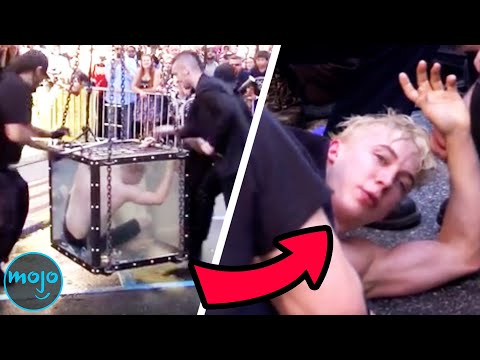
林宜悉 posted on 2025/12/28Ever seen a magic trick go hilariously wrong? This video is packed with the top 15 magician fails caught live on TV, from technical glitches to epic bloopers that will have you in stitches! You'll pick up some fun, advanced vocabulary and hear plenty of situational dialogue as you watch these amazing, and sometimes cringe-worthy, moments unfold.
Learn this video on the APP!
The VoiceTube App has more in-depth practice for videos!