
algae
US /ˈældʒi/
UK /ˈældʒi:/
- Noun (Countable/Uncountable)
- Green organisms that live in still water
B2Morebacteria
US /bækˈtɪriə/
UK /bæk'tɪərɪə/
- Noun (plural)
- The very small creatures that can cause disease
B2Morebottom
US /ˈbɑtəm/
UK /'bɒtəm/
- Noun
- The part of your body you sit on
- Lowest position, often in a company or contest
- Verb (Transitive/Intransitive)
- To hit the lowest part of something
- To provide with a bottom.
A2TOEICMorecarcass
US /ˈkɑrkəs/
UK /ˈkɑ:kəs/
- Noun
- Dead body of an animal
- The basic structure or framework of something, especially a building or vehicle.
B2Moreconveyor
US /kənˈveɚ/
UK /kənˈveɪə(r)/
- Noun
- Person who conveys (carries or transmits)
B2Morecrawl
US /krɔl/
UK /krɔ:l/
- Verb (Transitive/Intransitive)
- To move very slowly or cautiously
- To move along with the body close to the ground
- Uncountable Noun
- Very slow progress (e.g. traffic)
B1Morecrew
US /kru/
UK /kru:/
- Countable Noun
- Organized group of workers (e.g. on a ship)
- Skilled group of people working together on a task
- Intransitive Verb
- To work as part of a crew.
A2TOEICMoredecade
US /ˈdɛkˌed, dɛˈked/
UK /ˈdekeɪd/
- Countable Noun
- Period of 10 years
B1TOEICMoredecay
US /dɪˈke/
UK /dɪˈkeɪ/
- Intransitive Verb
- To be slowly destroyed by natural processes; rot
- To lose health or strength
- Uncountable Noun
- Slow loss of physical or mental health
B1Moredegrade
US /dɪˈɡred/
UK /dɪ'ɡreɪd/
- Transitive Verb
- To reduce in amount or strength
B2Moredesolate
US /ˈdɛsəlɪt/
UK /'desələt/
- Transitive Verb
- To destroy a place
- Adjective
- Empty of life, usually of a place
B2Moredigest
US /daɪˈdʒest/
UK /daɪˈdʒest/
- Verb (Transitive/Intransitive)
- To convert food into energy in your stomach
- To think over facts, news etc.; take in information
- Noun
- A summary, as of the news
B2Moredigestion
US /daɪˈdʒɛstʃən, dɪ-/
UK /daɪˈdʒestʃən/
- Uncountable Noun
- Process of changing eaten food for use in the body
- The process of understanding new information
B2Moredissolve
US /dɪˈzɑ:lv/
UK /dɪˈzɒlv/
- Verb (Transitive/Intransitive)
- To cause something to end
- To dismiss, e.g. a law-making body
B2Moreeerie
US /ˈɪri/
UK /ˈɪəri/
- Adjective
- Strange, mysterious and frightening
B1Moreelusive
US /ɪˈlusɪv/
UK /iˈlu:sɪv/
- Adjective
- Difficult to find or catch
- Difficult to understand or define
B2Moreencounter
US /ɛnˈkaʊntɚ/
UK /ɪn'kaʊntə(r)/
- Verb (Transitive/Intransitive)
- To come up against a problem or trouble; meet
- To meet someone or something unexpectedly
- Noun
- A chance meeting; unexpected or unplanned meeting
B1TOEICMoreenormous
US /ɪˈnɔrməs/
UK /iˈnɔ:məs/
- Adjective
- Huge; very big; very important
- Very great in size, amount, or degree.
A2Moreequivalent
US /ɪˈkwɪvələnt/
UK /ɪˈkwɪvələnt/
- Adjective
- Equal to something in value, use or meaning
- Having the same meaning or significance.
- Noun
- Thing like another in quality, quantity or degree
B1TOEICMoreexplore
US /ɪkˈsplɔr/
UK /ɪk'splɔ:(r)/
- Transitive Verb
- To examine something in detail to learn about it
- To travel to a place to discover more about it
A2TOEICMorefeast
US /fist/
UK /fi:st/
- Noun
- Religious celebration
- Special meal with large amounts of food and drink
- Intransitive Verb
- To eat a large special meal often in celebration
B1Morefor example
US
UK
- Phrase
- As an illustration or instance.
got to
US /ɡɑt tu/
UK /gɔt tu:/
- Verb (Transitive/Intransitive)
- To arrive at some place
- To have the opportunity or permission to do something
- Phrasal Verb
- To appeal to the emotions of; move
- To finally begin to start something after a delay
A1Moregrab
US /ɡræb/
UK /ɡræb/
- Transitive Verb
- To take and hold something quickly
A2Moregut
US /ɡʌt/
UK /ɡʌt/
- Transitive Verb
- To destroy the inside of a building , e.g. by fire
- To remove the internal parts of an animal or fish
- Noun (Countable/Uncountable)
- Stomach and internal organs of digestion
B1Morein a while
US /ɪn e hwaɪl/
UK /in ə hwail/
- Phrase
- In a short period of time; soon.
- For a short period of time; soon.
A2Morein fact
US /ɪn fækt/
UK /in fækt/
- Adverb
- Used to emphasize the truth of a statement, especially one that contrasts with or contradicts something else.
- Used to introduce a more detailed or surprising piece of information.
- Phrase
- Used to emphasize the truth of a statement, especially one that is surprising or contrary to what might be expected.
C1Morein other words
US
UK
- Phrase
- Stating something in a different way, often to make it clearer or more understandable.
in particular
US /ɪn pɚˈtɪkjəlɚ/
UK /in pəˈtikjulə/
- Phrase
- Specifically; especially.
- Detailed or precise.
A1Moreincredible
US /ɪnˈkrɛdəbəl/
UK /ɪnˈkredəbl/
- Adjective
- Very good; amazing
- Really good; amazing; great
A2TOEICMorelobster
US /ˈlɑ:bstə(r)/
UK /ˈlɒbstə(r)/
- Countable Noun
- Large hard-shelled sea crustacean, prized as food
B2Morelook at
US /lʊk æt/
UK /luk æt/
- Phrasal Verb
- To use your eyes to focus on something
- To focus your eyes on something carefully
A1Moremarine
US /məˈrin/
UK /mə'ri:n/
- Countable Noun
- Soldier trained to serve on land and sea
- Adjective
- Of the ocean or ocean plants and animals
- Concerning sailing or doing business by sea
B1Morematerial
US /məˈtɪriəl/
UK /məˈtɪəriəl/
- Noun (Countable/Uncountable)
- Cloth; fabric
- Supplies or data needed to do a certain thing
- Adjective
- Relevant; (of evidence) important or significant
- Belonging to the world of physical things
A2Moremetabolize
US /mə'tæbəlaɪz/
UK /mə'tæbəlaɪz/
- Verb (Transitive/Intransitive)
- (Of the body) to convert food into energy
C2Moreoctopus
US /ˈɑ:ktəpəs/
UK /ˈɒktəpəs/
- Noun (Countable/Uncountable)
- Sea creature with eight arms or tentacles
B2Moreof course
US /ʌv kɔː(r)s/
UK /ɔv kɔː(r)s/
- Adverb
- Sure ; Certainly
- Phrase
- For sure; certainly
A2Moreonce in a while
US //wʌns ɪn ə waɪl//
UK
- Phrase
- Occasionally; not very often.
- Occasionally; not very often.
A2Moreorganic
US /ɔrˈɡænɪk/
UK /ɔ:ˈgænɪk/
- Adjective
- Developing naturally and without a set structure
- Concerning food made with few or no chemicals
B1Moreoutsource
US /ˈaʊtˌsɔrs, -ˌsors/
UK /ˈaʊtsɔ:s/
- Transitive Verb
- To obtain goods or services from outside suppliers
C2Moreplump
US /plʌmp/
UK /plʌmp/
- Adjective
- Large and round; slightly fat, in a pleasant way
B2Moreprey
US /pre/
UK /preɪ/
- Intransitive Verb
- To hunt (other animals) in order to eat them
- Noun (Countable/Uncountable)
- The victim of another person's aggression
- The victim of another person's aggression
B1Morerare
US /rɛr/
UK /reə(r)/
- Adjective
- (Of meat) cooked, but still red and juicy
- Unusual or out of the ordinary; not common
A2Morerely
US /rɪˈlaɪ/
UK /rɪ'laɪ/
- Intransitive Verb
- Depend on with full trust or confidence
- To trust or have confidence in someone.
B2TOEICMorerely on
US /rɪˈlaɪ ɑn/
UK /riˈlai ɔn/
- Phrasal Verb
- To depend on someone or something
A2Morescience
US /ˈsaɪəns/
UK /'saɪəns/
- Uncountable Noun
- Study of the physical world, based on facts
A2TOEICMoreskeleton
US /ˈskɛlɪtn/
UK /ˈskelɪtn/
- Noun (Countable/Uncountable)
- Structure of bones that supports the body
- Frame that provides support for e.g. a building
- Adjective
- Outline of the basic of main part of something
B1Morespecifically
US /spəˈsɪfɪkli/
UK /spəˈsɪfɪkli/
- Adverb
- As regards a particular thing; closely related to
- In a definite and clear manner.
A2Morespin
US /spɪn/
UK /spɪn/
- Verb (Transitive/Intransitive)
- To make a ball rotate when throwing it
- To move something in a rapid turning motion
- Intransitive Verb
- To feel dizzy/confused, as in my head is spinning
B1Morestumble
US /ˈstʌmbəl/
UK /'stʌmbl/
- Noun
- Failing to do something well, e.g. giving a speech
- Act of tripping and almost falling
- Intransitive Verb
- To fail to perform, e.g. when giving a speech
- To trip and almost fall
B1Moresuch as
US /sʌtʃ æz/
UK /sʌtʃ æz/
- Preposition
- For example; like
A1Moresucker
US /ˈsʌkɚ/
UK /ˈsʌkə(r)/
- Noun
- Part of an animal used for holding onto surfaces
- Someone who is easily fooled
C1Moresurface
US /ˈsɚfəs/
UK /'sɜ:fɪs/
- Transitive Verb
- To give (road) a top layer
- Intransitive Verb
- To appear after being hidden, unseen, or unknown
- To come to the top of something; emerge
A2TOEICMoresustain
US /səˈsten/
UK /sə'steɪn/
- Transitive Verb
- To lengthen or continue to do something
- To support or maintain someone or something
B2TOEICMoresymbiotic
US /ˌsɪmbaɪ'ɒtɪk/
UK /ˌsɪmbaɪ'ɒtɪk/
- Adjective
- In an interdependent relationship
C2Moretiny
US /ˈtaɪni/
UK /'taɪnɪ/
- Adjective
- Very, very small
A2Moretissue
US /ˈtɪʃu/
UK /ˈtɪʃu:/
- Noun (Countable/Uncountable)
- Substance formed by cells of living thing; flesh
- Kind of thin, light paper used to pack objects
A2Moretwist
US /twɪst/
UK /twɪst/
- Verb (Transitive/Intransitive)
- To turn something in a circular direction
- To turn in a curving direction e.g. road or path
- Noun (Countable/Uncountable)
- Turn or spiral curve in a path or road
- Bend or sudden change of direction
A2Moretwitter
US /ˈtwɪtɚ/
UK /ˈtwɪtə(r)/
- Intransitive Verb
- To make small chattering sounds, like some birds
- Proper Noun
- An online messaging system
C2Morevast
US /væst/
UK /vɑ:st/
- Adjective
- Being very large in size or amount
A2TOEICMorevessel
US /ˈvɛsəl/
UK /ˈvesl/
- Countable Noun
- Container, such as a cup, for holding liquids
- A ship or boat; something that carries things
B1TOEICMore
Vocabulary
- in a while: In a short period of time; soon.
- once in a while: Occasionally; not very often.
- of course: Sure ; Certainly
- look at: To use your eyes to focus on something
- such as: For example; like
- rely on: To depend on someone or something
- in other words: Stating something in a different way, often to make it clearer or more understandable.
- in particular: Specifically; especially.
- in fact: Used to emphasize the truth of a statement, especially one that contrasts with or contradicts something else.
- got to: To arrive at some place
- for example: As an illustration or instance.
- equivalent: Equal to something in value, use or meaning
- incredible: Very good; amazing
- enormous: Huge; very big; very important
- material: Cloth; fabric
- grab: To take and hold something quickly
- vast: Being very large in size or amount
- encounter: To come up against a problem or trouble; meet
- specifically: As regards a particular thing; closely related to
- bacteria: The very small creatures that can cause disease
- amount: Quantity of something
- gut: To destroy the inside of a building , e.g. by fire
- explore: To examine something in detail to learn about it
- decade: Period of 10 years
- elusive: Difficult to find or catch
- rare: (Of meat) cooked, but still red and juicy
- sustain: To lengthen or continue to do something
- tiny: Very, very small
- vessel: Container, such as a cup, for holding liquids
- crawl: To move very slowly or cautiously
- prey: To hunt (other animals) in order to eat them
- surface: To give (road) a top layer
- stumble: Failing to do something well, e.g. giving a speech
- digestion: Process of changing eaten food for use in the body
- digest: To convert food into energy in your stomach
- compare: To consider how similar and different things are
- eerie: Strange, mysterious and frightening
- spin: To make a ball rotate when throwing it
- crew: Organized group of workers (e.g. on a ship)
- reason: To think and make conclusions in a logical manner
- organic: Developing naturally and without a set structure
- tissue: Substance formed by cells of living thing; flesh
- rely: Depend on with full trust or confidence
- dissolve: To cause something to end
- fall: Season after summer and before winter; Autumn
- strange: Unusual or odd; surprising because unexpected
- feast: Religious celebration
- marine: Soldier trained to serve on land and sea
- bottom: The part of your body you sit on
- notice: To become aware by sight, touch, or hearing
- twist: To turn something in a circular direction
- lot: What happens to a person in life from chance; fate
- algae: Green organisms that live in still water
- science: Study of the physical world, based on facts
- decay: To be slowly destroyed by natural processes; rot
- skeleton: Structure of bones that supports the body
- pick: Sharp tool used for breaking the ground
- deep: Complex and important
- conveyor: Person who conveys (carries or transmits)
- cover: To record a different version of another song
- lobster: Large hard-shelled sea crustacean, prized as food
- degrade: To reduce in amount or strength
- desolate: To destroy a place
- carcass: Dead body of an animal
- post: To send a letter or package using stamps
- meal: Food for eating at a particular time, e.g. dinner
- metabolize: (Of the body) to convert food into energy
- sucker: Part of an animal used for holding onto surfaces
- dead: Not alive
- bone: Hard piece of your body that holds your muscles
- plump: Large and round; slightly fat, in a pleasant way
- symbiotic: In an interdependent relationship
- octopus: Sea creature with eight arms or tentacles
- call: A order or request for action
- twitter: To make small chattering sounds, like some birds
- outsource: To obtain goods or services from outside suppliers
Get the full experience in the app
Learn anywhere with detailed sentence and usage analysis
01:03
She took a brave step forward, leaving behind her comfort zone to chase her dreams.
Vocabulary
- brave
adj. Having courage
- comfort zone
phr. A familiar situation where one feels safe
Explanation
a brave step is a noun phrase, where brave is an adjective modifying the noun step, meaning "a courageous step".
forward is an adverb modifying step, meaning "ahead".
The whole phrase serves as the object, answering the "what" of took (verb) — she took a brave step forward.
Get the full experience in the app
Look up words anytime with pronunciation, part of speech, and usage
brave
US/brev/
UK/breɪv/
adj.Brave
v.t.To bravely face
A2 Elementary
Get the full experience in the app
Practice speaking anytime and get instant pronunciation feedback
Try this speaking exercise.
Try practicing with this sentence.
80
0
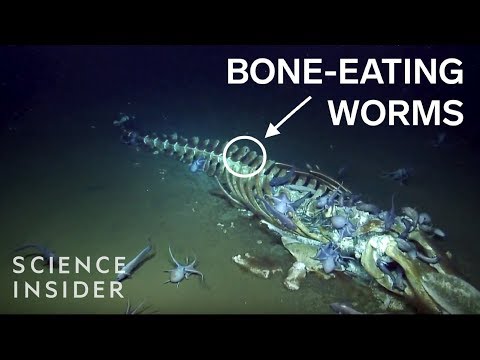
林宜悉 posted on 2025/12/27Dive into the incredible world of whale falls and discover the bizarre creatures that call them home, from bone-eating worms to deep-sea octopuses! You'll be amazed by this seafloor exploration and pick up some seriously cool advanced vocabulary along the way.
Learn this video on the APP!
The VoiceTube App has more in-depth practice for videos!