
absolutely
US /ˈæbsəˌlutli, ˌæbsəˈlutli/
UK /ˈæbsəlu:tli/
- Adverb
- Completely; totally; very
- Considered independently and without relation to other things; viewed abstractly; as, quantity absolutely considered.
A2Moreaccountability
US /əˌkaʊntə'bɪlətɪ/
UK /əˌkaʊntə'bɪlətɪ/
- Uncountable Noun
- Responsibility to someone or for some activity
B1Moreafter all
US /ˈæftɚ ɔl/
UK /ˈɑ:ftə ɔ:l/
- Adverb
- In spite of what was expected; used to introduce a statement that supports a previous statement or explains why it was made
- Considering everything; used to indicate that something is happening or is true despite some difficulty or obstacle
- Phrase
- Despite what was expected or thought; in spite of everything.
- Taking everything into consideration; considering that.
B1Moreaid
US /ed/
UK /eɪd/
- Transitive Verb
- To help others and provide things
- Noun (Countable/Uncountable)
- Action of giving help to others
- Money or help given to those who need it
A2TOEICMoreappalling
US
UK
- Adjective
- Causing shock or distress because it is terrible
- Verb (Transitive/Intransitive)
- To feel shock or distress at something terrible
B2Morearound the world
US /əˈraʊnd ði wɜrld/
UK /əˈraund ðə wɜː(r)ld/
- Phrase
- In or to many countries.
- In various places throughout the world.
A2Moreas long as
US /æz lɔŋ æz/
UK /æz lɔŋ æz/
- Conjunction
- For the period that; provided that.
- For the length of time that
- Preposition
- On the condition that; providing that.
- Having the same length as.
A1Moreat least
US /æt list/
UK /æt li:st/
- Adverb
- As a minimum
- Not less than
- Phrase
- No less than; at the minimum
- Used to indicate that something is positive in a bad situation.
C2Moreattend
US /əˈtɛnd/
UK /əˈtend/
- Transitive Verb
- To take care of someone in need
- Verb (Transitive/Intransitive)
- To listen or watch carefully; to concentrate
- To be present at an event
B1TOEICMoreblockade
US /blɑ:ˈkeɪd/
UK /blɒˈkeɪd/
- Transitive Verb
- To block or impede the movement of people, objects
- Noun
- Arrangement that blocks or impedes movement
B2Morebring back
US /brɪŋ bæk/
UK /briŋ bæk/
- Phrasal Verb
- To cause to remember
- To return something
A1Morecase by case
US
UK
- Phrase
- Considering each case individually, rather than applying a general rule.
A2Morecease
US /sis/
UK /si:s/
- Verb (Transitive/Intransitive)
- To come or bring to an end; stop continuing
B1Moreceasefire
US
UK
- Noun
- Agreement by two sides in a war to stop fighting
C2Moreclear up
US /klɪr ʌp/
UK /kliə ʌp/
- Phrasal Verb
- To tidy things away, e.g. dirty dishes after meal
- To explain something in an understandable way
A1Moreclip
US /klɪp/
UK /klɪp/
- Countable Noun
- A metal holder used for keeping things together
- Brief part of a television show or movie
- Transitive Verb
- To attach things together using a metal pin
- To cut a small section or piece out from something
B1Moreclosure
US /ˈkloʊʒə(r)/
UK /ˈkləʊʒə(r)/
- Uncountable Noun
- Feeling of accepting a death, divorce etc.
- Noun (Countable/Uncountable)
- Act of closing something
B2Morecommit
US /kəˈmɪt/
UK /kə'mɪt/
- Transitive Verb
- To do something bad, usually a crime
- To promise your permanent love or loyalty (to)
A2TOEICMorecorrect
US /kəˈrɛkt/
UK /kə'rekt/
- Adjective
- Being suitable and appropriate for an occasion
- True or accurate
- Transitive Verb
- To fix a problem
- To write marks on a piece of work to show mistakes
A2Moredeal with
US /dil wɪð/
UK /di:l wið/
- Verb (Transitive/Intransitive)
- To buy or sell goods or services.
- Phrasal Verb
- To take action to solve a problem or manage a situation.
- To be about; concern.
A1Moredeny
US /dɪˈnaɪ/
UK /dɪ'naɪ/
- Transitive Verb
- To refuse to allow or accept something
A2TOEICMoredeploy
US /dɪˈplɔɪ/
UK /dɪˈplɔɪ/
- Transitive Verb
- To put into position (often a military operation)
- To put something into use or action.
B1TOEICMoredestruction
US /dɪˈstrʌkʃən/
UK /dɪ'strʌkʃn/
- Noun
- Act of destroying; damaging beyond repair
- The state of being destroyed or ruined.
B1TOEICMoredue to
US /du tu/
UK /dju: tu:/
- Preposition
- Because of; owing to
- Adjective
- Attributable to; caused by.
A1Morefate
US /fet/
UK /feɪt/
- Noun (Countable/Uncountable)
- What will happen to you in the future, often bad
- Power that determines what happens; destiny
B1Morefor some reason
US /fɔr sʌm ˈrizən/
UK /fɔ: sʌm ˈri:zən/
- Phrase
- For a reason that is not known or not easily explained.
A1Moreformation
US /fɔ:rˈmeɪʃn/
UK /fɔ:ˈmeɪʃn/
- Noun
- Process of creating; making a particular shape
B1Moregain
US /ɡen/
UK /ɡeɪn/
- Verb (Transitive/Intransitive)
- To increase in something, such as weight
- To get something wanted, needed or valued
- Noun (Countable/Uncountable)
- An increase in something, such as weight
A2TOEICMoregenocide
US /ˈdʒɛnəˌsaɪd/
UK /ˈdʒenəsaɪd/
- Noun
- Deliberate destruction of a group of people
B2Morehave to
US /hæv tu/
UK /ˈhæv tə/
- Auxiliary Verb
- Must do
A1Morehostage
US /ˈhɑstɪdʒ/
UK /'hɒstɪdʒ/
- Countable Noun
- Person held prisoner to get a demand satisfied
B2Morein fact
US /ɪn fækt/
UK /in fækt/
- Adverb
- Used to emphasize the truth of a statement, especially one that contrasts with or contradicts something else.
- Used to introduce a more detailed or surprising piece of information.
- Phrase
- Used to emphasize the truth of a statement, especially one that is surprising or contrary to what might be expected.
C1Morein favor of
US /ɪn ˈfevɚ ʌv/
UK /in ˈfeivə ɔv/
- Phrase
- Expressing support or approval for someone or something.
- To the advantage of; benefiting.
- Preposition
- Supporting or approving of something.
- To the advantage of; to the benefit of.
A1Morein general
US /ɪn ˈdʒɛnərəl/
UK /in ˈdʒenərəl/
- Phrase
- Typically; usually; on the whole.
- Not specific or detailed; broadly.
- Adjective
- Not detailed or specific; overall.
C2Morein name
US /ɪn neɪm/
UK /ɪn neɪm/
- other
- Used to indicate something exists only in title, not in reality.
C1Morein phase
US /ɪn fez/
UK /in feiz/
- Adjective
- Occurring at the same time or in a synchronized manner; having matching cycles.
- Phrase
- In agreement or harmony; working together effectively.
A1Morein red
US /ɪn rɛd/
UK /in red/
- Phrase
- Marked or written using the colour red.
- Adjective
- Operating at a financial loss; in debt.
in terms of
US
UK
- Phrase
- With regard to; concerning a particular aspect.
A1Morein the air
US
UK
- Phrase
- Present or circulating in the atmosphere.
- Felt or sensed by many people; circulating as a rumor or feeling.
- Adjective
- Being broadcast on radio or television.
A1Morein the past
US
UK
- Phrase
- During a former period of time; previously.
A1Morein time
US /ɪn taɪm/
UK /in taim/
- Adverb
- Eventually; after a period of time.
- Not late; with enough time to spare.
- Phrase
- Eventually; before it is too late.
- According to the scheduled time; punctual.
A1Moreknock on
US /nɑk ɑn/
UK /nɔk ɔn/
- Phrasal Verb
- To strike a door or window to attract attention.
- Intransitive Verb
- (In rugby) to drop the ball forward.
A1Morelead to
US /lid tu/
UK /li:d tu:/
- Phrasal Verb
- To result in some action
- Verb (Transitive/Intransitive)
- To have something as a consequence or result.
A1Morelean in
US
UK
- Phrasal Verb
- To move closer to someone or something, often by bending forward.
- To actively pursue and engage with opportunities, especially in a professional context.
A1Morelook at
US /lʊk æt/
UK /luk æt/
- Phrasal Verb
- To use your eyes to focus on something
- To focus your eyes on something carefully
A1Moremaintain
US /menˈten/
UK /meɪn'teɪn/
- Transitive Verb
- To keep saying something a certain way
- To keep (machine) working by checking, repairing
A2TOEICMoremake light of
US /ˈmek laɪt ʌv/
UK /ˈmeik lait ɔv/
- other
- To treat something as unimportant or less serious.
B2Moremilitary
US /ˈmɪlɪˌtɛri/
UK /'mɪlətrɪ/
- Noun
- Army or armed forces
- Adjective
- Concerning the army or navy
B1Moremove on
US /muv ɑn/
UK /mu:v ɔn/
- Phrasal Verb
- To decide to change or go to a different place
- To start talking about something different.
A1Moreof course
US /ʌv kɔː(r)s/
UK /ɔv kɔː(r)s/
- Adverb
- Sure ; Certainly
- Phrase
- For sure; certainly
A2Moreon a daily basis
US
UK
- Phrase
- Happening every day.
A1Moreon the ground
US
UK
- Phrase
- Located on the surface of the earth.
- Present and available in a particular place, especially to deal with a situation.
on to
US /ɑn tu/
UK /ɔn tu:/
- Preposition
- Toward something; forward
- Aware of someone's activities.
- Adjective
- Aware of someone's deception or illegal activities.
A1Moreorder in
US
UK
- Phrasal Verb
- To request food from a restaurant to be delivered to one's home or other location.
over to
US
UK
- Preposition
- Used to hand over to someone else to speak
- The responsibility is now yours
phase
US /fez/
UK /feɪz/
- Noun
- Different stages of the moon from new to full
- Distinct part or step in a process
- Transitive Verb
- To make happen in a gradual ordered way
A2Morepolicy
US /ˈpɑlɪsi/
UK /'pɒləsɪ/
- Noun
- Document stating terms of an insurance agreement
- Course of action proposed by an organization, etc.
A2TOEICMoreprevent
US /prɪˈvɛnt/
UK /prɪ'vent/
- Transitive Verb
- To stop something from happening or existing
A2TOEICMoreprocess
US /ˈprɑsˌɛs, ˈproˌsɛs/
UK /prə'ses/
- Transitive Verb
- To organize and use data in a computer
- To deal with official forms in the way required
- Noun (Countable/Uncountable)
- Dealing with official forms in the way required
- Set of changes that occur slowly and naturally
A2TOEICMorerealistic
US /ˌriəˈlɪstɪk/
UK /ˌri:əˈlɪstɪk/
- Adjective
- Looks or appears real; like things really are
- Having or showing a practical awareness of things as they are
A2Moreremain
US /rɪˈmen/
UK /rɪˈmeɪn/
- Intransitive Verb
- To be left behind; to continue to exist
- To stay in a place when other people have gone
A2TOEICMorerush
US /rʌʃ/
UK /rʌʃ/
- Verb (Transitive/Intransitive)
- To attack someone suddenly in a group
- To perform or finish with speed and urgency
- Noun (Countable/Uncountable)
- Actions performed or finishes with speed, urgency
- State of hurried action
A2TOEICMoreshort clip
US
UK
- Countable Noun
- A brief segment of a video or film.
B1Morestabilization
US /ˌsteɪbəlaɪ'zeɪʃn/
UK /ˌsteɪbəlaɪ'zeɪʃn/
- Uncountable Noun
- Making something stable, e.g. body's condition
C2Morestarvation
US /stɑ:rˈveɪʃn/
UK /stɑ:ˈveɪʃn/
- Uncountable Noun
- Extreme hunger; death from lack of food
B1Morestrip
US /strɪp/
UK /strɪp/
- Transitive Verb
- To remove your clothes (often sexily for someone)
- To remove something, e.g. paint from a wall
- Countable Noun
- Long narrow piece, such as ribbon or land
B1Moresuppose
US /səˈpoʊz/
UK /sə'pəʊz/
- Verb (Transitive/Intransitive)
- To imagine or guess what might happen
- Conjunction
- What if
A2TOEICMoretalking about
US
UK
- Phrasal Verb
- To discuss a particular topic.
- To be constantly mentioning or bringing up a subject.
A1Moreterritory
US /ˈtɛrɪˌtɔri, -ˌtori/
UK /'terətrɪ/
- Noun (Countable/Uncountable)
- Area of land defended by an animal
- Area of particular knowledge or experience
B1TOEICMoretruce
US /trus/
UK /tru:s/
- Noun
- Agreement between opponents to stop fighting
B2TOEICMoreturn over
US /tɚn ˈovɚ/
UK /tə:n ˈəuvə/
- Phrasal Verb
- To lose possession of a ball in sports
- To consider something carefully in your mind
A1Moreup in the air
US
UK
- Adjective
- Not yet decided or resolved; uncertain.
- Idiom
- In an uncertain state; unresolved.
withdraw
US /wɪðˈdrɔ, wɪθ-/
UK /wɪð'drɔ:/
- Verb (Transitive/Intransitive)
- To take money out of a bank account
- To pull back; move away or backward from something
B1TOEICMorewithdraw from
US
UK
- Phrasal Verb
- To take out or remove (something) from a place or container.
- To stop participating in or being involved with something.
A1Morewithdrawal
US /wɪðˈdrɔəl, wɪθ-/
UK /wɪðˈdrɔ:əl/
- Noun (Countable/Uncountable)
- Action of pulling back or move away or backward
- Pain of coming off drugs
- Adjective
- Feeling pain and suffering when coming off drugs
B1Morezone
US /zoʊn/
UK /zəʊn/
- Noun
- Area of space designated for a particular use
- Transitive Verb
- To divide an area for a particular reason
B1More
Vocabulary
- of course: Sure ; Certainly
- at least: As a minimum
- have to: Must do
- on a daily basis: Happening every day.
- due to: Because of; owing to
- look at: To use your eyes to focus on something
- on to: Toward something; forward
- move on: To decide to change or go to a different place
- talking about: To discuss a particular topic.
- over to: Used to hand over to someone else to speak
- deal with
- in red: Marked or written using the colour red.
- in time: Eventually; after a period of time.
- withdraw from: To take out or remove (something) from a place or container.
- in name: Used to indicate something exists only in title, not in reality.
- lean in: To move closer to someone or something, often by bending forward.
- in phase: Occurring at the same time or in a synchronized manner; having matching cycles.
- after all: In spite of what was expected; used to introduce a statement that supports a previous statement or explains why it was made
- make light of: To treat something as unimportant or less serious.
- in favor of: Expressing support or approval for someone or something.
- in terms of
- short clip: A brief segment of a video or film.
- lead to: To result in some action
- on the ground: Located on the surface of the earth.
- in fact: Used to emphasize the truth of a statement, especially one that contrasts with or contradicts something else.
- in the past: During a former period of time; previously.
- for some reason: For a reason that is not known or not easily explained.
- knock on: To strike a door or window to attract attention.
- around the world: In or to many countries.
- case by case: Considering each case individually, rather than applying a general rule.
- in general: Typically; usually; on the whole.
- bring back: To cause to remember
- up in the air: Not yet decided or resolved; uncertain.
- in the air: Present or circulating in the atmosphere.
- clear up: To tidy things away, e.g. dirty dishes after meal
- turn over: To lose possession of a ball in sports
- order in: To request food from a restaurant to be delivered to one's home or other location.
- as long as: For the period that; provided that.
- absolutely: Completely; totally; very
- process: To organize and use data in a computer
- situation: Place, position or area that something is in
- force: Group of persons trained for military action; army
- commit: To do something bad, usually a crime
- territory: Area of land defended by an animal
- suppose: To imagine or guess what might happen
- prevent: To stop something from happening or existing
- realistic: Looks or appears real; like things really are
- military: Army or armed forces
- maintain: To keep saying something a certain way
- remain: To be left behind; to continue to exist
- accountability: Responsibility to someone or for some activity
- aid: To help others and provide things
- strip: To remove your clothes (often sexily for someone)
- reason: To think and make conclusions in a logical manner
- deny: To refuse to allow or accept something
- fate: What will happen to you in the future, often bad
- appalling: Causing shock or distress because it is terrible
- clip: A metal holder used for keeping things together
- project: To predict what will happen in the future
- rush: To attack someone suddenly in a group
- gain: To increase in something, such as weight
- correct: Being suitable and appropriate for an occasion
- phase: Different stages of the moon from new to full
- withdraw: To take money out of a bank account
- lot: What happens to a person in life from chance; fate
- destruction: Act of destroying; damaging beyond repair
- formation: Process of creating; making a particular shape
- withdrawal: Action of pulling back or move away or backward
- hostage: Person held prisoner to get a demand satisfied
- policy: Document stating terms of an insurance agreement
- allow: To admit the validity or truth of something
- zone: Area of space designated for a particular use
- government: Group of people and system that rule a nation
- argue: To fight or disagree over something
- genocide: Deliberate destruction of a group of people
- active: Moving around a lot or doing many things
- middle: Place that is halfway between two things
- deploy: To put into position (often a military operation)
- daily: Happening every day
- question: To ask for or try to get information
- attend: To take care of someone in need
- cease: To come or bring to an end; stop continuing
- future: Time that is to come after the present
- part: Division of a book
- hold: To agree to keep something for someone
- closure: Feeling of accepting a death, divorce etc.
- starvation: Extreme hunger; death from lack of food
- ceasefire: Agreement by two sides in a war to stop fighting
- truce: Agreement between opponents to stop fighting
- blockade: To block or impede the movement of people, objects
- stabilization: Making something stable, e.g. body's condition
Get the full experience in the app
Learn anywhere with detailed sentence and usage analysis
01:03
She took a brave step forward, leaving behind her comfort zone to chase her dreams.
Vocabulary
- brave
adj. Having courage
- comfort zone
phr. A familiar situation where one feels safe
Explanation
a brave step is a noun phrase, where brave is an adjective modifying the noun step, meaning "a courageous step".
forward is an adverb modifying step, meaning "ahead".
The whole phrase serves as the object, answering the "what" of took (verb) — she took a brave step forward.
Get the full experience in the app
Look up words anytime with pronunciation, part of speech, and usage
brave
US/brev/
UK/breɪv/
adj.Brave
v.t.To bravely face
A2 Elementary
Get the full experience in the app
Practice speaking anytime and get instant pronunciation feedback
Try this speaking exercise.
Try practicing with this sentence.
80
Will Israel ever get to Phase 2 of the Gaza ceasefire? | DW News
0
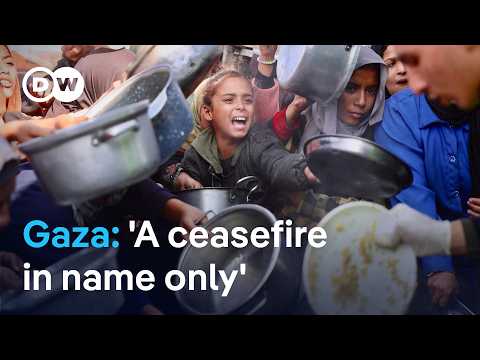
林宜悉 posted on 2025/12/24Ever wonder if Israel can reach a Phase 2 Gaza ceasefire? This DW News analysis dives deep into the complex challenges, from hostage returns to humanitarian aid and Hamas disarmament. You'll pick up advanced vocabulary and gain a deeper understanding of this critical global issue!
Learn this video on the APP!
The VoiceTube App has more in-depth practice for videos!