
after all
US /ˈæftɚ ɔl/
UK /ˈɑ:ftə ɔ:l/
- Adverb
- In spite of what was expected; used to introduce a statement that supports a previous statement or explains why it was made
- Considering everything; used to indicate that something is happening or is true despite some difficulty or obstacle
- Phrase
- Despite what was expected or thought; in spite of everything.
- Taking everything into consideration; considering that.
B1Moreafter the fact
US /ˈæftɚ ðə fækt/
UK /ˈɑ:ftə ðə fækt/
- other
- Happening or known later than the actual event.
B1Morearbitrary
US /ˈɑrbɪˌtrɛri/
UK /ˈɑ:bitrəri/
- Adjective
- (Of decisions) unsupported; without any evidence
- Based on random choice or personal whim, rather than any reason or system.
B1TOEICMoreassume
US /əˈsum/
UK /ə'sju:m/
- Transitive Verb
- To act in a false manner to mislead others
- To believe, based on the evidence; suppose
A2TOEICMoreasteroid
US /ˈæstəˌrɔɪd/
UK /ˈæstərɔɪd/
- Noun
- Very small planets that move around the sun
B2Moreastronomical
US /ˌæstrəˈnɑmɪkəl/
UK /ˌæstrəˈnɒmɪkl/
- Adjective
- Extremely large or high
- Of the study of stars and other bodies in space
B2Moreat least
US /æt list/
UK /æt li:st/
- Adverb
- As a minimum
- Not less than
- Phrase
- No less than; at the minimum
- Used to indicate that something is positive in a bad situation.
C2Morecapture
US /ˈkæptʃɚ/
UK /'kæptʃə(r)/
- Transitive Verb
- To attract and hold e.g. interest, attention
- To record, tape, or film something
- Noun
- The act of seizing or taking control of something.
B1Morecelestial
US /səˈlestʃl/
UK /səˈlestiəl/
- Adjective
- Concerning the sky or objects in the sky
- Belonging or relating to heaven.
- Noun
- The sky or heavens.
- A celestial being; an angel or deity.
C1Morecoffin
US /ˈkɔ:fɪn/
UK /ˈkɒfɪn/
- Noun
- Wooden box in which a dead body is put
B1Morecomprehensive
US /ˌkɑ:mprɪˈhensɪv/
UK /ˌkɒmprɪˈhensɪv/
- Adjective
- Including most or all things
B1TOEICMoredefinition
US /ˌdɛfəˈnɪʃən/
UK /ˌdefɪˈnɪʃn/
- Noun (Countable/Uncountable)
- Explanation of word's meaning, as in dictionaries
- The sharpness of an image on a screen
A2TOEICMoredescriptive
US /dɪˈskrɪptɪv/
UK /dɪˈskrɪptɪv/
- Adjective
- Telling what something is like or looks like
B2Morediagonal
US /daɪˈæɡənəl/
UK /daɪˈægənl/
- Adjective
- Joining two opposite corners at an angle
- Noun
- A straight line joining two opposite corners of a square, rectangle, or other straight-sided shape.
- A diagonal pattern or design.
B2Moredominate
US /ˈdɑməˌnet/
UK /'dɒmɪneɪt/
- Verb (Transitive/Intransitive)
- To be taller, bigger, or more physically obvious
- To control; rule; enjoy a commanding position in
B1TOEICMoredwarf
US /dwɔrf/
UK /dwɔ:f/
- Noun
- Person of short stature, due to medical condition
B2TOEICMoreequilibrium
US /ˌikwəˈlɪbriəm, ˌɛkwə-/
UK /ˌi:kwɪˈlɪbriəm/
- Noun (Countable/Uncountable)
- A state of balance or harmony
- Calm, quiet, undisturbed emotional state
C2TOEICMoreevaluate
US /ɪˈvæljuˌet/
UK /ɪˈvæljueɪt/
- Transitive Verb
- To form an idea to judge something carefully
- To calculate or work out the value or amount of something.
A2TOEICMoreevident
US /ˈɛvɪdənt/
UK /ˈevɪdənt/
- Adjective
- Clearly the case; plain; apparent
B1TOEICMoreexplore
US /ɪkˈsplɔr/
UK /ɪk'splɔ:(r)/
- Transitive Verb
- To examine something in detail to learn about it
- To travel to a place to discover more about it
A2TOEICMorefusion
US /ˈfjuʒən/
UK /ˈfju:ʒn/
- Noun (Countable/Uncountable)
- Combining various things to make something new
- The process in which light atomic nuclei combine to form a heavier nucleus, releasing large amounts of energy.
B2Moregravitational
US /ˌɡrævɪˈteɪʃənl/
UK /ˌgrævɪˈteɪʃənl/
- Adjective
- Concerning the force of gravity
C1Moregravity
US /ˈɡrævɪti/
UK /ˈgrævəti/
- Uncountable Noun
- (Of a situation) extreme seriousness
- Force making things fall towards the ground
B1TOEICMorehave to
US /hæv tu/
UK /ˈhæv tə/
- Auxiliary Verb
- Must do
A1Morein advance
US /ɪn ædˈvæns/
UK /in ədˈvɑ:ns/
- Phrase
- Ahead of time; before something happens
- Noun
- A payment made before it is due, especially for work to be done
A2Morein fact
US /ɪn fækt/
UK /in fækt/
- Adverb
- Used to emphasize the truth of a statement, especially one that contrasts with or contradicts something else.
- Used to introduce a more detailed or surprising piece of information.
- Phrase
- Used to emphasize the truth of a statement, especially one that is surprising or contrary to what might be expected.
C1Moreinfamous
US /ˈɪnfəməs/
UK /'ɪnfəməs/
- Adjective
- Famous because of something bad
B2Moreinstead of
US /ɪnˈstɛd ʌv/
UK /inˈsted ɔv/
- Preposition
- When one thing is replaced by another
- Adverb
- As a substitute or alternative.
A1Morekick
US /kɪk/
UK /kɪk/
- Noun
- Feeling of enjoyment or excitement
- Transitive Verb
- To hit or move something with the foot
A2Moremagnetic
US /mæɡˈnɛtɪk/
UK /mægˈnetɪk/
- Adjective
- Having the properties of a magnet; able to attract
- Having great power to attract attention, interest
B2Moremass
US /mæs/
UK /mæs/
- Noun (Countable/Uncountable)
- Religious ceremony in some Christian churches
- Large amount or number of something
- Transitive Verb
- To gather people or things into a large group
B1Moremuch about
US /mʌtʃ əˈbaʊt/
UK /mʌtʃ əˈbaut/
- Phrase
- A lot of information or knowledge concerning something.
- To a great extent or degree regarding something; caring.
A1Morenail
US /nel/
UK /neɪl/
- Countable Noun
- Pointed piece of metal used to join pieces of wood
- Hard part at the end of your finger
- Transitive Verb
- To attach things together with metal nails
- To catch someone doing an illegal activity
B1Morenudge
US /nʌdʒ/
UK /nʌdʒ/
- Transitive Verb
- To touch or push something gently
B2Moreobject
US /ˈɑbdʒɪkt/
UK /'ɒbdʒɪkt/
- Noun (Countable/Uncountable)
- Something you can see or touch, but is not alive
- Goal or purpose of a particular plan or activity
- Verb (Transitive/Intransitive)
- To disagree; to protest against an idea or plan
- To state one's reason for disagreement
A2TOEICMoreof course
US /ʌv kɔː(r)s/
UK /ɔv kɔː(r)s/
- Adverb
- Sure ; Certainly
- Phrase
- For sure; certainly
A2Moreorbit
US /ˈɔrbɪt/
UK /'ɔ:bɪt/
- Noun
- Path an object takes as it circles another object
- The sphere of influence or control; range.
- Intransitive Verb
- To go around another object (often in space)
B2Moreorbital
US /ˈɔrbɪtl:/
UK /ˈɔ:bɪtl/
- Adjective
- Concerning an orbit
B2Moreoutward
US /ˈaʊtwəd/
UK /ˈaʊtwəd/
- Adjective
- Going away from a place that will be returned to
- Seeming to be from the outside
B1Morepassed by
US
UK
- Phrasal Verb
- Went past someone or something.
- Elasped; time went by.
C2Moreperspective
US /pɚˈspɛktɪv/
UK /pə'spektɪv/
- Noun (Countable/Uncountable)
- Artistic method of creating a sense of distance
- Ability to understand what is important in life
B1TOEICMoreplanet
US /ˈplænɪt/
UK /'plænɪt/
- Noun (Countable/Uncountable)
- One of the bodies that orbit the sun
- A different world or sphere of existence.
- Proper Noun
- The earth.
A2Moreplanetary
US /ˈplænɪˌtɛri/
UK /ˈplænətri/
- Adjective
- Concerning the orbital characteristics of a planet
B2Moreprescriptive
US /prɪˈskrɪptɪv/
UK /prɪˈskrɪptɪv/
- Adjective
- Determining or ordering rules or laws
B2Morepretend
US /prɪˈtɛnd/
UK /prɪ'tend/
- Verb (Transitive/Intransitive)
- To act as if something is true when it is not
- Adjective
- Not real; imaginary.
A2TOEICMorequalify
US /ˈkwɑləˌfaɪ/
UK /'kwɒlɪfaɪ/
- Verb (Transitive/Intransitive)
- To earn a qualification through exam, studying
- To (cause to) have the necessary skill or quality
A2TOEICMoreradius
US /ˈrediəs/
UK /ˈreɪdiəs/
- Noun (Countable/Uncountable)
- Area around a certain point
- Countable Noun
- Long bone on the thumb side of your lower arm
- Line from the center to the edge of a circle
B2Morerather than
US
UK
- Adverb
- More exactly; more correctly
- Preferably; instead
- Preposition
- Instead of
A1Moreresolution
US /ˌrɛzəˈluʃən/
UK /ˌrezə'lu:ʃn/
- Noun (Countable/Uncountable)
- End part of a story resolving the conflict
- Ability of a screen or camera to display pixels
C2Morereveal
US /rɪˈvil/
UK /rɪ'vi:l/
- Transitive Verb
- To show something that was hidden before
A2TOEICMoreridiculous
US /rɪˈdɪkjələs/
UK /rɪˈdɪkjələs/
- Adjective
- Funny or foolish; deserving to be laughed at
A2Morerigid
US /ˈrɪdʒɪd/
UK /ˈrɪdʒɪd/
- Adjective
- Stiff rather than flexible
- Very fixed in your opinion or habits
B1Moresatellite
US /ˈsætlˌaɪt/
UK /'sætəlaɪt/
- Noun (Countable/Uncountable)
- Device sent into space that aids communication
- Natural object in space that moves around another
B1Morescience
US /ˈsaɪəns/
UK /'saɪəns/
- Uncountable Noun
- Study of the physical world, based on facts
A2TOEICMorescientific
US /ˌsaɪənˈtɪfɪk/
UK /ˌsaɪənˈtɪfɪk/
- Adjective
- Concerning academic study of the physical world
- Systematic and precise, following a methodology.
- Noun
- Relating to or used in science.
A2Moresolar
US /ˈsolɚ/
UK /'səʊlə(r)/
- Adjective
- Concerning the sun, or its heat
B1Moresphere
US /sfɪr/
UK /sfɪə(r)/
- Noun (Countable/Uncountable)
- Area of interest or activity
- A round 3D object shaped like a ball
B1Moresufficient
US /səˈfɪʃənt/
UK /səˈfɪʃnt/
- Adjective
- Having or providing enough when needed
A2TOEICMoresupposedly
US /səˈpoʊzɪdli/
UK /səˈpəʊzɪdli/
- Adverb
- As some people believe (shows you doubt it)
A2Morethanks to
US /θæŋks tu/
UK /θæŋks tu:/
- Preposition
- Because of; as a result of.
A1Morethink of
US /θɪŋk ʌv/
UK /θiŋk ɔv/
- Phrasal Verb
- To look on as (being something specific); consider
- To consider or remember something.
- Verb (Transitive/Intransitive)
- To imagine or call something to mind
A1Morewith it
US /wɪð ɪt/
UK /wið it/
- Adjective
- Intelligent, alert, and up-to-date.
- Understanding and knowledgeable about current trends or information.
A1Morewrite down
US /raɪt daʊn/
UK /rait daun/
- Phrasal Verb
- To record in writing
A1More
Vocabulary
- in fact: Used to emphasize the truth of a statement, especially one that contrasts with or contradicts something else.
- think of: To look on as (being something specific); consider
- after all: In spite of what was expected; used to introduce a statement that supports a previous statement or explains why it was made
- with it: Intelligent, alert, and up-to-date.
- in advance: Ahead of time; before something happens
- after the fact: Happening or known later than the actual event.
- instead of: When one thing is replaced by another
- at least: As a minimum
- write down: To record in writing
- rather than: More exactly; more correctly
- of course: Sure ; Certainly
- thanks to: Because of; as a result of.
- much about: A lot of information or knowledge concerning something.
- passed by: Went past someone or something.
- have to: Must do
- perspective: Artistic method of creating a sense of distance
- assume: To act in a false manner to mislead others
- ridiculous: Funny or foolish; deserving to be laughed at
- pretend: To act as if something is true when it is not
- reveal: To show something that was hidden before
- arbitrary: (Of decisions) unsupported; without any evidence
- force: Group of persons trained for military action; army
- consider: To think carefully about something
- position: Person's opinion or attitude about something
- explore: To examine something in detail to learn about it
- definition: Explanation of word's meaning, as in dictionaries
- gravity: (Of a situation) extreme seriousness
- explain: To make clear or easy to understand by describing
- resolution: End part of a story resolving the conflict
- orbit: Path an object takes as it circles another object
- apply: To spread a substance or liquid over a surface
- scientific: Concerning academic study of the physical world
- rigid: Stiff rather than flexible
- evaluate: To form an idea to judge something carefully
- planet: One of the bodies that orbit the sun
- nudge: To touch or push something gently
- capture: To attract and hold e.g. interest, attention
- mass: Religious ceremony in some Christian churches
- comprehensive: Including most or all things
- infamous: Famous because of something bad
- supposedly: As some people believe (shows you doubt it)
- dominate: To be taller, bigger, or more physically obvious
- object: Something you can see or touch, but is not alive
- satellite: Device sent into space that aids communication
- sufficient: Having or providing enough when needed
- astronomical: Extremely large or high
- science: Study of the physical world, based on facts
- asteroid: Very small planets that move around the sun
- magnetic: Having the properties of a magnet; able to attract
- system: Set of organized, planned ideas that work together
- fact: Something that is known or proved to be true
- crash: To damage an object by causing it to hit something
- fusion: Combining various things to make something new
- argue: To fight or disagree over something
- kick: Feeling of enjoyment or excitement
- solar: Concerning the sun, or its heat
- nail: Pointed piece of metal used to join pieces of wood
- pull: Act of breathing in smoke, as from a pipe
- equilibrium: A state of balance or harmony
- hide: To go to, or put a thing where it can't be found
- qualify: To earn a qualification through exam, studying
- gravitational: Concerning the force of gravity
- mercury: Silver-white metal that is used in thermometers
- descriptive: Telling what something is like or looks like
- dwarf: Person of short stature, due to medical condition
- sphere: Area of interest or activity
- think: To have an idea about something without certainty
- disappear: To no longer see because it's not there any more
- celestial: Concerning the sky or objects in the sky
- problem: Something difficult to deal with or causes trouble
- outward: Going away from a place that will be returned to
- evident: Clearly the case; plain; apparent
- coffin: Wooden box in which a dead body is put
- radius: Area around a certain point
- planetary: Concerning the orbital characteristics of a planet
- prescriptive: Determining or ordering rules or laws
- diagonal: Joining two opposite corners at an angle
- orbital: Concerning an orbit
Get the full experience in the app
Learn anywhere with detailed sentence and usage analysis
01:03
She took a brave step forward, leaving behind her comfort zone to chase her dreams.
Vocabulary
- brave
adj. Having courage
- comfort zone
phr. A familiar situation where one feels safe
Explanation
a brave step is a noun phrase, where brave is an adjective modifying the noun step, meaning "a courageous step".
forward is an adverb modifying step, meaning "ahead".
The whole phrase serves as the object, answering the "what" of took (verb) — she took a brave step forward.
Get the full experience in the app
Look up words anytime with pronunciation, part of speech, and usage
brave
US/brev/
UK/breɪv/
adj.Brave
v.t.To bravely face
A2 Elementary
Get the full experience in the app
Practice speaking anytime and get instant pronunciation feedback
Try this speaking exercise.
Try practicing with this sentence.
80
0
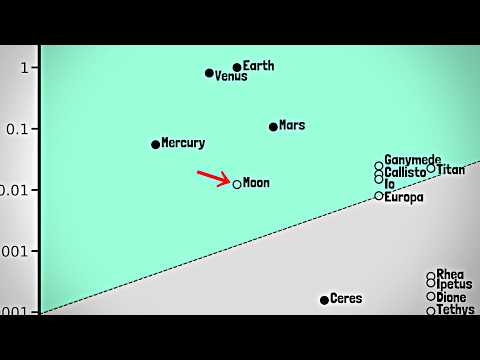
林宜悉 posted on 2025/12/23Did you know the Moon could technically be a planet? Dive into the fascinating debate about planetary definitions and learn why scientists classify celestial bodies the way they do! You'll boost your vocabulary with terms like 'hydrostatic equilibrium' and 'orbital dominance' while exploring the science behind our solar system.
Learn this video on the APP!
The VoiceTube App has more in-depth practice for videos!