
advance
US /ædˈvæns/
UK /əd'vɑ:ns/
- Noun
- Forward movement by an army
- An attempt to seduce someone
- Verb (Transitive/Intransitive)
- (Of an army) to move forward
- To change or improve
A2TOEICMorebomb
US /bɑm/
UK /bɒm/
- Transitive Verb
- To attack with explosives
- Noun
- An explosive device
B1Morechatter
US /ˈtʃætɚ/
UK /ˈtʃætə(r)/
- Intransitive Verb
- To talk a lot in a casual manner
- (As of teeth if cold) to click uncontrollably
- Uncountable Noun
- Continuous rapid talk about matters of little importance.
- A rapid series of short, sharp noises.
C2Morecivilian
US /sɪˈvɪljən/
UK /sə'vɪlɪən/
- Countable Noun
- Ordinary person who is not in the army
- Adjective
- Relating to civilians; not military.
B2Morecorrespondent
US /ˌkɔrɪˈspɑndənt, ˌkɑr-/
UK /ˌkɒrəˈspɒndənt/
- Countable Noun
- Journalist, as one reporting from other countries
B1Moredefense
US /dɪˈfɛns/
UK /dɪ'fens/
- Noun (Countable/Uncountable)
- Argument in support of something
- The process of protecting something from attack
B1TOEICMoredestroy
US /dɪˈstrɔɪ/
UK /dɪ'strɔɪ/
- Transitive Verb
- To damage so badly that something no longer exists
- To defeat someone or something easily
A2TOEICMoredirect
US /dɪˈrɛkt, daɪ-/
UK /də'rekt/
- Transitive Verb
- To tell someone in a very clear way to do something
- To show the way by conducting or leading
- Adverb
- Coming straight from something
A2TOEICMoreencounter
US /ɛnˈkaʊntɚ/
UK /ɪn'kaʊntə(r)/
- Verb (Transitive/Intransitive)
- To come up against a problem or trouble; meet
- To meet someone or something unexpectedly
- Noun
- A chance meeting; unexpected or unplanned meeting
B1TOEICMoreescape
US /ɪˈskep/
UK /ɪ'skeɪp/
- Noun (Countable/Uncountable)
- Act to briefly ignoring boring or bad things
- The 'esc key' on a keyboard
- Verb (Transitive/Intransitive)
- To avoid something undesirable, dangerous or bad
- To get away from a place where you are being kept
A2Moreexhaust
US /ɪɡˈzɔst/
UK /ɪɡ'zɔ:st/
- Noun
- System of pipes through which gases escape
- Waste gas from an engine, e.g. from a car
- Transitive Verb
- To emit gas from the back of a car
- To make a person feel very tired or without energy
A2Moreflee
US /fli/
UK /fli:/
- Intransitive Verb
- To leave somewhere urgently, to avoid danger
B1Moregive up
US /ɡɪv ʌp/
UK /ɡiv ʌp/
- Phrasal Verb
- To lose hope or admit defeat
- To decide to not start to try solving a problem
- Verb Phrase
- to surrender an item; hand over an item
A1Morehome in
US /ˈhoʊm ɪn/
UK /ˈhəum ɪn/
- other
- Move or direct toward a specific target or goal.
B2Morein droves
US
UK
- Phrase
- In large numbers; in a large group.
in hiding
US /ɪn ˈhaɪdɪŋ/
UK /ɪn ˈhaɪdɪŋ/
- other
- Trying to avoid being found or caught.
B2Morein sight
US /ɪn saɪt/
UK /in sait/
- Phrase
- Visible; able to be seen.
- Near to being achieved; imminent.
issue
US /ˈɪʃu/
UK /'ɪʃu:/
- Transitive Verb
- To make something available to be used or sold
- To deliver a statement, etc. in an official manner
- Noun (Countable/Uncountable)
- Important topic discussed, debated or argued over
- Single edition of a magazine
A2TOEICMoremorale
US /məˈræl/
UK /məˈrɑ:l/
- Uncountable Noun
- the amount of confidence and enthusiasm, etc. that a person or a group has at a particular time
B2Morepeace talks
US
UK
- Noun (plural)
- Discussions between representatives of opposing sides in a conflict aimed at reaching a peaceful resolution.
A1Morepersonally
US /ˈpəsənəli/
UK /ˈpɜ:sənəli/
- Adverb
- By a specific person, and not by anyone else
- Knowing someone as a friend, or closely
A2Morepresident
US /ˈprɛzɪdənt,-ˌdɛnt/
UK /ˈprezɪdənt/
- Noun
- Person in charge of a country, or organization
- The highest-ranking executive in a corporation or organization.
A2TOEICMoreprocess
US /ˈprɑsˌɛs, ˈproˌsɛs/
UK /prə'ses/
- Transitive Verb
- To organize and use data in a computer
- To deal with official forms in the way required
- Noun (Countable/Uncountable)
- Dealing with official forms in the way required
- Set of changes that occur slowly and naturally
A2TOEICMorereception
US /rɪˈsɛpʃən/
UK /rɪˈsepʃn/
- Noun (Countable/Uncountable)
- Front desk area of an organization or building
- Party occurring after an event it celebrates
B1TOEICMoreregion
US /ˈridʒən/
UK /'ri:dʒən/
- Noun (Countable/Uncountable)
- Part of a country, of the world, area, etc.
- A part of the body
A2TOEICMoreremain
US /rɪˈmen/
UK /rɪˈmeɪn/
- Intransitive Verb
- To be left behind; to continue to exist
- To stay in a place when other people have gone
A2TOEICMorerepeatedly
US /rɪ'pi:tɪdlɪ/
UK /rɪ'pi:tɪdlɪ/
- Adverb
- (Said, done) many times; over and over
B2Moresacrifice
US /ˈsækrəˌfaɪs/
UK /'sækrɪfaɪs/
- Noun
- Person/animal killed in a sacrifice (to a god)
- Person/animal killed to please a god
- Transitive Verb
- To kill an animal or human to please a god
- To give up your life for others, for a cause etc.
B1Moreseize
US /siz/
UK /si:z/
- Transitive Verb
- To take a place with force, as by military action
- To arrest or catch someone
B1Moreserve
US /sɚv/
UK /sɜ:v/
- Verb (Transitive/Intransitive)
- To act in a particular position or office
- To hit the first ball to an opponent in tennis etc.
A2TOEICMoresight
US /saɪt/
UK /saɪt/
- Transitive Verb
- To aim (a gun) at something to get your range
- To see something rare or unusual
- Noun (Countable/Uncountable)
- Things or people that one can see
- Range or distance that someone can see
A2TOEICMorespirit
US /ˈspɪrɪt/
UK /'spɪrɪt/
- Noun
- Person's strong determination or attitude
- Unique qualities of person, place, or time
- Transitive Verb
- To take someone away as if by magic
A2Moresteady
US /ˈstɛdi/
UK /'stedɪ/
- Adjective
- Happening or developing at a regular rate
- Continuing without stopping or changing over time
- Transitive Verb
- To make constant, unchanging or staying the same
- To hold something/someone so they stop moving
B2Morestream
US /strim/
UK /stri:m/
- Intransitive Verb
- To send a constant flow of data over the internet
- Noun
- Classes split into ability levels
- A small river
A2Moreterritory
US /ˈtɛrɪˌtɔri, -ˌtori/
UK /'terətrɪ/
- Noun (Countable/Uncountable)
- Area of land defended by an animal
- Area of particular knowledge or experience
B1TOEICMoretired
US /ˈtaɪərd/
UK /ˈtaɪəd/
- Adjective
- Without energy so you want to rest or fall asleep
- Transitive Verb
- To lose, cause to lose energy so you want to rest
B1Moreunacceptable
US /ˌʌnɪkˈsɛptəbəl, -æk-/
UK /ˌʌnəkˈseptəbl/
- Adjective
- Not being or behaving in the correct or right way
B1Moreunbearable
US /ʌnˈbɛrəbəl/
UK /ʌnˈbeərəbl/
- Adjective
- Not able to be accepted or tolerated
B1More
Vocabulary
- peace talks: Discussions between representatives of opposing sides in a conflict aimed at reaching a peaceful resolution.
- give up: To lose hope or admit defeat
- in sight: Visible; able to be seen.
- in hiding: Trying to avoid being found or caught.
- in droves: In large numbers; in a large group.
- home in: Move or direct toward a specific target or goal.
- process: To organize and use data in a computer
- encounter: To come up against a problem or trouble; meet
- expect: To believe something is probably going to happen
- describe: To tell the appearance, sound, smell of something
- territory: Area of land defended by an animal
- sacrifice: Person/animal killed in a sacrifice (to a god)
- escape: Act to briefly ignoring boring or bad things
- issue: To make something available to be used or sold
- deal: To cope with something - usually troubles
- remain: To be left behind; to continue to exist
- direct: To tell someone in a very clear way to do something
- region: Part of a country, of the world, area, etc.
- simply: In an easy or clear manner
- steady: Happening or developing at a regular rate
- spirit: Person's strong determination or attitude
- advance: Forward movement by an army
- lead: Wire for electricity, computer, etc.; cable
- serve: To act in a particular position or office
- flee: To leave somewhere urgently, to avoid danger
- correspondent: Journalist, as one reporting from other countries
- leave: To go away from; depart
- stream: To send a constant flow of data over the internet
- personally: By a specific person, and not by anyone else
- destroy: To damage so badly that something no longer exists
- defense: Argument in support of something
- single: One run in cricket or a hit baseball
- sight: To aim (a gun) at something to get your range
- seize: To take a place with force, as by military action
- president: Person in charge of a country, or organization
- control: A device designed to operate a machine
- operate: To control or handle something, such as a machine
- civilian: Ordinary person who is not in the army
- continue: To do something without stopping, or after pausing
- exhaust: System of pipes through which gases escape
- reception: Front desk area of an organization or building
- head: To hit a ball with your head in a game
- basic: At the most important or easiest (beginner) level
- unbearable: Not able to be accepted or tolerated
- fail: To be unsuccessful in passing a class or exam
- morale: the amount of confidence and enthusiasm, etc. that a person or a group has at a particular time
- front: Behavior not showing a person's true feelings
- difficult: Hard; not easy; you need to work hard to do it
- repeatedly: (Said, done) many times; over and over
- chatter: To talk a lot in a casual manner
- bomb: To attack with explosives
- unacceptable: Not being or behaving in the correct or right way
- tired: Without energy so you want to rest or fall asleep
Get the full experience in the app
Learn anywhere with detailed sentence and usage analysis
01:03
She took a brave step forward, leaving behind her comfort zone to chase her dreams.
Vocabulary
- brave
adj. Having courage
- comfort zone
phr. A familiar situation where one feels safe
Explanation
a brave step is a noun phrase, where brave is an adjective modifying the noun step, meaning "a courageous step".
forward is an adverb modifying step, meaning "ahead".
The whole phrase serves as the object, answering the "what" of took (verb) — she took a brave step forward.
Get the full experience in the app
Look up words anytime with pronunciation, part of speech, and usage
brave
US/brev/
UK/breɪv/
adj.Brave
v.t.To bravely face
A2 Elementary
Get the full experience in the app
Practice speaking anytime and get instant pronunciation feedback
Try this speaking exercise.
Try practicing with this sentence.
80
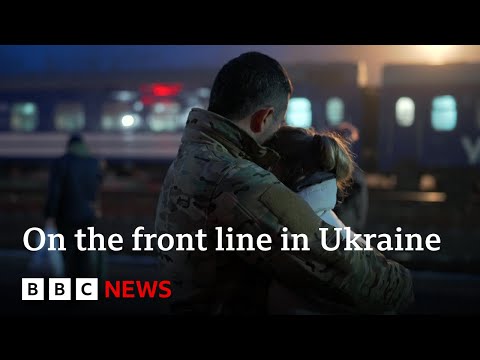
Ukrainians in war-ravaged Donbas weigh prospects of peace deal | BBC News
0
林宜悉 posted on 2025/12/03Ever wondered what life is like for Ukrainians in the Donbas region amidst the ongoing conflict? This BBC News report brings you powerful personal stories and frontline interviews, offering a deep dive into the challenges and hopes for peace. You'll gain valuable cultural insights and hear real-world situational dialogue that's perfect for B1+ learners!
Learn this video on the APP!
The VoiceTube App has more in-depth practice for videos!