
actual
US /ˈæktʃuəl/
UK /ˈæktʃuəl/
- Adjective
- Real or existing in fact, not imagined; real
- Current; existing at the present time.
A2TOEICMoreanticipate
US /ænˈtɪsəˌpet/
UK /æn'tɪsɪpeɪt/
- Transitive Verb
- To expect or look ahead to something positively
- To be aware of something that might happen
B1TOEICMoreappeal
US /əˈpil/
UK /ə'pi:l/
- Uncountable Noun
- Ability to attract interest, attention, or desire
- Verb (Transitive/Intransitive)
- To attract interest, attention, or desire
- To request a judge or others to change a decision
A2TOEICMoreat once
US /æt wʌns/
UK /æt wʌns/
- Adverb
- Immediately; without delay
- At the same time; simultaneously
A2Moreat the same time
US
UK
- Phrase
- Simultaneously; at the identical moment.
- Nevertheless; however; used to introduce a contrasting or qualifying statement.
A1Morebudget
US /ˈbʌdʒɪt/
UK /'bʌdʒɪt/
- Noun (Countable/Uncountable)
- Amount of money planned to be spent
- Verb (Transitive/Intransitive)
- To make a plan for how to spend your money
A2TOEICMorecereal
US /ˈsɪriəl/
UK /'sɪərɪəl/
- Noun (Countable/Uncountable)
- Breakfast food eaten with milk
- Grain that can be eaten
B1Moreconsumer
US /kənˈsumɚ/
UK /kənˈsju:mə(r)/
- Countable Noun
- Person who buys goods or services
- An economic agent who uses goods and services.
- Adjective
- Relating to people who buy goods and services.
A2Morecorn
US /kɔrn/
UK /kɔ:n/
- Noun
- Small, painful hard spot on the foot
- Plant with many yellow seeds used as food
B1Morecrop
US /krɑp/
UK /krɒp/
- Noun (Countable/Uncountable)
- Plants grown on a farm for food, e.g. corn or rice
- Section of short, thick hair
- Transitive Verb
- To cut something to a shorter length or size
- To cut (something, especially hair) short.
B1Morefluctuate
US /ˈflʌktʃuˌet/
UK /'flʌktʃʊeɪt/
- Intransitive Verb
- To shift back and forth uncertainly; change a lot
B1TOEICMoregain
US /ɡen/
UK /ɡeɪn/
- Verb (Transitive/Intransitive)
- To increase in something, such as weight
- To get something wanted, needed or valued
- Noun (Countable/Uncountable)
- An increase in something, such as weight
A2TOEICMoregenerally
US /ˈdʒɛnərəli/
UK /ˈdʒenrəli/
- Adverb
- Usually; as a rule; by, to or for most people
A2Moreharvest
US /ˈhɑ:rvɪst/
UK /ˈhɑ:vɪst/
- Noun (Countable/Uncountable)
- Gathering crops from the fields; the crops
- The time of year to bring crops in from the fields
- Transitive Verb
- To gather ripe crops in from the fields
- To obtain or collect something.
B1TOEICMoreharvest time
US
UK
- Noun
- The season when crops are gathered from the fields.
- A period when the results of one's efforts are realized.
A1Moreharvesting
US /'hɑ:vɪstɪŋ/
UK /'hɑ:vɪstɪŋ/
- Verb (Transitive/Intransitive)
- To gather ripe crops in from the fields
- Noun
- The act of obtaining or collecting something.
B1Morehave to
US /hæv tu/
UK /ˈhæv tə/
- Auxiliary Verb
- Must do
A1Morehedge
US /hɛdʒ/
UK /hedʒ/
- Intransitive Verb
- To select words to avoid saying something directly
- Countable Noun
- A fence made with small trees or bushes
B1Morehuge
US /hjudʒ/
UK /hju:dʒ/
- Adjective
- Very very large
A2Morein the future
US /ɪn ði ˈfjutʃɚ/
UK /in ðə ˈfju:tʃə/
- Phrase
- At a later time; in times to come.
A1Moreinstead of
US /ɪnˈstɛd ʌv/
UK /inˈsted ɔv/
- Preposition
- When one thing is replaced by another
- Adverb
- As a substitute or alternative.
A1Morelose money
US /luz ˈmʌni/
UK /lu:z ˈmʌni/
- Intransitive Verb
- To suffer a financial loss; to not make a profit.
A1Moremanagement
US /ˈmænɪdʒmənt/
UK /'mænɪdʒmənt/
- Noun (Countable/Uncountable)
- People who are in control of a business or group
- Uncountable Noun
- The process of dealing with or controlling things or people.
- The skill of organizing and controlling resources.
A2TOEICMoremaximize
US /ˈmæksəˌmaɪz/
UK /ˈmæksɪmaɪz/
- Transitive Verb
- To make as large or great as possible
B1Moreneither side
US
UK
- Pronoun
- Not either of two sides or parties.
- Phrase
- Used to indicate that two opposing parties both failed to do something.
- Not on either side of something.
B2Moreof course
US /ʌv kɔː(r)s/
UK /ɔv kɔː(r)s/
- Adverb
- Sure ; Certainly
- Phrase
- For sure; certainly
A2Moreon balance
US /ɑn ˈbæləns/
UK /ɔn ˈbæləns/
- Phrase
A2Moreprocess
US /ˈprɑsˌɛs, ˈproˌsɛs/
UK /prə'ses/
- Transitive Verb
- To organize and use data in a computer
- To deal with official forms in the way required
- Noun (Countable/Uncountable)
- Dealing with official forms in the way required
- Set of changes that occur slowly and naturally
A2TOEICMoreprofit
US /'prɑ:fɪt/
UK /'prɒfɪt/
- Noun (Countable/Uncountable)
- Benefit from doing something
- Money earned from sales, after costs are deducted
- Verb (Transitive/Intransitive)
- To be a benefit to someone
- To earn money from something
A2TOEICMorepurchase
US
UK
- Transitive Verb
- To buy something; to get by paying money for it
- Noun (Countable/Uncountable)
- Something that you bought
- Strong hold on something; grip
A2TOEICMorerarely
US /ˈrɛrli/
UK /ˈrɛəli/
- Adverb
- Not often (seen, done, etc.); infrequently
A2TOEICMorereassure
US /ˌri:əˈʃʊr/
UK /ˌri:əˈʃʊə(r)/
- Transitive Verb
- To make feel less worried about something
B1Moreroughly
US /ˈrʌflɪ/
UK /ˈrʌfli/
- Adverb
- Approximately; (of numbers) about; around
- In a manner that is violent or not careful
B1Moreruin
US /ˈruɪn/
UK /'ru:ɪn/
- Transitive Verb
- To damage or completely destroy something
- To cause someone to lose their money or status
- Noun (Countable/Uncountable)
- Remains of a building that has been destroyed
- The state of being destroyed or severely damaged.
B1Moresame time
US
UK
- Phrase
- Occurring simultaneously or at the same point in time.
- At the identical time as before; recurring at a fixed hour.
- Noun
- An equal duration or period.
A1Moresecurity
US /sɪˈkjʊrɪti/sə'kjurətɪ/
UK /sɪ'kjʊərətɪ/
- Noun
- Department in a company in charge of protection
- Financial document, like stocks, bonds and notes
A2TOEICMorestable
US /ˈstebəl/
UK /'steɪbl/
- Adjective
- In a position where something does not fall over
- Having a chemical state that is not easily changed
- Countable Noun
- Group of racing horses that belong to one owner
A2TOEICMorestick
US /stɪk/
UK /stɪk/
- Verb (Transitive/Intransitive)
- To push a sharp or pointed object into something
- To join together using glue or paste
- Countable Noun
- Long thin piece of wood from a tree
A2Morethanks to
US /θæŋks tu/
UK /θæŋks tu:/
- Preposition
- Because of; as a result of.
A1Morewith it
US /wɪð ɪt/
UK /wið it/
- Adjective
- Intelligent, alert, and up-to-date.
- Understanding and knowledgeable about current trends or information.
A1More
Vocabulary
- of course: Sure ; Certainly
- at once: Immediately; without delay
- thanks to: Because of; as a result of.
- at the same time: Simultaneously; at the identical moment.
- same time: Occurring simultaneously or at the same point in time.
- have to: Must do
- instead of: When one thing is replaced by another
- neither side: Not either of two sides or parties.
- in the future: At a later time; in times to come.
- lose money: To suffer a financial loss; to not make a profit.
- with it: Intelligent, alert, and up-to-date.
- harvest time: The season when crops are gathered from the fields.
- on balance
- stick: To push a sharp or pointed object into something
- process: To organize and use data in a computer
- ruin: To damage or completely destroy something
- roughly: Approximately; (of numbers) about; around
- bit: Device put in a horse's mouth to control it
- contract: To become ill as a result of getting a disease
- generally: Usually; as a rule; by, to or for most people
- appeal: Ability to attract interest, attention, or desire
- anticipate: To expect or look ahead to something positively
- huge: Very very large
- purchase: To buy something; to get by paying money for it
- security: Department in a company in charge of protection
- budget: Amount of money planned to be spent
- actual: Real or existing in fact, not imagined; real
- rest: Time when one relaxes, sleeps, or is inactive
- risk: To do something potentially dangerous or foolish
- break: To create a new record e.g. running the 100m dash
- mind: To be bothered or upset by something
- fall: Season after summer and before winter; Autumn
- gain: To increase in something, such as weight
- crop: Plants grown on a farm for food, e.g. corn or rice
- reassure: To make feel less worried about something
- company: Good feeling from being with someone else
- profit: Benefit from doing something
- cereal: Breakfast food eaten with milk
- lot: What happens to a person in life from chance; fate
- rarely: Not often (seen, done, etc.); infrequently
- harvest: Gathering crops from the fields; the crops
- fluctuate: To shift back and forth uncertainly; change a lot
- consumer: Person who buys goods or services
- fortunate: Having good luck
- stable: In a position where something does not fall over
- protect: To defend someone or something from harm or danger
- daily: Happening every day
- change: To exchange one set of clothes for another
- management: People who are in control of a business or group
- business: A company formed for making profit
- hedge: To select words to avoid saying something directly
- maximize: To make as large or great as possible
- future: Time that is to come after the present
- corn: Small, painful hard spot on the foot
- harvesting: To gather ripe crops in from the fields
Get the full experience in the app
Learn anywhere with detailed sentence and usage analysis
01:03
She took a brave step forward, leaving behind her comfort zone to chase her dreams.
Vocabulary
- brave
adj. Having courage
- comfort zone
phr. A familiar situation where one feels safe
Explanation
a brave step is a noun phrase, where brave is an adjective modifying the noun step, meaning "a courageous step".
forward is an adverb modifying step, meaning "ahead".
The whole phrase serves as the object, answering the "what" of took (verb) — she took a brave step forward.
Get the full experience in the app
Look up words anytime with pronunciation, part of speech, and usage
brave
US/brev/
UK/breɪv/
adj.Brave
v.t.To bravely face
A2 Elementary
Get the full experience in the app
Practice speaking anytime and get instant pronunciation feedback
Try this speaking exercise.
Try practicing with this sentence.
80
0
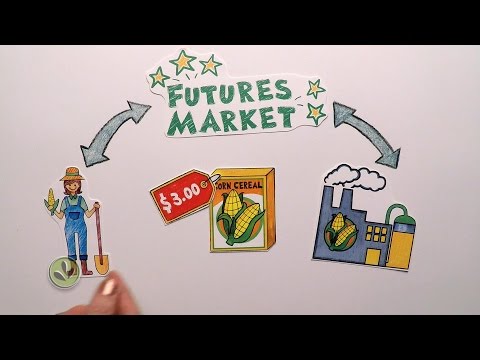
Lai Jacky posted on 2025/11/17Ever wonder how your cereal stays at a steady price, even with changing harvests? This video dives into the fascinating world of futures markets and hedging, showing you how farmers and companies manage risks to keep commodity prices stable! You'll pick up some great advanced vocabulary and practical knowledge that's useful both at work and in daily life.
Learn this video on the APP!
The VoiceTube App has more in-depth practice for videos!