
accommodate
US /əˈkɑ:mədeɪt/
UK /əˈkɒmədeɪt/
- Transitive Verb
- To adapt or handle a situation, task
- To fit in with others' needs, opinions
B1TOEICMoreannex
US /əˈnɛks, ˈænˌɛks/
UK /əˈneks/
- Countable Noun
- An extension to a main building
- Transitive Verb
- To take land from others to own or control it
B2Moreapproximately
US /əˈprɑksəmɪtlɪ/
UK /əˈprɒksɪmətli/
- Adverb
- Around; nearly; almost; about (a number)
A2TOEICMoreas a result of
US
UK
- Phrase
- Because of something; owing to.
A1Moreaside from
US /əˈsaɪd frʌm/
UK /əˈsaid frɔm/
- Phrase
A1Moreassumption
US /əˈsʌmpʃən/
UK /ə'sʌmpʃn/
- Noun (Countable/Uncountable)
- Something you believe to be so, but aren't sure of
A2Morebackyard
US /ˌbækˈjɑ:rd/
UK /ˌbækˈjɑ:d/
- Adjective
- Made in an amateurish or non-professional way
- Local; in one's immediate vicinity.
- Noun
- Yard or garden behind a house
- An area close to one's home or area of expertise.
C2Morebasically
US /ˈbesɪkəli,-kli/
UK /ˈbeɪsɪkli/
- Adverb
- Used before you explain something simply, clearly
- In essence; when you consider the most important aspects of something.
A2Moreby itself
US /baɪ ɪtˈsɛlf/
UK /bai itˈself/
- Adverb
- Alone; without help or assistance.
- Without any external influence or aid.
A2Morechaos
US /ˈkeˌɑs/
UK /'keɪɒs/
- Noun (plural)
- State of utter confusion or disorder
- Uncountable Noun
- Complete disorder and confusion.
- Behavior so unpredictable as to appear random, owing to great sensitivity to small changes in conditions.
B1Morecharacter
US /ˈkærəktɚ/
UK /'kærəktə(r)/
- Noun
- Person in a story, movie or play
- Writing symbols, e.g. alphabet or Chinese writing
A2Morecity center
US /ˈsɪti ˈsɛntɚ/
UK /ˈsiti ˈsentə/
- Noun (Countable/Uncountable)
- The central part of a city, especially the main business or commercial area.
- Phrase
- The main part of a city where the main commercial and administrative activities take place.
climate
US /ˈklaɪmɪt/
UK /ˈklaɪmət/
- Noun (Countable/Uncountable)
- Typical weather conditions in a particular place
- The general attitudes, feelings, or opinions that people have at a particular time.
A2Morecomparison
US /kəmˈpærɪsən/
UK /kəmˈpærɪsn/
- Noun (Countable/Uncountable)
- Act of comparing things
- The quality or state of being similar or alike.
A2Moreconcentrate
US /ˈkɑnsənˌtret/
UK /'kɒnsntreɪt/
- Verb (Transitive/Intransitive)
- To cause to be present in large amount or number
- To pay great attention to a task; focus
- Noun (Countable/Uncountable)
- A substance made by removing water or other diluents; a concentrated form of something.
A2Moredecline
US /dɪˈklaɪn/
UK /dɪ'klaɪn/
- Intransitive Verb
- To bend towards the ground
- To slope downward.
- Verb (Transitive/Intransitive)
- To lessen in quality or value
A2TOEICMoredensely
US /ˈdɛnslɪ/
UK /denslɪ/
- Adverb
- Thickly (filled or covered)
B1Moredensity
US /ˈdɛnsɪti/
UK /ˈdensəti/
- Noun (Countable/Uncountable)
- Degree to which an area is filled or covered
- The degree of compactness of a substance.
C1TOEICMoredepending on
US
UK
- Phrasal Verb
- To rely on for support (financial or emotional)
- Influenced or determined by.
- Preposition
- Subject to; contingent on
- Relying on someone or something for support or assistance.
A2Moredue to
US /du tu/
UK /dju: tu:/
- Preposition
- Because of; owing to
- Adjective
- Attributable to; caused by.
A1Moreemphasize
US /ˈɛmfəˌsaɪz/
UK /'emfəsaɪz/
- Transitive Verb
- To stress the items that are important
B2TOEICMoreevenly
US /ˈivənlɪ/
UK /ˈi:vnli/
- Adverb
- Equally; with advantage to both sides
- In a smooth, level or regular way
B2Moreextremely
US /ɪk'strimlɪ/
UK /ɪkˈstri:mli/
- Adverb
- In a way that is much more than usual or expected
- Remarkably; unusually.
B1Morefor example
US
UK
- Phrase
- As an illustration or instance.
fragment
US /ˈfræɡmənt/
UK /'fræɡmənt/
- Countable Noun
- Part that is broken off of something
- Intransitive Verb
- To be broken into pieces
- (Of computer file) to be broken into pieces
B1Morefreeway
US /ˈfriˌwe/
UK /'fri:weɪ/
- Noun
- Highway that can be used without paying a toll
C1Morefurther out
US
UK
- Adverb
- At a greater distance; more distant.
- To a more advanced or remote stage or point.
A2Morego back to
US /ɡo bæk tu/
UK /ɡəu bæk tu:/
- Phrasal Verb
- To return to a starting point
A1Moregoing on
US /ˈɡoɪŋ ɑn/
UK /ˈgəʊɪŋ ɔn/
- Phrasal Verb
- To continue doing something
- To happen (usually negative)
A1Morehighland
US /ˈhaɪlənd/
UK /ˈhaɪlənd/
- Noun
- Area of mountains far above sea level
B2Morein favor of
US /ɪn ˈfevɚ ʌv/
UK /in ˈfeivə ɔv/
- Phrase
- Expressing support or approval for someone or something.
- To the advantage of; benefiting.
- Preposition
- Supporting or approving of something.
- To the advantage of; to the benefit of.
A1Morein order to
US /ɪn ˈɔrdɚ tu/
UK /in ˈɔ:də tu:/
- Preposition
- For the purpose of; with the aim of.
- Phrase
- In a specific sequence or arrangement.
- With the aim of; for the purpose of.
C1Morein places
US
UK
- Phrase
- In some locations but not others
A1Morein the world
US /ɪn ði wɜrld/
UK /in ðə wɜː(r)ld/
- Phrase
- Used to emphasize a question expressing surprise, confusion, or disbelief.
- Used to indicate the extent or degree of something, often in a superlative sense.
A1Moreinconsistent
US /ˌɪnkənˈsɪstənt/
UK /ˌɪnkənˈsɪstənt/
- Adjective
- Not tying together logically or with the facts
- Not staying the same in quality, behavior, or beliefs.
B1Moreinstead of
US /ɪnˈstɛd ʌv/
UK /inˈsted ɔv/
- Preposition
- When one thing is replaced by another
- Adverb
- As a substitute or alternative.
A1Morelack
US /læk/
UK /læk/
- Verb (Transitive/Intransitive)
- To not have, or not have enough, of something
- Uncountable Noun
- The state of not having or not having enough of
A2TOEICMorelook at
US /lʊk æt/
UK /luk æt/
- Phrasal Verb
- To use your eyes to focus on something
- To focus your eyes on something carefully
A1Moremaintain
US /menˈten/
UK /meɪn'teɪn/
- Transitive Verb
- To keep saying something a certain way
- To keep (machine) working by checking, repairing
A2TOEICMoremention
US /ˈmɛnʃən/
UK /'menʃn/
- Transitive Verb
- To refer to or talk or write about something
- Uncountable Noun
- Act of referring to or talking about something
- A formal acknowledgement of something
A2TOEICMoremetro
US /ˈmetroʊ/
UK /ˈmetrəʊ/
- Noun
- Underground railway or subway
B2Moremetro area
US
UK
- Noun (Countable/Uncountable)
- A densely populated urban area and its surrounding suburbs, economically and socially integrated.
- A geographic region with a relatively high population density at its core and close economic ties throughout the area.
A2Morepopulation
US /ˌpɑpjəˈleʃən/
UK /ˌpɒpjuˈleɪʃn/
- Noun (Countable/Uncountable)
- Number of people who live in a country, area etc.
- A group of individuals of one species living in a particular area.
A2TOEICMoreport
US /pɔrt, port/
UK /pɔ:t/
- Noun (Countable/Uncountable)
- City where ships can shelter during a storm
- Left side of a ship when facing forward
- Transitive Verb
- To move data from one computer system to another
B1Morepreviously
US /ˈprivɪəslɪ/
UK /'pri:vɪəslɪ/
- Adverb
- At an earlier time
- In the past; formerly.
B1TOEICMorerather than
US
UK
- Adverb
- More exactly; more correctly
- Preferably; instead
- Preposition
- Instead of
A1Moreregion
US /ˈridʒən/
UK /'ri:dʒən/
- Noun (Countable/Uncountable)
- Part of a country, of the world, area, etc.
- A part of the body
A2TOEICMoresee in
US /si ɪn/
UK /si: in/
- Phrasal Verb
- To accompany someone to the entrance of a building or room.
A1Moreshortly
US /ˈʃɔrtli/
UK /ˈʃɔ:tli/
- Adverb
- Quickly; soon; in a moment
- In an unfriendly or rude way
B1Moreshrink
US /ʃrɪŋk/
UK /ʃrɪŋk/
- Intransitive Verb
- To become smaller
- Noun
- A rude name for a psychiatrist
B1Moresignificantly
US /sɪɡˈnɪfəkəntlɪ/
UK /sɪgˈnɪfɪkəntli/
- Adverb
- In a way that is important or noticeable
- In a way that is meaningful
A2Moresprawl
US /sprɔl/
UK /sprɔ:l/
- Intransitive Verb
- To spread out in an uncontrolled way
B2Morespread
US /sprɛd/
UK /spred/
- Noun (Countable/Uncountable)
- A big meal, often laid out as a buffet
- The distance between two things
- Verb (Transitive/Intransitive)
- To place over a large area; to cover a large area
- (Of ideas, gossip) to pass to and affect others
A2TOEICMorespread out
US /sprɛd aʊt/
UK /spred aut/
- Phrasal Verb
- To extend or stretch over a large area.
- To arrange things so that they cover a large area.
B2Morestrip
US /strɪp/
UK /strɪp/
- Transitive Verb
- To remove your clothes (often sexily for someone)
- To remove something, e.g. paint from a wall
- Countable Noun
- Long narrow piece, such as ribbon or land
B1Morestrip of
US
UK
- Phrase
- A long, narrow piece of something.
- A long, narrow area of land.
A1Morethanks to
US /θæŋks tu/
UK /θæŋks tu:/
- Preposition
- Because of; as a result of.
A1Morethink of
US /θɪŋk ʌv/
UK /θiŋk ɔv/
- Phrasal Verb
- To look on as (being something specific); consider
- To consider or remember something.
- Verb (Transitive/Intransitive)
- To imagine or call something to mind
A1Moretransit
US /ˈtrænsɪt, -zɪt/
UK /ˈtrænzɪt/
- Noun (Countable/Uncountable)
- System of transportation, often in a city
- Process of changing planes at airports
- Adjective
- Concerning a transport system in a city
B1Moreurban
US /ˈɚbən/
UK /'ɜ:bən/
- Adjective
- Concerning a city; located in a city
- Relating to the style of dress and music popular in cities.
B1TOEICMorewith it
US /wɪð ɪt/
UK /wið it/
- Adjective
- Intelligent, alert, and up-to-date.
- Understanding and knowledgeable about current trends or information.
A1Morezone
US /zoʊn/
UK /zəʊn/
- Noun
- Area of space designated for a particular use
- Transitive Verb
- To divide an area for a particular reason
B1More
Vocabulary
- see in: To accompany someone to the entrance of a building or room.
- metro area: A densely populated urban area and its surrounding suburbs, economically and socially integrated.
- spread out: To extend or stretch over a large area.
- as a result of: Because of something; owing to.
- city center: The central part of a city, especially the main business or commercial area.
- think of: To look on as (being something specific); consider
- going on: To continue doing something
- go back to: To return to a starting point
- thanks to: Because of; as a result of.
- in order to: For the purpose of; with the aim of.
- instead of: When one thing is replaced by another
- by itself: Alone; without help or assistance.
- aside from
- look at: To use your eyes to focus on something
- strip of: A long, narrow piece of something.
- due to: Because of; owing to
- with it: Intelligent, alert, and up-to-date.
- depending on: To rely on for support (financial or emotional)
- for example: As an illustration or instance.
- further out: At a greater distance; more distant.
- rather than: More exactly; more correctly
- in places: In some locations but not others
- in favor of: Expressing support or approval for someone or something.
- in the world: Used to emphasize a question expressing surprise, confusion, or disbelief.
- extremely: In a way that is much more than usual or expected
- period: Set amount of time during which events take place
- basically: Used before you explain something simply, clearly
- character: Person in a story, movie or play
- chaos: State of utter confusion or disorder
- develop: To explain something in steps and in detail
- approximately: Around; nearly; almost; about (a number)
- decline: To bend towards the ground
- climate: Typical weather conditions in a particular place
- accommodate: To adapt or handle a situation, task
- spread: A big meal, often laid out as a buffet
- significantly: In a way that is important or noticeable
- concentrate: To cause to be present in large amount or number
- increase: To make or become larger in size or amount
- assumption: Something you believe to be so, but aren't sure of
- lack: To not have, or not have enough, of something
- shrink: To become smaller
- maintain: To keep saying something a certain way
- mention: To refer to or talk or write about something
- region: Part of a country, of the world, area, etc.
- emphasize: To stress the items that are important
- population: Number of people who live in a country, area etc.
- comparison: Act of comparing things
- pretty: Being attractive to the eye in a simple way
- strip: To remove your clothes (often sexily for someone)
- inconsistent: Not tying together logically or with the facts
- urban: Concerning a city; located in a city
- appear: To be seen, become visible; come into sight
- previously: At an earlier time
- single: One run in cricket or a hit baseball
- kind: In a caring and helpful manner
- control: A device designed to operate a machine
- system: Set of organized, planned ideas that work together
- build: Your physical shape; physique
- public: Owned by the government
- zone: Area of space designated for a particular use
- fragment: Part that is broken off of something
- drive: A person's ambition and motivation to do something
- densely: Thickly (filled or covered)
- density: Degree to which an area is filled or covered
- land: Region or country
- start: First time or place that a thing exists; beginning
- evenly: Equally; with advantage to both sides
- world: All the humans, events, activities on the earth
- transit: System of transportation, often in a city
- port: City where ships can shelter during a storm
- metro: Underground railway or subway
- backyard: Made in an amateurish or non-professional way
- sprawl: To spread out in an uncontrolled way
- annex: An extension to a main building
- shortly: Quickly; soon; in a moment
- highland: Area of mountains far above sea level
- freeway: Highway that can be used without paying a toll
Get the full experience in the app
Learn anywhere with detailed sentence and usage analysis
01:03
She took a brave step forward, leaving behind her comfort zone to chase her dreams.
Vocabulary
- brave
adj. Having courage
- comfort zone
phr. A familiar situation where one feels safe
Explanation
a brave step is a noun phrase, where brave is an adjective modifying the noun step, meaning "a courageous step".
forward is an adverb modifying step, meaning "ahead".
The whole phrase serves as the object, answering the "what" of took (verb) — she took a brave step forward.
Get the full experience in the app
Look up words anytime with pronunciation, part of speech, and usage
brave
US/brev/
UK/breɪv/
adj.Brave
v.t.To bravely face
A2 Elementary
Get the full experience in the app
Practice speaking anytime and get instant pronunciation feedback
Try this speaking exercise.
Try practicing with this sentence.
80
0
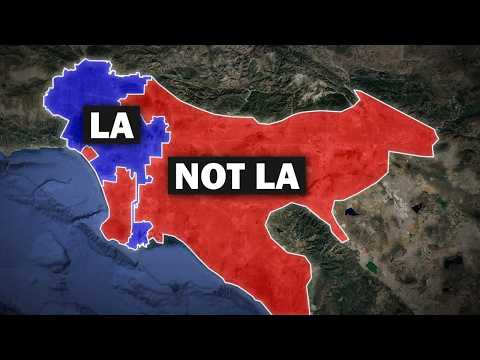
Minjane posted on 2025/11/17Ever wondered why Los Angeles feels so… sprawling and disconnected? This video dives into the fascinating history and urban planning behind LA's unique layout, exploring concepts like annexation and car culture. You'll pick up advanced vocabulary and complex sentence structures while unraveling the secrets of this iconic American city!
Learn this video on the APP!
The VoiceTube App has more in-depth practice for videos!