
adapt
US /əˈdæpt/
UK /ə'dæpt/
- Transitive Verb
- To change something for a different function
- To change something to fit or suit a new purpose
- Intransitive Verb
- To change your behaviour so that it is easier to live in a new place or situation
B1TOEICMoreadaptation
US /ˌædæpˈteʃən/
UK /ˌædæpˈteɪʃn/
- Noun (Countable/Uncountable)
- Music, movie or play, changed to a new form
- Changing to a new form; thing that is changed
B1Moreadvantage
US /ædˈvæntɪdʒ/
UK /əd'vɑ:ntɪdʒ/
- Noun (Countable/Uncountable)
- Thing making the chance of success higher
- A positive point about something
- Transitive Verb
- To make use of something, especially to further one's own position; exploit.
A2TOEICMoreall the things
US
UK
- Pronoun
- Everything; all items or aspects
- Determiner
- Every item or object being considered or discussed.
A1Moreat random
US /æt ˈrændəm/
UK /æt ˈrændəm/
- Phrase
B1Morebloodstream
US /ˈblʌdˌstrim/
UK /ˈblʌdstri:m/
- Uncountable Noun
- Blood flowing through the circulatory system
C2Moreby chance
US /baɪ tʃæns/
UK /bai tʃɑ:ns/
- Adverb
- Accidentally; without planning.
- Phrase
- Accidentally; without planning.
B1Moreby now
US /baɪ naʊ/
UK /bai nau/
- Phrase
- At the present time or already; before the present.
A2Morechange over
US
UK
- Phrasal Verb
- To switch from one thing to another.
A2Morecome back
US /kʌm bæk/
UK /kʌm bæk/
- Phrasal Verb
- To reply to someone, often forcefully
- To be remembered
A1Morecome from
US /kʌm frʌm/
UK /kʌm frɔm/
- Phrasal Verb
- To have as your native country or city
A1Morecome up with
US /kʌm ʌp wɪð/
UK /kʌm ʌp wið/
- Phrasal Verb
- To think of an idea or solution; produce
A1Morecommon ancestor
US
UK
- Noun
- An ancestor that two or more species have in common and from which they both evolved.
B1Morecompatible
US /kəmˈpætəbəl/
UK /kəmˈpætəbl/
- Adjective
- Able to get on or be used well together
- (of two things) able to exist or work together without conflict.
B2Moreconnotation
US /ˌkɑnəˈteʃən/
UK /ˌkɒnəˈteɪʃn/
- Noun
- Idea associated with another one
C1TOEICMoreconsume
US /kənˈsum/
UK /kən'sju:m/
- Transitive Verb
- To eat, drink, buy or use up something
- To take all your energy; focus the attention
A2TOEICMorecumulative
US /ˈkju:mjəleɪtɪv/
UK /ˈkju:mjələtɪv/
- Adjective
- Getting larger slowly through more additions
B2Moredarn good
US
UK
- Adjective
- Extremely good; excellent.
A1Moredistinct
US /dɪˈstɪŋkt/
UK /dɪˈstɪŋkt/
- Adjective
- Clearly different in nature from something else
- Clearly noticeable; easily perceived.
A2Morediversity
US /dɪˈvə:sɪti, daɪ-/
UK /daɪ'vɜ:sətɪ/
- Noun (Countable/Uncountable)
- Having a range of different races, ideas etc.
- A range of different things.
B1TOEICMoredna
US
UK
- Noun (Countable/Uncountable)
- Chemical in living cells with genetic information
B2Moredue to
US /du tu/
UK /dju: tu:/
- Preposition
- Because of; owing to
- Adjective
- Attributable to; caused by.
A1Moreevolution
US /ˌɛvəˈluʃən, ˌivə-/
UK /ˌi:və'lu:ʃn/
- Uncountable Noun
- Theory that living things change over time
- Process by which something develops over time
B1Moreevolutionary
US /ˌiːvəˈluːʃəneri/
UK /ˌi:vəˈlu:ʃənri/
- Adjective
- Concerning gradual change over time
B2Moreexploit
US /ɪkˈsplɔɪt/
UK /ɪk'splɔɪt/
- Transitive Verb
- To selfishly take advantage of or treat badly
- To use something in a very effective manner
- Noun (Countable/Uncountable)
- Personal journey or series of events
- A bold or daring feat.
B1TOEICMoreexternal
US /ɪkˈstɚnəl/
UK /eksˈtə:nl/
- Adjective
- Concerning foreign countries
- Concerning the outside of something; outer
A2Moreextinct
US /ɪkˈstɪŋkt/
UK /ɪkˈstɪŋkt/
- Adjective
- (Of animal, etc.) having died out; with none left
- (E.g. of volcano) not active
B1TOEICMoreextinction
US /ɪkˈstɪŋkʃən/
UK /ɪkˈstɪŋkʃn/
- Noun (Countable/Uncountable)
- When every example of animal, plant is dead
- The process of something ceasing to exist or be active.
B1Morefatal
US /ˈfetl/
UK /ˈfeɪtl/
- Adjective
- Causing death; having very bad consequences
- Causing negative results
B1Morefigure out
US /ˈfɪɡjɚ aʊt/
UK /ˈfiɡə aut/
- Phrasal Verb
- To understand the behavior of someone
- To think through logically to find a solution
- Verb (Transitive/Intransitive)
- To understand or find an answer to something.
- To find a solution to a problem or understand something.
A1Morefin
US /fɪn/
UK /fɪn/
- Noun
- Flat, thin body parts of a fish that help it swim
- Flat, thin object that sticks out from something
B2Morefor example
US
UK
- Phrase
- As an illustration or instance.
genetic
US /dʒəˈnɛtɪk/
UK /dʒəˈnetɪk/
- Adjective
- Of, relating to, or controlled by genes
- Relating to genes or heredity.
B1Moregoing on
US /ˈɡoɪŋ ɑn/
UK /ˈgəʊɪŋ ɔn/
- Phrasal Verb
- To continue doing something
- To happen (usually negative)
A1Moregot to
US /ɡɑt tu/
UK /gɔt tu:/
- Verb (Transitive/Intransitive)
- To arrive at some place
- To have the opportunity or permission to do something
- Phrasal Verb
- To appeal to the emotions of; move
- To finally begin to start something after a delay
A1Morehave to
US /hæv tu/
UK /ˈhæv tə/
- Auxiliary Verb
- Must do
A1Morehuge
US /hjudʒ/
UK /hju:dʒ/
- Adjective
- Very very large
A2Morein fact
US /ɪn fækt/
UK /in fækt/
- Adverb
- Used to emphasize the truth of a statement, especially one that contrasts with or contradicts something else.
- Used to introduce a more detailed or surprising piece of information.
- Phrase
- Used to emphasize the truth of a statement, especially one that is surprising or contrary to what might be expected.
C1Morein the world
US /ɪn ði wɜrld/
UK /in ðə wɜː(r)ld/
- Phrase
- Used to emphasize a question expressing surprise, confusion, or disbelief.
- Used to indicate the extent or degree of something, often in a superlative sense.
A1Moreincredibly
US /ɪnˈkrɛdəblɪ/
UK /ɪnˈkredəbli/
- Adverb
- To a great degree; very; amazingly
- Extremely; so much so it is hard to believe
A2Moreindividual
US /ˌɪndəˈvɪdʒuəl/
UK /ˌɪndɪˈvɪdʒuəl/
- Countable Noun
- Single person, looked at separately from others
- A single thing or item, especially when part of a set or group.
- Adjective
- Made for use by one single person
- Having a distinct manner different from others
A2Moreintermediate
US /ˌɪntɚˈmidiɪt/
UK /ˌɪntəˈmi:diət/
- Adjective
- Between; in the middle; moderate
- Having some knowledge but not advanced
- Noun (Countable/Uncountable)
- Person with some knowledge but not advanced
- Something that comes between two things in time, place, character, etc.
B1Moreisolation
US /ˌaɪsəˈleʃən/
UK /ˌaɪsəˈleɪʃn/
- Uncountable Noun
- Condition of being in a distinct, separate place
- Process of separating things from other things
B1Moremechanism
US /ˈmɛkəˌnɪzəm/
UK /'mekənɪzəm/
- Noun (Countable/Uncountable)
- Part of a machine that performs a certain function
- System or process for achieving a certain result
B1Moremutation
US /mjuˈteʃən/
UK /mju:'teɪʃn/
- Noun
- Change that changes genetic structure
B2Morenifty
US /ˈnɪfti/
UK /'nɪftɪ/
- Adjective
- Very good or useful; clever; effective
C1Moreoccur
US /əˈkɚ/
UK /əˈkɜ:(r)/
- Intransitive Verb
- To come to pass or to happen
- To be found to exist; to be present.
A2TOEICMoreof course
US /ʌv kɔː(r)s/
UK /ɔv kɔː(r)s/
- Adverb
- Sure ; Certainly
- Phrase
- For sure; certainly
A2Moreon the street
US /ɑn ði strit/
UK /ɔn ðə stri:t/
- Phrase
- Located on or along a public road in a town or city.
- Available or circulating, especially illegally or unofficially.
A1Moreon top of that
US
UK
- Phrase
- In addition to something already mentioned; furthermore.
A1Moreout there
US /aʊt ðɛr/
UK /aut ðɛə/
- Adverb
- In or to a place that is far away
- Existing in the universe
- Adjective
- Unconventional; strange; avant-garde
- Existing or available.
A1Moreover time
US /ˈovɚ taɪm/
UK /ˈəuvə taim/
- Phrase
- Gradually; as time passes.
- During a long period.
- Adverb
- Gradually; as time passes.
B1Morephysical
US /ˈfɪzɪkəl/
UK /ˈfɪzɪkl/
- Countable Noun
- Health check at the doctors' or hospital
- Adjective
- Concerning the body of a person
- Concerning things that can be seen or touched
A2Morepopulation
US /ˌpɑpjəˈleʃən/
UK /ˌpɒpjuˈleɪʃn/
- Noun (Countable/Uncountable)
- Number of people who live in a country, area etc.
- A group of individuals of one species living in a particular area.
A2TOEICMoreporous
US /ˈpɔrəs, ˈpor-/
UK /ˈpɔ:rəs/
- Adjective
- With many tiny holes so liquid, etc. passes through
- (Of borders) easy for people to pass through
C1Moreprocess
US /ˈprɑsˌɛs, ˈproˌsɛs/
UK /prə'ses/
- Transitive Verb
- To organize and use data in a computer
- To deal with official forms in the way required
- Noun (Countable/Uncountable)
- Dealing with official forms in the way required
- Set of changes that occur slowly and naturally
A2TOEICMorerandom
US /ˈrændəm/
UK /'rændəm/
- Adjective
- Chosen, done without a particular plan or pattern
B1Morerid
US /rɪd/
UK /rɪd/
- Transitive Verb
- To cause to no longer have (pest, problem)
- Adjective
- Freed or delivered from something.
A2Morerun in
US /rʌn ɪn/
UK /rʌn in/
- Phrasal Verb
- To arrest person and take them to police station
- To drive engine slowly until ready for normal use
A1Moresee red
US /si rɛd/
UK /si: red/
- other
- To suddenly become very angry or outraged.
B2Morespeak of
US /spik ʌv/
UK /spi:k ɔv/
- Phrasal Verb
- To mention someone or something in conversation.
B1Morespeciation
US /ˌspi:si:'eɪʃən/
UK /ˌspi:si:'eɪʃən/
- Noun
- Evolution of a biological species
C2Moresplit
US /splɪt/
UK /splɪt/
- Adjective
- No longer married or in a relationship
- (Injured) by cutting it open, as in someone's lip
- Verb (Transitive/Intransitive)
- To become divided or broken along a straight line
- To cause a cut in (lip, etc.)
A2Morespread
US /sprɛd/
UK /spred/
- Noun (Countable/Uncountable)
- A big meal, often laid out as a buffet
- The distance between two things
- Verb (Transitive/Intransitive)
- To place over a large area; to cover a large area
- (Of ideas, gossip) to pass to and affect others
A2TOEICMoretheory
US /ˈθiəri, ˈθɪri/
UK /ˈθiəri/
- Noun (Countable/Uncountable)
- Ideas or principles that explain facts or events
- An idea or belief about something
A2TOEICMorethink about
US /θɪŋk əˈbaʊt/
UK /θiŋk əˈbaut/
- Phrasal Verb
- To consider something carefully.
- To remember or call to mind.
A1Morethink of
US /θɪŋk ʌv/
UK /θiŋk ɔv/
- Phrasal Verb
- To look on as (being something specific); consider
- To consider or remember something.
- Verb (Transitive/Intransitive)
- To imagine or call something to mind
A1Moretrajectory
US /trəˈdʒɛktəri/
UK /trə'dʒektərɪ/
- Noun
- The path followed by a flying object
B2Morevice
US /ˌvaɪ.sə/
UK /ˌvaɪs/
- Noun
- used as part of the title of particular positions. The person who holds one of these positions is next below in authority to the person who holds the full position and can act for them
- Noun (Countable/Uncountable)
- a moral fault or weakness in someone's character
- illegal and immoral activities, especially involving illegal sex, drugs, etc.
B2Morevirtually
US /ˈvɚtʃuəli/
UK /ˈvɜ:tʃuəli/
- Adverb
- In an almost complete or entire manner
B1Morevital
US /'vaɪtl/
UK /'vaɪtl/
- Adjective
- Needed to support life; essential
- Full of life; energetic
B1TOEICMore
Vocabulary
- for example: As an illustration or instance.
- over time: Gradually; as time passes.
- at random
- of course: Sure ; Certainly
- by chance: Accidentally; without planning.
- come up with: To think of an idea or solution; produce
- going on: To continue doing something
- think of: To look on as (being something specific); consider
- in the world: Used to emphasize a question expressing surprise, confusion, or disbelief.
- out there: In or to a place that is far away
- change over: To switch from one thing to another.
- run in: To arrest person and take them to police station
- on top of that: In addition to something already mentioned; furthermore.
- think about: To consider something carefully.
- all the things: Everything; all items or aspects
- due to: Because of; owing to
- see red: To suddenly become very angry or outraged.
- got to: To arrive at some place
- come back: To reply to someone, often forcefully
- common ancestor: An ancestor that two or more species have in common and from which they both evolved.
- have to: Must do
- by now: At the present time or already; before the present.
- darn good: Extremely good; excellent.
- figure out: To understand the behavior of someone
- in fact: Used to emphasize the truth of a statement, especially one that contrasts with or contradicts something else.
- on the street: Located on or along a public road in a town or city.
- speak of: To mention someone or something in conversation.
- come from: To have as your native country or city
- sort: To organize things by putting them into groups
- incredibly: To a great degree; very; amazingly
- individual: Single person, looked at separately from others
- process: To organize and use data in a computer
- vital: Needed to support life; essential
- physical: Health check at the doctors' or hospital
- evidence: Factual proof that helps to establish the truth
- common: Area in a city or town that is open to everyone
- advantage: Thing making the chance of success higher
- split: No longer married or in a relationship
- distinct: Clearly different in nature from something else
- random: Chosen, done without a particular plan or pattern
- consume: To eat, drink, buy or use up something
- rid: To cause to no longer have (pest, problem)
- spread: A big meal, often laid out as a buffet
- mutation: Change that changes genetic structure
- evolutionary: Concerning gradual change over time
- virtually: In an almost complete or entire manner
- exploit: To selfishly take advantage of or treat badly
- theory: Ideas or principles that explain facts or events
- mechanism: Part of a machine that performs a certain function
- occur: To come to pass or to happen
- vice: used as part of the title of particular positions. The person who holds one of these positions is next below in authority to the person who holds the full position and can act for them
- diversity: Having a range of different races, ideas etc.
- genetic: Of, relating to, or controlled by genes
- adapt: To change something for a different function
- external: Concerning foreign countries
- huge: Very very large
- population: Number of people who live in a country, area etc.
- fatal: Causing death; having very bad consequences
- evolution: Theory that living things change over time
- compatible: Able to get on or be used well together
- isolation: Condition of being in a distinct, separate place
- record: Highest or most extreme level achieved
- extinction: When every example of animal, plant is dead
- extinct: (Of animal, etc.) having died out; with none left
- adaptation: Music, movie or play, changed to a new form
- intermediate: Between; in the middle; moderate
- trajectory: The path followed by a flying object
- bloodstream: Blood flowing through the circulatory system
- fact: Something that is known or proved to be true
- chance: The way something happens without planning
- connotation: Idea associated with another one
- rise: To wake up and get out of bed after sleeping
- change: To exchange one set of clothes for another
- cumulative: Getting larger slowly through more additions
- hard: Difficult to do; difficult to understand
- make: To arrange or prepare something e.g. dinner
- understand: To know the meaning of language, what someone says
- world: All the humans, events, activities on the earth
- carry: To have a child, be pregnant
- life: All the living things e.g. animals, plants, humans
- human: A person; a man, woman or child
- nifty: Very good or useful; clever; effective
- porous: With many tiny holes so liquid, etc. passes through
- fin: Flat, thin body parts of a fish that help it swim
- dna: Chemical in living cells with genetic information
- speciation: Evolution of a biological species
Get the full experience in the app
Learn anywhere with detailed sentence and usage analysis
01:03
She took a brave step forward, leaving behind her comfort zone to chase her dreams.
Vocabulary
- brave
adj. Having courage
- comfort zone
phr. A familiar situation where one feels safe
Explanation
a brave step is a noun phrase, where brave is an adjective modifying the noun step, meaning "a courageous step".
forward is an adverb modifying step, meaning "ahead".
The whole phrase serves as the object, answering the "what" of took (verb) — she took a brave step forward.
Get the full experience in the app
Look up words anytime with pronunciation, part of speech, and usage
brave
US/brev/
UK/breɪv/
adj.Brave
v.t.To bravely face
A2 Elementary
Get the full experience in the app
Practice speaking anytime and get instant pronunciation feedback
Try this speaking exercise.
Try practicing with this sentence.
80
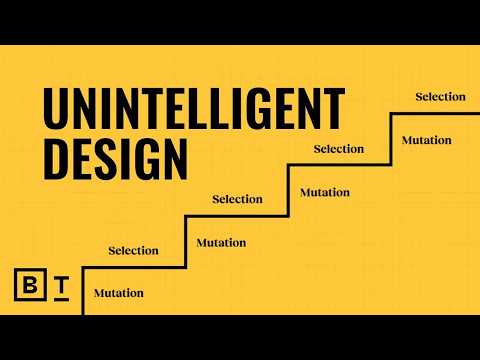
Evolution begins with error, not design | Sean B. Carroll
0
林宜悉 posted on 2025/11/13Ever wondered how life on Earth got started? This fascinating talk by Sean B. Carroll dives into the surprising role of 'errors' like genetic mutations in driving evolution, and you'll pick up some awesome scientific vocabulary along the way! It's a brilliant look at natural selection and speciation, perfect for anyone curious about the science behind life.
Learn this video on the APP!
The VoiceTube App has more in-depth practice for videos!