
all along
US /ɔl əˈlɔŋ/
UK /ɔ:l əˈlɔŋ/
- Adverb
- From the beginning; all the time.
- Phrase
- In a line parallel to something long.
A2Morecalm
US /kɑm/
UK /kɑ:m/
- Adjective
- Without wind or storm; quiet; peaceful
- Relaxed and not worried or angry
- Verb (Transitive/Intransitive)
- To make or become relaxed and not worried or angry
A2Morechart
US /tʃɑ:rt/
UK /tʃɑ:t/
- Noun (Countable/Uncountable)
- Drawing showing information in a clear way
- Map of the sea or stars
- Transitive Verb
- To make a plan for future action
- To make a map of
B1Morecollapse
US /kəˈlæps/
UK /kə'læps/
- Verb (Transitive/Intransitive)
- To fold (e.g. a stroller) down to make it smaller
- To suddenly fall down or break apart into pieces
- Noun
- The sudden failure of a structure or system.
- The sudden failure of a bodily organ or function.
B1Morecommunity
US /kəˈmjunɪti/
UK /kə'mju:nətɪ/
- Noun (Countable/Uncountable)
- Group of people who share a common idea or area
- A feeling of fellowship with others, as a result of sharing common attitudes, interests, and goals.
- Adjective
- Relating to or shared by the people in a particular area.
- Shared or participated in by all members of a group
A2Moreconfidence
US /ˈkɑnfɪdəns/
UK /'kɒnfɪdəns/
- Uncountable Noun
- Feeling that you can do well at something
- Feeling you can trust someone
A2Morecrisis
US /ˈkraɪsɪs/
UK /'kraɪsɪs/
- Noun (Countable/Uncountable)
- Unstable situation of extreme danger or difficulty
- A turning point in a disease.
B1Moredatum
US /ˈdetəm, ˈdætəm, ˈdɑtəm/
UK /ˈdeɪtəm/
- Noun
- Item of factual information
B1Moredebt
US /dɛt/
UK /det/
- Noun (Countable/Uncountable)
- Sum of money owed to someone that is not yet paid
- A moral or social obligation.
A2TOEICMoredefault
US /dɪˈfɔlt/
UK /dɪ'fɔ:lt/
- Noun (Countable/Uncountable)
- Automatic setting when no indicated preference
- Failure to meet an agreement or make a payment
- Verb (Transitive/Intransitive)
- To fail to meet as agreed; failure to pay
- To return to a previously determined state
B2TOEICMoredemand
US /dɪˈmænd/
UK /dɪ'mɑ:nd/
- Noun (Countable/Uncountable)
- Desire customers have to buy product, service
- A strong request for someone to do something
- Transitive Verb
- To strongly request someone to do something
- To need something.
A2TOEICMoredepend
US /dɪˈpend/
UK /dɪˈpend/
- Verb (Transitive/Intransitive)
- Be controlled or determined by (someone/something)
- To rely on someone or something for support, help, or existence.
B1TOEICMoredepression
US /dɪˈprɛʃən/
UK /dɪ'preʃn/
- Noun (Countable/Uncountable)
- Medical condition of a lack of vitality
- Period of unemployment and low economic activity
B2Moredouble down
US
UK
- Verb (Transitive/Intransitive)
- In gambling, to double one's bet, typically in exchange for taking one more card.
- To reinforce one's commitment to a particular course of action, even in the face of opposition or risk.
A2Moreentire
US /ɛnˈtaɪr/
UK /ɪn'taɪə(r)/
- Adjective
- Complete or full; with no part left out; whole
- Undivided; not shared or distributed.
A2TOEICMoreeventually
US /ɪˈvɛntʃuəli/
UK /ɪˈventʃuəli/
- Adverb
- After a long time; after many attempts; in the end
- At some later time; in the future
A2Morefall for
US /fɔl fɔr/
UK /fɔ:l fɔ:/
- Phrasal Verb
- To be deceived or tricked by someone
- To become in love with someone
A1Morefar worse
US
UK
- Adjective
- Significantly more unpleasant, serious, or severe.
- In a much poorer state of health or physical condition.
- Adverb
- To a much greater degree of inferiority or unsuitability.
A2Morefinancial
US /faɪˈnænʃ(ə)l/
UK /faɪˈnænʃl/
- Adjective
- Involving money
- Relating to investments.
- Countable Noun
- A person who provides advice on financial matters.
A2TOEICMoreflash
US /flæʃ/
UK /flæʃ/
- Intransitive Verb
- To appear suddenly and briefly
- To shine brightly very suddenly and briefly
- Noun (Countable/Uncountable)
- Sudden and brief appearance of something
- Light used by a camera to brighten the area
B1Moreflip
US /flɪp/
UK /flɪp/
- Verb (Transitive/Intransitive)
- To turn your body in the air, as in gymnastics
- To move into a different position quickly
- Noun
- Act of turning your body in the air; somersault
- Movement of something from one position to another
B2Moregeneration
US /ˌdʒɛnəˈreʃən/
UK /ˌdʒenəˈreɪʃn/
- Noun (Countable/Uncountable)
- Act or process of producing or causing something
- People born and living at about the same time
A2TOEICMoreignore
US /ɪɡˈnɔr, -ˈnor/
UK /ɪɡ'nɔ:(r)/
- Transitive Verb
- To not listen to, look at, or pay attention to
A2TOEICMoreillusion
US /ɪˈluʒən/
UK /ɪ'lu:ʒn/
- Noun (Countable/Uncountable)
- Idea, image or impression that is not correct
- Something that deceives by producing a false or misleading impression of reality.
B2Moreimpact
US /ˈɪmˌpækt/
UK /'ɪmpækt/
- Noun
- A striking effect or result to hit with force
- Act or force of one thing hitting something else
- Verb (Transitive/Intransitive)
- To hit or strike someone or something with force
- To have a strong effect on someone or something.
A2TOEICMorein debt
US /ɪn dɛt/
UK /in det/
- Phrase
- State of owing money to a person or institution
- Adjective
- Owing money.
A2Morein time
US /ɪn taɪm/
UK /in taim/
- Adverb
- Eventually; after a period of time.
- Not late; with enough time to spare.
- Phrase
- Eventually; before it is too late.
- According to the scheduled time; punctual.
A1Moreinversion
US /ɪnˈvə:ʒən, -ʃən/
UK /ɪn'vɜ:ʃn/
- Noun
- Change in position so things become the opposite
C1Moreinvert
US /ɪnˈvɜ:rt/
UK /ɪnˈvɜ:t/
- Transitive Verb
- To turn the order of things backwards
B2Morelike new
US /laɪk nu/
UK /laɪk nju:/
- other
- In very good, almost perfect condition as if unused.
A2Morelock up
US
UK
- Phrasal Verb
- To imprison someone.
- To secure a building or container by locking it.
look at
US /lʊk æt/
UK /luk æt/
- Phrasal Verb
- To use your eyes to focus on something
- To focus your eyes on something carefully
A1Moreon credit
US /ɑn ˈkrɛdɪt/
UK /ɒn ˈkredɪt/
- Preposition
- Purchasing something now but paying for it later.
A2Moreon paper
US /ɑn ˈpeɪpər/
UK /ɔn ˈpeipə/
- Phrase
- In theory or as a plan, but not necessarily in reality.
- Recorded in writing; documented.
A1Moreoptimism
US /ˈɑptəˌmɪzəm/
UK /ˈɒptɪmɪzəm/
- Uncountable Noun
- Condition of having a positive outlook or belief
B2Morepanic
US /ˈpænɪk/
UK /'pænɪk/
- Uncountable Noun
- Overwhelming feeling of fear and anxiety
- Intransitive Verb
- To feel sudden anxiety and fear and cannot think
B1Morepattern
US /ˈpætən/
UK /'pætn/
- Noun (Countable/Uncountable)
- Model to follow in making or doing something
- Colors or shapes which are repeated on objects
- Transitive Verb
- To copy the way something else is made
- To decorate with a pattern.
A2TOEICMorepredict
US /prɪˈdɪkt/
UK /prɪ'dɪkt/
- Transitive Verb
- To guess or estimate what will or might happen
A2TOEICMorepretend
US /prɪˈtɛnd/
UK /prɪ'tend/
- Verb (Transitive/Intransitive)
- To act as if something is true when it is not
- Adjective
- Not real; imaginary.
A2TOEICMorerecession
US /rɪˈsɛʃən/
UK /rɪˈseʃn/
- Uncountable Noun
- Act of moving backward gradually
- Decreased business activity, when work is scarce
B2TOEICMoreright in front
US
UK
- Phrase
- Directly ahead; in a position immediately before someone or something.
- In a position where something is easily visible or obvious.
A2Moresee through
US /si θru/
UK /si: θru:/
- Phrasal Verb
- To realize the truth about
- To continue doing something until it is finished, especially something difficult or unpleasant.
A1Morestock
US /stɑk/
UK /stɒk/
- Noun (Countable/Uncountable)
- Animals such as cattle kept for breeding
- Merchandise; goods kept by a business for sale
- Uncountable Noun
- Tasty liquid added to stews, soups etc.
B2TOEICMorestrength
US /strɛŋkθ, strɛŋθ, strɛnθ/
UK /streŋθ/
- Noun (Countable/Uncountable)
- Condition of being strong
- The quality or state of being physically strong.
A2TOEICMoretalking about
US
UK
- Phrasal Verb
- To discuss a particular topic.
- To be constantly mentioning or bringing up a subject.
A1Moretelegram
US /ˈtɛlɪˌɡræm/
UK /'telɪɡræm/
- Noun
- Written message sent by using an electrical device
B2Morethink of
US /θɪŋk ʌv/
UK /θiŋk ɔv/
- Phrasal Verb
- To look on as (being something specific); consider
- To consider or remember something.
- Verb (Transitive/Intransitive)
- To imagine or call something to mind
A1Morethose times
US
UK
- Phrase
- A period in the past, often remembered fondly.
- A specific era or period in history.
A1Moreunemployment
US /ˌʌnɛmˈplɔɪmənt,-ɪm-/
UK /ˌʌnɪmˈplɔɪmənt/
- Uncountable Noun
- Number of people without jobs in a country
- State of not having a job
B1More
Vocabulary
- look at: To use your eyes to focus on something
- far worse: Significantly more unpleasant, serious, or severe.
- in time: Eventually; after a period of time.
- on credit: Purchasing something now but paying for it later.
- like new: In very good, almost perfect condition as if unused.
- fall for: To be deceived or tricked by someone
- think of: To look on as (being something specific); consider
- right in front: Directly ahead; in a position immediately before someone or something.
- lock up: To imprison someone.
- in debt: State of owing money to a person or institution
- double down: In gambling, to double one's bet, typically in exchange for taking one more card.
- on paper: In theory or as a plan, but not necessarily in reality.
- those times: A period in the past, often remembered fondly.
- see through: To realize the truth about
- all along: From the beginning; all the time.
- talking about: To discuss a particular topic.
- entire: Complete or full; with no part left out; whole
- eventually: After a long time; after many attempts; in the end
- depression: Medical condition of a lack of vitality
- pretend: To act as if something is true when it is not
- illusion: Idea, image or impression that is not correct
- panic: Overwhelming feeling of fear and anxiety
- pattern: Model to follow in making or doing something
- term: Conditions applying to an agreement, contract
- crisis: Unstable situation of extreme danger or difficulty
- impact: A striking effect or result to hit with force
- flip: To turn your body in the air, as in gymnastics
- strength: Condition of being strong
- confidence: Feeling that you can do well at something
- community: Group of people who share a common idea or area
- fear: Unpleasant feeling caused by being aware of danger
- demand: Desire customers have to buy product, service
- default: Automatic setting when no indicated preference
- calm: Without wind or storm; quiet; peaceful
- financial: Involving money
- debt: Sum of money owed to someone that is not yet paid
- recession: Act of moving backward gradually
- collapse: To fold (e.g. a stroller) down to make it smaller
- predict: To guess or estimate what will or might happen
- ignore: To not listen to, look at, or pay attention to
- stock: Animals such as cattle kept for breeding
- generation: Act or process of producing or causing something
- risk: To do something potentially dangerous or foolish
- interest: Best or most advantageous thing for someone
- lead: Wire for electricity, computer, etc.; cable
- break: To create a new record e.g. running the 100m dash
- optimism: Condition of having a positive outlook or belief
- economy: Using money, resources in a careful, effective way
- record: Highest or most extreme level achieved
- appear: To be seen, become visible; come into sight
- moment: Very short or brief period of time
- depend: Be controlled or determined by (someone/something)
- century: Period of 100 years
- single: One run in cricket or a hit baseball
- sound: Sensible, dependable and reliable
- hit: To have a negative impact on a person/place/thing
- storm: To act violently or angrily
- inversion: Change in position so things become the opposite
- chart: Drawing showing information in a clear way
- unemployment: Number of people without jobs in a country
- flash: To appear suddenly and briefly
- datum: Item of factual information
- invert: To turn the order of things backwards
- telegram: Written message sent by using an electrical device
Get the full experience in the app
Learn anywhere with detailed sentence and usage analysis
01:03
She took a brave step forward, leaving behind her comfort zone to chase her dreams.
Vocabulary
- brave
adj. Having courage
- comfort zone
phr. A familiar situation where one feels safe
Explanation
a brave step is a noun phrase, where brave is an adjective modifying the noun step, meaning "a courageous step".
forward is an adverb modifying step, meaning "ahead".
The whole phrase serves as the object, answering the "what" of took (verb) — she took a brave step forward.
Get the full experience in the app
Look up words anytime with pronunciation, part of speech, and usage
brave
US/brev/
UK/breɪv/
adj.Brave
v.t.To bravely face
A2 Elementary
Get the full experience in the app
Practice speaking anytime and get instant pronunciation feedback
Try this speaking exercise.
Try practicing with this sentence.
80
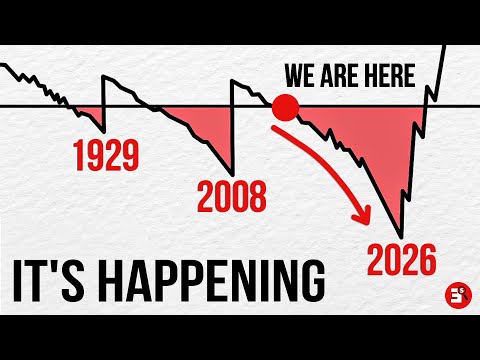
What's coming Is WORSE Than the 1929 and 2008 Yield Curve Inversions...
0
高晢維 posted on 2025/11/12Get ready to dive deep into economic history and understand why some experts believe the next financial crisis could be even tougher than 1929 or 2008! You'll pick up advanced vocabulary related to the bond market and liquidity risk, making you sound like a pro when discussing economic trends.
Learn this video on the APP!
The VoiceTube App has more in-depth practice for videos!