
absolutely
US /ˈæbsəˌlutli, ˌæbsəˈlutli/
UK /ˈæbsəlu:tli/
- Adverb
- Completely; totally; very
- Considered independently and without relation to other things; viewed abstractly; as, quantity absolutely considered.
A2Moreadorable
US /əˈdɔrəbəl,əˈdor-/
UK /əˈdɔ:rəbl/
- Adjective
- Lovable or appealing, e.g. like a cute child
B2Moreapex
US /ˈepɛks/
UK /'eɪpeks/
- Noun
- Highest point (of something); peak
C1Moreas for
US /æz fɔr/
UK /æz fɔ:/
- Preposition
- Concerning; regarding.
- Phrase
- Used to introduce a new topic or aspect of a subject.
A1Moreat risk
US
UK
- Phrase
- In danger; likely to be harmed
back into
US /bæk ˈɪntu/
UK /bæk ˈɪntuː/
- Phrasal Verb
- To drive a vehicle backwards into a space or area.
- To accidentally collide with something while moving backwards.
A1Morebased on
US
UK
- Phrasal Verb
- To use something as the foundation or starting point for something else.
- Preposition
- Using something as the main idea or foundation.
- Relying on something as evidence or justification.
A1Morebrand
US /brænd/
UK /brænd/
- Noun
- A mark burned on an animal to show who owns it
- Product made or designed by a named company
- Transitive Verb
- To burn a mark on an animal to show who owns it
- To describe someone as a liar, coward, etc.
A2TOEICMorebreak down
US /brek daʊn/
UK /breik daun/
- Phrasal Verb
- To forcibly break, destroy or make collapse
- (Machine) to stop working or become weaker
A1Morebreak it down
US
UK
- Phrasal Verb
- To simplify something complex into smaller, more manageable parts.
- To explain something in a detailed and understandable way.
A2Morebreed
US /brid/
UK /bri:d/
- Noun
- Kind of / sort of
- Particular kind of animal, e.g. a Labrador dog
- Verb (Transitive/Intransitive)
- To create situations for a (bad) thing to happen
- To produce baby animals of specific kinds
A2Morebring back
US /brɪŋ bæk/
UK /briŋ bæk/
- Phrasal Verb
- To cause to remember
- To return something
A1Morecane
US /ken/
UK /keɪn/
- Transitive Verb
- To beat someone with a stick as punishment
- Noun (Countable/Uncountable)
- Stick used to beat someone as punishment
- Long, woody plant stem producing sugar
B2Morecane toad
US /ken tod/
UK /kein təud/
- Noun
- A large, terrestrial toad native to South and mainland Central America, introduced to various regions as a pest control measure, but now considered an invasive species.
cause
US /kɔz/
UK /kɔ:z/
- Noun
- Belief, goal or organization that people support
- Reason for
- Transitive Verb
- To make something happen; create effect or result
A2Moreclone
US /kloʊn/
UK /kləʊn/
- Transitive Verb
- To make an exact copy of a living thing
B2Morecome back
US /kʌm bæk/
UK /kʌm bæk/
- Phrasal Verb
- To reply to someone, often forcefully
- To be remembered
A1Moreconversation
US /ˌkɑnvɚˈseʃən/
UK /ˌkɒnvəˈseɪʃn/
- Uncountable Noun
- Talking with other people; discussion or chat
- General communication or interaction.
A2Morecut off
US /kʌt ɔf/
UK /kʌt ɔf/
- Phrasal Verb
- To end a process, e.g. a phone call
- To cut the end of something
- Transitive Verb
- To isolate or prevent access to a place or person.
- To interrupt someone while they are speaking.
A1Moredebate
US / dɪˈbet/
UK /dɪ'beɪt/
- Noun (Countable/Uncountable)
- General public discussion of a topic
- A formal event where two sides discuss a topic
- Verb (Transitive/Intransitive)
- To consider options before making a decision
- To take part in a formal discussion
A2TOEICMoredire
US /daɪr/
UK /ˈdaɪə(r)/
- Adjective
- (E.g. of consequences) very serious
B2Moredisease
US /dɪˈziz/
UK /dɪˈzi:z/
- Noun (Countable/Uncountable)
- Illness that affects a person, animal, or plant
- A disorder of structure or function in a plant, especially one caused by a pathogen.
- Transitive Verb
- To affect with disease; to corrupt or sicken.
A2TOEICMorediversity
US /dɪˈvə:sɪti, daɪ-/
UK /daɪ'vɜ:sətɪ/
- Noun (Countable/Uncountable)
- Having a range of different races, ideas etc.
- A range of different things.
B1TOEICMoredna
US
UK
- Noun (Countable/Uncountable)
- Chemical in living cells with genetic information
B2Moreecosystem
US /ˈɛkoˌsɪstəm, ˈiko-/
UK /ˈi:kəʊsɪstəm/
- Noun (Countable/Uncountable)
- Types of plants and animals in an specific area
- A network of interconnected companies, technologies, and services that interact to create value.
B1Moreeffort
US /ˈɛfət/
UK /ˈefət/
- Uncountable Noun
- Amount of work used trying to do something
- A conscious exertion of power; a try.
A2TOEICMoreexact
US /ɪɡˈzækt/
UK /ɪɡ'zækt/
- Adjective
- Completely correct; accurate; specific
- Transitive Verb
- To get something, sometimes using force
A2TOEICMoreextinct
US /ɪkˈstɪŋkt/
UK /ɪkˈstɪŋkt/
- Adjective
- (Of animal, etc.) having died out; with none left
- (E.g. of volcano) not active
B1TOEICMoreextinction
US /ɪkˈstɪŋkʃən/
UK /ɪkˈstɪŋkʃn/
- Noun (Countable/Uncountable)
- When every example of animal, plant is dead
- The process of something ceasing to exist or be active.
B1Morefade away
US
UK
- Phrasal Verb
- To disappear slowly
A2Moreferret
US /ˈfɛrɪt/
UK /'ferɪt/
- Countable Noun
- Animal descended from the European polecat
- Transitive Verb
- To search inside something for something
B2TOEICMorefiction
US /ˈfɪkʃən/
UK /ˈfɪkʃn/
- Uncountable Noun
- Made-up stories; imagined events
- False statement or account about something
B1Morefigure out
US /ˈfɪɡjɚ aʊt/
UK /ˈfiɡə aut/
- Phrasal Verb
- To understand the behavior of someone
- To think through logically to find a solution
- Verb (Transitive/Intransitive)
- To understand or find an answer to something.
- To find a solution to a problem or understand something.
A1Morefloat
US /floʊt/
UK /fləʊt/
- Verb (Transitive/Intransitive)
- To sell the shares of a company publicly
- To move slowly and easily through air
- Noun (Countable/Uncountable)
- Object designed to stay on the surface of water
- Decorated truck used in a festival
B1Moregene
US /dʒin/
UK /dʒi:n/
- Noun
- Part of cell controlling development of a thing
B1Moregenetic
US /dʒəˈnɛtɪk/
UK /dʒəˈnetɪk/
- Adjective
- Of, relating to, or controlled by genes
- Relating to genes or heredity.
B1Moregenetically
US /dʒə'netɪklɪ/
UK /dʒə'netɪklɪ/
- Adverb
- Caused or controlled, or by genes
- By means of genes or genetic engineering.
B1Morego away
US /ɡo əˈwe/
UK /ɡəu əˈwei/
- Phrasal Verb
- To go on vacation
- To leave; depart.
A1Moregoat
US /goʊt/
UK /gəʊt/
- Countable Noun
- Small animal with beard and horns
B2Moregoing on
US /ˈɡoɪŋ ɑn/
UK /ˈgəʊɪŋ ɔn/
- Phrasal Verb
- To continue doing something
- To happen (usually negative)
A1Morehang on
US /hæŋ ɑn/
UK /hæŋ ɔn/
- Phrasal Verb
- To wait for the person you phoned to answer
- To persevere or persist, especially in a difficult situation.
A2Morehave to
US /hæv tu/
UK /ˈhæv tə/
- Auxiliary Verb
- Must do
A1Morehuge
US /hjudʒ/
UK /hju:dʒ/
- Adjective
- Very very large
A2Moreimpact
US /ˈɪmˌpækt/
UK /'ɪmpækt/
- Noun
- A striking effect or result to hit with force
- Act or force of one thing hitting something else
- Verb (Transitive/Intransitive)
- To hit or strike someone or something with force
- To have a strong effect on someone or something.
A2TOEICMorein charge
US /ɪn tʃɑrdʒ/
UK /in tʃɑ:dʒ/
- Adverb
- To be responsible for
A1Morein fact
US /ɪn fækt/
UK /in fækt/
- Adverb
- Used to emphasize the truth of a statement, especially one that contrasts with or contradicts something else.
- Used to introduce a more detailed or surprising piece of information.
- Phrase
- Used to emphasize the truth of a statement, especially one that is surprising or contrary to what might be expected.
C1Morein need
US /ɪn nid/
UK /in ni:d/
- Phrase
- Not having the necessary things, such as food
A1Morein other words
US
UK
- Phrase
- Stating something in a different way, often to make it clearer or more understandable.
in real life
US /ɪn ˈriəl laɪf/
UK /in riəl laif/
- Phrase
- In the physical world; not online or in a fictional setting.
- Actually; genuinely; not made up or fictional.
A2Morein reality
US /ɪn riˈælɪti/
UK /in riˈæliti/
- Phrase
- Actually; in fact; truly.
B2Morein the end
US /ɪn ði ɛnd/
UK /in ðə end/
- Phrase
- Finally; after a period of time or series of events.
- Ultimately; as the final result or consequence.
A1Morein the first place
US
UK
- Phrase
- To begin with; as the first point or consideration.
- From the beginning; initially.
A1Morein theory
US /ɪn ˈθiəri/
UK /in ˈθiəri/
- Adverb
- According to the stated ideas or principles
- Phrase
- According to the theoretical possibilities rather than actual practice.
B2Moreinstead of
US /ɪnˈstɛd ʌv/
UK /inˈsted ɔv/
- Preposition
- When one thing is replaced by another
- Adverb
- As a substitute or alternative.
A1Morekeystone species
US
UK
- Noun
- A species on which other species in an ecosystem largely depend, such that if it were removed the ecosystem would change drastically.
- A plant or animal that plays a unique and crucial role in the way an ecosystem functions.
B2Moreknow about
US /noʊ əˈbaʊt/
UK /nəʊ əˈbaut/
- Phrasal Verb
- To have information or understanding of a subject or situation.
look at
US /lʊk æt/
UK /luk æt/
- Phrasal Verb
- To use your eyes to focus on something
- To focus your eyes on something carefully
A1Moremammoth
US /ˈmæməθ/
UK /ˈmæməθ/
- Noun (plural)
- Large extinct animal resembling a hairy elephant
- Adjective
- Huge in size
B2Moremethod
US /ˈmɛθəd/
UK /'meθəd/
- Noun (Countable/Uncountable)
- (Organized and planned) way of doing something
- Orderliness of thought, arrangement, or behavior.
A2TOEICMorenucleus
US /ˈnu:kliəs/
UK /ˈnju:kliəs/
- Noun
- Center of an atom
- Control center of a cell
B2Moreof course
US /ʌv kɔː(r)s/
UK /ɔv kɔː(r)s/
- Adverb
- Sure ; Certainly
- Phrase
- For sure; certainly
A2Moreon the inside
US /ɑn ði ɪnˈsaɪd/
UK /ɔn ðə inˈsaid/
- Phrase
- Having a position of authority or influence within an organization or system.
- In prison; incarcerated.
- Adjective
- Possessing secret or confidential information.
A1Moreon the other side of
US /ɑn ði ˈʌðɚ ˈsaɪd ʌv/
UK /ɒn ði ˈʌðə ˈsaɪd ɒv/
- Preposition
- Located across something from a given point.
A2Moreon to
US /ɑn tu/
UK /ɔn tu:/
- Preposition
- Toward something; forward
- Aware of someone's activities.
- Adjective
- Aware of someone's deception or illegal activities.
A1Moreoptimistic
US /ˌɑːptɪˈmɪstɪk/
UK /ˌɒptɪˈmɪstɪk/
- Adjective
- Tending to believe the future will be good
- Confident and hopeful about future outcomes.
B2Moreout of it
US /aʊt ʌv ɪt/
UK /aut ɔv it/
- Adjective
- Unconscious or not completely alert; dazed or confused.
- Not able to think clearly or react quickly; not with it.
A1Morepoint out
US /pɔɪnt aʊt/
UK /pɔint aut/
- Phrasal Verb
- To make others aware of an idea
- To draw attention to something or someone
A1Morepopulation
US /ˌpɑpjəˈleʃən/
UK /ˌpɒpjuˈleɪʃn/
- Noun (Countable/Uncountable)
- Number of people who live in a country, area etc.
- A group of individuals of one species living in a particular area.
A2TOEICMorepounce
US /paʊns/
UK /paʊns/
- Verb (Transitive/Intransitive)
- To jump forward suddenly after waiting to attack
C1TOEICMorepredator
US /ˈprɛdətɚ, -ˌtɔr/
UK /'predətə(r)/
- Countable Noun
- An animal that hunts and kills other animals
- Person preying on the weak to gain advantage
B1Morerecipe
US /ˈrɛsəˌpi/
UK /'resəpɪ/
- Noun
- Conditions likely to create a particular result
- Directions for making a dish, with the ingredients
B1Morerely on
US /rɪˈlaɪ ɑn/
UK /riˈlai ɔn/
- Phrasal Verb
- To depend on someone or something
A2Moresequence
US /ˈsikwəns, -ˌkwɛns/
UK /'si:kwəns/
- Noun
- Part of a movie showing one part of the story
- A particular order in which related events, movements, or things follow each other.
- Transitive Verb
- To arrange things in an order they should happen
A2TOEICMoreshelf life
US /ʃɛlf laɪf/
UK /ʃelf laif/
- Noun
- The length of time for which an item remains usable, fit for consumption, or saleable.
A2Moresomatic
US /soˈmætɪk/
UK /səʊ'mætɪk/
- Adjective
- Of the body as opposed to the mind or spirit
C1TOEICMoretackle
US /ˈtækəl/
UK /'tækl/
- Transitive Verb
- To start working on a difficult problem
- To grab and throw a person to the ground
- Noun (Countable/Uncountable)
- Equipment used in fishing
- Arrangement of ropes and wheels used for lifting
B1TOEICMoretalking about
US
UK
- Phrasal Verb
- To discuss a particular topic.
- To be constantly mentioning or bringing up a subject.
A1Morethink about
US /θɪŋk əˈbaʊt/
UK /θiŋk əˈbaut/
- Phrasal Verb
- To consider something carefully.
- To remember or call to mind.
A1Morethink of
US /θɪŋk ʌv/
UK /θiŋk ɔv/
- Phrasal Verb
- To look on as (being something specific); consider
- To consider or remember something.
- Verb (Transitive/Intransitive)
- To imagine or call something to mind
A1Moretiger
US /ˈtaɪɡɚ/
UK /ˈtaɪgə(r)/
- Countable Noun
- Large wild cat with orange fur and black lines
B1Moreto do with
US
UK
- Phrasal Verb
- To be about something; concern
A1Moretoad
US /tod/
UK /təʊd/
- Countable Noun
- Small amphibian animal very similar to a frog
- A person you don't like or have respect for
B2Moretoxin
US /ˈtɑ:ksɪn/
UK /ˈtɒksɪn/
- Noun
- Any poisonous substance
B1Moreused to
US /juzd tu/
UK /ˈju:st tə/
- Adjective
- Did regularly before, but don't do now
- Auxiliary Verb
- Have done before, but do not do now
A1Moreversion
US /ˈvɚʒən, -ʃən/
UK /ˈvə:ʃən/
- Noun
- Different way that someone interprets something
- New or different form of something
A2TOEICMorewhoa
US /woʊ/
UK /wəʊ/
- Interjection
- Tell someone to do something more slowly
- An exclamation of surprise, amazement, or shock.
C1Morewithout doubt
US /wɪðˈaʊt daʊt/
UK /wiˈðaut daut/
- Phrase
- Certainly; definitely; without any question.
A2Morewolf
US /wʊlf/
UK /wʊlf/
- Countable Noun
- A dog-like wild animal
- Man who tries to seduce women
- Verb (Transitive/Intransitive)
- To eat food very quickly
B1Morewoolly
US /ˈwʊli/
UK /'wʊlɪ/
- Adverb
- Confused and vague; used especially of thinking
- Adjective
- Having a fluffy character or appearance
C2Morezebra
US /ˈzibrə/
UK /'zebrə/
- Noun (Countable/Uncountable)
- Black-and-white striped African horse-like animal
- A pedestrian crossing marked with black and white stripes.
- Adjective
- Having alternating black and white lines, used in computing and design.
C1More
Vocabulary
- bring back: To cause to remember
- have to: Must do
- talking about: To discuss a particular topic.
- cane toad: A large, terrestrial toad native to South and mainland Central America, introduced to various regions as a pest control measure, but now considered an invasive species.
- know about: To have information or understanding of a subject or situation.
- go away: To go on vacation
- shelf life: The length of time for which an item remains usable, fit for consumption, or saleable.
- in the first place: To begin with; as the first point or consideration.
- in the end: Finally; after a period of time or series of events.
- used to: Did regularly before, but don't do now
- at risk: In danger; likely to be harmed
- back into: To drive a vehicle backwards into a space or area.
- look at: To use your eyes to focus on something
- going on: To continue doing something
- instead of: When one thing is replaced by another
- fade away: To disappear slowly
- in reality: Actually; in fact; truly.
- based on: To use something as the foundation or starting point for something else.
- in real life: In the physical world; not online or in a fictional setting.
- break down: To forcibly break, destroy or make collapse
- figure out: To understand the behavior of someone
- to do with: To be about something; concern
- in fact: Used to emphasize the truth of a statement, especially one that contrasts with or contradicts something else.
- point out: To make others aware of an idea
- think of: To look on as (being something specific); consider
- in charge: To be responsible for
- on the other side of: Located across something from a given point.
- break it down: To simplify something complex into smaller, more manageable parts.
- on the inside: Having a position of authority or influence within an organization or system.
- hang on: To wait for the person you phoned to answer
- on to: Toward something; forward
- rely on: To depend on someone or something
- in need: Not having the necessary things, such as food
- come back: To reply to someone, often forcefully
- in theory: According to the stated ideas or principles
- keystone species: A species on which other species in an ecosystem largely depend, such that if it were removed the ecosystem would change drastically.
- cut off: To end a process, e.g. a phone call
- as for: Concerning; regarding.
- in other words: Stating something in a different way, often to make it clearer or more understandable.
- without doubt: Certainly; definitely; without any question.
- out of it: Unconscious or not completely alert; dazed or confused.
- think about: To consider something carefully.
- of course: Sure ; Certainly
- absolutely: Completely; totally; very
- debate: General public discussion of a topic
- effort: Amount of work used trying to do something
- adorable: Lovable or appealing, e.g. like a cute child
- tackle: To start working on a difficult problem
- impact: A striking effect or result to hit with force
- conversation: Talking with other people; discussion or chat
- exact: Completely correct; accurate; specific
- disease: Illness that affects a person, animal, or plant
- recipe: Conditions likely to create a particular result
- version: Different way that someone interprets something
- imagine: To think creatively about; form mental picture of
- method: (Organized and planned) way of doing something
- brand: A mark burned on an animal to show who owns it
- bit: Device put in a horse's mouth to control it
- predator: An animal that hunts and kills other animals
- diversity: Having a range of different races, ideas etc.
- genetic: Of, relating to, or controlled by genes
- cause: Belief, goal or organization that people support
- sequence: Part of a movie showing one part of the story
- huge: Very very large
- population: Number of people who live in a country, area etc.
- optimistic: Tending to believe the future will be good
- breed: Kind of / sort of
- fiction: Made-up stories; imagined events
- risk: To do something potentially dangerous or foolish
- ecosystem: Types of plants and animals in an specific area
- extinction: When every example of animal, plant is dead
- extinct: (Of animal, etc.) having died out; with none left
- dire: (E.g. of consequences) very serious
- leave: To go away from; depart
- genetically: Caused or controlled, or by genes
- build: Your physical shape; physique
- bring: To take or go with someone to a place
- point: An item to be discussed
- protect: To defend someone or something from harm or danger
- float: To sell the shares of a company publicly
- remember: To give someone a gift, e.g. birthday, wedding
- nucleus: Center of an atom
- real: Actually existing or happening, not imagined
- think: To have an idea about something without certainty
- guy: Man; boy; any person
- group: Two or more musicians who play music together
- case: Container used to carry things, e.g. clothes
- life: All the living things e.g. animals, plants, humans
- gene: Part of cell controlling development of a thing
- toxin: Any poisonous substance
- apex: Highest point (of something); peak
- cane: To beat someone with a stick as punishment
- pounce: To jump forward suddenly after waiting to attack
- toad: Small amphibian animal very similar to a frog
- mammoth: Large extinct animal resembling a hairy elephant
- whoa: Tell someone to do something more slowly
- goat: Small animal with beard and horns
- wolf: A dog-like wild animal
- clone: To make an exact copy of a living thing
- ferret: Animal descended from the European polecat
- woolly: Confused and vague; used especially of thinking
- somatic: Of the body as opposed to the mind or spirit
- zebra: Black-and-white striped African horse-like animal
- dna: Chemical in living cells with genetic information
- tiger: Large wild cat with orange fur and black lines
Get the full experience in the app
Learn anywhere with detailed sentence and usage analysis
01:03
She took a brave step forward, leaving behind her comfort zone to chase her dreams.
Vocabulary
- brave
adj. Having courage
- comfort zone
phr. A familiar situation where one feels safe
Explanation
a brave step is a noun phrase, where brave is an adjective modifying the noun step, meaning "a courageous step".
forward is an adverb modifying step, meaning "ahead".
The whole phrase serves as the object, answering the "what" of took (verb) — she took a brave step forward.
Get the full experience in the app
Look up words anytime with pronunciation, part of speech, and usage
brave
US/brev/
UK/breɪv/
adj.Brave
v.t.To bravely face
A2 Elementary
Get the full experience in the app
Practice speaking anytime and get instant pronunciation feedback
Try this speaking exercise.
Try practicing with this sentence.
80
The Real Reason We Should Revive Extinct Animals
0
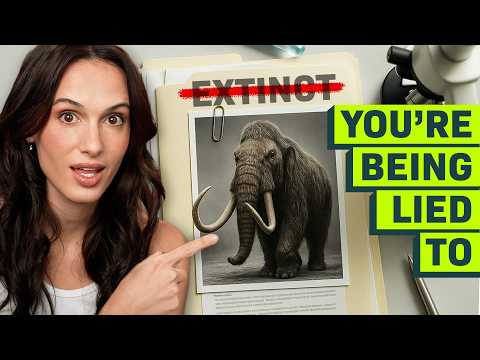
ft388738 posted on 2025/11/12Ever wondered if we could bring back woolly mammoths or Tasmanian tigers? This video dives deep into the fascinating science of de-extinction, exploring gene editing and cloning techniques. You'll pick up some awesome advanced vocabulary while learning about this incredible ethical debate!
Learn this video on the APP!
The VoiceTube App has more in-depth practice for videos!