
abstract
US /ˈæbˌstrækt/
UK /'æbstrækt/
- Noun (Countable/Uncountable)
- Passage of text from an article or book
- Something that doesn't exist physically
- Adjective
- Concerning something that doesn't exist physically
- Relating to abstract art.
B1Moreanalytical
US /ˌænəˈlɪtɪkl/
UK /ˌænəˈlɪtɪkl/
- Adjective
- Thinking in a detailed and intelligent manner
B2Moreat length
US /æt lɛŋkθ/
UK /æt leŋθ/
- Adverb
- In detail; fully
- Phrase
- After a long time; eventually
A1Morebargain
US /ˈbɑrɡɪn/
UK /'bɑ:ɡən/
- Countable Noun
- Something bought for a lower price than expected
- An agreement between people or groups about what each will do for the other.
- Verb (Transitive/Intransitive)
- To discuss terms for a business deal; negotiate
- To expect or anticipate something.
A2TOEICMorebias
US /ˈbaɪəs/
UK /'baɪəs/
- Noun (Countable/Uncountable)
- Preference to believe things even if incorrect
- A systematic error in a statistical result
- Transitive Verb
- To unfairly favor one view over another
- To cause someone to have prejudice
B1TOEICMoreclarity
US /ˈklærɪti/
UK /'klærətɪ/
- Uncountable Noun
- Being easy to be seen through, heard or understood
- The quality of an image being sharp and clear
B1Morecognition
US /kɑ:gˈnɪʃn/
UK /kɒgˈnɪʃn/
- Uncountable Noun
- Recognition involved in thought processing
C1Morecomfort
US /ˈkʌmfət/
UK /'kʌmfət/
- Transitive Verb
- To try to make distressed person feel better
- Uncountable Noun
- Acts or words that reduce pain or sadness
- State of being relaxed, warm or happy
A2Morecondition
US /kənˈdɪʃən/
UK /kənˈdɪʃn/
- Transitive Verb
- To improve something to make it better
- To cause to behave automatically in a certain way
- Noun (Countable/Uncountable)
- Disease or other medical problem
- The state of living you are in, e.g. good health
A2Moreconduct
US / kənˈdʌkt/
UK /kənˈdʌkt/
- Uncountable Noun
- Your behavior
- Verb (Transitive/Intransitive)
- To behave in a certain way; e.g. at a party
- To let electricity or heat travel through
B1TOEICMoreconfront
US /kənˈfrʌnt/
UK /kən'frʌnt/
- Transitive Verb
- To make someone, e.g. who has lied, face the truth
- (Of problem) to face someone who must deal with it
B1Morecortex
US /ˈkɔrˌteks/
UK /'kɔ:teks/
- Noun (Countable/Uncountable)
- The outer part of an organ/structure, e.g. brain
- The outer layer of the cerebrum (the cerebral cortex), other organs, or a plant.
C1Morecounterintuitive
US /ˌkaʊntərɪn'tju:ɪtɪv/
UK /kaʊntərɪn'tju:ɪtɪv/
- Adjective
- Contrary to what common sense would suggest
C2Moredepress
US /dɪˈprɛs/
UK /dɪ'pres/
- Transitive Verb
- To make someone feel sad or miserable
- To push something down
B2Moredepression
US /dɪˈprɛʃən/
UK /dɪ'preʃn/
- Noun (Countable/Uncountable)
- Medical condition of a lack of vitality
- Period of unemployment and low economic activity
B2Morederail
US /diˈrel/
UK /dɪˈreɪl/
- Intransitive Verb
- (Of a train) to come off the railway tracks
- Verb (Transitive/Intransitive)
- To change the subject; to change from a course
C2Moredespair
US /dɪˈspɛr/
UK /dɪ'speə(r)/
- Intransitive Verb
- To have lost all hope; lose heart
- Uncountable Noun
- Felling of having lost all hope
B1TOEICMoredetach
US /dɪˈtætʃ/
UK /dɪˈtætʃ/
- Transitive Verb
- To send away a military unit on a special mission
- To separate something from something larger
B1Moredistraction
US /dɪˈstrækʃən/
UK /dɪˈstrækʃn/
- Noun (Countable/Uncountable)
- Something drawing your attention away from
- Enjoyable thing to help you forget your problems
B2Moreedge
US /ɛdʒ/
UK /edʒ/
- Noun (Countable/Uncountable)
- An advantage you have over others
- Cutting side of a sharp object
- Transitive Verb
- To cut something to make the blade sharp
- To go around the boundary of something
A2TOEICMorefeel like
US
UK
- Intransitive Verb
- To have a desire or inclination for something.
- To have a particular quality or sensation; resemble.
A1Morefilter
US /ˈfɪltɚ/
UK /'fɪltə(r)/
- Noun (Countable/Uncountable)
- Device to remove certain types of light, sound
- Device to remove unwanted things from liquid, gas
- Transitive Verb
- To remove certain types of light, sound
- To remove unwanted substances from a liquid or gas
B1Morefor example
US
UK
- Phrase
- As an illustration or instance.
for someone
US /fɚ ˈsʌmwʌn/
UK /fə ˈsʌmwʌn/
- other
- On behalf of or intended for a particular person.
A1Morefragile
US /ˈfrædʒəl, -ˌaɪl/
UK /'frædʒaɪl/
- Adjective
- Easily affected, broken, or harmed
- Weak or delicate; easily damaged in health
B2TOEICMoregrief
US /ɡrif/
UK /ɡri:f/
- Uncountable Noun
- Feeling of great sadness because someone has died
- Things that are troublesome or annoying
B1Morehonor
US /ˈɑnɚ/
UK /'ɒnə(r)/
- Transitive Verb
- To fulfill an agreement
- To give an award to someone
- Noun (Countable/Uncountable)
- Award you get for doing well; prize, title, etc.
- Chance to do something special; privilege
B2TOEICMorehypothesis
US /haɪˈpɑθɪsɪs/
UK /haɪˈpɒθəsɪs/
- Noun
- A theory trying to explain something
- A supposition or proposed explanation made on the basis of limited evidence as a starting point for further investigation.
B1Moreillness
US /ˈɪlnɪs/
UK /ˈɪlnəs/
- Uncountable Noun
- Unhealthy condition of the mind or body
- A particular instance or type of disease.
A2Moreimpair
US /ɪmˈpɛr/
UK /ɪm'peə(r)/
- Transitive Verb
- To damage or weaken something
B2TOEICMorein on
US
UK
- Phrase
- To be involved in a secret or plan.
- To be aware of something that is secret or not generally known.
A1Morein reality
US /ɪn riˈælɪti/
UK /in riˈæliti/
- Phrase
- Actually; in fact; truly.
B2Morein the throes of
US /ɪn ðə θroʊz ʌv/
UK /ɪn ðə θrəuz ɔv/
- other
- Experiencing a very difficult or painful process.
C1Moreinstinct
US /ˈɪnˌstɪŋkt/
UK /'ɪnstɪŋkt/
- Noun
- Natural way of thinking; intuition
- Natural way (person or animal) thinks, behaves
B1Moreintegrate
US /ˈɪntɪˌɡret/
UK /ˈɪntɪgreɪt/
- Transitive Verb
- To combine together; make into one thing
- To bring (people or groups with particular characteristics or needs) into equal participation in or membership of a social group or institution.
A2Moreirrational
US /ɪˈræʃənəl/
UK /ɪˈræʃənl/
- Adjective
- Not sensible or reasonable; illogical
- A real number that cannot be expressed as a ratio of two integers.
B2Morelean
US /lin/
UK /li:n/
- Verb (Transitive/Intransitive)
- To balance against or on something for support
- To have a tendency to do something; favor
- Adjective
- Having a low fat content
- Efficient; well-designed with no waste
A2Morelean on
US /lin ɑn/
UK /li:n ɔn/
- Phrasal Verb
- To depend on someone for support or help.
- To put pressure on someone, often through intimidation.
lean towards
US /lin 'təuədz/
UK /li:n tə'wɔ:dz/
- Phrasal Verb
- To be inclined to support or favor something; to tend to agree with.
B2Moreneurological
US /ˌnjʊrəˈlɑdʒɪkəl/
UK /ˌnjʊərəˈlɒdʒɪkl/
- Adjective
- Concerning, used in or practicing neurology
B2Moreof course
US /ʌv kɔː(r)s/
UK /ɔv kɔː(r)s/
- Adverb
- Sure ; Certainly
- Phrase
- For sure; certainly
A2Moreoptimism
US /ˈɑptəˌmɪzəm/
UK /ˈɒptɪmɪzəm/
- Uncountable Noun
- Condition of having a positive outlook or belief
B2Moreparadoxical
US /ˌpærə'dɒksɪkl/
UK /ˌpærə'dɒksɪkl/
- Adjective
- Seemingly contradictory but possibly true
B2Moreparalysis
US /pəˈrælɪsɪs/
UK /pəˈræləsɪs/
- Noun (plural)
- Inability to move or feel all or part of the body
C1Morephilosophy
US /fɪˈlɑsəfi/
UK /fə'lɒsəfɪ/
- Uncountable Noun
- Study of ideas about the basic nature of life
- Attitude to life that a person has
C1Morepositive
US /ˈpɑzɪtɪv/
UK /ˈpɒzətɪv/
- Adjective
- Showing agreement or support for something
- Being sure about something; knowing the truth
- Noun
- A photograph in which light areas are light and dark areas are dark
A2Morepositivity
US /ˌpɒzə'tɪvətɪ/
UK /ˌpɒzɪ'tɪvɪtɪ/
- Uncountable Noun
- Tendency to be positive or accepting
- The practice of being or tendency to be positive or optimistic in attitude.
B2Morepsychology
US /saɪˈkɑlədʒi/
UK /saɪ'kɒlədʒɪ/
- Uncountable Noun
- The study of the mind and how it affects behavior
- Way in which a person or group thinks and behaves
C2Morerational
US /ˈræʃənəl/
UK /'ræʃnəl/
- Adjective
- Able to think clearly
- A real number that can be written as a ratio of two integers.
- Noun
- A rational person.
A2TOEICMorerealistic
US /ˌriəˈlɪstɪk/
UK /ˌri:əˈlɪstɪk/
- Adjective
- Looks or appears real; like things really are
- Having or showing a practical awareness of things as they are
A2Morereality
US /riˈælɪti/
UK /rɪ'ælətɪ/
- Noun (Countable/Uncountable)
- What is true, as opposed to what is imagined
- The state of things as they actually exist, rather than as they may appear or might be imagined.
A2Moreresonate
US /ˈrɛzəˌnet/
UK /'rezəneɪt/
- Intransitive Verb
- (Of ideas) to have a big impact for a long time
- (E.g. of a bell) to sound clearly for a long time
C2TOEICMorereward
US /rɪˈwɔrd/
UK /rɪ'wɔ:d/
- Transitive Verb
- To give something because of someone's good work
- To give someone money for helping the police
- Noun
- Money given for information about criminals
- Something given in recognition of service, effort, or achievement.
A2TOEICMoreruthless
US /ˈruθlɪs/
UK /ˈru:θləs/
- Adjective
- Not considering the feelings or health of others
B2Moreshift
US /ʃɪft/
UK /ʃɪft/
- Verb (Transitive/Intransitive)
- To change in position or direction
- To move something from one place to another
- Noun (Countable/Uncountable)
- A change in a persons plans, opinions or beliefs
- Period of work starting at a certain time
A2Moresober
US /ˈsobɚ/
UK /'səʊbə(r)/
- Adjective
- Not drunk
B1TOEICMorestartling
US /ˈstɑ:rtlɪŋ/
UK /ˈstɑ:tlɪŋ/
- Adjective
- So remarkably different or sudden as to shock
- Transitive Verb
- To give someone a shock or surprise
B2Morestoic
US /ˈstoʊɪk/
UK /ˈstəʊɪk/
- Adjective
- Person who can suffer without complaining
C1Morestoicism
US
UK
- Uncountable Noun
- Indifference to pleasure or pain or suffering
C1Morestrip
US /strɪp/
UK /strɪp/
- Transitive Verb
- To remove your clothes (often sexily for someone)
- To remove something, e.g. paint from a wall
- Countable Noun
- Long narrow piece, such as ribbon or land
B1Morestrip away
US /strɪp əˈwe/
UK /strip əˈwei/
- Phrasal Verb
- To gradually reduce the power, rights, or possessions of someone.
C1Moresway
US /swe/
UK /sweɪ/
- Uncountable Noun
- Power or influence to control a person or group
- Action of moving slowly from side to side
- Verb (Transitive/Intransitive)
- To change your opinion or position often
- To influence a person's thoughts/opinion; persuade
B2TOEICMoretend
US /tɛnd/
UK /tend/
- Intransitive Verb
- To move or act in a certain manner
- Transitive Verb
- To take care of
A2Morethink about
US /θɪŋk əˈbaʊt/
UK /θiŋk əˈbaut/
- Phrasal Verb
- To consider something carefully.
- To remember or call to mind.
A1Morethink of
US /θɪŋk ʌv/
UK /θiŋk ɔv/
- Phrasal Verb
- To look on as (being something specific); consider
- To consider or remember something.
- Verb (Transitive/Intransitive)
- To imagine or call something to mind
A1Moretrigger
US /ˈtrɪɡɚ/
UK /'trɪɡə(r)/
- Noun
- Lever on a gun that you pull to fire
- Device that starts a process
- Transitive Verb
- To start a process off e.g. a memory
- To cause something to begin or happen.
B1Moretuck
US /tʌk/
UK /tʌk/
- Transitive Verb
- To put something into a small or safe place
- To put something gently into place, as to hide it
- Noun
- Fold sewn into a skirt, etc. to improve the fit
B1Moreturn into
US /tɚn ˈɪntu/
UK /tə:n ˈɪntuː/
- Phrasal Verb
- To change to become something else
- To change your direction to go into a place
A1Morewisdom
US /ˈwɪzdəm/
UK /'wɪzdəm/
- Uncountable Noun
- Knowledge gained from experience in life
A2Morezero in
US /ˈzɪro ɪn/
UK /ˈziərəu in/
- Phrasal Verb
- To focus on a target
A1More
Vocabulary
- for example: As an illustration or instance.
- of course: Sure ; Certainly
- feel like: To have a desire or inclination for something.
- think of: To look on as (being something specific); consider
- in the throes of: Experiencing a very difficult or painful process.
- at length: In detail; fully
- in reality: Actually; in fact; truly.
- lean towards: To be inclined to support or favor something; to tend to agree with.
- strip away: To gradually reduce the power, rights, or possessions of someone.
- think about: To consider something carefully.
- in on: To be involved in a secret or plan.
- zero in: To focus on a target
- lean on: To depend on someone for support or help.
- for someone: On behalf of or intended for a particular person.
- turn into: To change to become something else
- instinct: Natural way of thinking; intuition
- depression: Medical condition of a lack of vitality
- distraction: Something drawing your attention away from
- trigger: Lever on a gun that you pull to fire
- fragile: Easily affected, broken, or harmed
- dopamine: Drug used to treat shock and hypotension
- positive: Showing agreement or support for something
- tend: To move or act in a certain manner
- cortex: The outer part of an organ/structure, e.g. brain
- bias: Preference to believe things even if incorrect
- sense: Certain mental feeling or emotion
- philosophy: Study of ideas about the basic nature of life
- psychology: The study of the mind and how it affects behavior
- reward: To give something because of someone's good work
- grief: Feeling of great sadness because someone has died
- reality: What is true, as opposed to what is imagined
- rational: Able to think clearly
- integrate: To combine together; make into one thing
- abstract: Passage of text from an article or book
- shift: To change in position or direction
- despair: To have lost all hope; lose heart
- conduct: Your behavior
- lean: To balance against or on something for support
- realistic: Looks or appears real; like things really are
- counterintuitive: Contrary to what common sense would suggest
- brain: To strike someone forcefully on the head
- mean: Average of a set of numbers
- hypothesis: A theory trying to explain something
- condition: To improve something to make it better
- paralysis: Inability to move or feel all or part of the body
- prefrontal: Anterior to a frontal structure
- filter: Device to remove certain types of light, sound
- confront: To make someone, e.g. who has lied, face the truth
- comfort: To try to make distressed person feel better
- bargain: Something bought for a lower price than expected
- edge: An advantage you have over others
- wisdom: Knowledge gained from experience in life
- resonate: (Of ideas) to have a big impact for a long time
- impair: To damage or weaken something
- illness: Unhealthy condition of the mind or body
- strip: To remove your clothes (often sexily for someone)
- irrational: Not sensible or reasonable; illogical
- reason: To think and make conclusions in a logical manner
- sober: Not drunk
- neurological: Concerning, used in or practicing neurology
- clarity: Being easy to be seen through, heard or understood
- optimism: Condition of having a positive outlook or belief
- honor: To fulfill an agreement
- suggest: To mention something that could be done; propose
- tuck: To put something into a small or safe place
- notice: To become aware by sight, touch, or hearing
- sound: Sensible, dependable and reliable
- pain: Strong feeling of hurt or discomfort
- control: A device designed to operate a machine
- detach: To send away a military unit on a special mission
- ruthless: Not considering the feelings or health of others
- paradoxical: Seemingly contradictory but possibly true
- cognition: Recognition involved in thought processing
- neuroscience: Scientific study of the nervous system
- sway: Power or influence to control a person or group
- find: To become aware of something that is happening
- hard: Difficult to do; difficult to understand
- make: To arrange or prepare something e.g. dinner
- analytical: Thinking in a detailed and intelligent manner
- startling: So remarkably different or sudden as to shock
- derail: (Of a train) to come off the railway tracks
- positivity: Tendency to be positive or accepting
- depress: To make someone feel sad or miserable
- stoic: Person who can suffer without complaining
- stoicism: Indifference to pleasure or pain or suffering
Get the full experience in the app
Learn anywhere with detailed sentence and usage analysis
01:03
She took a brave step forward, leaving behind her comfort zone to chase her dreams.
Vocabulary
- brave
adj. Having courage
- comfort zone
phr. A familiar situation where one feels safe
Explanation
a brave step is a noun phrase, where brave is an adjective modifying the noun step, meaning "a courageous step".
forward is an adverb modifying step, meaning "ahead".
The whole phrase serves as the object, answering the "what" of took (verb) — she took a brave step forward.
Get the full experience in the app
Look up words anytime with pronunciation, part of speech, and usage
brave
US/brev/
UK/breɪv/
adj.Brave
v.t.To bravely face
A2 Elementary
Get the full experience in the app
Practice speaking anytime and get instant pronunciation feedback
Try this speaking exercise.
Try practicing with this sentence.
80
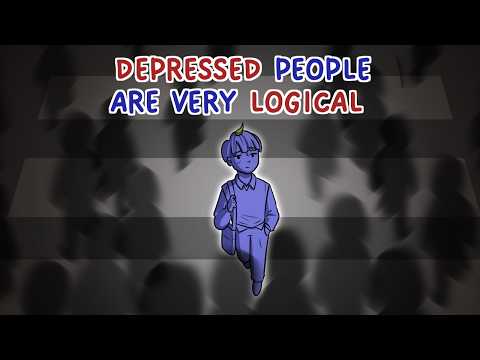
Why Depressed People are Very Logical
0
林宜悉 posted on 2025/11/02Ever wondered if depressed people are actually more logical? This video dives into the fascinating concept of 'depressive realism' and explores the neuroscience and psychology behind it, giving you a unique perspective and some advanced vocabulary along the way!
Learn this video on the APP!
The VoiceTube App has more in-depth practice for videos!