
absence
US /ˈæbsəns/
UK /ˈæbsəns/
- Uncountable Noun
- State of not being present, or not existing
- A period of time when someone is away.
B1TOEICMoreadapt
US /əˈdæpt/
UK /ə'dæpt/
- Transitive Verb
- To change something for a different function
- To change something to fit or suit a new purpose
- Intransitive Verb
- To change your behaviour so that it is easier to live in a new place or situation
B1TOEICMoreadvantage
US /ædˈvæntɪdʒ/
UK /əd'vɑ:ntɪdʒ/
- Noun (Countable/Uncountable)
- Thing making the chance of success higher
- A positive point about something
- Transitive Verb
- To make use of something, especially to further one's own position; exploit.
A2TOEICMorealong with
US /əˈlɔŋ wɪð/
UK /əˈlɔŋ wið/
- Preposition
- In addition to; together with.
- Adverb
- In company or together with someone or something.
- Including; in addition to.
A2Morealter
US /ˈɔltɚ/
UK /ˈɔ:ltə(r)/
- Transitive Verb
- To change so (clothing) fits better
- Verb (Transitive/Intransitive)
- To change or modify something.
- To become different; to change.
A2TOEICMoreancestry
US /ˈænˌsɛstri/
UK /ˈænsestri/
- Noun
- Family or race from which a person is descended
B2Moreancient
US /ˈenʃənt/
UK /'eɪnʃənt/
- Adjective
- Very old; having lived a very long time ago
- Relating to a period in history, especially in the distant past.
- Noun
- A person who lived in ancient times.
A2Moreantigen
US /ˈæntɪdʒən/
UK /ˈæntɪdʒən/
- Noun
- Substance that produces antibodies in the body
B2Moreat the same time
US
UK
- Phrase
- Simultaneously; at the identical moment.
- Nevertheless; however; used to introduce a contrasting or qualifying statement.
A1Morebacterial
US /bæk'tɪərɪrl/
UK /bæk'tɪərɪəl/
- Adjective
- Concerning or caused by bacteria
B2Moreblend
US /blɛnd/
UK /blend/
- Transitive Verb
- To combine different elements or substances
- To mix ingredients when cooking
- Noun
- Product known for mixing ingredients
B1Moreblend of
US
UK
- Noun
- A mixture of different things combined together.
- A combination of different qualities or elements.
A1Morecholera
US /ˈkɑlərə/
UK /ˈkɒlərə/
- Noun
- Fatal disease from drinking dirty water
B2Moreclot
US /klɑ:t/
UK /klɒt/
- Noun (Countable/Uncountable)
- Mass of blood, etc. that has dried up/become thick
- Intransitive Verb
- To make a liquid such as blood turn thick or solid
B2TOEICMoreclump
US /klʌmp/
UK /klʌmp/
- Noun (Countable/Uncountable)
- Mass or pile of something such as soil
- Small group of trees, etc. growing near each other
- Verb (Transitive/Intransitive)
- To form into a mass or lump
B2Morecombination
US /ˌkɑmbəˈneʃən/
UK /ˌkɒmbɪ'neɪʃn/
- Noun
- Series of letters or numbers needed to open a lock
- Act or result of mixing things together
B1Morecompatibility
US /kəmˌpætəˈbɪlətɪ/
UK /kəmˌpætə'bɪlətɪ/
- Uncountable Noun
- Ability to get on (or be used) well together
- The ability of two people to have a good relationship because of similar opinions, interests, or character.
B2Moreconfiguration
US /kənˌfɪɡjəˈreʃən/
UK /kənˌfɪgəˈreɪʃn/
- Noun
- A shape or outline; a method of arrangement
B2Moredisease
US /dɪˈziz/
UK /dɪˈzi:z/
- Noun (Countable/Uncountable)
- Illness that affects a person, animal, or plant
- A disorder of structure or function in a plant, especially one caused by a pathogen.
- Transitive Verb
- To affect with disease; to corrupt or sicken.
A2TOEICMoredistribution
US /ˌdɪstrəˈbjuʃən/
UK /ˌdɪstrɪˈbju:ʃn/
- Noun (Countable/Uncountable)
- Dividing or spreading out to others
- Act of sending products to stores to sell
- Adjective
- Sending products to stores to sell
B1Morediversity
US /dɪˈvə:sɪti, daɪ-/
UK /daɪ'vɜ:sətɪ/
- Noun (Countable/Uncountable)
- Having a range of different races, ideas etc.
- A range of different things.
B1TOEICMoredue to
US /du tu/
UK /dju: tu:/
- Preposition
- Because of; owing to
- Adjective
- Attributable to; caused by.
A1Moreevolutionary
US /ˌiːvəˈluːʃəneri/
UK /ˌi:vəˈlu:ʃənri/
- Adjective
- Concerning gradual change over time
B2Moreexposure
US /ɪkˈspoʒɚ/
UK /ɪk'spəʊʒə(r)/
- Noun
- Allowing light through a cameras lens onto film
- Being talked about in the media
A2TOEICMoreextreme
US /ɪkˈstrim/
UK /ɪk'stri:m/
- Adjective
- Very great in degree
- Farthest from a center
- Noun
- Effort that is thought more than is necessary
- The furthest point or limit of something.
B1Morefeature
US /ˈfitʃɚ/
UK /'fi:tʃə(r)/
- Noun (Countable/Uncountable)
- Special report in a magazine or paper
- Distinctive or important point of something
- Transitive Verb
- To highlight or give special importance to
- To give prominence to; to present or promote as a special or important item.
A2TOEICMorefingerprint
US /ˈfɪŋɡɚˌprɪnt/
UK /'fɪŋɡəprɪnt/
- Noun (Countable/Uncountable)
- Generic term for any identifying characteristic
B2Morefor certain
US /fɔr ˈsɚtn/
UK /fɔ: ˈsə:tn/
- Idiom
- Definitely; without a doubt.
- Phrase
- Without any doubt; definitely.
fragility
US /frə'dʒɪlətɪ/
UK /frə'dʒɪlətɪ/
- Uncountable Noun
- Lack of strength; easily broken or harmed
B2Morefrequency
US /ˈfrikwənsi/
UK /'fri:kwənsɪ/
- Uncountable Noun
- Number of repetitions of (radio or sound) wave
- How often something happens
B1TOEICMoregenetic
US /dʒəˈnɛtɪk/
UK /dʒəˈnetɪk/
- Adjective
- Of, relating to, or controlled by genes
- Relating to genes or heredity.
B1Moreimmune
US /ɪˈmjoon/
UK /ɪˈmju:n/
- Adjective
- Having a special protection from, e.g. the law
- Protected against a particular disease or condition because of antibodies or vaccination.
B1Morein general
US /ɪn ˈdʒɛnərəl/
UK /in ˈdʒenərəl/
- Phrase
- Typically; usually; on the whole.
- Not specific or detailed; broadly.
- Adjective
- Not detailed or specific; overall.
C2Morein terms of
US
UK
- Phrase
- With regard to; concerning a particular aspect.
A1Morein the world
US /ɪn ði wɜrld/
UK /in ðə wɜː(r)ld/
- Phrase
- Used to emphasize a question expressing surprise, confusion, or disbelief.
- Used to indicate the extent or degree of something, often in a superlative sense.
A1Morelack
US /læk/
UK /læk/
- Verb (Transitive/Intransitive)
- To not have, or not have enough, of something
- Uncountable Noun
- The state of not having or not having enough of
A2TOEICMoremalaria
US /məˈlɛriə/
UK /məˈleəriə/
- Noun
- Disease caused by being bitten by a mosquito
B2Morenegative
US /ˈnɛɡətɪv/
UK /'neɡətɪv/
- Noun
- The opposite to a positive electrical charge
- In grammar, containing words such as 'no' or 'not'
- Adjective
- Being harmful, unwanted or unhelpful
- In mathematics, being less than zero
A2Morenewborn
US /ˈnu:bɔ:rn/
UK /ˈnju:bɔ:n/
- Adjective
- Having just/recently arisen or come into existence
C2Moreon the other hand
US
UK
- Phrase
- Considering a different aspect of the matter; alternatively.
A1Moreon the surface
US /ɑn ði ˈsɚfəs/
UK /ɔn ðə ˈsə:fis/
- Phrase
- Appearing to be true or real until examined more closely.
- Located on the outer part or uppermost layer of something.
B2Moreparasite
US /ˈpærəˌsaɪt/
UK /'pærəsaɪt/
- Noun (Countable/Uncountable)
- Small animal or plant living off a bigger one
- One who depends on someone else, without working
B2Moreperspective
US /pɚˈspɛktɪv/
UK /pə'spektɪv/
- Noun (Countable/Uncountable)
- Artistic method of creating a sense of distance
- Ability to understand what is important in life
B1TOEICMoreplasma
US /ˈplæzmə/
UK /ˈplæzmə/
- Uncountable Noun
- Substance in which the blood cells are carried
- Gas-like substance with little electric charge
B2Morepositive
US /ˈpɑzɪtɪv/
UK /ˈpɒzətɪv/
- Adjective
- Showing agreement or support for something
- Being sure about something; knowing the truth
- Noun
- A photograph in which light areas are light and dark areas are dark
A2Morepossess
US /pəˈzɛs/
UK /pəˈzes/
- Transitive Verb
- To enter a person's mind or body as a spirit
- To have or own something
A2TOEICMorepregnancy
US /ˈprɛɡnənsi/
UK /ˈpregnənsi/
- Uncountable Noun
- When a woman carries her unborn baby inside her
- A specific instance or period of being pregnant.
B1Morepresence
US /ˈprɛzəns/
UK /ˈprezns/
- Noun
- The same place or area that a person is
- Ability to reach a market, group of people etc.
A2Morereflect
US /rɪˈflɛkt/
UK /rɪ'flekt/
- Verb (Transitive/Intransitive)
- To indicate or be a sign of something
- To bounce back light, heat, sound from a surface
A2TOEICMoreregardless of
US /rɪˈɡɑrdlɪs ʌv/
UK /riˈɡɑ:dlis ɔv/
- Phrase
- Preposition
- Without being affected or influenced by something; despite.
A2Morerely on
US /rɪˈlaɪ ɑn/
UK /riˈlai ɔn/
- Phrasal Verb
- To depend on someone or something
A2Moresame time
US
UK
- Phrase
- Occurring simultaneously or at the same point in time.
- At the identical time as before; recurring at a fixed hour.
- Noun
- An equal duration or period.
A1Morescarcity
US /ˈskersəti/
UK /ˈskeəsəti/
- Uncountable Noun
- Very small or limited amount of something
B2Moresevere
US /səˈvɪr/
UK /sɪ'vɪə(r)/
- Adjective
- Very bad; harsh
- (Of clothes, etc.) plain; simple; not decorated
A2TOEICMorespread
US /sprɛd/
UK /spred/
- Noun (Countable/Uncountable)
- A big meal, often laid out as a buffet
- The distance between two things
- Verb (Transitive/Intransitive)
- To place over a large area; to cover a large area
- (Of ideas, gossip) to pass to and affect others
A2TOEICMorestand out
US /stænd aʊt/
UK /stænd aut/
- Phrasal Verb
- To be noticeably better than other similar ones
A1Moresubtle
US /ˈsʌtl/
UK /'sʌtl/
- Adjective
- Delicate or slight so it is difficult to perceive
- Clever or indirect but hides the true purpose
B1Moresuch as
US /sʌtʃ æz/
UK /sʌtʃ æz/
- Preposition
- For example; like
A1Moresurface
US /ˈsɚfəs/
UK /'sɜ:fɪs/
- Transitive Verb
- To give (road) a top layer
- Intransitive Verb
- To appear after being hidden, unseen, or unknown
- To come to the top of something; emerge
A2TOEICMoretrait
US /tret/
UK /treɪt/
- Noun (Countable/Uncountable)
- A particular characteristic that can produce a particular type of behavior
- A genetically determined characteristic or condition.
C2Moretransfusion
US /trænsˈfjuʒən/
UK /trænsˈfju:ʒn/
- Noun
- Act of putting someone else's blood into a patient
C2Moretransition
US /trænˈzɪʃən, -ˈsɪʃ-/
UK /trænˈzɪʃn/
- Noun
- Change from one state, movement, place to another
- Intransitive Verb
- To change state, movement, place, or subject
B1Morevaluable
US /ˈvæljuəbəl, ˈvæljə-/
UK /ˈvæljuəbl/
- Adjective
- Being useful or important
- Being worth a lot of money
B1TOEICMore
Vocabulary
- on the surface: Appearing to be true or real until examined more closely.
- along with: In addition to; together with.
- in the world: Used to emphasize a question expressing surprise, confusion, or disbelief.
- for certain: Definitely; without a doubt.
- on the other hand : Considering a different aspect of the matter; alternatively.
- such as: For example; like
- at the same time: Simultaneously; at the identical moment.
- same time: Occurring simultaneously or at the same point in time.
- regardless of
- in general: Typically; usually; on the whole.
- due to: Because of; owing to
- rely on: To depend on someone or something
- stand out
- blend of: A mixture of different things combined together.
- in terms of
- perspective: Artistic method of creating a sense of distance
- immune: Having a special protection from, e.g. the law
- subtle: Delicate or slight so it is difficult to perceive
- trait: A particular characteristic that can produce a particular type of behavior
- ancient: Very old; having lived a very long time ago
- positive: Showing agreement or support for something
- presence: The same place or area that a person is
- negative: The opposite to a positive electrical charge
- extreme: Very great in degree
- severe: Very bad; harsh
- common: Area in a city or town that is open to everyone
- advantage: Thing making the chance of success higher
- exposure: Allowing light through a cameras lens onto film
- combination: Series of letters or numbers needed to open a lock
- disease: Illness that affects a person, animal, or plant
- spread: A big meal, often laid out as a buffet
- increase: To make or become larger in size or amount
- evolutionary: Concerning gradual change over time
- feature: Special report in a magazine or paper
- reflect: To indicate or be a sign of something
- lack: To not have, or not have enough, of something
- alter: To change so (clothing) fits better
- diversity: Having a range of different races, ideas etc.
- genetic: Of, relating to, or controlled by genes
- adapt: To change something for a different function
- valuable: Being useful or important
- surface: To give (road) a top layer
- possess: To enter a person's mind or body as a spirit
- compare: To consider how similar and different things are
- blend: To combine different elements or substances
- transition: Change from one state, movement, place to another
- risk: To do something potentially dangerous or foolish
- shape: The outer form of something, what it looks like
- suggest: To mention something that could be done; propose
- absence: State of not being present, or not existing
- pregnancy: When a woman carries her unborn baby inside her
- receive: To get something someone has given or sent to you
- frequency: Number of repetitions of (radio or sound) wave
- distribution: Dividing or spreading out to others
- scarcity: Very small or limited amount of something
- malaria: Disease caused by being bitten by a mosquito
- parasite: Small animal or plant living off a bigger one
- make: To arrange or prepare something e.g. dinner
- configuration: A shape or outline; a method of arrangement
- clot: Mass of blood, etc. that has dried up/become thick
- plasma: Substance in which the blood cells are carried
- carry: To have a child, be pregnant
- type: Printed letters or blocks used for printing them
- compatibility: Ability to get on (or be used) well together
- human: A person; a man, woman or child
- clump: Mass or pile of something such as soil
- fragility: Lack of strength; easily broken or harmed
- strong: (Of tea or beer) dark or thick
- antigen: Substance that produces antibodies in the body
- transfusion: Act of putting someone else's blood into a patient
- ancestry: Family or race from which a person is descended
- bacterial: Concerning or caused by bacteria
- farm: Land used for growing crops or raising animals
- cholera: Fatal disease from drinking dirty water
- newborn: Having just/recently arisen or come into existence
- fingerprint: Generic term for any identifying characteristic
- high: Excited or relaxed from taking drugs
- red: Being the color of blood
Get the full experience in the app
Learn anywhere with detailed sentence and usage analysis
01:03
She took a brave step forward, leaving behind her comfort zone to chase her dreams.
Vocabulary
- brave
adj. Having courage
- comfort zone
phr. A familiar situation where one feels safe
Explanation
a brave step is a noun phrase, where brave is an adjective modifying the noun step, meaning "a courageous step".
forward is an adverb modifying step, meaning "ahead".
The whole phrase serves as the object, answering the "what" of took (verb) — she took a brave step forward.
Get the full experience in the app
Look up words anytime with pronunciation, part of speech, and usage
brave
US/brev/
UK/breɪv/
adj.Brave
v.t.To bravely face
A2 Elementary
Get the full experience in the app
Practice speaking anytime and get instant pronunciation feedback
Try this speaking exercise.
Try practicing with this sentence.
80
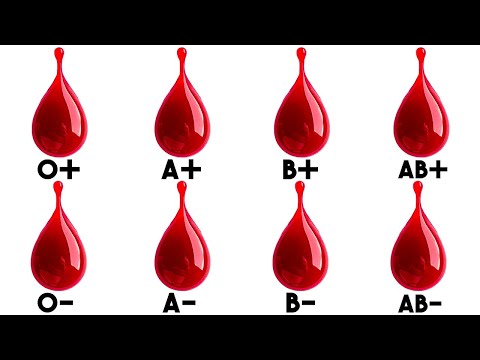
Every Hidden Advantage of Your Blood Type Explained
0
Minjane posted on 2025/11/01Ever wondered what your blood type says about you, from malaria resistance to transfusion compatibility? This video dives deep into the fascinating science behind blood groups, packed with advanced vocabulary and intriguing facts about our evolutionary history. You'll pick up essential terms related to transfusion medicine and gain a whole new perspective on this vital part of your biology!
Learn this video on the APP!
The VoiceTube App has more in-depth practice for videos!