
as long as
US /æz lɔŋ æz/
UK /æz lɔŋ æz/
- Conjunction
- For the period that; provided that.
- For the length of time that
- Preposition
- On the condition that; providing that.
- Having the same length as.
A1Moreat a profit
US /ət ə ˈprɑfɪt/
UK /ət ə ˈprɒfɪt/
- other
- Selling or doing something with financial gain.
B1Moreat the disposal of
US /æt ðə dɪˈspoʊzəl ʌv/
UK /æt ðə dɪˈspəuzəl əv/
- other
- Available for someone to use or control.
B2Moreat the end of the day
US
UK
- Phrase
- Ultimately; when everything else is considered.
- After a day's work or activities.
A1Moreattractive
US /əˈtræktɪv/
UK /əˈtræktɪv/
- Adjective
- Making you like them, as by being good-looking
- Offering advantages or benefits; tempting.
A2Moreaverage
US /ˈævərɪdʒ, ˈævrɪdʒ/
UK /'ævərɪdʒ/
- Noun (Countable/Uncountable)
- Total of numbers divided by the number of items
- Transitive Verb
- To add numbers then divide by the number of items
A2TOEICMoreblow up
US /blo ʌp/
UK /bləu ʌp/
- Phrasal Verb
- To suddenly become angry
- To put air in something, e.g. a tire or balloon
- Verb (Transitive/Intransitive)
- To explode; to be destroyed by an explosion.
A2Morebond
US /bɑnd/
UK /bɒnd/
- Noun (Countable/Uncountable)
- Rope, chain or other thing used to tie someone up
- Closeness that is shared between people or groups
- Verb (Transitive/Intransitive)
- To develop a close relationship with
- To become joined or connected, e.g. using glue
A2TOEICMorebrilliant
US /ˈbrɪljənt/
UK /'brɪlɪənt/
- Adjective
- Having a great amount of intelligence or talent
- Being very bright, like a diamond; shining
- Noun
- A diamond or other gem cut in a particular form with many facets to have exceptional brilliance.
A2Morecash in
US /kæʃ ɪn/
UK /kæʃ in/
- Phrasal Verb
- To sell asset to get money back
- To sell something to get cash
A2Morecharge
US /tʃɑrdʒ/
UK /tʃɑ:dʒ/
- Verb (Transitive/Intransitive)
- To run quickly toward someone to attack them
- To ask for money as a price for a service or goods
- Noun (Countable/Uncountable)
- An attack by running quickly toward someone
- A price for a service or goods
A2Morecheck out
US /tʃɛk aʊt/
UK /tʃek aut/
- Phrase
- Phrasal Verb
- To find out information about something
- To take books out of a library
A1Morecrisis
US /ˈkraɪsɪs/
UK /'kraɪsɪs/
- Noun (Countable/Uncountable)
- Unstable situation of extreme danger or difficulty
- A turning point in a disease.
B1Morecut in
US /kʌt ɪn/
UK /kʌt in/
- Phrasal Verb
- To interrupt someone's conversation
- To enter a queue at the wrong place
A1Moredebt
US /dɛt/
UK /det/
- Noun (Countable/Uncountable)
- Sum of money owed to someone that is not yet paid
- A moral or social obligation.
A2TOEICMoredemand
US /dɪˈmænd/
UK /dɪ'mɑ:nd/
- Noun (Countable/Uncountable)
- Desire customers have to buy product, service
- A strong request for someone to do something
- Transitive Verb
- To strongly request someone to do something
- To need something.
A2TOEICMoredevalue
US /diˈvælju/
UK /ˌdi:'vælju:/
- Transitive Verb
- To reduce the value or worth of a currency, etc.
B2Moredisposal
US /dɪˈspozəl/
UK /dɪˈspəʊzl/
- Uncountable Noun
- Act of giving or throwing something away
B1TOEICMoredue to
US /du tu/
UK /dju: tu:/
- Preposition
- Because of; owing to
- Adjective
- Attributable to; caused by.
A1Moreentire
US /ɛnˈtaɪr/
UK /ɪn'taɪə(r)/
- Adjective
- Complete or full; with no part left out; whole
- Undivided; not shared or distributed.
A2TOEICMorefederal
US /ˈfɛdərəl, ˈfɛdrəl/
UK /'fedərəl/
- Adjective
- Consisting of several united states
- Relating to a system of government in which power is divided between a central authority and constituent political units.
- Proper Noun
- The central banking system of the United States.
B1Morefinancial
US /faɪˈnænʃ(ə)l/
UK /faɪˈnænʃl/
- Adjective
- Involving money
- Relating to investments.
- Countable Noun
- A person who provides advice on financial matters.
A2TOEICMorefiscal
US /ˈfɪskəl/
UK /ˈfɪskl/
- Adjective
- Concerning government spending and taxing
B2TOEICMorefix the problem
US
UK
- Transitive Verb
- To find a solution to a problem; to repair something that is broken.
A1Morefor example
US
UK
- Phrase
- As an illustration or instance.
have to
US /hæv tu/
UK /ˈhæv tə/
- Auxiliary Verb
- Must do
A1Morehealthcare
US /'helθker/
UK /'helθkeə/
- Uncountable Noun
- Nursing care to prevent illness or recover from it
B1Morehedge
US /hɛdʒ/
UK /hedʒ/
- Intransitive Verb
- To select words to avoid saying something directly
- Countable Noun
- A fence made with small trees or bushes
B1Morehyperinflation
US /ˌhaɪpərɪnˈfleʃən/
UK /ˌhaɪpərɪnˈfleɪʃn/
- Noun (Countable/Uncountable)
- Rapid increase in the price of products, services
B1Morein fact
US /ɪn fækt/
UK /in fækt/
- Adverb
- Used to emphasize the truth of a statement, especially one that contrasts with or contradicts something else.
- Used to introduce a more detailed or surprising piece of information.
- Phrase
- Used to emphasize the truth of a statement, especially one that is surprising or contrary to what might be expected.
C1Morein order to
US /ɪn ˈɔrdɚ tu/
UK /in ˈɔ:də tu:/
- Preposition
- For the purpose of; with the aim of.
- Phrase
- In a specific sequence or arrangement.
- With the aim of; for the purpose of.
C1Morein the long run
US
UK
- Phrase
- Eventually; over a long period of time.
A1Morein the open
US /ɪn ði ˈopən/
UK /in ðə ˈəupən/
- Phrase
- Publicly; not secret.
- Outdoors; not inside a building or covered space.
A1Moreinflation
US /ɪnˈfleʃən/
UK /ɪn'fleɪʃn/
- Noun (Countable/Uncountable)
- Act of filling something with air or gas
- Continual rise in the prices of products
B1TOEICMoreinstantly
US /ˈɪnstəntli/
UK /ˈɪnstəntli/
- Adverb
- In a manner without delay; immediately
A2Moreinstead of
US /ɪnˈstɛd ʌv/
UK /inˈsted ɔv/
- Preposition
- When one thing is replaced by another
- Adverb
- As a substitute or alternative.
A1Moreliterally
US /ˈlɪtərəli/
UK
- Adverb
- In a literal manner or sense; exactly as stated.
- Used for emphasis to describe something that is actually true, often to highlight surprise or intensity.
B1Morelook at
US /lʊk æt/
UK /luk æt/
- Phrasal Verb
- To use your eyes to focus on something
- To focus your eyes on something carefully
A1Moremake up
US /mek ʌp/
UK /meik ʌp/
- Phrasal Verb
- To invent or create a story
- To add up to
- Verb (Transitive/Intransitive)
- To invent a story, excuse, etc.
- To compensate for something lost, missed, or deficient.
A1Moremechanism
US /ˈmɛkəˌnɪzəm/
UK /'mekənɪzəm/
- Noun (Countable/Uncountable)
- Part of a machine that performs a certain function
- System or process for achieving a certain result
B1Moreno matter
US
UK
- Conjunction
- Regardless of; it does not matter.
- Adverb
- Regardless of; it is not important
A1Moreobligate
US /ˈɑblɪˌɡet/
UK /'ɒblɪgeɪt/
- Transitive Verb
- To force someone to do something, as a duty
B2Moreof course
US /ʌv kɔː(r)s/
UK /ɔv kɔː(r)s/
- Adverb
- Sure ; Certainly
- Phrase
- For sure; certainly
A2Moreon a day-to-day basis
US /ɑn ə ˈdeɪ tə ˈdeɪ ˈbeɪsɪs/
UK /ɒn ə ˈdei tə ˈdei ˈbeisis/
- other
- Happening regularly every day as a routine.
B1Moreon behalf of
US /ɑn bɪˈhæf ʌv/
UK /ɔn biˈhɑ:f ɔv/
- Phrase
- As the representative of someone
- Acting as a representative of.
B1Moreon the other hand
US
UK
- Phrase
- Considering a different aspect of the matter; alternatively.
A1Moreout of it
US /aʊt ʌv ɪt/
UK /aut ɔv it/
- Adjective
- Unconscious or not completely alert; dazed or confused.
- Not able to think clearly or react quickly; not with it.
A1Morepaid off
US
UK
- Phrasal Verb
- To give money to get person to do something; bribe
- To give money to settle a debt
- Transitive Verb
- To have bribed someone.
- To have paid a debt in full.
A1Morepath
US /pæθ, pɑθ/
UK /pɑ:θ/
- Noun
- Method of living leading to a particular result
- Track made with stones, by walking over the ground
A2TOEICMorepay off
US /pe ɔf/
UK /pei ɔf/
- Phrasal Verb
- To give money to get person to do something; bribe
- To give money to settle a debt
- Transitive Verb
- To bribe someone.
- To pay a debt in full.
A1Morepaying off
US
UK
- Phrasal Verb
- To give money to get person to do something; bribe
- To give money to settle a debt
- Verb (Transitive/Intransitive)
- To bribe someone.
- To result in success; to be worthwhile.
A1Moreprevious
US /ˈpriviəs/
UK /ˈpri:viəs/
- Adjective
- Existing or happening before the present time
- Existing or occurring immediately before in time or order.
- Noun
- A button or link that allows navigation to a preceding item or page.
A2TOEICMoreprior
US /ˈpraɪɚ/
UK /'praɪə(r)/
- Adjective
- Existing or coming earlier in time
- (Of a claim, etc.) more important than another one
- Noun
- Monk or priest in charge of a monastery
B1TOEICMoreprior to
US /ˈpraɪɚ tu/
UK /ˈpraiə tu:/
- Preposition
- Before a particular time or event.
C1Morereach
US /ritʃ/
UK /ri:tʃ/
- Verb (Transitive/Intransitive)
- To come to or arrive at a goal or destination
- To be long enough to get to a certain place
- Uncountable Noun
- Power or control someone has over something
A2TOEICMorerequire
US /rɪˈkwaɪr/
UK /rɪ'kwaɪə(r)/
- Transitive Verb
- To demand that someone does something
- To need to do something, to make it necessary
A2TOEICMoreshut down
US /ʃʌt daʊn/
UK /ʃʌt daun/
- Phrasal Verb
- To close an operating system, e.g. on a computer
- To stop a factory/machine from operating
- Transitive Verb
- To deactivate a nuclear reactor.
- To turn off a computer or other electronic device.
A2Morestruggle
US /ˈstrʌɡəl/
UK /'strʌɡl/
- Verb (Transitive/Intransitive)
- To try very hard to do something difficult
- To fight or struggle violently
- Noun (Countable/Uncountable)
- Strong efforts made to do something difficult
- A difficult or challenging situation or task
A2Moresuch as
US /sʌtʃ æz/
UK /sʌtʃ æz/
- Preposition
- For example; like
A1Moreunlimited
US /ʌnˈlɪmɪtɪd/
UK /ʌnˈlɪmɪtɪd/
- Adjective
- Being free from limits, restrictions or rules
B1TOEICMoreunsustainable
US
UK
- Adjective
- That cannot be kept up or continued
B2Moreused to
US /juzd tu/
UK /ˈju:st tə/
- Adjective
- Did regularly before, but don't do now
- Auxiliary Verb
- Have done before, but do not do now
A1More
Vocabulary
- prior to: Before a particular time or event.
- in order to: For the purpose of; with the aim of.
- used to: Did regularly before, but don't do now
- out of it: Unconscious or not completely alert; dazed or confused.
- as long as: For the period that; provided that.
- pay off: To give money to get person to do something; bribe
- blow up: To suddenly become angry
- paid off: To give money to get person to do something; bribe
- in fact: Used to emphasize the truth of a statement, especially one that contrasts with or contradicts something else.
- paying off: To give money to get person to do something; bribe
- at the disposal of: Available for someone to use or control.
- cash in: To sell asset to get money back
- on the other hand : Considering a different aspect of the matter; alternatively.
- for example: As an illustration or instance.
- on behalf of: As the representative of someone
- on a day-to-day basis: Happening regularly every day as a routine.
- in the open: Publicly; not secret.
- at a profit: Selling or doing something with financial gain.
- look at: To use your eyes to focus on something
- such as: For example; like
- have to: Must do
- no matter: Regardless of; it does not matter.
- due to: Because of; owing to
- at the end of the day: Ultimately; when everything else is considered.
- in the long run: Eventually; over a long period of time.
- of course: Sure ; Certainly
- make up: To invent or create a story
- instead of: When one thing is replaced by another
- fix the problem: To find a solution to a problem; to repair something that is broken.
- cut in: To interrupt someone's conversation
- shut down: To close an operating system, e.g. on a computer
- check out
- literally: In a literal manner or sense; exactly as stated.
- entire: Complete or full; with no part left out; whole
- struggle: To try very hard to do something difficult
- term: Conditions applying to an agreement, contract
- crisis: Unstable situation of extreme danger or difficulty
- average: Total of numbers divided by the number of items
- effective: Working efficiently to produce a desired result
- brilliant: Having a great amount of intelligence or talent
- amount: Quantity of something
- demand: Desire customers have to buy product, service
- previous: Existing or happening before the present time
- increase: To make or become larger in size or amount
- financial: Involving money
- debt: Sum of money owed to someone that is not yet paid
- bond: Rope, chain or other thing used to tie someone up
- mechanism: Part of a machine that performs a certain function
- reach: To come to or arrive at a goal or destination
- instantly: In a manner without delay; immediately
- inflation: Act of filling something with air or gas
- path: Method of living leading to a particular result
- attractive: Making you like them, as by being good-looking
- federal: Consisting of several united states
- require: To demand that someone does something
- charge: To run quickly toward someone to attack them
- raise: To increase a bet above another when playing cards
- create: To make, cause, or bring into existence
- interest: Best or most advantageous thing for someone
- rate: To assess something or consider its qualities
- prior: Existing or coming earlier in time
- economy: Using money, resources in a careful, effective way
- lot: What happens to a person in life from chance; fate
- control: A device designed to operate a machine
- system: Set of organized, planned ideas that work together
- allow: To admit the validity or truth of something
- government: Group of people and system that rule a nation
- paycheck: Check issued in payment of wages or salary
- disposal: Act of giving or throwing something away
- hedge: To select words to avoid saying something directly
- fiscal: Concerning government spending and taxing
- healthcare: Nursing care to prevent illness or recover from it
- unlimited: Being free from limits, restrictions or rules
- unsustainable: That cannot be kept up or continued
- obligate: To force someone to do something, as a duty
- devalue: To reduce the value or worth of a currency, etc.
- hyperinflation: Rapid increase in the price of products, services
Get the full experience in the app
Learn anywhere with detailed sentence and usage analysis
01:03
She took a brave step forward, leaving behind her comfort zone to chase her dreams.
Vocabulary
- brave
adj. Having courage
- comfort zone
phr. A familiar situation where one feels safe
Explanation
a brave step is a noun phrase, where brave is an adjective modifying the noun step, meaning "a courageous step".
forward is an adverb modifying step, meaning "ahead".
The whole phrase serves as the object, answering the "what" of took (verb) — she took a brave step forward.
Get the full experience in the app
Look up words anytime with pronunciation, part of speech, and usage
brave
US/brev/
UK/breɪv/
adj.Brave
v.t.To bravely face
A2 Elementary
Get the full experience in the app
Practice speaking anytime and get instant pronunciation feedback
Try this speaking exercise.
Try practicing with this sentence.
80
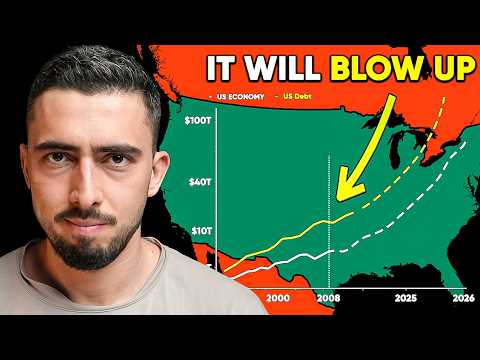
America’s Biggest Bubble Isn’t in Stocks or Housing
0
林宜悉 posted on 2025/10/31Ever wondered where all the money goes? This video dives into America's massive debt, explaining complex topics like the Federal Reserve and interest payments in a way you can actually understand. You'll pick up some advanced vocabulary while learning about the economic forces shaping our world!
Learn this video on the APP!
The VoiceTube App has more in-depth practice for videos!