hyperinflation
US /ˌhaɪpərɪnˈfleʃən/
・UK /ˌhaɪpərɪnˈfleɪʃn/
B1
n. (c./u.)Noun (Countable/Uncountable)Rapid increase in the price of products, services
The huge taxes caused hyperinflation in the price of goods
Video subtitles
When Money Is Corrupted - Hidden Secrets Of Money Ep 5 - Mike Maloney
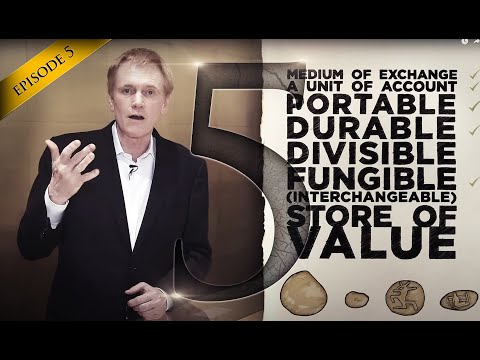
- and there was a hyperinflation of this currency.
and there was a hyperinflation of this currency.
- And so this went into a hyperinflation because the government was just running its budget by just doing deficit spending by printing.
And so this went into a hyperinflation because the government was just running its budget by just doing deficit spending by printing.
America’s Biggest Bubble Isn’t in Stocks or Housing
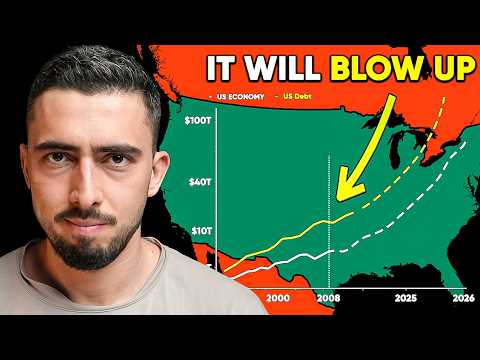
- This system only works as long as there is no hyperinflation.
This system only works as long as there is no hyperinflation.
- If you create too much money and you create a hyperinflation in the economy, then the dollar is going to lose its value so fast that the system is no longer going to work.
If you create too much money and you create a hyperinflation in the economy, then the dollar is going to lose its value so fast that the system is no longer going to work.
Trump has no idea what's about to happen
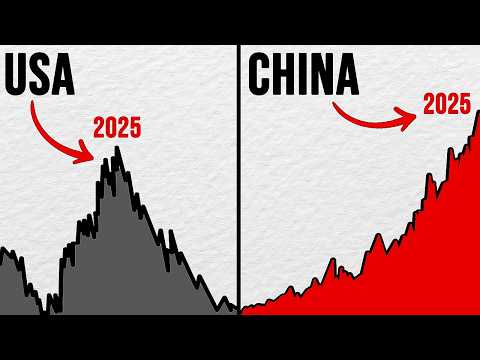
- But if that country starts overprinting that money, then you are creating oversupply of that currency in the market, which is going to cause either massive inflation, and in some cases, it can even cause hyperinflation, which will make the currency not valuable at all, which is why it's very important to balance the currency's demand and supply in the market to keep its value.
But if that country starts overprinting that money, then you are creating oversupply of that currency in the market, which is going to cause either massive inflation, and in some cases, it can even cause hyperinflation, which will make the currency not valuable at all, which is why it's very important to balance the currency's demand and supply in the market to keep its value.
- and in some cases, it can even cause hyperinflation, which will make the currency not valuable at all, which is why it's very important to balance the currency's demand and supply in the market to keep its value.
and in some cases, it can even cause hyperinflation, which will make the currency not valuable at all, which is why it's very important to balance the currency's demand and supply in the market to keep its value.
Why All Millionaires Follow The Debt Investing Rule
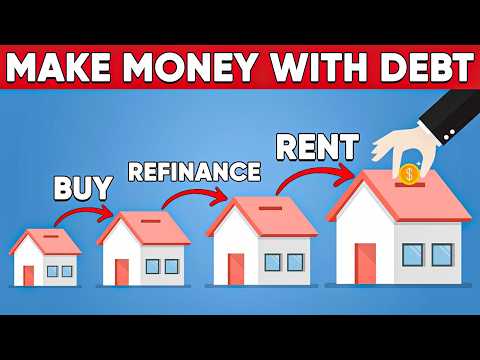
- And we have a lot of examples historically where the government has printed too much money and when the country was filled with all of this cash, it ended up with hyperinflation where the money lost its value.
And we have a lot of examples historically where the government has printed too much money and when the country was filled with all of this cash, it ended up with hyperinflation where the money lost its value.
- when the country was filled with all of this cash, it ended up with hyperinflation, where the money lost its value.
when the country was filled with all of this cash, it ended up with hyperinflation, where the money lost its value.
If Every Country Is in Debt - Who Owns The Debt?

- If they don't do that, money loses its value instantly, and it turns into hyperinflation.
If they don't do that, money loses its value instantly, and it turns into hyperinflation.
- If they don't do that, money loses its value instantly and it turns into a hyperinflation.
If they don't do that, money loses its value instantly and it turns into a hyperinflation.
Is the US Central Bank Losing Its Independence?
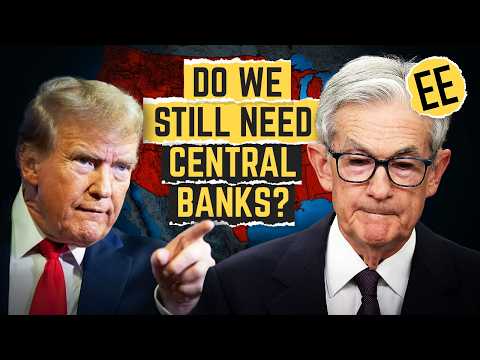
- We made an entire video two years ago about Turkey inducing hyperinflation in its own economy because the president insisted on keeping interest rates low and would fire any central bank leader who dared raise them.
We made an entire video two years ago about Turkey inducing hyperinflation in its own economy because the president insisted on keeping interest rates low and would fire any central bank leader who dared raise them.
- We made an entire video two years ago about Turkey inducing hyperinflation in its own economy because the president insisted on keeping interest rates low and would fire any central bank leader who dared raise them.
We made an entire video two years ago about Turkey inducing hyperinflation in its own economy because the president insisted on keeping interest rates low and would fire any central bank leader who dared raise them.
English Learning Podcast Conversation Episode 229 | Learn English Fast | Improve Your English Skills

- Actually, Ecuador went through a very difficult economic situation in late 1998, early 1999, where there was hyperinflation.
Actually, Ecuador went through a very difficult economic situation in late 1998, early 1999, where there was hyperinflation.
- Actually, uh, Ecuador went through a very difficult economic situation in late 1998, early 1999, uh, where there was hyperinflation.
Actually, uh, Ecuador went through a very difficult economic situation in late 1998, early 1999, uh, where there was hyperinflation.
Keith Chen - How Language Affects Financial Behavior - Interview - Goldstein on Gelt -Sept 2012

- factors. There’s kind of experiences with depression and hyperinflation and all those
factors. There’s kind of experiences with depression and hyperinflation and all those
- There's kind of experiences with kind of depression and hyperinflation and all those kinds of things.
There's kind of experiences with kind of depression and hyperinflation and all those kinds of things.
Crash Course: Chapter 9 - A Brief History of U.S. Money by Chris Martenson
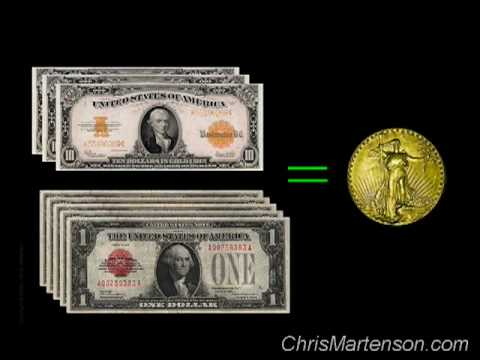
- Where does this stop if not in hyperinflation and the destruction of the dollar, and
Where does this stop if not in hyperinflation and the destruction of the dollar, and
- Where does it stop, if not in hyperinflation
Where does it stop, if not in hyperinflation
Why Americans Are Turning Away From Sweetgreen

- Both the company and Wall street misjudged key risks, including post pandemic hyperinflation and the slow recovery of office occupancy.
Both the company and Wall street misjudged key risks, including post pandemic hyperinflation and the slow recovery of office occupancy.
- Both the company and Wall Street misjudged key risks, including post-pandemic hyperinflation and the slow recovery of office occupancy.
Both the company and Wall Street misjudged key risks, including post-pandemic hyperinflation and the slow recovery of office occupancy.