
approximately
US /əˈprɑksəmɪtlɪ/
UK /əˈprɒksɪmətli/
- Adverb
- Around; nearly; almost; about (a number)
A2TOEICMoreassociation
US /əˌsoʊʃi'eɪʃn/
UK /əˌsəʊʃɪ'eɪʃn/
- Noun
- Organization of people with the same interest
B1TOEICMoreauthority
US /əˈθɔrɪti, əˈθɑr-, ɔˈθɔr-, ɔˈθɑr-/
UK /ɔ:ˈθɒrəti/
- Noun (Countable/Uncountable)
- The power to give orders to people
- Person who is an expert on a particular topic
A2TOEICMoreawareness
US /əˈwɛrnɪs/
UK /əˈweənəs/
- Uncountable Noun
- Having knowledge of something
A2TOEICMorecerebral
US /ˈsɛrəbrəl, səˈri-/
UK /ˈserəbrəl, səˈri:-/
- Adjective
- Having or concerning ideas rather than emotions
- Affecting or related to the brain
- Noun
- An intellectual person.
B2Morecommunity
US /kəˈmjunɪti/
UK /kə'mju:nətɪ/
- Noun (Countable/Uncountable)
- Group of people who share a common idea or area
- A feeling of fellowship with others, as a result of sharing common attitudes, interests, and goals.
- Adjective
- Relating to or shared by the people in a particular area.
- Shared or participated in by all members of a group
A2Morecomprehensive
US /ˌkɑ:mprɪˈhensɪv/
UK /ˌkɒmprɪˈhensɪv/
- Adjective
- Including most or all things
B1TOEICMoreconnection
US /kəˈnɛkʃən/
UK /kəˈnekʃn/
- Noun (Countable/Uncountable)
- Something that joins things together; being joined
- Person you know who can help you in some way
A2Moreconvention
US /kənˈvɛnʃən/
UK /kənˈvenʃn/
- Noun (Countable/Uncountable)
- Official agreement between two or more countries
- Large formal assembly, e.g. to make laws
- Adjective
- Concerning a large formal assembly or meeting
A2TOEICMorecopycat
US /'kɑ:pɪkæt/
UK /'kɒpɪkæt/
- Noun (Countable/Uncountable)
- Someone who copies the words/behavior of another
- A crime that is committed in imitation of another, more publicized crime.
- Adjective
- Imitative; characterized by copying.
- Imitating or copying someone else's behavior or actions.
C2Moredefense
US /dɪˈfɛns/
UK /dɪ'fens/
- Noun (Countable/Uncountable)
- Argument in support of something
- The process of protecting something from attack
B1TOEICMoredeliver
US /dɪˈlɪvɚ/
UK /dɪ'lɪvə(r)/
- Transitive Verb
- To give birth to a child; help a woman give birth
- To save someone from a problem or crisis
A2TOEICMoredistinguish
US /dɪˈstɪŋɡwɪʃ/
UK /dɪˈstɪŋgwɪʃ/
- Transitive Verb
- To make something clearly different from others
- To make noticeable or different; to set apart.
A2TOEICMoredong
US /dɒŋ/
UK /dɒŋ/
- Noun
- Basic unit of money in Vietnam
C2Moreempower
US /ɛmˈpaʊɚ/
UK /ɪm'paʊə(r)/
- Transitive Verb
- To give someone a power or ability
B2Moreempowerment
US /ɪm'poʊrmənt/
UK /ɪm'paʊəmənt/
- Uncountable Noun
- Giving the power to make their own decisions
B2Moreencourage
US /ɛnˈkɚrɪdʒ, -ˈkʌr-/
UK /ɪn'kʌrɪdʒ/
- Transitive Verb
- To increase the chance of something happening
- To make someone more determined or confident
A2TOEICMoreenterprise
US /ˈentərpraɪz/
UK /ˈentəpraɪz/
- Noun (Countable/Uncountable)
- A business or organization
- Task often considered difficult or challenging
A2TOEICMorefor instance
US /fɔr ˈɪnstəns/
UK /fɔ: ˈinstəns/
- Adverb
- As an example.
- Phrase
- As an example.
- As an illustration or case in point
B1Moreframework
US /ˈfreɪmwɜ:rk/
UK /ˈfreɪmwɜ:k/
- Noun
- Skeleton structure of a building or construction
- Basic structure of something
B1TOEICMorefraud
US /frɔd/
UK /frɔ:d/
- Noun (Countable/Uncountable)
- Use of dishonest ways to take something valuable
- Person who pretends to be what he or she is not
B1TOEICMorefrom home
US
UK
- Phrase
- Working or operating from one's residence.
- Originating or coming from one's own house or country.
A1Moregive away
US /ɡɪv əˈwe/
UK /ɡiv əˈwei/
- Phrase
- Phrasal Verb
- To let others have something you own
- To tell (a secret)
A1Morego hand in hand
US /goʊ hænd ɪn hænd/
UK /gəu ˈhænd ɪn ˈhænd/
- other
- Two things closely related or connected, usually occurring together.
B1Morehave to
US /hæv tu/
UK /ˈhæv tə/
- Auxiliary Verb
- Must do
A1Morehumane
US /hjuˈmen/
UK /hju:ˈmeɪn/
- Adjective
- Compassionate; thoughtful; acting like a human
B2Moreimpersonation
US /ɪmˌpɜ:sə'neɪʃn/
UK /ɪmˌpɜ:sə'neɪʃn/
- Uncountable Noun
- Imitating the mannerisms of another person
- The act of pretending to be another person.
C1Morein hand
US /ɪn hænd/
UK /in hænd/
- Phrase
- In one's possession or control.
in parallel
US /ɪn ˈpærəˌlɛl/
UK /in ˈpærəlel/
- Adverb
- Done at the same time; simultaneously.
- Adjective
- Relating to a system where multiple operations are carried out simultaneously, especially in computing.
C2Morein the field
US
UK
- Phrase
- Working or doing research in a real-world environment, not in a classroom or laboratory.
- Located on the playing area of a sports ground.
A1Morelandscape
US /ˈlændˌskep/
UK /'lændskeɪp/
- Noun
- Area or scene of activity, especially in politics
- Picture of natural scenery in a place
- Transitive Verb
- To make gardens that improve an area of land
B1TOEICMorelive on
US
UK
- Phrasal Verb
- To continue to exist or be remembered.
- To eat a particular type of food as the main thing.
look for
US /lʊk fɔr/
UK /luk fɔ:/
- Phrasal Verb
- To try to find a thing or person that is lost
- To expect or anticipate something.
A1Moremanipulate
US /məˈnɪpjəˌlet/
UK /mə'nɪpjʊleɪt/
- Transitive Verb
- To try to control others to gain an advantage
- To handle or work in a skillful manner
B1Moremanipulation
US /məˌnɪpjʊˈleʃən/
UK /məˌnɪpjʊ'leɪʃn/
- Noun (Countable/Uncountable)
- Act of controlling to gain an advantage
- Act of moving something using your hands
B1Moremimic
US /ˈmɪmɪk/
UK /'mɪmɪk/
- Countable Noun
- Someone who tries to act like another person
- Transitive Verb
- To copy a person's words/actions to amuse people
B2Moreminor
US /ˈmaɪnɚ/
UK /'maɪnə(r)/
- Adjective
- Not so large in size; not important or valuable
- An interval a half tone smaller than its major
- Noun
- Subject studied in college, but not the main one
- Someone too young to be legally responsible
B1Moremobility
US /moˈbɪliti/
UK /məʊˈbɪləti/
- Uncountable Noun
- Ability to move
- The ability to move between different levels of society or employment.
C1Morenavigate
US /ˈnævɪˌɡet/
UK /'nævɪɡeɪt/
- Verb (Transitive/Intransitive)
- To direct (car, plane etc.) in the right direction
- To deal successfully with something complex
B2Moreparallel
US /ˈpærəˌlɛl/
UK /'pærəlel/
- Verb (Transitive/Intransitive)
- To be equal to, or like, something else
- To compare
- Noun (Countable/Uncountable)
- A line on a map a set distance from the equator
- A similarity; a comparison.
B1Moreplay in
US
UK
- Phrasal Verb
- To participate or compete in a game or competition.
- To have a role in a theatrical production.
A1Moreproactive
US /ˌproʊˈæktɪv/
UK /ˌprəʊˈæktɪv/
- Adjective
- Acting to head off anticipated future problems
C1Moreproactively
US
UK
- Adverb
- So as to head off anticipated future problems
C1Morepromote
US /prəˈmoʊt/
UK /prəˈməʊt/
- Transitive Verb
- To try to encourage popularity/sales of a product
- To move someone to a higher position or rank
A2TOEICMorepsychological
US /ˌsaɪkəˈlɑdʒɪkəl/
UK /ˌsaɪkəˈlɒdʒɪkl/
- Adjective
- Concerning the study of the mind
- Relating to or involving the use of propaganda, threats, or other psychological techniques to subdue an opponent.
A2Morepsychology
US /saɪˈkɑlədʒi/
UK /saɪ'kɒlədʒɪ/
- Uncountable Noun
- The study of the mind and how it affects behavior
- Way in which a person or group thinks and behaves
C2Morereinforce
US /ˌri:ɪnˈfɔ:rs/
UK /ˌri:ɪnˈfɔ:s/
- Transitive Verb
- To send more troops/resources to support an army
- To encourage or strengthen an idea or feeling
B2TOEICMorereveal
US /rɪˈvil/
UK /rɪ'vi:l/
- Transitive Verb
- To show something that was hidden before
A2TOEICMorescam
US /skæm/
UK /skæm/
- Noun
- A trick to fool other people to get their money
- Transitive Verb
- To trick to fool other people to get their money
B2Moresophisticated
US /səˈfɪstɪˌketɪd/
UK /səˈfɪstɪkeɪtɪd/
- Adjective
- Making a good sounding but misleading argument
- Wise in the way of the world; having refined taste
- Transitive Verb
- To make someone more worldly and experienced
B1TOEICMorespread out
US /sprɛd aʊt/
UK /spred aut/
- Phrasal Verb
- To extend or stretch over a large area.
- To arrange things so that they cover a large area.
B2Morestance
US /stæns/
UK /stæns/
- Noun
- A position or opinion stated in public
- Position or way of standing
B1TOEICMoresuch as
US /sʌtʃ æz/
UK /sʌtʃ æz/
- Preposition
- For example; like
A1Moresurvey
US /ˈsɜː(r)veɪ/
UK /'sɜ:veɪ/
- Noun (Countable/Uncountable)
- Broad view or general description of something
- Act of measuring land or property to make a map
- Transitive Verb
- To offer a broad view or general description
- To measure an area of land to make a map of it
A2TOEICMoretarget
US /ˈtɑrɡɪt/
UK /'tɑ:ɡɪt/
- Noun (Countable/Uncountable)
- A goal or amount you are trying to achieve
- Group you are trying to sell to or influence
- Transitive Verb
- To try to influence; direct a message toward
- (Army) to aim an attack at something
A2TOEICMorevictim
US /ˈvɪktɪm/
UK /ˈvɪktɪm/
- Noun
- Person/thing affected by an unpleasant event
- Person feeling helpless in times of bad luck
B1TOEICMorevital
US /'vaɪtl/
UK /'vaɪtl/
- Adjective
- Needed to support life; essential
- Full of life; energetic
B1TOEICMorevulnerable
US /ˈvʌlnərəbəl/
UK /ˈvʌlnərəbl/
- Adjective
- Being open to attack or damage
- Being easily harmed, hurt, or wounded
B1Morework together
US /wɚk təˈɡɛðɚ/
UK /wə:k təˈɡeðə/
- Verb (Transitive/Intransitive)
- To collaborate or cooperate with others to achieve a common goal.
A1More
Vocabulary
- in hand: In one's possession or control.
- from home: Working or operating from one's residence.
- live on: To continue to exist or be remembered.
- work together: To collaborate or cooperate with others to achieve a common goal.
- for instance: As an example.
- go hand in hand: Two things closely related or connected, usually occurring together.
- in parallel: Done at the same time; simultaneously.
- look for: To try to find a thing or person that is lost
- play in: To participate or compete in a game or competition.
- such as: For example; like
- give away
- in the field: Working or doing research in a real-world environment, not in a classroom or laboratory.
- spread out: To extend or stretch over a large area.
- have to: Must do
- vulnerable: Being open to attack or damage
- sophisticated: Making a good sounding but misleading argument
- vital: Needed to support life; essential
- reveal: To show something that was hidden before
- psychological: Concerning the study of the mind
- reinforce: To send more troops/resources to support an army
- manipulate: To try to control others to gain an advantage
- community: Group of people who share a common idea or area
- approximately: Around; nearly; almost; about (a number)
- navigate: To direct (car, plane etc.) in the right direction
- psychology: The study of the mind and how it affects behavior
- imagine: To think creatively about; form mental picture of
- fraud: Use of dishonest ways to take something valuable
- mimic: Someone who tries to act like another person
- awareness: Having knowledge of something
- encourage: To increase the chance of something happening
- victim: Person/thing affected by an unpleasant event
- authority: The power to give orders to people
- association: Organization of people with the same interest
- distinguish: To make something clearly different from others
- parallel: To be equal to, or like, something else
- deliver: To give birth to a child; help a woman give birth
- create: To make, cause, or bring into existence
- survey: Broad view or general description of something
- landscape: Area or scene of activity, especially in politics
- proactive: Acting to head off anticipated future problems
- scam: A trick to fool other people to get their money
- comprehensive: Including most or all things
- risk: To do something potentially dangerous or foolish
- convention: Official agreement between two or more countries
- click: To work well with someone or something
- connection: Something that joins things together; being joined
- social: Involving activity with people, e.g. in free time
- framework: Skeleton structure of a building or construction
- stance: A position or opinion stated in public
- manipulation: Act of controlling to gain an advantage
- minor: Not so large in size; not important or valuable
- target: A goal or amount you are trying to achieve
- digital: Using electronic signals or computers
- promote: To try to encourage popularity/sales of a product
- receive: To get something someone has given or sent to you
- defense: Argument in support of something
- enterprise: A business or organization
- empower: To give someone a power or ability
- sign: Indication that something exists or will happen
- cerebral: Having or concerning ideas rather than emotions
- steal: A bargain; something bought very cheaply
- protect: To defend someone or something from harm or danger
- legal: Concerning the law; allowed by law
- person: Man, woman or child
- mobility: Ability to move
- proactively: So as to head off anticipated future problems
- work: The product of some artistic or literary endeavor
- empowerment: Giving the power to make their own decisions
- people: Persons sharing culture, country, background, etc.
- hand: Cards given to a player in a card game
- humane: Compassionate; thoughtful; acting like a human
- impersonation: Imitating the mannerisms of another person
- copycat: Someone who copies the words/behavior of another
- dong: Basic unit of money in Vietnam
Get the full experience in the app
Learn anywhere with detailed sentence and usage analysis
01:03
She took a brave step forward, leaving behind her comfort zone to chase her dreams.
Vocabulary
- brave
adj. Having courage
- comfort zone
phr. A familiar situation where one feels safe
Explanation
a brave step is a noun phrase, where brave is an adjective modifying the noun step, meaning "a courageous step".
forward is an adverb modifying step, meaning "ahead".
The whole phrase serves as the object, answering the "what" of took (verb) — she took a brave step forward.
Get the full experience in the app
Look up words anytime with pronunciation, part of speech, and usage
brave
US/brev/
UK/breɪv/
adj.Brave
v.t.To bravely face
A2 Elementary
Get the full experience in the app
Practice speaking anytime and get instant pronunciation feedback
Try this speaking exercise.
Try practicing with this sentence.
80
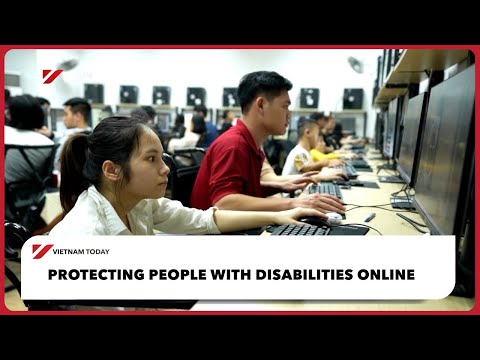
Protecting people with disabilities online | Vietnam Today
0
Sunnynguyen posted on 2025/10/30Ever wondered how to stay safe online, especially with tricky AI scams and phishing attempts? This video dives into protecting people with disabilities online, packed with practical tips and advanced vocabulary on cybersecurity and digital inclusion. You'll learn about real-world challenges and legal protections, making it a fantastic way to boost your knowledge and language skills!
Learn this video on the APP!
The VoiceTube App has more in-depth practice for videos!