
ability
US /əˈbɪlɪti/
UK /ə'bɪlətɪ/
- Noun (Countable/Uncountable)
- The power, resources or skill to do something
- A particular skill or talent.
A2TOEICMoreafter all
US /ˈæftɚ ɔl/
UK /ˈɑ:ftə ɔ:l/
- Adverb
- In spite of what was expected; used to introduce a statement that supports a previous statement or explains why it was made
- Considering everything; used to indicate that something is happening or is true despite some difficulty or obstacle
- Phrase
- Despite what was expected or thought; in spite of everything.
- Taking everything into consideration; considering that.
B1Morebenefit
US /ˈbɛnəfɪt/
UK /'benɪfɪt/
- Noun (Countable/Uncountable)
- Good result or effect, something advantageous
- A payment made by the state or an insurance policy to someone
- Verb (Transitive/Intransitive)
- To have a good effect or be helpful
- To receive an advantage; to be helped
A2TOEICMorebloated
US /ˈbloʊtɪd/
UK /ˈbləʊtɪd/
- Transitive Verb
- To cause to swell up or inflate with gas or liquid
- Adjective
- Swelled up or inflated with gas or liquid
C2Morebloodstream
US /ˈblʌdˌstrim/
UK /ˈblʌdstri:m/
- Uncountable Noun
- Blood flowing through the circulatory system
C2Morecalcium
US /ˈkælsiəm/
UK /'kælsɪəm/
- Uncountable Noun
- A substance important for making bones and teeth
- A substance containing calcium, taken to improve health.
C2Morecheck out
US /tʃɛk aʊt/
UK /tʃek aut/
- Phrase
- Phrasal Verb
- To find out information about something
- To take books out of a library
A1Morechronic
US /ˈkrɑnɪk/
UK /'krɒnɪk/
- Adjective
- Always or often doing something, e.g. lying
- (Of disease) over a long time; serious
B1Morecomplain
US /kəmˈplen/
UK /kəmˈpleɪn/
- Verb (Transitive/Intransitive)
- To say something is wrong and should be changed
- To make a formal accusation or charge.
B1Moreconstant
US /ˈkɑnstənt/
UK /'kɒnstənt/
- Adjective
- Happening frequently or without pause
- Remaining the same over time or not changing.
- Noun
- Thing that happens always or at a regular rate
- A physical quantity that is believed to have a fixed value and is used in calculations.
A2TOEICMoreconsume
US /kənˈsum/
UK /kən'sju:m/
- Transitive Verb
- To eat, drink, buy or use up something
- To take all your energy; focus the attention
A2TOEICMorecut out
US /kʌt aʊt/
UK /kʌt aut/
- Phrasal Verb
- To leave out of something, e.g. a social event
- To cut something from, e.g. a picture from a book
- Verb (Transitive/Intransitive)
- To stop doing or using something.
- To be naturally suited or fitted for something.
A1Moredehydration
US /ˌdihaɪˈdreʃən/
UK /ˌdi:haɪ'dreɪʃn/
- Uncountable Noun
- The state of not having enough water
C2Morediabetes
US /ˌdaɪəˈbitɪs, -tiz/
UK /ˌdaɪəˈbi:ti:z/
- Noun (Countable/Uncountable)
- Illness where there is too much sugar in the blood
- A form of diabetes, usually diagnosed in children and young adults, in which the body does not produce insulin.
B2Morediabetic
US /ˌdaɪəˈbɛtɪk/
UK /ˌdaɪəˈbetɪk/
- Adjective
- Concerning diabetes; suffering from diabetes
- Noun
- A person who has diabetes.
B2Moredialysis
US
UK
- Noun
- (Medical) taking waste from blood if kidneys are damaged
C1Moredisease
US /dɪˈziz/
UK /dɪˈzi:z/
- Noun (Countable/Uncountable)
- Illness that affects a person, animal, or plant
- A disorder of structure or function in a plant, especially one caused by a pathogen.
- Transitive Verb
- To affect with disease; to corrupt or sicken.
A2TOEICMoreenergy
US /ˈɛnədʒi/
UK /'enədʒɪ/
- Noun (Countable/Uncountable)
- Physical or mental strength
- Enthusiasm and determination.
A2Moreexcess
US /ˈɛkˌsɛs/
UK /ɪkˈses/
- Noun (Countable/Uncountable)
- Amount that is more than necessary or over a limit
- An extra amount.
- Verb (Transitive/Intransitive)
- To be more than or go beyond.
B1Moreextra
US /'ekstrə/
UK /'ekstrə/
- Adjective
- More than necessary; additional
- Of especially good quality or grade.
- Noun (Countable/Uncountable)
- Items more than you need; additional items
- Person who has a small part in a movie
A2Morefilter
US /ˈfɪltɚ/
UK /'fɪltə(r)/
- Noun (Countable/Uncountable)
- Device to remove certain types of light, sound
- Device to remove unwanted things from liquid, gas
- Transitive Verb
- To remove certain types of light, sound
- To remove unwanted substances from a liquid or gas
B1Morefiltration
US /fɪlˈtreʃən/
UK /fɪlˈtreɪʃn/
- Uncountable Noun
- Process whereby fluids pass through a filter
B1Morefor life
US /fɔr laɪf/
UK /fɔ: laif/
- Phrase
- For the duration of one's life; permanently.
- To support someone for the duration of their life.
- Adjective
- Being a member for the entirety of one's life.
A1Moreformation
US /fɔ:rˈmeɪʃn/
UK /fɔ:ˈmeɪʃn/
- Noun
- Process of creating; making a particular shape
B1Morefunction
US /ˈfʌŋkʃən/
UK /'fʌŋkʃn/
- Noun
- Social event, or party such as a wedding
- Mathematical operation used in calculations
- Intransitive Verb
- To serve a certain purpose or role
- To be operating, working or achieving its purpose
A2TOEICMoreglucose
US /ˈɡluˌkos/
UK /'ɡlu:kəʊs/
- Uncountable Noun
- Natural type of sugar found in fruits and plants
- The concentration of glucose in the blood, often measured to monitor metabolic health.
C1Morehypertension
US /ˌhaɪpərˈtenʃn/
UK /ˌhaɪpəˈtenʃn/
- Uncountable Noun
- Condition marked by abnormally high blood pressure
B2Morein check
US /ɪn tʃɛk/
UK /in tʃek/
- Phrase
- Under control; restrained.
- Verified or confirmed to be correct or accurate.
in peace
US /ɪn pis/
UK /in pi:s/
- Phrase
- In a state of tranquility, without disturbance or conflict.
- In a state of non-war, without armed conflict.
B1Morein reality
US /ɪn riˈælɪti/
UK /in riˈæliti/
- Phrase
- Actually; in fact; truly.
B2Moreinflammation
US /ˌɪnfləˈmeʃən/
UK /ˌɪnfləˈmeɪʃn/
- Noun (Countable/Uncountable)
- Painful swelling in the body due to illness
- A condition in which a part of the body becomes reddened, swollen, hot, and often painful, especially as a reaction to injury or infection.
B2Moreinstead of
US /ɪnˈstɛd ʌv/
UK /inˈsted ɔv/
- Preposition
- When one thing is replaced by another
- Adverb
- As a substitute or alternative.
A1Moreinsulin
US /ˈɪnsəlɪn/
UK /ˈɪnsjəlɪn/
- Uncountable Noun
- Substance in the body processing sugar into energy
B2Moreintake
US /ˈɪnˌtek/
UK /ˈɪnteɪk/
- Noun (Countable/Uncountable)
- Amount of something that a person's body consumes
- Act of consuming something
B1Morekidney
US /ˈkɪdni/
UK /'kɪdnɪ/
- Noun (Countable/Uncountable)
- Body organ that cleans blood, producing urine
- An animal kidney used as food.
- Adjective
- Relating to the kidneys.
- Having the shape of a kidney; bean-shaped.
B2Moremaintain
US /menˈten/
UK /meɪn'teɪn/
- Transitive Verb
- To keep saying something a certain way
- To keep (machine) working by checking, repairing
A2TOEICMoremess with
US
UK
- Verb (Transitive/Intransitive)
- To interfere with or tamper with something.
- To provoke or annoy someone.
- Phrasal Verb
- To interfere with or tamper with something.
- To tease, provoke, or annoy someone.
B1Moreminimize
US /ˈmɪnəˌmaɪz/
UK /'mɪnɪmaɪz/
- Transitive Verb
- To make something seem small or less important
B1Moreof course
US /ʌv kɔː(r)s/
UK /ɔv kɔː(r)s/
- Adverb
- Sure ; Certainly
- Phrase
- For sure; certainly
A2Moreout of the picture
US
UK
- Adjective
- No longer involved or relevant in a situation.
- Not being considered as a possibility.
over time
US /ˈovɚ taɪm/
UK /ˈəuvə taim/
- Phrase
- Gradually; as time passes.
- During a long period.
- Adverb
- Gradually; as time passes.
B1Moreoverflow
US /ˌovɚˈflo/
UK /ˌəʊvə'fləʊ/
- Intransitive Verb
- (Liquid) to flow over the edge of something
- Noun
- Place where liquids flow over or out
- An excess of something; an amount beyond what can be held.
B2Moreoverload
US /ˌovɚˈlod/
UK /ˌəʊvə'ləʊd/
- Transitive Verb
- To make a machine work too hard so it might break
- To cause someone or something to work too hard
- Noun (Countable/Uncountable)
- Too much of something
B2Moreovertime
US /ˈovɚˌtaɪm/
UK /'əʊvətaɪm/
- Uncountable Noun
- Extra time in a sports game
- Time worked in addition to regular working hours.
- Adverb
- Beyond the regular working hours.
B2TOEICMoreoxidative
US /'ɒksɪdeɪtɪv/
UK /'ɒksɪdeɪtɪv/
- Adjective
- Taking place in the presence of oxygen
C2Morepressure
US /ˈprɛʃɚ/
UK /'preʃə(r)/
- Noun (Countable/Uncountable)
- Anxiety caused by difficult problems
- Force, weight when pressing against a thing
- Transitive Verb
- To apply force to something
- To persuade or force someone to do something
A2TOEICMoreprogress
US /ˈprɑɡˌrɛs, -rəs, ˈproˌɡrɛs/
UK /'prəʊɡres/
- Verb (Transitive/Intransitive)
- To move forward or toward a place or goal
- To make progress; develop or improve.
- Uncountable Noun
- Act of moving forward
- The process of improving or developing something over a period of time.
A2TOEICMoreprotein
US /ˈprəʊˌtiːn/
UK /ˈprəʊti:n/
- Noun (Countable/Uncountable)
- Group of molecules made from amino acids
B1Morequit
US /kwɪt/
UK /kwɪt/
- Verb (Transitive/Intransitive)
- To leave a job
- To leave a place
- Intransitive Verb
- To leave a school etc. without finishing
B1Morered flag
US /rɛd flæɡ/
UK /red flæɡ/
- Noun
- A warning sign or signal of danger or a problem.
- A symbol of socialism or communism.
B1Morereduce
US /rɪˈdus, -ˈdjus/
UK /rɪ'dju:s/
- Verb (Transitive/Intransitive)
- To try to decrease, e.g. your weight if overweight
- To boil a liquid until it has decreased in amount
A2TOEICMorereduce the risk
US
UK
- Phrase
- To lessen the probability of something dangerous or harmful occurring.
A1Moreregenerate
US /rɪˈdʒɛnəˌret/
UK /rɪˈdʒenəreɪt/
- Verb (Transitive/Intransitive)
- To form or create new things
B2Moreresound
US /rɪˈzaʊnd/
UK /rɪˈzaʊnd/
- Intransitive Verb
- To echo with the sound of
C2Morerev
US /rɛv/
UK /rev/
- Abbreviation
- Short form of reverend
- Verb (Transitive/Intransitive)
- To make an engine turn faster, making a loud noise
B2Morescar
US /skɑr/
UK /skɑ:(r)/
- Noun (Countable/Uncountable)
- Long lasting emotional pain from a bad experience
- A mark on something made by scratching it
- Transitive Verb
- To cause long lasting emotional pain
- To leave a mark on something by scratching it
B1Moresignificantly
US /sɪɡˈnɪfəkəntlɪ/
UK /sɪgˈnɪfɪkəntli/
- Adverb
- In a way that is important or noticeable
- In a way that is meaningful
A2Moresilent
US /ˈsaɪlənt/
UK /'saɪlənt/
- Adjective
- Without making any noise; soundless
- Usually speaking very little
B1Moresodium
US /ˈsodiəm/
UK /'səʊdɪəm/
- Uncountable Noun
- A soft, white chemical element
B2Morestabilize
US /ˈstebəˌlaɪz/
UK /'steɪbəlaɪz/
- Transitive Verb
- To make stable/consistent, with no major changes
B1Morestress
US / strɛs/
UK /stres/
- Transitive Verb
- To emphasize one or more parts of a word, sentence
- To put pressure on something or someone
- Noun (Countable/Uncountable)
- Emphasis on part of a word or sentence
- Pressure on something or someone
A2TOEICMoresubtly
US /ˈsəd(ə)li/
UK /ˈsʌtli/
- Adverb
- In a way that is delicate or slight, but effective
B1Moreswell
US /swɛl/
UK /swel/
- Intransitive Verb
- To feel overcome due to a strong emotion
- To increase in size or number larger than normal
- Uncountable Noun
- Being overcome from feeling a strong emotion
- Act of growing in size or increasing in number
B1Moresyrup
US /ˈsɪrəp, ˈsɚ-/
UK /ˈsɪrəp/
- Uncountable Noun
- Sugary liquid e.g. used on pancakes
B2Morethink of
US /θɪŋk ʌv/
UK /θiŋk ɔv/
- Phrasal Verb
- To look on as (being something specific); consider
- To consider or remember something.
- Verb (Transitive/Intransitive)
- To imagine or call something to mind
A1Moreurine
US /ˈjʊrən/
UK /ˈjʊərɪn/
- Uncountable Noun
- Yellow liquid waste from the body
C1Morewaistline
US /ˈwestˌlaɪn/
UK /ˈweɪstlaɪn/
- Noun (Countable/Uncountable)
- Narrowing of the body between the ribs and hips
C2Morewaste
US /west/
UK /weɪst/
- Transitive Verb
- To kill or severely harm someone
- To use valuable things ineffectively
- Uncountable Noun
- Materials left over after a process has finished
A2TOEICMorewear out
US /wɛr aʊt/
UK /wɛə aut/
- Phrase
- Phrasal Verb
- To use until it becomes unusable; become unusable
- To make very tired; tire out
A1Morework in
US /wɚk ɪn/
UK /wə:k in/
- Phrasal Verb
- To make an opening for something in your schedule
- To fit person/thing into a schedule or sequence
A1More
Vocabulary
- think of: To look on as (being something specific); consider
- over time: Gradually; as time passes.
- of course: Sure ; Certainly
- work in: To make an opening for something in your schedule
- for life: For the duration of one's life; permanently.
- in reality: Actually; in fact; truly.
- wear out
- instead of: When one thing is replaced by another
- mess with: To interfere with or tamper with something.
- reduce the risk: To lessen the probability of something dangerous or harmful occurring.
- in peace: In a state of tranquility, without disturbance or conflict.
- red flag: A warning sign or signal of danger or a problem.
- out of the picture: No longer involved or relevant in a situation.
- check out
- cut out: To leave out of something, e.g. a social event
- in check: Under control; restrained.
- after all: In spite of what was expected; used to introduce a statement that supports a previous statement or explains why it was made
- chronic: Always or often doing something, e.g. lying
- constant: Happening frequently or without pause
- diabetes: Illness where there is too much sugar in the blood
- progress: To move forward or toward a place or goal
- improve: To make, or become, something better
- consume: To eat, drink, buy or use up something
- disease: Illness that affects a person, animal, or plant
- stress: To emphasize one or more parts of a word, sentence
- inflammation: Painful swelling in the body due to illness
- significantly: In a way that is important or noticeable
- pressure: Anxiety caused by difficult problems
- ability: The power, resources or skill to do something
- protein: Group of molecules made from amino acids
- syrup: Sugary liquid e.g. used on pancakes
- function: Social event, or party such as a wedding
- brain: To strike someone forcefully on the head
- maintain: To keep saying something a certain way
- filter: Device to remove certain types of light, sound
- excess: Amount that is more than necessary or over a limit
- similar: Nearly the same; alike
- glucose: Natural type of sugar found in fruits and plants
- benefit: Good result or effect, something advantageous
- extra: More than necessary; additional
- suddenly: In an unexpected or very quick manner
- insulin: Substance in the body processing sugar into energy
- drop: Distance between a higher and a lower level
- intake: Amount of something that a person's body consumes
- risk: To do something potentially dangerous or foolish
- lead: Wire for electricity, computer, etc.; cable
- mood: Emotion or a state of mind; how you feel
- subtly: In a way that is delicate or slight, but effective
- kidney: Body organ that cleans blood, producing urine
- urine: Yellow liquid waste from the body
- calcium: A substance important for making bones and teeth
- reduce: To try to decrease, e.g. your weight if overweight
- energy: Physical or mental strength
- scary: Causing fear; frightening
- sodium: A soft, white chemical element
- swell: To feel overcome due to a strong emotion
- waste: To kill or severely harm someone
- silent: Without making any noise; soundless
- notice: To become aware by sight, touch, or hearing
- dehydration: The state of not having enough water
- formation: Process of creating; making a particular shape
- bloodstream: Blood flowing through the circulatory system
- scar: Long lasting emotional pain from a bad experience
- protect: To defend someone or something from harm or danger
- quit: To leave a job
- difference: A thing or issue that people do not agree about
- minimize: To make something seem small or less important
- start: First time or place that a thing exists; beginning
- healthy: In good condition physically, or financially; well
- clear: Empty; without anything in it or on it
- complain: To say something is wrong and should be changed
- stabilize: To make stable/consistent, with no major changes
- filtration: Process whereby fluids pass through a filter
- regenerate: To form or create new things
- bloated: To cause to swell up or inflate with gas or liquid
- rev: Short form of reverend
- overload: To make a machine work too hard so it might break
- hypertension: Condition marked by abnormally high blood pressure
- waistline: Narrowing of the body between the ribs and hips
- overtime: Extra time in a sports game
- overflow: (Liquid) to flow over the edge of something
- oxidative: Taking place in the presence of oxygen
- diabetic: Concerning diabetes; suffering from diabetes
- dialysis: (Medical) taking waste from blood if kidneys are damaged
- resound: To echo with the sound of
Get the full experience in the app
Learn anywhere with detailed sentence and usage analysis
01:03
She took a brave step forward, leaving behind her comfort zone to chase her dreams.
Vocabulary
- brave
adj. Having courage
- comfort zone
phr. A familiar situation where one feels safe
Explanation
a brave step is a noun phrase, where brave is an adjective modifying the noun step, meaning "a courageous step".
forward is an adverb modifying step, meaning "ahead".
The whole phrase serves as the object, answering the "what" of took (verb) — she took a brave step forward.
Get the full experience in the app
Look up words anytime with pronunciation, part of speech, and usage
brave
US/brev/
UK/breɪv/
adj.Brave
v.t.To bravely face
A2 Elementary
Get the full experience in the app
Practice speaking anytime and get instant pronunciation feedback
Try this speaking exercise.
Try practicing with this sentence.
80
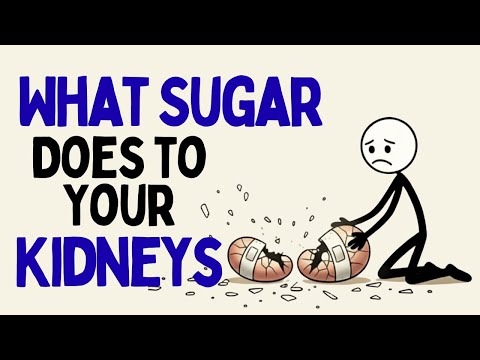
What Happens to Your Kidneys If You Quit Sugar for 30 Days? (Science Explained)
0
Minjane posted on 2025/10/28Ever wondered what happens to your kidneys when you ditch sugar for a month? This video dives deep into the science behind it, explaining everything from potential kidney stones to diabetic nephropathy in simple terms. You'll pick up tons of advanced vocabulary related to health and science, making it a fantastic way to boost your knowledge and your English!
Learn this video on the APP!
The VoiceTube App has more in-depth practice for videos!