
ability
US /əˈbɪlɪti/
UK /ə'bɪlətɪ/
- Noun (Countable/Uncountable)
- The power, resources or skill to do something
- A particular skill or talent.
A2TOEICMoreaccustom
US /əˈkʌstəm/
UK /əˈkʌstəm/
- Transitive Verb
- To make someone or something become used to something.
- Intransitive Verb
- To become used to something.
C1Moreassociate
US /əˈsoʊʃiˌeɪt/
UK /ə'səʊʃɪeɪt/
- Countable Noun
- Partner in professional work, e.g. in law
- Verb (Transitive/Intransitive)
- To spend time with other people; mix with
- To form a connection in your mind between things
B1TOEICMoreat least
US /æt list/
UK /æt li:st/
- Adverb
- As a minimum
- Not less than
- Phrase
- No less than; at the minimum
- Used to indicate that something is positive in a bad situation.
C2Moreat risk
US
UK
- Phrase
- In danger; likely to be harmed
avid
US /ˈævɪd/
UK /'ævɪd/
- Adjective
- Very eager (fan, collector of something, etc.)
B2TOEICMorebasically
US /ˈbesɪkəli,-kli/
UK /ˈbeɪsɪkli/
- Adverb
- Used before you explain something simply, clearly
- In essence; when you consider the most important aspects of something.
A2Morebeneficial
US /ˌbɛnəˈfɪʃəl/
UK /ˌbenɪˈfɪʃl/
- Adjective
- Giving an advantage, having a helpful effect
- Promoting or contributing to physical or mental well-being.
B1TOEICMorecognitive
US /ˈkɑɡnɪtɪv/
UK /ˈkɒgnətɪv/
- Adjective
- The process of knowing and remembering
- Relating to the ability to think and reason.
C1Morecognitively
US
UK
- Adverb
- With regard to cognition
C1Morecritical
US /ˈkrɪtɪkəl/
UK /ˈkrɪtɪkl/
- Adjective
- Making a negative judgment of something
- Being important or serious; vital; dangerous
A2Morecritical to
US
UK
- Adjective
- Extremely important or essential.
- Of decisive importance with reference to the outcome of something; vital.
B2Moredementia
US /dɪˈmɛnʃə/
UK /dɪˈmenʃə/
- Uncountable Noun
- Illness characterized by loss of memory
B2Moredepend
US /dɪˈpend/
UK /dɪˈpend/
- Verb (Transitive/Intransitive)
- Be controlled or determined by (someone/something)
- To rely on someone or something for support, help, or existence.
B1TOEICMoredepending on
US
UK
- Phrasal Verb
- To rely on for support (financial or emotional)
- Influenced or determined by.
- Preposition
- Subject to; contingent on
- Relying on someone or something for support or assistance.
A2Morediminish
US /dɪˈmɪnɪʃ/
UK /dɪˈmɪnɪʃ/
- Verb (Transitive/Intransitive)
- To make something smaller or less important
- To imply someone's reputation is less good
B1Moredo in
US
UK
- Phrasal Verb
- To make completely tired out and exhausted
- To destroy or cause damage to someone
A1Moreeducational attainment
US
UK
- Noun
- The highest level of education that someone has completed.
B2Moreeffort
US /ˈɛfət/
UK /ˈefət/
- Uncountable Noun
- Amount of work used trying to do something
- A conscious exertion of power; a try.
A2TOEICMoreengage
US /ɪn'gedʒ/
UK /ɪn'ɡeɪdʒ/
- Transitive Verb
- To start to fight with an enemy
- To hire someone for a task or job
A2TOEICMoreengage in
US /ɪn'gedʒ ɪn/
UK /ɪnˈɡeɪdʒ in/
- Phrasal Verb
- To participate or become involved in something.
B1Moreexpert
US /ˈɛkˌspɚt/
UK /'ekspɜ:t/
- Countable Noun
- Skillful person with special knowledge
- Adjective
- Having special knowledge or skill
A2TOEICMoreexpertise
US /ˌekspɜːrˈtiːz/
UK /ˌekspɜ:ˈti:z/
- Uncountable Noun
- The special knowledge that an expert has
- Expert skill or knowledge in a particular field.
B1TOEICMorefascinating
US /ˈfæsəˌnetɪŋ/
UK /ˈfæsɪneɪtɪŋ/
- Transitive Verb
- To attract or interest greatly
- To hold someone captive with a gaze or other means.
- Adjective
- Having your attention fixated as though by a spell
B1Morefend
US /fɛnd/
UK /fend/
- Verb (Transitive/Intransitive)
- To try to manage for yourself without assistance
B2Morefend off
US /fɛnd ɔf/
UK /fend ɔf/
- Phrasal Verb
- To defend and keep (threats) at distance
- To ward off or protect oneself from something unwanted or unpleasant.
B2Morefiction
US /ˈfɪkʃən/
UK /ˈfɪkʃn/
- Uncountable Noun
- Made-up stories; imagined events
- False statement or account about something
B1Moregenerate
US /ˈdʒɛnəˌret/
UK /ˈdʒenəreɪt/
- Transitive Verb
- To create or be produced or bring into existence
- To create electricity, heat, energy and power
A2TOEICMorehave to
US /hæv tu/
UK /ˈhæv tə/
- Auxiliary Verb
- Must do
A1Moreimpact
US /ˈɪmˌpækt/
UK /'ɪmpækt/
- Noun
- A striking effect or result to hit with force
- Act or force of one thing hitting something else
- Verb (Transitive/Intransitive)
- To hit or strike someone or something with force
- To have a strong effect on someone or something.
A2TOEICMorein print
US /ɪn prɪnt/
UK /in print/
- Phrase
- Available for sale in book form
A1Morein real life
US /ɪn ˈriəl laɪf/
UK /in riəl laif/
- Phrase
- In the physical world; not online or in a fictional setting.
- Actually; genuinely; not made up or fictional.
A2Morein ways
US
UK
- Phrase
- In a manner or by methods that.
- In certain respects or aspects.
A1Moreindividual
US /ˌɪndəˈvɪdʒuəl/
UK /ˌɪndɪˈvɪdʒuəl/
- Countable Noun
- Single person, looked at separately from others
- A single thing or item, especially when part of a set or group.
- Adjective
- Made for use by one single person
- Having a distinct manner different from others
A2Moreinsight
US /ˈɪnˌsaɪt/
UK /'ɪnsaɪt/
- Noun (Countable/Uncountable)
- Power to understand people and things very well
- Very good understanding of something
B1Morekindle
US /ˈkɪndl:/
UK /ˈkɪndl/
- Transitive Verb
- To arouse interest in; cause to exist or flourish
- To (cause a fire to) start burning
C1TOEICMorelook at
US /lʊk æt/
UK /luk æt/
- Phrasal Verb
- To use your eyes to focus on something
- To focus your eyes on something carefully
A1Moremanipulate
US /məˈnɪpjəˌlet/
UK /mə'nɪpjʊleɪt/
- Transitive Verb
- To try to control others to gain an advantage
- To handle or work in a skillful manner
B1Moremental
US /ˈmɛntl/
UK /ˈmentl/
- Adjective
- Concerning the mind
A2TOEICMoreneural
US /ˈnʊrəl, ˈnjʊr-/
UK /ˈnjuərəl/
- Adjective
- About the nerves or nervous system
B2Morenonfiction
US /ˌnɒn'fɪkʃən/
UK /ˌnɒn'fɪkʃən/
- Uncountable Noun
- Not fiction; real or factual content of books
B2Moreof course
US /ʌv kɔː(r)s/
UK /ɔv kɔː(r)s/
- Adverb
- Sure ; Certainly
- Phrase
- For sure; certainly
A2Moreoral
US /ˈɔrəl/
UK /ˈɔ:rəl/
- Adjective
- Concerning the mouth
- Spoken text
B1Moreparagraph
US /ˈpærəgræf/
UK /ˈpærəgrɑ:f/
- Noun (Countable/Uncountable)
- Section of writing dealing with one point
- A section or clause in a legal document.
- Transitive Verb
- To organize a written work into paragraphs
B1TOEICMorepathway
US /ˈpæθˌwe, ˈpɑθ-/
UK /ˈpɑ:θweɪ/
- Noun (Countable/Uncountable)
- A path or way that you can walk
B1Morepositive
US /ˈpɑzɪtɪv/
UK /ˈpɒzətɪv/
- Adjective
- Showing agreement or support for something
- Being sure about something; knowing the truth
- Noun
- A photograph in which light areas are light and dark areas are dark
A2Morepositive impact
US
UK
- Noun
- A beneficial or advantageous effect.
- Adjective
- Having a beneficial or advantageous effect.
B1Morepredict
US /prɪˈdɪkt/
UK /prɪ'dɪkt/
- Transitive Verb
- To guess or estimate what will or might happen
A2TOEICMoreprestigious
US /prɛˈstidʒəs, -ˈstɪdʒəs/
UK /preˈstɪdʒəs/
- Adjective
- Respected as being important and with high status
B2Moreprocess
US /ˈprɑsˌɛs, ˈproˌsɛs/
UK /prə'ses/
- Transitive Verb
- To organize and use data in a computer
- To deal with official forms in the way required
- Noun (Countable/Uncountable)
- Dealing with official forms in the way required
- Set of changes that occur slowly and naturally
A2TOEICMorepsychology
US /saɪˈkɑlədʒi/
UK /saɪ'kɒlədʒɪ/
- Uncountable Noun
- The study of the mind and how it affects behavior
- Way in which a person or group thinks and behaves
C2Morereassure
US /ˌri:əˈʃʊr/
UK /ˌri:əˈʃʊə(r)/
- Transitive Verb
- To make feel less worried about something
B1Morespatial
US /ˈspeʃəl/
UK /ˈspeɪʃl/
- Adjective
- About space
B1Morestructure
US /ˈstrʌk.tʃɚ/
UK /ˈstrʌk.tʃə/
- Noun (Countable/Uncountable)
- The way in which the parts of a system or object are arranged or organized, or a system arranged in this way
- A building or other man-made object.
- Transitive Verb
- To plan, organize, or arrange the parts of something
A2TOEICMoretime out
US /taɪm aʊt/
UK /taim aut/
- Noun
- A brief suspension of activity; a pause.
- A period of isolation as a form of discipline.
- Verb (Transitive/Intransitive)
- To call a temporary suspension of play in a game.
A1Moretypically
US /ˈtɪpɪklɪ/
UK /ˈtɪpɪkli/
- Adverb
- In a normal or usual way
B1Morevisual
US /ˈvɪʒuəl/
UK /'vɪʒʊəl/
- Adjective
- Of or relating to vision
- Noun
- Pictures/images used to help audience understand
- A picture, map, piece of film, or other visual representation.
A2Morework in
US /wɚk ɪn/
UK /wə:k in/
- Phrasal Verb
- To make an opening for something in your schedule
- To fit person/thing into a schedule or sequence
A1Moreworkout
US /ˈwə:kˌaʊt/
UK /ˈwɜ:kaʊt/
- Noun
- Energetic exercise
B2More
Vocabulary
- in real life: In the physical world; not online or in a fictional setting.
- do in: To make completely tired out and exhausted
- have to: Must do
- at risk: In danger; likely to be harmed
- depending on: To rely on for support (financial or emotional)
- critical to: Extremely important or essential.
- in ways: In a manner or by methods that.
- work in: To make an opening for something in your schedule
- fend off: To defend and keep (threats) at distance
- positive impact: A beneficial or advantageous effect.
- of course: Sure ; Certainly
- educational attainment: The highest level of education that someone has completed.
- at least: As a minimum
- engage in: To participate or become involved in something.
- in print: Available for sale in book form
- look at: To use your eyes to focus on something
- time out: A brief suspension of activity; a pause.
- cognitive: The process of knowing and remembering
- individual: Single person, looked at separately from others
- process: To organize and use data in a computer
- mental: Concerning the mind
- engage: To start to fight with an enemy
- critical: Making a negative judgment of something
- effort: Amount of work used trying to do something
- basically: Used before you explain something simply, clearly
- fascinating: To attract or interest greatly
- impact: A striking effect or result to hit with force
- positive: Showing agreement or support for something
- structure: The way in which the parts of a system or object are arranged or organized, or a system arranged in this way
- typically: In a normal or usual way
- associate: Partner in professional work, e.g. in law
- develop: To explain something in steps and in detail
- manipulate: To try to control others to gain an advantage
- psychology: The study of the mind and how it affects behavior
- ability: The power, resources or skill to do something
- bit: Device put in a horse's mouth to control it
- dementia: Illness characterized by loss of memory
- expert: Skillful person with special knowledge
- insight: Power to understand people and things very well
- brain: To strike someone forcefully on the head
- predict: To guess or estimate what will or might happen
- similar: Nearly the same; alike
- neural: About the nerves or nervous system
- explain: To make clear or easy to understand by describing
- expertise: The special knowledge that an expert has
- diminish: To make something smaller or less important
- prestigious: Respected as being important and with high status
- generate: To create or be produced or bring into existence
- effect: An advantage, benefit
- create: To make, cause, or bring into existence
- fiction: Made-up stories; imagined events
- risk: To do something potentially dangerous or foolish
- visual: Of or relating to vision
- activity: An action or task, e.g. sports, washing clothes
- reassure: To make feel less worried about something
- lot: What happens to a person in life from chance; fate
- depend: Be controlled or determined by (someone/something)
- beneficial: Giving an advantage, having a helpful effect
- kind: In a caring and helpful manner
- workout: Energetic exercise
- spatial: About space
- learn: To get knowledge or skills by study or experience
- fact: Something that is known or proved to be true
- avid: Very eager (fan, collector of something, etc.)
- information: Collection of facts and details about something
- paragraph: Section of writing dealing with one point
- language: Words or signs used to communicate messages
- oral: Concerning the mouth
- pathway: A path or way that you can walk
- fend: To try to manage for yourself without assistance
- cognitively: With regard to cognition
- kindle: To arouse interest in; cause to exist or flourish
- accustom: To make someone or something become used to something.
- nonfiction: Not fiction; real or factual content of books
Get the full experience in the app
Learn anywhere with detailed sentence and usage analysis
01:03
She took a brave step forward, leaving behind her comfort zone to chase her dreams.
Vocabulary
- brave
adj. Having courage
- comfort zone
phr. A familiar situation where one feels safe
Explanation
a brave step is a noun phrase, where brave is an adjective modifying the noun step, meaning "a courageous step".
forward is an adverb modifying step, meaning "ahead".
The whole phrase serves as the object, answering the "what" of took (verb) — she took a brave step forward.
Get the full experience in the app
Look up words anytime with pronunciation, part of speech, and usage
brave
US/brev/
UK/breɪv/
adj.Brave
v.t.To bravely face
A2 Elementary
Get the full experience in the app
Practice speaking anytime and get instant pronunciation feedback
Try this speaking exercise.
Try practicing with this sentence.
80
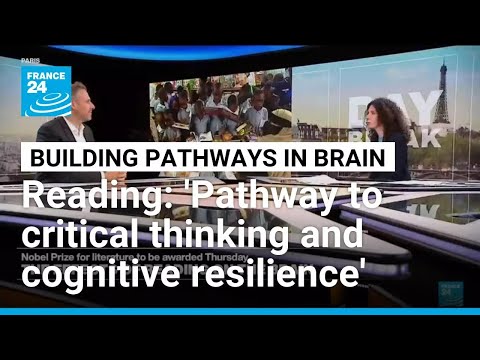
How books shape minds and societies, building cognitive resilience and civic mindedness
0
z6dm5gtkpz posted on 2025/10/28Ever wonder how diving into a good book actually changes your brain and makes you a sharper thinker? This fascinating interview with a cognitive neuroscience expert from Université Paris Cité reveals the amazing benefits of reading, from boosting cognitive resilience to even helping prevent dementia! You'll pick up some advanced vocabulary and practical insights that are perfect for parents and educators too.
Learn this video on the APP!
The VoiceTube App has more in-depth practice for videos!