
addiction
US /əˈdɪkʃən/
UK /əˈdɪkʃn/
- Noun (Countable/Uncountable)
- Lack of control the overuse of something e.g. drugs
- A compulsive physiological need for a habit-forming substance.
B1TOEICMorealcohol
US /ˈælkəˌhɔl,-ˌhɑl/
UK /'ælkəhɒl/
- Uncountable Noun
- A colorless liquid that can catch fire (C2H5OH)
- Drinks such as wine, whiskey, beer
B1Morealleviate
US /əˈliviˌet/
UK /əˈli:vieɪt/
- Transitive Verb
- To lessen the severity of something
B2TOEICMorealong with
US /əˈlɔŋ wɪð/
UK /əˈlɔŋ wið/
- Preposition
- In addition to; together with.
- Adverb
- In company or together with someone or something.
- Including; in addition to.
A2Morealso known as
US
UK
- Phrase
- Also called; alternatively named.
- Identified by another term; synonymous with.
A1Moreancient
US /ˈenʃənt/
UK /'eɪnʃənt/
- Adjective
- Very old; having lived a very long time ago
- Relating to a period in history, especially in the distant past.
- Noun
- A person who lived in ancient times.
A2Morearchaic
US /ɑrˈkeɪk/
UK /ɑ:ˈkeɪɪk/
- Adjective
- Old and no longer relevant or applicable
C1Moreas a result of
US
UK
- Phrase
- Because of something; owing to.
A1Moreas a whole
US /æz e hol/
UK /æz ə həul/
- Phrase
- Considering everything together; in general.
- Complete; not divided or incomplete.
- Adjective
- Complete; not divided or fragmented.
A1Moreas we know it
US /əz wi no ɪt/
UK /əz wi nəu ɪt/
- other
- In the form or way commonly understood or accepted.
B2Moreas well as
US /æz wɛl æz/
UK /æz wel æz/
- Adverb
- Also; in addition to
- Preposition
- In addition to; and also.
A1Moreasthma
US /ˈæzmə, ˈæs-/
UK /ˈæsmə/
- Uncountable Noun
- Lung illness causing difficulty in breathing
B2Moreat a time
US /æt e taɪm/
UK /æt ə taim/
- Phrase
- Separately; one by one
- Simultaneously; together
A1Moreat that time
US /æt ðæt taɪm/
UK /æt ðæt taim/
- Phrase
- During a specific point in the past.
A1Morebile
US /baɪl/
UK /baɪl/
- Uncountable Noun
- Body fluid that helps you digest fat
B2Morebrand
US /brænd/
UK /brænd/
- Noun
- A mark burned on an animal to show who owns it
- Product made or designed by a named company
- Transitive Verb
- To burn a mark on an animal to show who owns it
- To describe someone as a liar, coward, etc.
A2TOEICMorecalm
US /kɑm/
UK /kɑ:m/
- Adjective
- Without wind or storm; quiet; peaceful
- Relaxed and not worried or angry
- Verb (Transitive/Intransitive)
- To make or become relaxed and not worried or angry
A2Morecalm down
US /kɑm daʊn/
UK /kɑ:m daun/
- Phrasal Verb
- To make or become relaxed after being stressed
A2Morecare of
US /kɛr ʌv/
UK /kɛə ɔv/
- Preposition
- Used in an address to indicate the person who will receive the mail for someone else.
A2Morecause
US /kɔz/
UK /kɔ:z/
- Noun
- Belief, goal or organization that people support
- Reason for
- Transitive Verb
- To make something happen; create effect or result
A2Morecigarette
US /ˈsɪgəret/
UK /ˌsɪgəˈret/
- Noun (Countable/Uncountable)
- White paper tube filled with tobacco
- The act of smoking a cigarette.
B1Morecoca
US
UK
- Noun
- Type of South American plant used to make cocaine
C1Morecocaine
US /ˈkoʊˌkeɪn/
UK /kəʊˈkeɪn/
- Uncountable Noun
- Illegal drug made from coca leaves
- A street name for the drug cocaine.
- Intransitive Verb
- To use cocaine.
B2Morecure
US /kjʊr/
UK /kjʊə(r)/
- Noun
- Something that solves a problem or makes it better
- Medical treatment making a sick person healthy
- Transitive Verb
- To fix or improve a problem
- To make someone healthy or make a disease go away
B1Morediarrhea
US /ˌdaɪəˈriə/
UK /ˌdaɪə'rɪə/
- Uncountable Noun
- Frequent and watery bowel movements
- Frequent and watery bowel movements
C1Moredisease
US /dɪˈziz/
UK /dɪˈzi:z/
- Noun (Countable/Uncountable)
- Illness that affects a person, animal, or plant
- A disorder of structure or function in a plant, especially one caused by a pathogen.
- Transitive Verb
- To affect with disease; to corrupt or sicken.
A2TOEICMoredue to
US /du tu/
UK /dju: tu:/
- Preposition
- Because of; owing to
- Adjective
- Attributable to; caused by.
A1MoreEasier said than done
US
UK
- Idiom
- More difficult than it appears to be.
A1Morefever
US /ˈfivɚ/
UK /'fi:və(r)/
- Noun (Countable/Uncountable)
- A high body temperature, indicating illness
- State of excited emotion or activity
- Transitive Verb
- To cause to have a fever.
B1Morefirst up
US /fɚst ʌp/
UK /fə:st ʌp/
- Phrase
- Firstly; to begin with; the first item on a list or agenda.
A1Moreforget about
US /fɚˈɡɛt əˈbaʊt/
UK /fəˈɡet əˈbaut/
- Phrasal Verb
- To stop thinking about something; to ignore something.
A1Morefreeman
US /ˈfrimən/
UK /'fri:mən/
- Noun
- Someone who is not a slave
C2Morefrontal
US /ˈfrʌntl:/
UK /ˈfrʌntl/
- Adjective
- Belonging to the forward part
- Relating to the front part of something, especially the front of the head or brain.
- Noun
- The bone that forms the front part of the skull above the eyes.
B1Moreget here
US
UK
- Intransitive Verb
- To arrive at a specific location.
A1Morego on
US /ɡo ɑn/
UK /ɡəu ɔn/
- Phrasal Verb
- To continue doing something
- To happen (usually negative)
- Interjection
- Used to encourage someone
A1Morehumor
US /ˈhjumɚ/
UK /'hju:mə/
- Uncountable Noun
- Quality that makes something funny
- Mood that a person is in
- Transitive Verb
- To pretend to agree with so they don't get upset
- To agree with someone but don't really mean it
B1Moreillness
US /ˈɪlnɪs/
UK /ˈɪlnəs/
- Uncountable Noun
- Unhealthy condition of the mind or body
- A particular instance or type of disease.
A2Morein order to
US /ɪn ˈɔrdɚ tu/
UK /in ˈɔ:də tu:/
- Preposition
- For the purpose of; with the aim of.
- Phrase
- In a specific sequence or arrangement.
- With the aim of; for the purpose of.
C1Moreinfection
US /ɪnˈfɛkʃən/
UK /ɪnˈfekʃn/
- Noun
- (Computers) Having a computer virus
- Making or becoming sick with a bacteria/virus
A2Moreinfluence
US / ˈɪnfluəns/
UK /'ɪnflʊəns/
- Verb (Transitive/Intransitive)
- To affect or change something indirectly
- To persuade someone to do something.
- Noun (Countable/Uncountable)
- The power to affect what happens, to persuade etc.
- A person or thing that affects someone or something in an important way.
A2TOEICMorekill off
US /kɪl ɔf/
UK /kil ɔf/
- Phrasal Verb
- To eliminate or destroy completely; to cause to die.
leech
US /litʃ/
UK /li:tʃ/
- Noun
- Freshwater worm that sucks blood
B2Moremalaria
US /məˈlɛriə/
UK /məˈleəriə/
- Noun
- Disease caused by being bitten by a mosquito
B2Moremash it up
US /mæʃ ɪt ʌp/
UK /mæʃ ɪt ʌp/
- other
- To mix or blend music tracks creatively.
B2Moremental
US /ˈmɛntl/
UK /ˈmentl/
- Adjective
- Concerning the mind
A2TOEICMorementally
US /ˈmɛntl:ɪ/
UK /ˈmentəli/
- Adverb
- With or in the mind and thoughts
A2Moreout of favor
US
UK
- Adjective
- No longer approved of or supported; having lost popularity or approval.
- Phrase
- In a state of being disliked or disapproved of.
patient
US /ˈpeʃənt/
UK /'peɪʃnt/
- Adjective
- Not getting annoyed when things take a long time
- Bearing or enduring pain or trials without complaint; exhibiting forbearance.
- Countable Noun
- Person who receives medical treatment or care
A2Moreper year
US
UK
- Phrase
- For each year; annually.
A2Morephysician
US /fɪˈzɪʃən/
UK /fɪˈzɪʃn/
- Countable Noun
- A medical doctor
B2Morepractice
US /ˈpræktɪs/
UK /'præktɪs/
- Noun
- The office and place for legal or medical work
- Doing something many times to become better at it
- Verb (Transitive/Intransitive)
- To work as a doctor or lawyer
- To live according to the teachings of a religion
A2TOEICMorepre
US
UK
- Prefix
- A prefix meaning 'before'
B2Moreprocedure
US /prəˈsidʒɚ/
UK /prəˈsi:dʒə(r)/
- Noun
- A medical operation
- Usual or standard steps taken to do something
B1TOEICMorepsychiatrist
US /saɪ'kaɪətrɪst/
UK /saɪˈkaɪətrɪst/
- Countable Noun
- Doctor who treats psychological disorders
- Doctor who treats psychological disorders
B2Morequestionable
US /ˈkwɛstʃənəbəl/
UK /ˈkwestʃənəbl/
- Adjective
- Not likely to be right or true; doubtful
B1Morerelieve
US /rɪˈliv/
UK /rɪ'li:v/
- Transitive Verb
- To make less boring by making some change
- To replace workers with others
B1Moreresult
US /rɪˈzʌlt/
UK /rɪ'zʌlt/
- Noun
- Something produced through tests or experiments
- Final score of a competition, election or game
- Intransitive Verb
- To be the outcome of other causes and effects
- To happen or exist as a consequence of something.
A2Morerot
US /rɑ:t/
UK /rɒt/
- Intransitive Verb
- To break down into pieces through dying; decay
- Uncountable Noun
- The process or state of decaying or rotting.
- Foolish or nonsensical talk or ideas.
B2Moresame time
US
UK
- Phrase
- Occurring simultaneously or at the same point in time.
- At the identical time as before; recurring at a fixed hour.
- Noun
- An equal duration or period.
A1Morescholarship
US /ˈskɑlɚˌʃɪp/
UK /'skɒləʃɪp/
- Uncountable Noun
- Work of learning, studying, acquiring knowledge
- Countable Noun
- Money given to a student to pay for education
B2Moresmoke
US /smoʊk/
UK /sməʊk/
- Intransitive Verb
- To give off a cloud of grey gas from burning
- Uncountable Noun
- Grey gas from fires and cigarettes
- Fog of air coming from e.g. a cigarette, fire
B1Moresuffer
US / ˈsʌfɚ/
UK /'sʌfə(r)/
- Verb (Transitive/Intransitive)
- To experience pain, illness, or injury
- To allow or permit something, especially something unpleasant.
A2Moresurgery
US /ˈsɚdʒəri/
UK /'sɜ:dʒərɪ/
- Noun (Countable/Uncountable)
- Medical operation involving cutting into body
- A doctor's office; health clinic
B1Moresurgical
US /ˈsɜ:rdʒɪkl/
UK /ˈsɜ:dʒɪkl/
- Adjective
- Of or relating to surgery or operations
B2Moretherapy
US /ˈθɛrəpi/
UK /'θerəpɪ/
- Noun (Countable/Uncountable)
- Treatment to help cure an illness
- Psychological counseling to help resolve personal or emotional problems.
B2Morethink of
US /θɪŋk ʌv/
UK /θiŋk ɔv/
- Phrasal Verb
- To look on as (being something specific); consider
- To consider or remember something.
- Verb (Transitive/Intransitive)
- To imagine or call something to mind
A1Moretreatment
US /ˈtritmənt/
UK /ˈtri:tmənt/
- Noun (Countable/Uncountable)
- Medicine or method to make someone healthier
- Way someone acts toward another
A2TOEICMoreunder the influence
US /ˈʌndɚ ði ˈɪnfluəns/
UK /ˈʌndə ðə ˈinfluəns/
- Adjective
- Affected by alcohol or drugs to the extent that mental and physical control is markedly diminished.
- Phrase
- Being affected or controlled by someone or something.
A1Moreused to
US /juzd tu/
UK /ˈju:st tə/
- Adjective
- Did regularly before, but don't do now
- Auxiliary Verb
- Have done before, but do not do now
A1Morevomit
US /ˈvɑ:mɪt/
UK /ˈvɒmɪt/
- Noun (Countable/Uncountable)
- Food coming back up from stomach, due to illness
- Verb (Transitive/Intransitive)
- To bring (blood, etc.) up and out of mouth
B2Morewant in
US
UK
- Intransitive Verb
- To desire to participate or be included in something.
A1Morewitness
US /ˈwɪtnɪs/
UK /'wɪtnəs/
- Transitive Verb
- To see the signing of an official document
- To see an event take place (usually a crime)
- Noun (Countable/Uncountable)
- Person who was present to see an event take place
- Evidence or proof of something
B1TOEICMore
Vocabulary
- due to: Because of; owing to
- also known as: Also called; alternatively named.
- along with: In addition to; together with.
- as well as: Also; in addition to
- in order to: For the purpose of; with the aim of.
- used to: Did regularly before, but don't do now
- as a result of: Because of something; owing to.
- want in: To desire to participate or be included in something.
- as we know it: In the form or way commonly understood or accepted.
- get here: To arrive at a specific location.
- first up: Firstly; to begin with; the first item on a list or agenda.
- kill off: To eliminate or destroy completely; to cause to die.
- Easier said than done: More difficult than it appears to be.
- same time: Occurring simultaneously or at the same point in time.
- under the influence: Affected by alcohol or drugs to the extent that mental and physical control is markedly diminished.
- go on: To continue doing something
- mash it up: To mix or blend music tracks creatively.
- forget about: To stop thinking about something; to ignore something.
- at that time: During a specific point in the past.
- at a time: Separately; one by one
- calm down: To make or become relaxed after being stressed
- per year: For each year; annually.
- as a whole: Considering everything together; in general.
- out of favor: No longer approved of or supported; having lost popularity or approval.
- care of: Used in an address to indicate the person who will receive the mail for someone else.
- think of: To look on as (being something specific); consider
- mental: Concerning the mind
- practice: The office and place for legal or medical work
- ancient: Very old; having lived a very long time ago
- therapy: Treatment to help cure an illness
- treat: To pay for the food or enjoyment of someone else
- disease: Illness that affects a person, animal, or plant
- influence: To affect or change something indirectly
- brand: A mark burned on an animal to show who owns it
- calm: Without wind or storm; quiet; peaceful
- alleviate: To lessen the severity of something
- suffer: To experience pain, illness, or injury
- addiction: Lack of control the overuse of something e.g. drugs
- cause: Belief, goal or organization that people support
- diarrhea: Frequent and watery bowel movements
- perform: To carry out an action well or successfully
- simply: In an easy or clear manner
- vomit: Food coming back up from stomach, due to illness
- witness: To see the signing of an official document
- result: Something produced through tests or experiments
- illness: Unhealthy condition of the mind or body
- create: To make, cause, or bring into existence
- due: When something is required or expected
- mentally: With or in the mind and thoughts
- surgery: Medical operation involving cutting into body
- alcohol: A colorless liquid that can catch fire (C2H5OH)
- infection: (Computers) Having a computer virus
- patient: Not getting annoyed when things take a long time
- cure: Something that solves a problem or makes it better
- treatment: Medicine or method to make someone healthier
- asthma: Lung illness causing difficulty in breathing
- receive: To get something someone has given or sent to you
- relieve: To make less boring by making some change
- pain: Strong feeling of hurt or discomfort
- order: Religious or social group, as of nuns
- malaria: Disease caused by being bitten by a mosquito
- procedure: A medical operation
- modern: Of the present time; up to date; contemporary
- fever: A high body temperature, indicating illness
- rot: To break down into pieces through dying; decay
- basic: At the most important or easiest (beginner) level
- physician: A medical doctor
- include: To make someone, something part of a group
- cigarette: White paper tube filled with tobacco
- cocaine: Illegal drug made from coca leaves
- psychiatrist: Doctor who treats psychological disorders
- think: To have an idea about something without certainty
- widely: To a large degree; over a large range
- remove: To get rid of something completely
- university: High-level educational institution; college
- scholarship: Work of learning, studying, acquiring knowledge
- surgical: Of or relating to surgery or operations
- humor: Quality that makes something funny
- bile: Body fluid that helps you digest fat
- frontal: Belonging to the forward part
- archaic: Old and no longer relevant or applicable
- questionable: Not likely to be right or true; doubtful
- pre: A prefix meaning 'before'
- smoke: To give off a cloud of grey gas from burning
- leech: Freshwater worm that sucks blood
- freeman: Someone who is not a slave
- coca: Type of South American plant used to make cocaine
Get the full experience in the app
Learn anywhere with detailed sentence and usage analysis
01:03
She took a brave step forward, leaving behind her comfort zone to chase her dreams.
Vocabulary
- brave
adj. Having courage
- comfort zone
phr. A familiar situation where one feels safe
Explanation
a brave step is a noun phrase, where brave is an adjective modifying the noun step, meaning "a courageous step".
forward is an adverb modifying step, meaning "ahead".
The whole phrase serves as the object, answering the "what" of took (verb) — she took a brave step forward.
Get the full experience in the app
Look up words anytime with pronunciation, part of speech, and usage
brave
US/brev/
UK/breɪv/
adj.Brave
v.t.To bravely face
A2 Elementary
Get the full experience in the app
Practice speaking anytime and get instant pronunciation feedback
Try this speaking exercise.
Try practicing with this sentence.
80
Most Bizarre Treatments Ever Prescribed by Doctors!😵
0
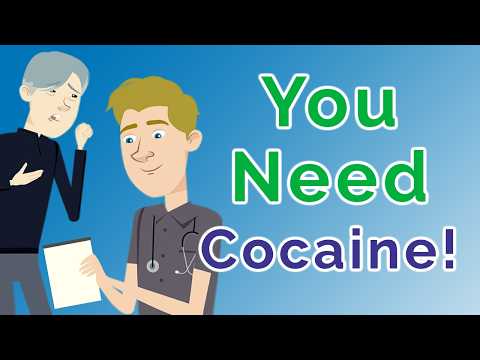
林宜悉 posted on 2025/10/16Ever wondered about the craziest medical treatments from history? This video dives into bizarre practices like the tapeworm diet and bloodletting, giving you a fascinating look at past medical ideas and boosting your advanced vocabulary along the way!
Learn this video on the APP!
The VoiceTube App has more in-depth practice for videos!