
academic
US /ˌækəˈdɛmɪk/
UK /ˌækə'demɪk/
- Adjective
- Concerning education, schools, universities, etc.
- Concerning education, schools, universities, etc.
- Noun (Countable/Uncountable)
- Educator teaching at a college or university
- A subject taught at schools and universities.
B1Moreaccount for
US /əˈkaʊnt fɔr/
UK /əˈkaunt fɔ:/
- Phrasal Verb
- To explain the cause or reason for something
- To form a particular amount or part of something.
- Verb (Transitive/Intransitive)
- To supply a reason or explanation for something.
- To form a particular amount or proportion of something.
A1Morealso known as
US
UK
- Phrase
- Also called; alternatively named.
- Identified by another term; synonymous with.
A1Moreas well as
US /æz wɛl æz/
UK /æz wel æz/
- Adverb
- Also; in addition to
- Preposition
- In addition to; and also.
A1Moreat times
US /æt taɪmz/
UK /æt taɪmz/
- Phrase
- Sometimes; occasionally.
A1Morebreak down
US /brek daʊn/
UK /breik daun/
- Phrasal Verb
- To forcibly break, destroy or make collapse
- (Machine) to stop working or become weaker
A1Morebreast
US /brɛst/
UK /brest/
- Countable Noun
- Fleshy part of a woman's body for feeding babies
- (Poetic) upper front part of the body; the heart
B1Morecareer
US /kəˈrɪr/
UK /kə'rɪə(r)/
- Noun (Countable/Uncountable)
- Particular occupation in professional life
- The course of a person's life, especially in a particular pursuit or profession.
- Verb (Transitive/Intransitive)
- To move forward very fast and without control
- To advance or make progress rapidly
A2Morecerebral
US /ˈsɛrəbrəl, səˈri-/
UK /ˈserəbrəl, səˈri:-/
- Adjective
- Having or concerning ideas rather than emotions
- Affecting or related to the brain
- Noun
- An intellectual person.
B2Morechallenge
US /ˈtʃæləndʒ/
UK /'tʃælɪndʒ/
- Noun (Countable/Uncountable)
- An activity you wish to try that may be hard to do
- Act of formally inviting someone to compete
- Transitive Verb
- To formally invite someone to compete at something
- To question the correctness of something
A2Morecheck out
US /tʃɛk aʊt/
UK /tʃek aut/
- Phrase
- Phrasal Verb
- To find out information about something
- To take books out of a library
A1Moreclinical
US /ˈklɪnɪkəl/
UK /ˈklɪnɪkl/
- Adjective
- Concerning the treatment or observing patients
- Using scientific techniques and precision
B1Moreclose behind
US
UK
- Adverb
- Following very closely; in close pursuit.
- Adjective
- Near to overtaking or surpassing in a competition or ranking.
competitive
US /kəmˈpɛtɪtɪv/
UK /kəmˈpetətɪv/
- Adjective
- Being strongly driven to win or be better than
- As good as or better than others.
B1Morecontact
US /ˈkɑnˌtækt/
UK /'kɒntækt/
- Adjective
- Touching or feeling something
- Noun (Countable/Uncountable)
- Touching or feeling something
- Object that allows electricity to run through it
A2Morecurious
US /ˈkjʊriəs/
UK /ˈkjʊəriəs/
- Adjective
- Wanting to know more about something
- Attracting interest by being strange or unusual
A2Moredeal with
US /dil wɪð/
UK /di:l wið/
- Verb (Transitive/Intransitive)
- To buy or sell goods or services.
- Phrasal Verb
- To take action to solve a problem or manage a situation.
- To be about; concern.
A1Morededicated
US /ˈdɛdɪˌketɪd/
UK /'dedɪkeɪtɪd/
- Transitive Verb
- To state a person's name in book, song, in respect
- To give your energy, time, etc. completely
- Adjective
- Devoted to a task or purpose; having single-minded loyalty or integrity.
- Designed for or devoted to a specific purpose or task.
B1Moredepend
US /dɪˈpend/
UK /dɪˈpend/
- Verb (Transitive/Intransitive)
- Be controlled or determined by (someone/something)
- To rely on someone or something for support, help, or existence.
B1TOEICMoredepending on
US
UK
- Phrasal Verb
- To rely on for support (financial or emotional)
- Influenced or determined by.
- Preposition
- Subject to; contingent on
- Relying on someone or something for support or assistance.
A2Moredescription
US /dɪˈskrɪpʃən/
UK /dɪˈskrɪpʃn/
- Noun
- Explanation of what something is like, looks like
- The type or nature of someone or something.
A2TOEICMorediagnose
US /ˌdaɪəgˈnoʊs/
UK /ˈdaɪəgnəʊz/
- Transitive Verb
- To determine the cause of an illness or problem
B1Moredisease
US /dɪˈziz/
UK /dɪˈzi:z/
- Noun (Countable/Uncountable)
- Illness that affects a person, animal, or plant
- A disorder of structure or function in a plant, especially one caused by a pathogen.
- Transitive Verb
- To affect with disease; to corrupt or sicken.
A2TOEICMoredisposition
US /ˌdɪspəˈzɪʃən/
UK /ˌdɪspəˈzɪʃn/
- Noun
- Normal attitude or mood of someone
B2TOEICMoreestablish
US /ɪˈstæblɪʃ/
UK /ɪˈstæblɪʃ/
- Transitive Verb
- To set or create something to last for a long time
- To use facts, evidence to show truth or clarity
A2TOEICMoreexposure
US /ɪkˈspoʒɚ/
UK /ɪk'spəʊʒə(r)/
- Noun
- Allowing light through a cameras lens onto film
- Being talked about in the media
A2TOEICMorefor example
US
UK
- Phrase
- As an illustration or instance.
from home
US
UK
- Phrase
- Working or operating from one's residence.
- Originating or coming from one's own house or country.
A1Morehave to
US /hæv tu/
UK /ˈhæv tə/
- Auxiliary Verb
- Must do
A1Morein addition to
US /ɪn əˈdɪʃən tu/
UK /in əˈdiʃən tu:/
- Preposition
- Besides; as well as
- Phrase
- Besides; as well as.
- Furthermore; moreover.
B1Morein private
US /ɪn ˈpraɪvɪt/
UK /in ˈpraivit/
- Phrase
- Not in public; in a place where other people cannot see or hear you
- In a confidential manner; not intended for general knowledge
B1Morein terms of
US
UK
- Phrase
- With regard to; concerning a particular aspect.
A1Moreincision
US /ɪnˈsɪʒən/
UK /ɪnˈsɪʒn/
- Noun
- Cut, as that done by a surgeon in an operation
C2Moreinstitution
US /ˌɪnstɪˈtuʃən, -ˈtju-/
UK /ˌɪnstɪˈtju:ʃn/
- Noun (Countable/Uncountable)
- Organization created for a particular aim/purpose
- Tradition, custom or system accepted by a group
A2TOEICMoreintern
US /ɪnˈtɜ:rn/
UK /ɪnˈtɜ:n/
- Countable Noun
- Person working to get experience/train for a job
- Intransitive Verb
- To have a job as an intern
C2Moreinternal
US /ɪnˈtɚnəl/
UK /inˈtə:nəl/
- Adjective
- Being or happening in the body
- Being, happening in a country, state, organization
B1TOEICMoreinvasive
US /ɪnˈvesɪv/
UK /ɪnˈveɪsɪv/
- Adjective
- Entering the body, etc. in a destructive way
- Tending to spread aggressively; intrusive.
C1Moreinvolve
US /ɪnˈvɑlv/
UK /ɪn'vɒlv/
- Transitive Verb
- To have or be included as a part of something
- To cause (a person or group) to take part in an event or activity.
A2TOEICMorekeep your options open
US /kip jʊɚ ˈɑpʃənz ˈoʊpən/
UK /kip jɔ: ˈɒpʃənz ˈəupən/
- other
- To avoid making a final decision to allow several possibilities.
B2Morelongitudinal
US /ˌlɑ:ndʒəˈtu:dnl/
UK /ˌlɒŋgɪˈtju:dɪnl/
- Adjective
- Going from the top to the bottom of something
B2Moremanipulate
US /məˈnɪpjəˌlet/
UK /mə'nɪpjʊleɪt/
- Transitive Verb
- To try to control others to gain an advantage
- To handle or work in a skillful manner
B1Morenumber of people
US /ˈnʌmbɚ ʌv ˈpipəl/
UK /ˈnʌmbə ɔv ˈpi:pl/
- Phrase
- The total count of individuals within a group or gathering.
- A statistical figure representing the population size or a subset thereof.
A1Moreoccasional
US /əˈkeʒənəl/
UK /əˈkeɪʒənl/
- Adjective
- Not happening often; irregular; rare
A2Moreof interest
US /əv ˈɪntrɪst/
UK /əv ˈɪntrəst/
- other
- Relevant or important to someone or something.
B2Moreof late
US
UK
- Phrase
- Recently; lately.
A1Moreon average
US /ɑn ˈævərɪdʒ/
UK /ɔn ˈævəridʒ/
- Phrase
- Typically; usually; based on an average calculation.
B1Moreon the other hand
US
UK
- Phrase
- Considering a different aspect of the matter; alternatively.
A1Moreon top of that
US
UK
- Phrase
- In addition to something already mentioned; furthermore.
A1Moreorgan
US /ˈɔrɡən/
UK /'ɔ:ɡən/
- Noun (Countable/Uncountable)
- Part of a person's body with a particular function
- Large institution or body
B1Moreoutside of
US /aʊtˈsaɪd ʌv/
UK /ˌautˈsaid ɔv/
- Preposition
- Located or situated beyond the boundaries or confines of something.
- Beyond the scope, range, or limits of something.
A1Morepath
US /pæθ, pɑθ/
UK /pɑ:θ/
- Noun
- Method of living leading to a particular result
- Track made with stones, by walking over the ground
A2TOEICMorepediatric
US /ˌpi:dɪ'ætrɪk/
UK /ˌpi:dɪ'ætrɪk/
- Adjective
- Concerning the medical care of children
C2Moreper year
US
UK
- Phrase
- For each year; annually.
A2Morepiece together
US /pis təˈɡɛðɚ/
UK /pi:s təˈɡeðə/
- Transitive Verb
- To assemble or put together from fragments or parts.
- Phrasal Verb
- To assemble or construct something from individual parts or pieces.
- To try to understand something by considering all the separate facts or pieces of information that you have.
A1Morepractice
US /ˈpræktɪs/
UK /'præktɪs/
- Noun
- The office and place for legal or medical work
- Doing something many times to become better at it
- Verb (Transitive/Intransitive)
- To work as a doctor or lawyer
- To live according to the teachings of a religion
A2TOEICMoreprimarily
US /praɪˈmɛrəli, -ˈmɛr-/
UK /praɪˈmerəli/
- Adverb
- In the most basic or important way
A2TOEICMoreresidency
US /ˈrɛzɪdənsi, -ˌdɛn-/
UK /ˈrezɪdənsi/
- Uncountable Noun
- Training for a junior doctor in hospital
- A period of time when an artist, writer, or musician lives and works in a particular place.
C2Moreright in front
US
UK
- Phrase
- Directly ahead; in a position immediately before someone or something.
- In a position where something is easily visible or obvious.
A2Morestroke
US /strok/
UK /strəʊk/
- Noun (Countable/Uncountable)
- When blood cannot get to brain, causing damage
- Mark made by a pen, pencil or brush
- Transitive Verb
- To rub your hand in a caring way on something
B1Moresubsequent
US /ˈsʌbsɪˌkwɛnt, -kwənt/
UK /ˈsʌbsɪkwənt/
- Adjective
- Happening after; later
B1Moresuch as
US /sʌtʃ æz/
UK /sʌtʃ æz/
- Preposition
- For example; like
A1Moresurgery
US /ˈsɚdʒəri/
UK /'sɜ:dʒərɪ/
- Noun (Countable/Uncountable)
- Medical operation involving cutting into body
- A doctor's office; health clinic
B1Moresurgical
US /ˈsɜ:rdʒɪkl/
UK /ˈsɜ:dʒɪkl/
- Adjective
- Of or relating to surgery or operations
B2Moretrauma
US /ˈtraʊmə/
UK /'trɔ:mə/
- Noun (Countable/Uncountable)
- A very severe or upsetting experience
- Serious injury to part of the body
B2Moreturf
US /tɜ:rf/
UK /tɜ:f/
- Noun (Countable/Uncountable)
- Grass or a grass-like surface
B2Moretypically
US /ˈtɪpɪklɪ/
UK /ˈtɪpɪkli/
- Adverb
- In a normal or usual way
B1Moreutilize
US /ˈjutlˌaɪz/
UK /ˈju:təlaɪz/
- Transitive Verb
- To use something for a particular purpose
B1TOEICMorevariety
US /vəˈraɪɪti/
UK /və'raɪətɪ/
- Noun
- Particular type of thing or person
- The quality or state of being different or diverse; the absence of uniformity, sameness, or monotony.
A2TOEICMorevascular
US /ˈvæskjəlɚ/
UK /ˈvæskjələ(r)/
- Adjective
- Of tubes through which fluids flow in body/plant
C1More
Vocabulary
- such as: For example; like
- on the other hand : Considering a different aspect of the matter; alternatively.
- for example: As an illustration or instance.
- also known as: Also called; alternatively named.
- check out
- as well as: Also; in addition to
- in private: Not in public; in a place where other people cannot see or hear you
- depending on: To rely on for support (financial or emotional)
- from home: Working or operating from one's residence.
- have to: Must do
- break down: To forcibly break, destroy or make collapse
- of interest: Relevant or important to someone or something.
- keep your options open: To avoid making a final decision to allow several possibilities.
- on average: Typically; usually; based on an average calculation.
- per year: For each year; annually.
- account for: To explain the cause or reason for something
- in terms of
- of late: Recently; lately.
- in addition to: Besides; as well as
- right in front: Directly ahead; in a position immediately before someone or something.
- piece together: To assemble or put together from fragments or parts.
- deal with
- number of people: The total count of individuals within a group or gathering.
- at times: Sometimes; occasionally.
- close behind: Following very closely; in close pursuit.
- on top of that: In addition to something already mentioned; furthermore.
- outside of: Located or situated beyond the boundaries or confines of something.
- dedicated: To state a person's name in book, song, in respect
- practice: The office and place for legal or medical work
- trauma: A very severe or upsetting experience
- description: Explanation of what something is like, looks like
- realize: To become aware of or understand mentally
- typically: In a normal or usual way
- exposure: Allowing light through a cameras lens onto film
- manipulate: To try to control others to gain an advantage
- variety: Particular type of thing or person
- curious: Wanting to know more about something
- career: Particular occupation in professional life
- disease: Illness that affects a person, animal, or plant
- academic: Concerning education, schools, universities, etc.
- increase: To make or become larger in size or amount
- exist: To be present, alive or real
- stroke: When blood cannot get to brain, causing damage
- establish: To set or create something to last for a long time
- mean: Average of a set of numbers
- series: Set of stories or articles on a particular subject
- subsequent: Happening after; later
- path: Method of living leading to a particular result
- private: Being away from others and quiet
- contact: Touching or feeling something
- challenge: An activity you wish to try that may be hard to do
- involve: To have or be included as a part of something
- compare: To consider how similar and different things are
- complete: To finish or reach the end of doing something
- primarily: In the most basic or important way
- organ: Part of a person's body with a particular function
- institution: Organization created for a particular aim/purpose
- surgery: Medical operation involving cutting into body
- clinical: Concerning the treatment or observing patients
- competitive: Being strongly driven to win or be better than
- occasional: Not happening often; irregular; rare
- internal: Being or happening in the body
- social: Involving activity with people, e.g. in free time
- utilize: To use something for a particular purpose
- diagnose: To determine the cause of an illness or problem
- invasive: Entering the body, etc. in a destructive way
- depend: Be controlled or determined by (someone/something)
- breast: Fleshy part of a woman's body for feeding babies
- cerebral: Having or concerning ideas rather than emotions
- intern: Person working to get experience/train for a job
- difference: A thing or issue that people do not agree about
- include: To make someone, something part of a group
- disposition: Normal attitude or mood of someone
- train: Line of people, animals moving the same direction
- work: The product of some artistic or literary endeavor
- surgical: Of or relating to surgery or operations
- time: Speed at which music is played; tempo
- long: Person's name
- turf: Grass or a grass-like surface
- longitudinal: Going from the top to the bottom of something
- pediatric: Concerning the medical care of children
- residency: Training for a junior doctor in hospital
- vascular: Of tubes through which fluids flow in body/plant
- incision: Cut, as that done by a surgeon in an operation
Get the full experience in the app
Learn anywhere with detailed sentence and usage analysis
01:03
She took a brave step forward, leaving behind her comfort zone to chase her dreams.
Vocabulary
- brave
adj. Having courage
- comfort zone
phr. A familiar situation where one feels safe
Explanation
a brave step is a noun phrase, where brave is an adjective modifying the noun step, meaning "a courageous step".
forward is an adverb modifying step, meaning "ahead".
The whole phrase serves as the object, answering the "what" of took (verb) — she took a brave step forward.
Get the full experience in the app
Look up words anytime with pronunciation, part of speech, and usage
brave
US/brev/
UK/breɪv/
adj.Brave
v.t.To bravely face
A2 Elementary
Get the full experience in the app
Practice speaking anytime and get instant pronunciation feedback
Try this speaking exercise.
Try practicing with this sentence.
80
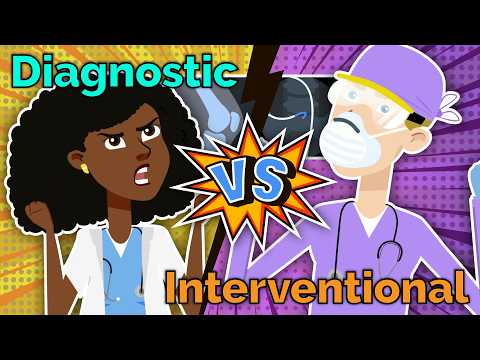
Career Battle 💥 Radiologist: Diagnostic vs Interventional
0
林宜悉 posted on 2025/10/08Ever wondered about the difference between Diagnostic and Interventional Radiology? This video dives deep into both career paths, comparing training, salary, and work-life balance to help you make an informed decision! You'll pick up tons of advanced vocabulary related to medical careers and workplace practicalities.
Learn this video on the APP!
The VoiceTube App has more in-depth practice for videos!