
account for
US /əˈkaʊnt fɔr/
UK /əˈkaunt fɔ:/
- Phrasal Verb
- To explain the cause or reason for something
- To form a particular amount or part of something.
- Verb (Transitive/Intransitive)
- To supply a reason or explanation for something.
- To form a particular amount or proportion of something.
A1Moreadministrative
US /ədˈmɪnɪstreɪtɪv/
UK /ədˈmɪnɪstrətɪv/
- Adjective
- Concerning managing an organization
- Relating to or characteristic of administration or those who administer.
B1TOEICMoreas soon as
US /æz sun æz/
UK /æz su:n æz/
- Phrase
- In a short time after (something happens)
- Without any delay; immediately
- Conjunction
- At the moment that, or immediately after.
A1Moreat times
US /æt taɪmz/
UK /æt taɪmz/
- Phrase
- Sometimes; occasionally.
A1Moreaverage
US /ˈævərɪdʒ, ˈævrɪdʒ/
UK /'ævərɪdʒ/
- Noun (Countable/Uncountable)
- Total of numbers divided by the number of items
- Transitive Verb
- To add numbers then divide by the number of items
A2TOEICMoreblame
US /blem/
UK /bleɪm/
- Transitive Verb
- To say someone is responsible for something bad
- Noun (Countable/Uncountable)
- Act of saying someone did something bad
A2TOEICMorebrand
US /brænd/
UK /brænd/
- Noun
- A mark burned on an animal to show who owns it
- Product made or designed by a named company
- Transitive Verb
- To burn a mark on an animal to show who owns it
- To describe someone as a liar, coward, etc.
A2TOEICMorebuy into
US /baɪ ˈɪntu/
UK /bai ˈɪntuː/
- Phrasal Verb
- To come to accept an idea or believe in it
- To buy a part of something e.g. a company's shares
A1Morecare of
US /kɛr ʌv/
UK /kɛə ɔv/
- Preposition
- Used in an address to indicate the person who will receive the mail for someone else.
A2Morechannel
US /ˈtʃænəl/
UK /'tʃænl/
- Noun (Countable/Uncountable)
- Long hole dug in the ground, e.g. to move water
- TV or radio station or its programs
- Transitive Verb
- To dig a long hole for carrying water
- To send (e.g. money) to a certain place or person
B1Morecheck out
US /tʃɛk aʊt/
UK /tʃek aut/
- Phrase
- Phrasal Verb
- To find out information about something
- To take books out of a library
A1Morechronic
US /ˈkrɑnɪk/
UK /'krɒnɪk/
- Adjective
- Always or often doing something, e.g. lying
- (Of disease) over a long time; serious
B1Morecompound
US /kɑmˈpaUnd/
UK /'kɒmpaʊnd/
- Noun (Countable/Uncountable)
- Series of buildings that are walled or fenced off
- Chemical made up of several others
- Transitive Verb
- To pay interest on a loan including the interest
- To make something from various parts or components
B1Morecontend with
US /kənˈtɛnd wɪð/
UK /kənˈtend wið/
- Phrasal Verb
- To struggle or deal with something difficult.
cut through
US /kʌt θru/
UK /kʌt θru:/
- Phrasal Verb
- To pass or go directly through something, often overcoming an obstacle.
- To overcome resistance or opposition effectively.
- Verb (Transitive/Intransitive)
- To make a path or opening by cutting.
- To deeply affect someone's emotions or defenses.
debt
US /dɛt/
UK /det/
- Noun (Countable/Uncountable)
- Sum of money owed to someone that is not yet paid
- A moral or social obligation.
A2TOEICMoredepend
US /dɪˈpend/
UK /dɪˈpend/
- Verb (Transitive/Intransitive)
- Be controlled or determined by (someone/something)
- To rely on someone or something for support, help, or existence.
B1TOEICMoredepending on
US
UK
- Phrasal Verb
- To rely on for support (financial or emotional)
- Influenced or determined by.
- Preposition
- Subject to; contingent on
- Relying on someone or something for support or assistance.
A2Moredisease
US /dɪˈziz/
UK /dɪˈzi:z/
- Noun (Countable/Uncountable)
- Illness that affects a person, animal, or plant
- A disorder of structure or function in a plant, especially one caused by a pathogen.
- Transitive Verb
- To affect with disease; to corrupt or sicken.
A2TOEICMoredownplay
US /ˈdaʊnˌple/
UK /ˌdaʊnˈpleɪ/
- Transitive Verb
- To suggest something is not a serious as thought
C2Moredue to
US /du tu/
UK /dju: tu:/
- Preposition
- Because of; owing to
- Adjective
- Attributable to; caused by.
A1Moreeat up
US /it ʌp/
UK /i:t ʌp/
- Phrasal Verb
- To eat all of something
- To use a large amount of something, especially money or time.
A1Moreeffectiveness
US /əˈfɛktɪvnɪs/
UK /ɪˌfek'tɪvnɪs/
- Uncountable Noun
- Degree of how well something works or is done
B2Moreemphasis
US /ˈɛmfəsɪs/
UK /ˈemfəsɪs/
- Uncountable Noun
- Special attention, importance, or force
- Stress placed on part of a word or phrase
A2TOEICMoreessentially
US /ɪˈsenʃəli/
UK /ɪˈsenʃəli/
- Adverb
- Basically; (said when stating the basic facts)
- Used to emphasize the basic truth or fact of a situation.
A2Morefinancial
US /faɪˈnænʃ(ə)l/
UK /faɪˈnænʃl/
- Adjective
- Involving money
- Relating to investments.
- Countable Noun
- A person who provides advice on financial matters.
A2TOEICMorefor example
US
UK
- Phrase
- As an illustration or instance.
for life
US /fɔr laɪf/
UK /fɔ: laif/
- Phrase
- For the duration of one's life; permanently.
- To support someone for the duration of their life.
- Adjective
- Being a member for the entirety of one's life.
A1Morefull picture
US
UK
- Noun
- A complete and comprehensive understanding of a situation or issue.
- A detailed and comprehensive view or representation of something.
going on
US /ˈɡoɪŋ ɑn/
UK /ˈgəʊɪŋ ɔn/
- Phrasal Verb
- To continue doing something
- To happen (usually negative)
A1Moregot to
US /ɡɑt tu/
UK /gɔt tu:/
- Verb (Transitive/Intransitive)
- To arrive at some place
- To have the opportunity or permission to do something
- Phrasal Verb
- To appeal to the emotions of; move
- To finally begin to start something after a delay
A1Morehealthcare
US /'helθker/
UK /'helθkeə/
- Uncountable Noun
- Nursing care to prevent illness or recover from it
B1Morein half
US /ɪn hæf/
UK /in hɑ:f/
- Adverb
- Divided into two equal parts.
- Partially; to some extent.
A1Morein hospital
US /ɪn ˈhɑspɪtl/
UK /ɪn ˈhɒspɪtl/
- other
- Admitted to a hospital for treatment.
A2Morein mind
US /ɪn maɪnd/
UK /in maind/
- Phrase
- Being aware of or considering something.
- To remember or consider something.
A2Morein the game
US /ɪn ðə ˈɡeɪm/
UK /in ðə ˈɡeɪm/
- other
- Still involved or active in a competition or situation.
B2Morein the here and now
US /ɪn ðə ˈhɪɚ ænd naʊ/
UK /in ðə ˈhɪə ənd naʊ/
- other
- Focusing on the present moment or current situation.
B2Morein the past
US
UK
- Phrase
- During a former period of time; previously.
A1Moreinstead of
US /ɪnˈstɛd ʌv/
UK /inˈsted ɔv/
- Preposition
- When one thing is replaced by another
- Adverb
- As a substitute or alternative.
A1Moreinsurance
US /ɪnˈʃʊrəns/
UK /ɪnˈʃʊərəns/
- Uncountable Noun
- Protection against loss/injury/death you pay for
A2TOEICMoreinvest
US /ɪnˈvɛst/
UK /ɪn'vest/
- Transitive Verb
- To use resources to build for the future
A2TOEICMoreleverage
US /ˈlɛvərɪdʒ, ˈlivə-/
UK /'li:vərɪdʒ/
- Noun (Countable/Uncountable)
- An advantage which gives you influence or power
- An advantage gained through the use of resources or a strategic position
- Transitive Verb
- To use an advantage which gives you influence
B2TOEICMorelook at
US /lʊk æt/
UK /luk æt/
- Phrasal Verb
- To use your eyes to focus on something
- To focus your eyes on something carefully
A1Morelump
US /lʌmp/
UK /lʌmp/
- Noun (Countable/Uncountable)
- Small swollen mass in body, e.g. showing disease
- A small hard part of something smooth
- Transitive Verb
- To combine things together in a group
- To group things together indiscriminately.
B1Moremake up
US /mek ʌp/
UK /meik ʌp/
- Phrasal Verb
- To invent or create a story
- To add up to
- Verb (Transitive/Intransitive)
- To invent a story, excuse, etc.
- To compensate for something lost, missed, or deficient.
A1Moremassive
US /ˈmæsɪv/
UK /ˈmæsɪv/
- Adjective
- Very big; large; too big
- Large or imposing in scale or scope.
B1Moremerit
US /ˈmɛrɪt/
UK /ˈmerɪt/
- Transitive Verb
- To earn something, such as praise or a reward
- To earn something, such as praise or a reward
- Noun (Countable/Uncountable)
- State of being high quality or valuable
- A good quality or feature that deserves praise
B1TOEICMoreof course
US /ʌv kɔː(r)s/
UK /ɔv kɔː(r)s/
- Adverb
- Sure ; Certainly
- Phrase
- For sure; certainly
A2Moreon average
US /ɑn ˈævərɪdʒ/
UK /ɔn ˈævəridʒ/
- Phrase
- Typically; usually; based on an average calculation.
B1Moreon the other hand
US
UK
- Phrase
- Considering a different aspect of the matter; alternatively.
A1Moreon the rise
US /ɑn ði raɪz/
UK /ɔn ðə raiz/
- Adjective
- Increasing; becoming more popular or common.
- Becoming more successful in a career or field.
- Phrase
- Increasing in popularity.
A1Moreon to
US /ɑn tu/
UK /ɔn tu:/
- Preposition
- Toward something; forward
- Aware of someone's activities.
- Adjective
- Aware of someone's deception or illegal activities.
A1Moreopportunity
US /ˌɑpɚˈtunɪti, -ˈtju-/
UK /ˌɒpə'tju:nətɪ/
- Noun (Countable/Uncountable)
- Time, situation when a thing might be done; chance
- A favorable time or occasion for doing something.
A2TOEICMoreover time
US /ˈovɚ taɪm/
UK /ˈəuvə taim/
- Phrase
- Gradually; as time passes.
- During a long period.
- Adverb
- Gradually; as time passes.
B1Morepatient
US /ˈpeʃənt/
UK /'peɪʃnt/
- Adjective
- Not getting annoyed when things take a long time
- Bearing or enduring pain or trials without complaint; exhibiting forbearance.
- Countable Noun
- Person who receives medical treatment or care
A2Morepharmaceutical
US /ˌfɑ:rməˈsu:tɪkl/
UK /ˌfɑ:məˈsu:tɪkl/
- Adjective
- Concerning the science of drugs and medicines
B2Morephysician
US /fɪˈzɪʃən/
UK /fɪˈzɪʃn/
- Countable Noun
- A medical doctor
B2Moreprescription
US /prɪˈskrɪpʃən/
UK /prɪˈskrɪpʃn/
- Noun
- Specific medicine officially ordered for a patient
- Set of appropriate guidelines for something
B2TOEICMorereimbursement
US /ˌriɪmˈbə:smənt/
UK /ˌri:ɪm'bɜ:smənt/
- Noun
- Money paid for damages, losses or money spent etc.
B2TOEICMoreresidency
US /ˈrɛzɪdənsi, -ˌdɛn-/
UK /ˈrezɪdənsi/
- Uncountable Noun
- Training for a junior doctor in hospital
- A period of time when an artist, writer, or musician lives and works in a particular place.
C2Morerevenue
US /ˈrevənju/
UK /'revənju:/
- Noun (Countable/Uncountable)
- Money that is made by or paid to a business
- Money a government collects from its people
A2TOEICMoreriddled
US /'rɪdld/
UK /'rɪdld/
- Adjective
- Infested with; full of (insects, mistakes etc.)
B1Moresignificant
US /sɪɡˈnɪfɪkənt/
UK /sɪgˈnɪfɪkənt/
- Adjective
- Large enough to be noticed or have an effect
- Having meaning; important; noticeable
A2TOEICMoresolution
US /səˈluʃən/
UK /səˈlu:ʃn/
- Noun (Countable/Uncountable)
- Mix of a liquid and a solid or a gas
- Way to solve or deal with a problem
A2Morespecialty
US /ˈspɛʃəlti/
UK /ˈspeʃəlti/
- Noun
- Skill or a dish that a person, business is good at
- The specific area of your field
- Adjective
- Having a particular role or function
B1TOEICMoresuch as
US /sʌtʃ æz/
UK /sʌtʃ æz/
- Preposition
- For example; like
A1Moreupwards of
US
UK
- Preposition
- More than; at least.
- Phrase
- Approximately; around.
A1Morewith it
US /wɪð ɪt/
UK /wið it/
- Adjective
- Intelligent, alert, and up-to-date.
- Understanding and knowledgeable about current trends or information.
A1More
Vocabulary
- in mind: Being aware of or considering something.
- look at: To use your eyes to focus on something
- make up: To invent or create a story
- account for: To explain the cause or reason for something
- full picture: A complete and comprehensive understanding of a situation or issue.
- such as: For example; like
- depending on: To rely on for support (financial or emotional)
- got to: To arrive at some place
- cut through: To pass or go directly through something, often overcoming an obstacle.
- in half: Divided into two equal parts.
- eat up: To eat all of something
- in hospital: Admitted to a hospital for treatment.
- in the past: During a former period of time; previously.
- buy into: To come to accept an idea or believe in it
- over time: Gradually; as time passes.
- in the here and now: Focusing on the present moment or current situation.
- contend with: To struggle or deal with something difficult.
- of course: Sure ; Certainly
- with it: Intelligent, alert, and up-to-date.
- upwards of: More than; at least.
- at times: Sometimes; occasionally.
- on average: Typically; usually; based on an average calculation.
- care of: Used in an address to indicate the person who will receive the mail for someone else.
- due to: Because of; owing to
- on the rise: Increasing; becoming more popular or common.
- check out
- going on: To continue doing something
- instead of: When one thing is replaced by another
- on the other hand : Considering a different aspect of the matter; alternatively.
- for life: For the duration of one's life; permanently.
- on to: Toward something; forward
- for example: As an illustration or instance.
- in the game: Still involved or active in a competition or situation.
- as soon as: In a short time after (something happens)
- chronic: Always or often doing something, e.g. lying
- essentially: Basically; (said when stating the basic facts)
- massive: Very big; large; too big
- significant: Large enough to be noticed or have an effect
- opportunity: Time, situation when a thing might be done; chance
- term: Conditions applying to an agreement, contract
- average: Total of numbers divided by the number of items
- revenue: Money that is made by or paid to a business
- disease: Illness that affects a person, animal, or plant
- amount: Quantity of something
- blame: To say someone is responsible for something bad
- increase: To make or become larger in size or amount
- compound: Series of buildings that are walled or fenced off
- brand: A mark burned on an animal to show who owns it
- industry: Hard work; being busy working
- financial: Involving money
- debt: Sum of money owed to someone that is not yet paid
- leverage: An advantage which gives you influence or power
- prescription: Specific medicine officially ordered for a patient
- plain: Obvious; clearly so, true
- account: An advantage
- compare: To consider how similar and different things are
- emphasis: Special attention, importance, or force
- insurance: Protection against loss/injury/death you pay for
- interest: Best or most advantageous thing for someone
- invest: To use resources to build for the future
- patient: Not getting annoyed when things take a long time
- mind: To be bothered or upset by something
- solution: Mix of a liquid and a solid or a gas
- leave: To go away from; depart
- company: Good feeling from being with someone else
- depend: Be controlled or determined by (someone/something)
- channel: Long hole dug in the ground, e.g. to move water
- single: One run in cricket or a hit baseball
- system: Set of organized, planned ideas that work together
- merit: To earn something, such as praise or a reward
- simple: Not hard to understand or do; not complex
- specialty: Skill or a dish that a person, business is good at
- drive: A person's ambition and motivation to do something
- physician: A medical doctor
- lump: Small swollen mass in body, e.g. showing disease
- pharmaceutical: Concerning the science of drugs and medicines
- administrative: Concerning managing an organization
- effectiveness: Degree of how well something works or is done
- riddled: Infested with; full of (insects, mistakes etc.)
- healthcare: Nursing care to prevent illness or recover from it
- downplay: To suggest something is not a serious as thought
- reimbursement: Money paid for damages, losses or money spent etc.
- residency: Training for a junior doctor in hospital
Get the full experience in the app
Learn anywhere with detailed sentence and usage analysis
01:03
She took a brave step forward, leaving behind her comfort zone to chase her dreams.
Vocabulary
- brave
adj. Having courage
- comfort zone
phr. A familiar situation where one feels safe
Explanation
a brave step is a noun phrase, where brave is an adjective modifying the noun step, meaning "a courageous step".
forward is an adverb modifying step, meaning "ahead".
The whole phrase serves as the object, answering the "what" of took (verb) — she took a brave step forward.
Get the full experience in the app
Look up words anytime with pronunciation, part of speech, and usage
brave
US/brev/
UK/breɪv/
adj.Brave
v.t.To bravely face
A2 Elementary
Get the full experience in the app
Practice speaking anytime and get instant pronunciation feedback
Try this speaking exercise.
Try practicing with this sentence.
80
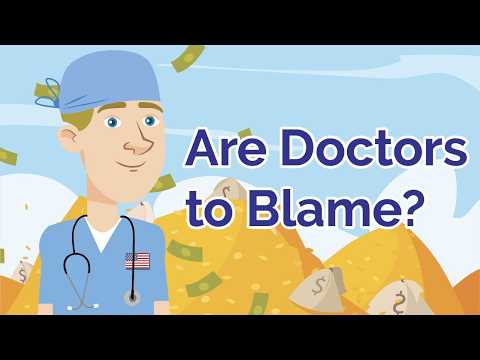
Are Doctors Overpaid? The Truth About Healthcare Costs💊
0
林宜悉 posted on 2025/10/08Ever wondered why healthcare costs so much? This video dives deep into the truth behind those expenses, looking at everything from drug prices to medical student debt! You'll pick up some fantastic advanced vocabulary related to economics and healthcare while getting a clearer picture of the system.
Learn this video on the APP!
The VoiceTube App has more in-depth practice for videos!