
abandon
US /əˈbændən/
UK /ə'bændən/
- Transitive Verb
- To discard or intentionally get rid of an item
- To withdraw your support, or leave someone
- Uncountable Noun
- Wild, carefree behavior
B1Moreat least
US /æt list/
UK /æt li:st/
- Adverb
- As a minimum
- Not less than
- Phrase
- No less than; at the minimum
- Used to indicate that something is positive in a bad situation.
C2Moreautomatically
US /ˌɔtəˈmætɪkl:ɪ/
UK /ˌɔ:tə'mætɪklɪ/
- Adverb
- In a way not requiring control by a person
B1Moreconsume
US /kənˈsum/
UK /kən'sju:m/
- Transitive Verb
- To eat, drink, buy or use up something
- To take all your energy; focus the attention
A2TOEICMorecouple
US /ˈkʌpəl/
UK /'kʌpl/
- Transitive Verb
- To join something to something else
- (Two animals) to engage in sexual relations
- Noun (Countable/Uncountable)
- Two people in a romantic relationship
- Two of something; two people; a pair
A2Morecultivate
US /ˈkʌltəˌvet/
UK /'kʌltɪveɪt/
- Transitive Verb
- To grow plants, crops etc.
- To cause to grow by education; to enlighten
B1Moredefault
US /dɪˈfɔlt/
UK /dɪ'fɔ:lt/
- Noun (Countable/Uncountable)
- Automatic setting when no indicated preference
- Failure to meet an agreement or make a payment
- Verb (Transitive/Intransitive)
- To fail to meet as agreed; failure to pay
- To return to a previously determined state
B2TOEICMoreeffort
US /ˈɛfət/
UK /ˈefət/
- Uncountable Noun
- Amount of work used trying to do something
- A conscious exertion of power; a try.
A2TOEICMoreembarrassed
US /ɪmˈbærəst/
UK /ɪmˈbærəst/
- Transitive Verb
- To cause someone to feel ashamed
- Feeling awkward, self-conscious, or ashamed.
- Adjective
- Ashamed
- Showing signs of embarrassment.
A2Moreemphasis
US /ˈɛmfəsɪs/
UK /ˈemfəsɪs/
- Uncountable Noun
- Special attention, importance, or force
- Stress placed on part of a word or phrase
A2TOEICMorefeel like
US
UK
- Intransitive Verb
- To have a desire or inclination for something.
- To have a particular quality or sensation; resemble.
A1Morefirmly
US /ˈfə:mlɪ/
UK /ˈfɜ:mli/
- Adverb
- In a hard, steady, unchanging way
B1Morefluently
US /ˈfluəntlɪ/
UK /'flu:əntlɪ/
- Adverb
- In an able and easy manner
- In a way that shows the ability to speak a language easily and well.
B1Morefor example
US
UK
- Phrase
- As an illustration or instance.
for that matter
US /fɔr ðæt ˈmætɚ/
UK /fɔ: ðæt ˈmætə/
- Phrase
- Used to emphasize that something is true or likely to happen, or to introduce a related point.
- Used to introduce a statement that supports or strengthens a previous statement.
A2Morefraud
US /frɔd/
UK /frɔ:d/
- Noun (Countable/Uncountable)
- Use of dishonest ways to take something valuable
- Person who pretends to be what he or she is not
B1TOEICMoregradually
US /ˈɡrædʒʊəlɪ/
UK /ˈgrædʒuəli/
- Adverb
- Occurring in a slow manner over a period of time
- Little by little; in a slow and progressive manner.
B1TOEICMoregrammar
US /ˈɡræmɚ/
UK /ˈgræmə(r)/
- Uncountable Noun
- Book describing the syntactic rules of a language
- Rules explaining how words are used in a language
B1Morehave to
US /hæv tu/
UK /ˈhæv tə/
- Auxiliary Verb
- Must do
A1Morehold your horses
US
UK
- Idiom
- To wait and be patient; to not be so fast or impulsive.
A1Morehomework
US /ˈhomˌwɚk/
UK /ˈhəumwə:k/
- Noun
- Work that a student is given to do at home
B2Morein mind
US /ɪn maɪnd/
UK /in maind/
- Phrase
- Being aware of or considering something.
- To remember or consider something.
A2Morein the past
US
UK
- Phrase
- During a former period of time; previously.
A1Moreinstead of
US /ɪnˈstɛd ʌv/
UK /inˈsted ɔv/
- Preposition
- When one thing is replaced by another
- Adverb
- As a substitute or alternative.
A1Moreinstrument
US /ˈɪnstrəmənt/
UK /'ɪnstrəmənt/
- Noun (Countable/Uncountable)
- Gauge for measuring something, e.g. temperature
- Legal document
A2TOEICMoreintuitive
US /ɪnˈtuɪtɪv, -ˈtju-/
UK /ɪnˈtju:ɪtɪv/
- Adjective
- Able to understand by feeling rather than fact
- Easy to use and understand.
B2Moremaintain
US /menˈten/
UK /meɪn'teɪn/
- Transitive Verb
- To keep saying something a certain way
- To keep (machine) working by checking, repairing
A2TOEICMorenasty
US /ˈnæsti/
UK /'nɑ:stɪ/
- Adjective
- Very bad, unpleasant, or offensive
- Unkind; unpleasant.
A2Moreof use
US /ʌv jus/
UK /əv ju:s/
- other
- Having practical value; useful or helpful.
B1Moreon a daily basis
US
UK
- Phrase
- Happening every day.
A1Moreoutside of
US /aʊtˈsaɪd ʌv/
UK /ˌautˈsaid ɔv/
- Preposition
- Located or situated beyond the boundaries or confines of something.
- Beyond the scope, range, or limits of something.
A1Morephoenix
US /ˈfinɪks/
UK /ˈfi:nɪks/
- Noun
- Mythical bird that was burned but rose from ashes
- A symbol of immortality or rebirth.
- Proper Noun
- A small constellation in the southern sky.
- The capital and largest city of the state of Arizona.
C1Morepolyglot
US /'pɑ:lɪɡlɑ:t/
UK /'pɒlɪɡlɒt/
- Countable Noun
- Person able to speak many languages
C2Morepronounce
US /prəˈnaʊns/
UK /prə'naʊns/
- Transitive Verb
- To state something in a legal or official way
- To give your opinion or decision about something
B1Morepronunciation
US /prəˌnʌnsiˈeʃən/
UK /prəˌnʌnsiˈeɪʃn/
- Noun (Countable/Uncountable)
- How a word is said; how a word sounds
- The manner in which someone utters a word.
B1Moreramble
US /ˈræmbəl/
UK /'ræmbl/
- Intransitive Verb
- To talk or write in an apparently purposeless way
- To take long walks in the countryside
B2Morereach
US /ritʃ/
UK /ri:tʃ/
- Verb (Transitive/Intransitive)
- To come to or arrive at a goal or destination
- To be long enough to get to a certain place
- Uncountable Noun
- Power or control someone has over something
A2TOEICMorereckon
US /ˈrɛkən/
UK /ˈrekən/
- Verb (Transitive/Intransitive)
- To believe or expect that something is true
A2Morerevisit
US /riˈvɪzɪt/
UK /ˌri:ˈvɪzɪt/
- Transitive Verb
- To talk or think about something again
- To visit some place or someone again
B1Moreright in front
US
UK
- Phrase
- Directly ahead; in a position immediately before someone or something.
- In a position where something is easily visible or obvious.
A2Moreshut off
US /ʃʌt ɔf/
UK /ʃʌt ɔf/
- Phrasal Verb
- To stop the movement of something, such as water
- To isolate oneself from others.
A2Moresneak
US /snik/
UK /sni:k/
- Verb (Transitive/Intransitive)
- To move around in a way so no one will see you
- To take something somewhere/give secretly
- Intransitive Verb
- To move around in such a way no one will see you
B2Morestructure
US /ˈstrʌk.tʃɚ/
UK /ˈstrʌk.tʃə/
- Noun (Countable/Uncountable)
- The way in which the parts of a system or object are arranged or organized, or a system arranged in this way
- A building or other man-made object.
- Transitive Verb
- To plan, organize, or arrange the parts of something
A2TOEICMorestutter
US /ˈstʌtɚ/
UK /'stʌtə(r)/
- Intransitive Verb
- To speak hesitatingly with repeated sounds
- Noun
- Speaking hesitatingly with repeated sounds
B2Moresuccessor
US /səkˈsɛsɚ/
UK /səkˈsesə(r)/
- Countable Noun
- Person who takes over the position of another
B2Moreswitch
US /swɪtʃ/
UK /swɪtʃ/
- Noun
- A change or shift from one method to another
- Thing you move to turn electrical items on or off
- Transitive Verb
- To exchange or replace something for another thing
A2TOEICMoretalking about
US
UK
- Phrasal Verb
- To discuss a particular topic.
- To be constantly mentioning or bringing up a subject.
A1Moretense
US /tɛns/
UK /tens/
- Noun
- The use of grammar to state the time things happen
- Adjective
- Unable to relax; feeling nervous or stressed
- Stretched tight and stiff
A2TOEICMoretheme
US /θim/
UK /θi:m/
- Noun (Countable/Uncountable)
- An main or dominant idea, motif
- Main idea of a work of art, writing, or music
A2Moretongue
US /tʌŋ/
UK /tʌŋ/
- Noun
- Long, thin part of (e.g. shoe under the laces)
- Meat from the mouth of an animal, cooked as food
- Transitive Verb
- To using your mouth to produce musical notes
- To use your mouth to touch something
A2Moreturn in
US /tɚn ɪn/
UK /tə:n in/
- Phrasal Verb
- To produce or achieve a good performance
- To go to bed
A1Moreunnatural
US /ʌnˈnætʃərəl/
UK /ʌnˈnætʃrəl/
- Adjective
- Not being what you would expect; not normal
- Being different from anything occurring in nature
B1Moreused to
US /juzd tu/
UK /ˈju:st tə/
- Adjective
- Did regularly before, but don't do now
- Auxiliary Verb
- Have done before, but do not do now
A1Moreweird
US /wɪrd/
UK /wɪəd/
- Adjective
- Odd or unusual; surprising; strange
- Eerily strange or disturbing.
B1More
Vocabulary
- for example: As an illustration or instance.
- feel like: To have a desire or inclination for something.
- used to: Did regularly before, but don't do now
- of use: Having practical value; useful or helpful.
- in the past: During a former period of time; previously.
- outside of: Located or situated beyond the boundaries or confines of something.
- on a daily basis: Happening every day.
- right in front: Directly ahead; in a position immediately before someone or something.
- talking about: To discuss a particular topic.
- for that matter: Used to emphasize that something is true or likely to happen, or to introduce a related point.
- shut off: To stop the movement of something, such as water
- in mind: Being aware of or considering something.
- have to: Must do
- at least: As a minimum
- hold your horses: To wait and be patient; to not be so fast or impulsive.
- instead of: When one thing is replaced by another
- turn in: To produce or achieve a good performance
- weird: Odd or unusual; surprising; strange
- pronunciation: How a word is said; how a word sounds
- nasty: Very bad, unpleasant, or offensive
- effort: Amount of work used trying to do something
- cultivate: To grow plants, crops etc.
- structure: The way in which the parts of a system or object are arranged or organized, or a system arranged in this way
- completely: In every way or as much as possible
- intuitive: Able to understand by feeling rather than fact
- consume: To eat, drink, buy or use up something
- default: Automatic setting when no indicated preference
- sneak: To move around in a way so no one will see you
- fraud: Use of dishonest ways to take something valuable
- pronounce: To state something in a legal or official way
- bit: Device put in a horse's mouth to control it
- instrument: Gauge for measuring something, e.g. temperature
- exist: To be present, alive or real
- tongue: Long, thin part of (e.g. shoe under the laces)
- automatically: In a way not requiring control by a person
- brain: To strike someone forcefully on the head
- gradually: Occurring in a slow manner over a period of time
- maintain: To keep saying something a certain way
- reach: To come to or arrive at a goal or destination
- tense: The use of grammar to state the time things happen
- grammar: Book describing the syntactic rules of a language
- form: Sports team or person's current winning record
- embarrassed: To cause someone to feel ashamed
- pretty: Being attractive to the eye in a simple way
- switch: A change or shift from one method to another
- couple: To join something to something else
- emphasis: Special attention, importance, or force
- reckon: To believe or expect that something is true
- theme: An main or dominant idea, motif
- abandon: To discard or intentionally get rid of an item
- strange: Unusual or odd; surprising because unexpected
- fluently: In an able and easy manner
- organize: To arrange and plan things, e.g. a party
- firmly: In a hard, steady, unchanging way
- haven: Place where people can feel safe and happy
- notice: To become aware by sight, touch, or hearing
- learn: To get knowledge or skills by study or experience
- language: Words or signs used to communicate messages
- wrong: Action that is harmful, unjust or illegal
- great: Very good; better than before
- verb: Word that expresses an action or state
- polyglot: Person able to speak many languages
- ramble: To talk or write in an apparently purposeless way
- stutter: To speak hesitatingly with repeated sounds
- revisit: To talk or think about something again
- successor: Person who takes over the position of another
- unnatural: Not being what you would expect; not normal
- phoenix: Mythical bird that was burned but rose from ashes
- homework: Work that a student is given to do at home
Get the full experience in the app
Learn anywhere with detailed sentence and usage analysis
01:03
She took a brave step forward, leaving behind her comfort zone to chase her dreams.
Vocabulary
- brave
adj. Having courage
- comfort zone
phr. A familiar situation where one feels safe
Explanation
a brave step is a noun phrase, where brave is an adjective modifying the noun step, meaning "a courageous step".
forward is an adverb modifying step, meaning "ahead".
The whole phrase serves as the object, answering the "what" of took (verb) — she took a brave step forward.
Get the full experience in the app
Look up words anytime with pronunciation, part of speech, and usage
brave
US/brev/
UK/breɪv/
adj.Brave
v.t.To bravely face
A2 Elementary
Get the full experience in the app
Practice speaking anytime and get instant pronunciation feedback
Try this speaking exercise.
Try practicing with this sentence.
80
0
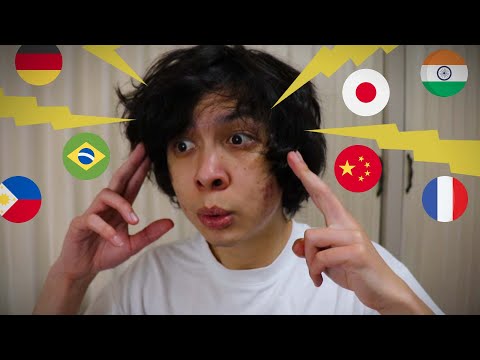
林宜悉 posted on 2025/10/02Ever wondered what happens in your brain when you learn multiple languages? This video dives into fascinating topics like code-switching and language attrition, offering a unique look at the cognitive benefits of being multilingual. You'll pick up advanced vocabulary and explore how languages interact, making it a fantastic watch for curious learners!
Learn this video on the APP!
The VoiceTube App has more in-depth practice for videos!