
above average
US /əˈbʌv ˈævərɪdʒ/
UK /əˈbʌv ˈævəridʒ/
- Phrase
- Adjective
- Better than average; exceeding the norm.
A2Moreaccess
US /ˈæksɛs/
UK /'ækses/
- Noun (Countable/Uncountable)
- Way to enter a place, e.g. a station or stadium
- The opportunity or right to use something or to see someone.
- Transitive Verb
- To be able to use or have permission to use
A2TOEICMoreadverse
US /ædˈvɚs, ˈædˌvɚs/
UK /ˈædvɜ:s/
- Adjective
- Negative or harmful
B1TOEICMoreapplication
US /ˌæplɪˈkeʃən/
UK /ˌæplɪˈkeɪʃn/
- Noun (Countable/Uncountable)
- Software program, e.g. for smart phone
- Process of spreading a substance over a surface
A2TOEICMoreaverage
US /ˈævərɪdʒ, ˈævrɪdʒ/
UK /'ævərɪdʒ/
- Noun (Countable/Uncountable)
- Total of numbers divided by the number of items
- Transitive Verb
- To add numbers then divide by the number of items
A2TOEICMorebenefit
US /ˈbɛnəfɪt/
UK /'benɪfɪt/
- Noun (Countable/Uncountable)
- Good result or effect, something advantageous
- A payment made by the state or an insurance policy to someone
- Verb (Transitive/Intransitive)
- To have a good effect or be helpful
- To receive an advantage; to be helped
A2TOEICMoreburnout
US /ˈbɜ:rnaʊt/
UK /ˈbɜ:naʊt/
- Uncountable Noun
- When you get exhausted from the effort of your job
- Noun
- Action of making the wheels of your car make smoke
C2Morecancer
US /ˈkænsɚ/
UK /'kænsə(r)/
- Noun
- Any growth caused by abnormal cell division
B1Morecap
US /kæp/
UK /kæp/
- Noun (Countable/Uncountable)
- Covering for the end or top of something
- Transitive Verb
- To cover the top or end of an object
- To limit the amount of usage of something
B1Morecap on
US /kæp ɑn/
UK /kæp ɒn/
- other
- An upper limit or restriction on something, such as spending or quantity.
C1Morechallenge
US /ˈtʃæləndʒ/
UK /'tʃælɪndʒ/
- Noun (Countable/Uncountable)
- An activity you wish to try that may be hard to do
- Act of formally inviting someone to compete
- Transitive Verb
- To formally invite someone to compete at something
- To question the correctness of something
A2Morecombination
US /ˌkɑmbəˈneʃən/
UK /ˌkɒmbɪ'neɪʃn/
- Noun
- Series of letters or numbers needed to open a lock
- Act or result of mixing things together
B1Morecomprehensive
US /ˌkɑ:mprɪˈhensɪv/
UK /ˌkɒmprɪˈhensɪv/
- Adjective
- Including most or all things
B1TOEICMoreconsists of
US
UK
- Phrasal Verb
- Is made up or composed of.
A1Moredaily reality
US
UK
- Uncountable Noun
- The experiences and conditions of everyday life.
B2Moredeliver
US /dɪˈlɪvɚ/
UK /dɪ'lɪvə(r)/
- Transitive Verb
- To give birth to a child; help a woman give birth
- To save someone from a problem or crisis
A2TOEICMoredensity
US /ˈdɛnsɪti/
UK /ˈdensəti/
- Noun (Countable/Uncountable)
- Degree to which an area is filled or covered
- The degree of compactness of a substance.
C1TOEICMoredental
US /ˈdɛntl/
UK /ˈdentl/
- Adjective
- Concerning the teeth
B1Morediabetes
US /ˌdaɪəˈbitɪs, -tiz/
UK /ˌdaɪəˈbi:ti:z/
- Noun (Countable/Uncountable)
- Illness where there is too much sugar in the blood
- A form of diabetes, usually diagnosed in children and young adults, in which the body does not produce insulin.
B2Moredisease
US /dɪˈziz/
UK /dɪˈzi:z/
- Noun (Countable/Uncountable)
- Illness that affects a person, animal, or plant
- A disorder of structure or function in a plant, especially one caused by a pathogen.
- Transitive Verb
- To affect with disease; to corrupt or sicken.
A2TOEICMoredive in
US
UK
- Phrasal Verb
- To start doing something with a lot of enthusiasm.
- Intransitive Verb
- To jump into water headfirst.
A1Moredue to
US /du tu/
UK /dju: tu:/
- Preposition
- Because of; owing to
- Adjective
- Attributable to; caused by.
A1Morefinancial
US /faɪˈnænʃ(ə)l/
UK /faɪˈnænʃl/
- Adjective
- Involving money
- Relating to investments.
- Countable Noun
- A person who provides advice on financial matters.
A2TOEICMorehealthcare
US /'helθker/
UK /'helθkeə/
- Uncountable Noun
- Nursing care to prevent illness or recover from it
B1Morein a state
US
UK
- Phrase
- In a particular condition or situation.
- In an emotional condition, often negative (e.g., panic, distress).
B2Morein terms of
US
UK
- Phrase
- With regard to; concerning a particular aspect.
A1Morein the west
US
UK
- Phrase
- Located in or towards the west.
- Located in the western part of a country or region.
A1Moreinsurance
US /ɪnˈʃʊrəns/
UK /ɪnˈʃʊərəns/
- Uncountable Noun
- Protection against loss/injury/death you pay for
A2TOEICMoreknow about
US /noʊ əˈbaʊt/
UK /nəʊ əˈbaut/
- Phrasal Verb
- To have information or understanding of a subject or situation.
maintain
US /menˈten/
UK /meɪn'teɪn/
- Transitive Verb
- To keep saying something a certain way
- To keep (machine) working by checking, repairing
A2TOEICMoremake up
US /mek ʌp/
UK /meik ʌp/
- Phrasal Verb
- To invent or create a story
- To add up to
- Verb (Transitive/Intransitive)
- To invent a story, excuse, etc.
- To compensate for something lost, missed, or deficient.
A1Moremid
US /mɪd/
UK /mɪd/
- Adjective
- At (or near) the middle point
B2Moreobesity
US /oˈbisɪti/
UK /əʊ'bi:sətɪ/
- Uncountable Noun
- State of being so fat it can harm your health
- The state of being far too heavy; corpulence.
B2Moreon paper
US /ɑn ˈpeɪpər/
UK /ɔn ˈpeipə/
- Phrase
- In theory or as a plan, but not necessarily in reality.
- Recorded in writing; documented.
A1Moreoutdoor
US /ˈaʊtˌdɔr, -ˌdor/
UK /ˈaʊtdɔ:(r)/
- Adjective
- Happening, used, or done outside a building
B1TOEICMoreover time
US /ˈovɚ taɪm/
UK /ˈəuvə taim/
- Phrase
- Gradually; as time passes.
- During a long period.
- Adverb
- Gradually; as time passes.
B1Moreovercome
US /ˌovɚˈkʌm/
UK /ˌəʊvə'kʌm/
- Transitive Verb
- To succeed in a struggle against; defeat
- Participle
- Past participle of overcome; to have successfully dealt with or controlled a problem or feeling.
A2TOEICMorephysician
US /fɪˈzɪʃən/
UK /fɪˈzɪʃn/
- Countable Noun
- A medical doctor
B2Morepopulation
US /ˌpɑpjəˈleʃən/
UK /ˌpɒpjuˈleɪʃn/
- Noun (Countable/Uncountable)
- Number of people who live in a country, area etc.
- A group of individuals of one species living in a particular area.
A2TOEICMorepractice
US /ˈpræktɪs/
UK /'præktɪs/
- Noun
- The office and place for legal or medical work
- Doing something many times to become better at it
- Verb (Transitive/Intransitive)
- To work as a doctor or lawyer
- To live according to the teachings of a religion
A2TOEICMoreprimary
US /ˈpraɪˌmɛri, -məri/
UK /'praɪmərɪ/
- Adjective
- Most important, most basic or essential
- Happening first; earliest
B2Morerank
US /ræŋk/
UK /ræŋk/
- Transitive Verb
- To rate or class things
- To assign a level or status, as of importance, to
- Noun
- Group of people with a certain level of status
- Level or position, as in society/sport competition
B1TOEICMorerecreation
US /ˌrɛkriˈeʃən/
UK /ˌrekriˈeɪʃn/
- Uncountable Noun
- Activities done for pleasure or to relax
B1Moreregion
US /ˈridʒən/
UK /'ri:dʒən/
- Noun (Countable/Uncountable)
- Part of a country, of the world, area, etc.
- A part of the body
A2TOEICMoreregional
US /ˈridʒənəl/
UK /ˈri:dʒənl/
- Adjective
- Of a particular area, not the whole of a country
- Characteristic of a particular region.
B1Moreresident
US /ˈrɛzɪdənt, -ˌdɛnt/
UK /ˈrezɪdənt/
- Noun (Countable/Uncountable)
- Trainee doctor who works/lives in a hospital
- A person who lives in a particular place.
- Adjective
- Someone who lives in a particular place
- (of a computer program) remaining in memory.
B1TOEICMorerespiratory
US /ˈrɛspərəˌtɔri, -ˌtori, rɪˈspaɪrə-/
UK /ˈrespərəˌtɔ:ri:, -ˌtəʊri:, rɪˈspaɪərə-/
- Adjective
- (Medical) concerning breathing
- Having the function of respiration.
- Noun
- The branch of medicine concerned with the organs of respiration.
- The system of organs involved in breathing.
C1Moreretention
US /rɪˈtɛnʃən/
UK /rɪˈtenʃn/
- Uncountable Noun
- Act of holding something inside the body
- Act of keeping or holding someone or something
B2Morerural
US /ˈrʊrəl/
UK /ˈruərəl/
- Adjective
- Concerning the country as opposed to the city
B1Moresignificant
US /sɪɡˈnɪfɪkənt/
UK /sɪgˈnɪfɪkənt/
- Adjective
- Large enough to be noticed or have an effect
- Having meaning; important; noticeable
A2TOEICMoresmoke
US /smoʊk/
UK /sməʊk/
- Intransitive Verb
- To give off a cloud of grey gas from burning
- Uncountable Noun
- Grey gas from fires and cigarettes
- Fog of air coming from e.g. a cigarette, fire
B1Morestay in
US /ste ɪn/
UK /stei in/
- Phrasal Verb
- To remain inside one's home.
- Intransitive Verb
- To remain as an inpatient in a hospital.
systemic
US /sɪˈstɛmɪk/
UK /sɪ'stemɪk/
- Adjective
- Affecting the entire body, system
- Relating to or affecting the entire body or a system.
B2Morethe leading cause
US
UK
- Phrase
- The most significant or primary reason for something.
A1Moreto let
US /tu lɛt/
UK /tu let/
- Preposition
- Indicates that a property is available for rent.
A2Moretrauma
US /ˈtraʊmə/
UK /'trɔ:mə/
- Noun (Countable/Uncountable)
- A very severe or upsetting experience
- Serious injury to part of the body
B2More
Vocabulary
- above average
- daily reality: The experiences and conditions of everyday life.
- in a state: In a particular condition or situation.
- dive in: To start doing something with a lot of enthusiasm.
- the leading cause: The most significant or primary reason for something.
- on paper: In theory or as a plan, but not necessarily in reality.
- consists of: Is made up or composed of.
- over time: Gradually; as time passes.
- in terms of
- stay in: To remain inside one's home.
- due to: Because of; owing to
- make up: To invent or create a story
- in the west: Located in or towards the west.
- cap on: An upper limit or restriction on something, such as spending or quantity.
- know about: To have information or understanding of a subject or situation.
- to let: Indicates that a property is available for rent.
- significant: Large enough to be noticed or have an effect
- access: Way to enter a place, e.g. a station or stadium
- diabetes: Illness where there is too much sugar in the blood
- practice: The office and place for legal or medical work
- trauma: A very severe or upsetting experience
- obesity: State of being so fat it can harm your health
- average: Total of numbers divided by the number of items
- respiratory: (Medical) concerning breathing
- combination: Series of letters or numbers needed to open a lock
- disease: Illness that affects a person, animal, or plant
- environment: Natural world in which plants and animals live
- overcome: To succeed in a struggle against; defeat
- financial: Involving money
- retention: Act of holding something inside the body
- maintain: To keep saying something a certain way
- state: Region within a country, with its own government
- region: Part of a country, of the world, area, etc.
- primary: Most important, most basic or essential
- population: Number of people who live in a country, area etc.
- benefit: Good result or effect, something advantageous
- challenge: An activity you wish to try that may be hard to do
- apply: To spread a substance or liquid over a surface
- deliver: To give birth to a child; help a woman give birth
- create: To make, cause, or bring into existence
- insurance: Protection against loss/injury/death you pay for
- comprehensive: Including most or all things
- application: Software program, e.g. for smart phone
- rural: Concerning the country as opposed to the city
- system: Set of organized, planned ideas that work together
- resident: Trainee doctor who works/lives in a hospital
- physician: A medical doctor
- density: Degree to which an area is filled or covered
- legal: Concerning the law; allowed by law
- make: To arrange or prepare something e.g. dinner
- recreation: Activities done for pleasure or to relax
- income: Earned money from work, investments or business
- nation: Area or region controlled by a government and army
- rank: To rate or class things
- burnout: When you get exhausted from the effort of your job
- train: Line of people, animals moving the same direction
- atlantic: Of the ocean between Africa and the Americas
- adverse: Negative or harmful
- picture: General situation or state of being
- heart: A feeling of care for others; compassion
- cancer: Any growth caused by abnormal cell division
- cap: Covering for the end or top of something
- regional: Of a particular area, not the whole of a country
- live: To be alive
- dental: Concerning the teeth
- strong: (Of tea or beer) dark or thick
- healthcare: Nursing care to prevent illness or recover from it
- mid: At (or near) the middle point
- smoke: To give off a cloud of grey gas from burning
- systemic: Affecting the entire body, system
- outdoor: Happening, used, or done outside a building
Get the full experience in the app
Learn anywhere with detailed sentence and usage analysis
01:03
She took a brave step forward, leaving behind her comfort zone to chase her dreams.
Vocabulary
- brave
adj. Having courage
- comfort zone
phr. A familiar situation where one feels safe
Explanation
a brave step is a noun phrase, where brave is an adjective modifying the noun step, meaning "a courageous step".
forward is an adverb modifying step, meaning "ahead".
The whole phrase serves as the object, answering the "what" of took (verb) — she took a brave step forward.
Get the full experience in the app
Look up words anytime with pronunciation, part of speech, and usage
brave
US/brev/
UK/breɪv/
adj.Brave
v.t.To bravely face
A2 Elementary
Get the full experience in the app
Practice speaking anytime and get instant pronunciation feedback
Try this speaking exercise.
Try practicing with this sentence.
80
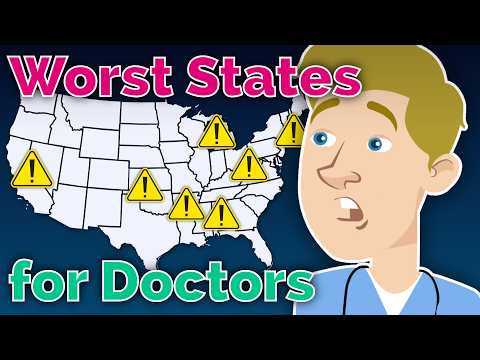
Best & Worst States for Doctors📍 (Where YOU Should Practice)
0
林宜悉 posted on 2025/09/29Ever wondered where doctors earn the most and face the least burnout? This video dives into the Medscape report to reveal the best and worst states for physicians, packed with practical vocabulary for understanding physician compensation and practice guides. You'll get a data-driven look at what really matters when choosing where to practice medicine!
Learn this video on the APP!
The VoiceTube App has more in-depth practice for videos!