
academic
US /ˌækəˈdɛmɪk/
UK /ˌækə'demɪk/
- Adjective
- Concerning education, schools, universities, etc.
- Concerning education, schools, universities, etc.
- Noun (Countable/Uncountable)
- Educator teaching at a college or university
- A subject taught at schools and universities.
B1Moreadministrative
US /ədˈmɪnɪstreɪtɪv/
UK /ədˈmɪnɪstrətɪv/
- Adjective
- Concerning managing an organization
- Relating to or characteristic of administration or those who administer.
B1TOEICMoreassociation
US /əˌsoʊʃi'eɪʃn/
UK /əˌsəʊʃɪ'eɪʃn/
- Noun
- Organization of people with the same interest
B1TOEICMoreauthority
US /əˈθɔrɪti, əˈθɑr-, ɔˈθɔr-, ɔˈθɑr-/
UK /ɔ:ˈθɒrəti/
- Noun (Countable/Uncountable)
- The power to give orders to people
- Person who is an expert on a particular topic
A2TOEICMoreautonomy
US /ɔˈtɑnəmi/
UK /ɔ:'tɒnəmɪ/
- Uncountable Noun
- The power to make independent decisions
B1Moreaverage
US /ˈævərɪdʒ, ˈævrɪdʒ/
UK /'ævərɪdʒ/
- Noun (Countable/Uncountable)
- Total of numbers divided by the number of items
- Transitive Verb
- To add numbers then divide by the number of items
A2TOEICMorebreak down
US /brek daʊn/
UK /breik daun/
- Phrasal Verb
- To forcibly break, destroy or make collapse
- (Machine) to stop working or become weaker
A1Moreburnout
US /ˈbɜ:rnaʊt/
UK /ˈbɜ:naʊt/
- Uncountable Noun
- When you get exhausted from the effort of your job
- Noun
- Action of making the wheels of your car make smoke
C2Morecareer
US /kəˈrɪr/
UK /kə'rɪə(r)/
- Noun (Countable/Uncountable)
- Particular occupation in professional life
- The course of a person's life, especially in a particular pursuit or profession.
- Verb (Transitive/Intransitive)
- To move forward very fast and without control
- To advance or make progress rapidly
A2Morecarve out
US /kɑrv aʊt/
UK /kɑ:v aut/
- Phrasal Verb
- To create or obtain something through effort or skill.
- To separate or isolate something from a larger whole.
C2Moreclinical
US /ˈklɪnɪkəl/
UK /ˈklɪnɪkl/
- Adjective
- Concerning the treatment or observing patients
- Using scientific techniques and precision
B1Morecomplex
US /kəmˈplɛks, ˈkɑmˌplɛks/
UK /'kɒmpleks/
- Countable Noun
- Group of buildings all used for the same purpose
- Adjective
- Not being simple; having many parts or aspects
A2Moredepend
US /dɪˈpend/
UK /dɪˈpend/
- Verb (Transitive/Intransitive)
- Be controlled or determined by (someone/something)
- To rely on someone or something for support, help, or existence.
B1TOEICMoredepending on
US
UK
- Phrasal Verb
- To rely on for support (financial or emotional)
- Influenced or determined by.
- Preposition
- Subject to; contingent on
- Relying on someone or something for support or assistance.
A2Morediagnosis
US /ˌdaɪəgˈnoʊsɪs/
UK /ˌdaɪəgˈnəʊsɪs/
- Noun (plural)
- Judgments by a doctor about a person's illness
- Noun
- The identification of a disease or condition.
B1Moredue to
US /du tu/
UK /dju: tu:/
- Preposition
- Because of; owing to
- Adjective
- Attributable to; caused by.
A1Moreemphasize
US /ˈɛmfəˌsaɪz/
UK /'emfəsaɪz/
- Transitive Verb
- To stress the items that are important
B2TOEICMoreflexibility
US
UK
- Uncountable Noun
- The quality of being able to be bent or stretched
B1TOEICMorefor example
US
UK
- Phrase
- As an illustration or instance.
forensic
US /fəˈrɛnsɪk,-zɪk/
UK /fəˈrensɪk/
- Adjective
- Establishing facts or evidence in investigations
B2Morefragment
US /ˈfræɡmənt/
UK /'fræɡmənt/
- Countable Noun
- Part that is broken off of something
- Intransitive Verb
- To be broken into pieces
- (Of computer file) to be broken into pieces
B1Morein debt
US /ɪn dɛt/
UK /in det/
- Phrase
- State of owing money to a person or institution
- Adjective
- Owing money.
A2Morein exchange for
US /ɪn ɪksˈtʃendʒ fɔr/
UK /in iksˈtʃeindʒ fɔ:/
- Phrase
- Given or done as an equivalent or substitute for.
B1Morein general
US /ɪn ˈdʒɛnərəl/
UK /in ˈdʒenərəl/
- Phrase
- Typically; usually; on the whole.
- Not specific or detailed; broadly.
- Adjective
- Not detailed or specific; overall.
C2Morein hospital
US /ɪn ˈhɑspɪtl/
UK /ɪn ˈhɒspɪtl/
- other
- Admitted to a hospital for treatment.
A2Morein mind
US /ɪn maɪnd/
UK /in maind/
- Phrase
- Being aware of or considering something.
- To remember or consider something.
A2Morein private
US /ɪn ˈpraɪvɪt/
UK /in ˈpraivit/
- Phrase
- Not in public; in a place where other people cannot see or hear you
- In a confidential manner; not intended for general knowledge
B1Morein the field
US
UK
- Phrase
- Working or doing research in a real-world environment, not in a classroom or laboratory.
- Located on the playing area of a sports ground.
A1Moreintense
US /ɪnˈtɛns/
UK /ɪn'tens/
- Adjective
- Very strong, great or extreme in degree
- Experiencing or showing great force or strength; extreme.
A2TOEICMorelicense
US /ˈlaɪsəns/
UK /ˈlaɪsns/
- Transitive Verb
- To give official permission to do something
- Uncountable Noun
- Freedom to do what you want or act as you want
B1TOEICMorelucrative
US /ˈlukrətɪv/
UK /ˈlu:krətɪv/
- Adjective
- Producing a lot of money
B1TOEICMoremedication
US /ˌmɛdɪˈkeʃən/
UK /ˌmedɪˈkeɪʃn/
- Noun (Countable/Uncountable)
- Substance to relieve pain or cure sickness
B2Moremental
US /ˈmɛntl/
UK /ˈmentl/
- Adjective
- Concerning the mind
A2TOEICMoreon average
US /ɑn ˈævərɪdʒ/
UK /ɔn ˈævəridʒ/
- Phrase
- Typically; usually; based on an average calculation.
B1Moreon site
US /ɑn saɪt/
UK /ɔn sait/
- Adverb
- At the location of a particular activity or project.
- Present at a specific location for a particular purpose.
A1Moreon the other hand
US
UK
- Phrase
- Considering a different aspect of the matter; alternatively.
A1Morepath
US /pæθ, pɑθ/
UK /pɑ:θ/
- Noun
- Method of living leading to a particular result
- Track made with stones, by walking over the ground
A2TOEICMorephd
US
UK
- Noun
- Advanced university degree; Doctor of Philosophy
C2Morepractice
US /ˈpræktɪs/
UK /'præktɪs/
- Noun
- The office and place for legal or medical work
- Doing something many times to become better at it
- Verb (Transitive/Intransitive)
- To work as a doctor or lawyer
- To live according to the teachings of a religion
A2TOEICMoreprescribe
US /prɪˈskraɪb/
UK /prɪ'skraɪb/
- Transitive Verb
- (Of doctors) to say what medicine should be taken
- To set down rules or guidelines
B2Moreprone
US /proʊn/
UK /prəʊn/
- Adjective
- Lying flat with your head facing the ground
- Likely to have, do or be (usually something bad)
B2TOEICMorepsychiatric
US
UK
- Adjective
- Concerning the treatment of the mind
B2Morepsychiatrist
US /saɪ'kaɪətrɪst/
UK /saɪˈkaɪətrɪst/
- Countable Noun
- Doctor who treats psychological disorders
- Doctor who treats psychological disorders
B2Morepsychiatry
US /sɪˈkaɪətri, saɪ-/
UK /saɪˈkaɪətri/
- Uncountable Noun
- Study and treatment of mental illness
B2Morepsychological
US /ˌsaɪkəˈlɑdʒɪkəl/
UK /ˌsaɪkəˈlɒdʒɪkl/
- Adjective
- Concerning the study of the mind
- Relating to or involving the use of propaganda, threats, or other psychological techniques to subdue an opponent.
A2Morepsychologist
US /saɪˈkɑlədʒɪst/
UK /saɪˈkɒlədʒɪst/
- Noun (Countable/Uncountable)
- An expert who studies the mind and behavior
- A therapist specializing in mental health.
C2Morepsychology
US /saɪˈkɑlədʒi/
UK /saɪ'kɒlədʒɪ/
- Uncountable Noun
- The study of the mind and how it affects behavior
- Way in which a person or group thinks and behaves
C2Morepsychotherapy
US /ˌsaɪkoʊˈθerəpi/
UK /ˌsaɪkəʊˈθerəpi/
- Uncountable Noun
- Therapy for the mind
C1Morerather than
US
UK
- Adverb
- More exactly; more correctly
- Preferably; instead
- Preposition
- Instead of
A1Morereimbursement
US /ˌriɪmˈbə:smənt/
UK /ˌri:ɪm'bɜ:smənt/
- Noun
- Money paid for damages, losses or money spent etc.
B2TOEICMoreremain
US /rɪˈmen/
UK /rɪˈmeɪn/
- Intransitive Verb
- To be left behind; to continue to exist
- To stay in a place when other people have gone
A2TOEICMorerequire
US /rɪˈkwaɪr/
UK /rɪ'kwaɪə(r)/
- Transitive Verb
- To demand that someone does something
- To need to do something, to make it necessary
A2TOEICMoreresearch
US /rɪˈsɚtʃ, ˈriˌsɚtʃ/
UK /rɪ'sɜ:tʃ/
- Verb (Transitive/Intransitive)
- To study in order to discover new ideas and facts
- To study the market relating to marketing products and services.
- Noun (Countable/Uncountable)
- Study done to discover new ideas and facts
- A particular area or topic of study.
A2TOEICMoreresidency
US /ˈrɛzɪdənsi, -ˌdɛn-/
UK /ˈrezɪdənsi/
- Uncountable Noun
- Training for a junior doctor in hospital
- A period of time when an artist, writer, or musician lives and works in a particular place.
C2Morerigorous
US /ˈrɪɡərəs/
UK /ˈrɪgərəs/
- Adjective
- Very strict and often difficult; thorough
- Thorough; meticulous; exhaustive.
B1TOEICMorerule in
US
UK
- Phrasal Verb
- To make an official decision in favor of someone in a legal case.
B1Morerule out
US /rul aʊt/
UK /ru:l aut/
- Phrasal Verb
- To eliminate as a possibility; exclude.
A1Moresignificantly
US /sɪɡˈnɪfəkəntlɪ/
UK /sɪgˈnɪfɪkəntli/
- Adverb
- In a way that is important or noticeable
- In a way that is meaningful
A2Morespecialty
US /ˈspɛʃəlti/
UK /ˈspeʃəlti/
- Noun
- Skill or a dish that a person, business is good at
- The specific area of your field
- Adjective
- Having a particular role or function
B1TOEICMoresuch as
US /sʌtʃ æz/
UK /sʌtʃ æz/
- Preposition
- For example; like
A1Morethe bottom line
US /ði ˈbɑtəm laɪn/
UK /ðə ˈbɔtəm lain/
- Noun
- The most important thing; the essential point.
- The net income or profit of a company.
A2Moretheory
US /ˈθiəri, ˈθɪri/
UK /ˈθiəri/
- Noun (Countable/Uncountable)
- Ideas or principles that explain facts or events
- An idea or belief about something
A2TOEICMoretherapy
US /ˈθɛrəpi/
UK /'θerəpɪ/
- Noun (Countable/Uncountable)
- Treatment to help cure an illness
- Psychological counseling to help resolve personal or emotional problems.
B2Moreto the point
US /tu ði pɔɪnt/
UK /tu: ðə pɔint/
- Adjective
- Expressing something directly and without unnecessary detail.
- Phrase
- Relevant and pertinent to the matter at hand.
A2Moretolerate
US /ˈtɑ:ləreɪt/
UK /ˈtɒləreɪt/
- Transitive Verb
- To be able to adjust to changes of various kinds
- To be able to survive under specific conditions
B1Moretypical
US /ˈtɪpɪkəl/
UK /ˈtɪpɪkl/
- Adjective
- Normal; usual; expected
- Serving as a representative example of a particular type.
A2Moretypically
US /ˈtɪpɪklɪ/
UK /ˈtɪpɪkli/
- Adverb
- In a normal or usual way
B1Moreundergraduate
US /ˌʌndərˈgrædʒuət/
UK /ˌʌndəˈgrædʒuət/
- Countable Noun
- A college student studying for their first degree
B2Morewith it
US /wɪð ɪt/
UK /wið it/
- Adjective
- Intelligent, alert, and up-to-date.
- Understanding and knowledgeable about current trends or information.
A1More
Vocabulary
- due to: Because of; owing to
- for example: As an illustration or instance.
- depending on: To rely on for support (financial or emotional)
- on average: Typically; usually; based on an average calculation.
- in general: Typically; usually; on the whole.
- in private: Not in public; in a place where other people cannot see or hear you
- break down: To forcibly break, destroy or make collapse
- to the point: Expressing something directly and without unnecessary detail.
- rule out: To eliminate as a possibility; exclude.
- rule in: To make an official decision in favor of someone in a legal case.
- on the other hand : Considering a different aspect of the matter; alternatively.
- in hospital: Admitted to a hospital for treatment.
- rather than: More exactly; more correctly
- in exchange for: Given or done as an equivalent or substitute for.
- in mind: Being aware of or considering something.
- in debt: State of owing money to a person or institution
- on site: At the location of a particular activity or project.
- such as: For example; like
- with it: Intelligent, alert, and up-to-date.
- in the field: Working or doing research in a real-world environment, not in a classroom or laboratory.
- carve out: To create or obtain something through effort or skill.
- the bottom line: The most important thing; the essential point.
- intense: Very strong, great or extreme in degree
- mental: Concerning the mind
- practice: The office and place for legal or medical work
- average: Total of numbers divided by the number of items
- prone: Lying flat with your head facing the ground
- typically: In a normal or usual way
- therapy: Treatment to help cure an illness
- psychological: Concerning the study of the mind
- general: Widespread, normal or usual
- consider: To think carefully about something
- career: Particular occupation in professional life
- complex: Group of buildings all used for the same purpose
- psychology: The study of the mind and how it affects behavior
- academic: Concerning education, schools, universities, etc.
- research: To study in order to discover new ideas and facts
- significantly: In a way that is important or noticeable
- psychologist: An expert who studies the mind and behavior
- field: Area of study, such as physics or biology
- autonomy: The power to make independent decisions
- theory: Ideas or principles that explain facts or events
- tolerate: To be able to adjust to changes of various kinds
- authority: The power to give orders to people
- state: Region within a country, with its own government
- remain: To be left behind; to continue to exist
- path: Method of living leading to a particular result
- association: Organization of people with the same interest
- lucrative: Producing a lot of money
- emphasize: To stress the items that are important
- private: Being away from others and quiet
- require: To demand that someone does something
- typical: Normal; usual; expected
- rigorous: Very strict and often difficult; thorough
- compare: To consider how similar and different things are
- complete: To finish or reach the end of doing something
- board: Surface for posting or showing information
- due: When something is required or expected
- clinical: Concerning the treatment or observing patients
- mind: To be bothered or upset by something
- social: Involving activity with people, e.g. in free time
- depend: Be controlled or determined by (someone/something)
- offer: Price you say you are willing to pay for something
- manage: To survive hardships and difficulties; to cope
- diagnosis: Judgments by a doctor about a person's illness
- system: Set of organized, planned ideas that work together
- psychiatric: Concerning the treatment of the mind
- public: Owned by the government
- specialty: Skill or a dish that a person, business is good at
- fragment: Part that is broken off of something
- prescribe: (Of doctors) to say what medicine should be taken
- medication: Substance to relieve pain or cure sickness
- forensic: Establishing facts or evidence in investigations
- license: To give official permission to do something
- flexibility: The quality of being able to be bent or stretched
- administrative: Concerning managing an organization
- psychiatrist: Doctor who treats psychological disorders
- burnout: When you get exhausted from the effort of your job
- psychotherapy: Therapy for the mind
- reimbursement: Money paid for damages, losses or money spent etc.
- residency: Training for a junior doctor in hospital
- undergraduate: A college student studying for their first degree
- psychiatry: Study and treatment of mental illness
- phd: Advanced university degree; Doctor of Philosophy
Get the full experience in the app
Learn anywhere with detailed sentence and usage analysis
01:03
She took a brave step forward, leaving behind her comfort zone to chase her dreams.
Vocabulary
- brave
adj. Having courage
- comfort zone
phr. A familiar situation where one feels safe
Explanation
a brave step is a noun phrase, where brave is an adjective modifying the noun step, meaning "a courageous step".
forward is an adverb modifying step, meaning "ahead".
The whole phrase serves as the object, answering the "what" of took (verb) — she took a brave step forward.
Get the full experience in the app
Look up words anytime with pronunciation, part of speech, and usage
brave
US/brev/
UK/breɪv/
adj.Brave
v.t.To bravely face
A2 Elementary
Get the full experience in the app
Practice speaking anytime and get instant pronunciation feedback
Try this speaking exercise.
Try practicing with this sentence.
80
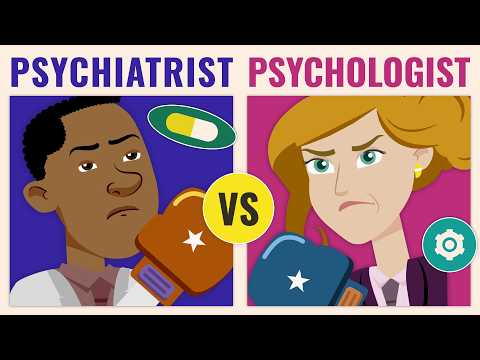
Psychiatrist vs Psychologist 💥 Career Battle (Which Should You Choose)
0
林宜悉 posted on 2025/09/27Ever wondered about the difference between a psychiatrist and a psychologist, and which career path is right for you? This video dives deep into the training timelines, prescriptive authority, and pros and cons of each, making it a fantastic resource for picking up advanced vocabulary related to mental health careers!
Learn this video on the APP!
The VoiceTube App has more in-depth practice for videos!