
at least
US /æt list/
UK /æt li:st/
- Adverb
- As a minimum
- Not less than
- Phrase
- No less than; at the minimum
- Used to indicate that something is positive in a bad situation.
C2Moreat that time
US /æt ðæt taɪm/
UK /æt ðæt taim/
- Phrase
- During a specific point in the past.
A1Moreat the end of the day
US
UK
- Phrase
- Ultimately; when everything else is considered.
- After a day's work or activities.
A1Moreat the same time
US
UK
- Phrase
- Simultaneously; at the identical moment.
- Nevertheless; however; used to introduce a contrasting or qualifying statement.
A1Moreaverage
US /ˈævərɪdʒ, ˈævrɪdʒ/
UK /'ævərɪdʒ/
- Noun (Countable/Uncountable)
- Total of numbers divided by the number of items
- Transitive Verb
- To add numbers then divide by the number of items
A2TOEICMorebased on
US
UK
- Phrasal Verb
- To use something as the foundation or starting point for something else.
- Preposition
- Using something as the main idea or foundation.
- Relying on something as evidence or justification.
A1Moreboost
US /bust/
UK /bu:st/
- Transitive Verb
- To increase something; to make something better
- To push someone or something up from beneath them
- Noun (Countable/Uncountable)
- An increase in something
B1TOEICMorebring down
US /brɪŋ daʊn/
UK /briŋ daun/
- Phrasal Verb
- To destroy (government, etc.) forcefully
- To kill someone, often with a gun
A1Morecentral
US /ˈsɛntrəl/
UK /'sentrəl/
- Adjective
- Being in the middle
- Most significant or important
- Noun
- The central part of a country or region.
A2Morecheck out
US /tʃɛk aʊt/
UK /tʃek aut/
- Phrase
- Phrasal Verb
- To find out information about something
- To take books out of a library
A1Morecome up with
US /kʌm ʌp wɪð/
UK /kʌm ʌp wið/
- Phrasal Verb
- To think of an idea or solution; produce
A1Moreconsumer
US /kənˈsumɚ/
UK /kənˈsju:mə(r)/
- Countable Noun
- Person who buys goods or services
- An economic agent who uses goods and services.
- Adjective
- Relating to people who buy goods and services.
A2Morecrisis
US /ˈkraɪsɪs/
UK /'kraɪsɪs/
- Noun (Countable/Uncountable)
- Unstable situation of extreme danger or difficulty
- A turning point in a disease.
B1Morecrush
US /krʌʃ/
UK /krʌʃ/
- Noun
- Strong attraction to someone
- Transitive Verb
- To break something into small pieces by pressing
- To defeat someone or something (in a game)
B1TOEICMoredeflation
US /dɪˈfleʃən/
UK /ˌdi:ˈfleɪʃn/
- Noun (Countable/Uncountable)
- When prices of good/service fall instead of rising
- A decrease in the general price level of goods and services in an economy.
B2Moredepression
US /dɪˈprɛʃən/
UK /dɪ'preʃn/
- Noun (Countable/Uncountable)
- Medical condition of a lack of vitality
- Period of unemployment and low economic activity
B2Moredramatically
US /drəˈmætɪkl:ɪ/
UK /drə'mætɪklɪ/
- Adverb
- In a sudden or extreme manner
- In a theatrical or exaggerated manner.
B1Moreeconomic
US /ˌɛkəˈnɑmɪk, ˌikə-/
UK /ˌi:kəˈnɒmɪk/
- Adjective
- Concerning trade, industry, and money
- Financially worthwhile; profitable.
- Noun
- A system relating to economics
- A factor relating to economics
A2Moreenergy
US /ˈɛnədʒi/
UK /'enədʒɪ/
- Noun (Countable/Uncountable)
- Physical or mental strength
- Enthusiasm and determination.
A2Moreentire
US /ɛnˈtaɪr/
UK /ɪn'taɪə(r)/
- Adjective
- Complete or full; with no part left out; whole
- Undivided; not shared or distributed.
A2TOEICMoreequation
US /ɪˈkweʒən, -ʃən/
UK /ɪˈkweɪʒn/
- Noun (Countable/Uncountable)
- Mathematical statement showing things to be equal
- Complex set of different facts, ideas or issues
B1Morefederal
US /ˈfɛdərəl, ˈfɛdrəl/
UK /'fedərəl/
- Adjective
- Consisting of several united states
- Relating to a system of government in which power is divided between a central authority and constituent political units.
- Proper Noun
- The central banking system of the United States.
B1Morefeel like
US
UK
- Intransitive Verb
- To have a desire or inclination for something.
- To have a particular quality or sensation; resemble.
A1Morefor example
US
UK
- Phrase
- As an illustration or instance.
get out of
US /ɡɛt aʊt ʌv/
UK /ɡet aut ɔv/
- Phrasal Verb
- To leave or escape responsibilities, troubles
- To leave a small, enclosed vehicle
A1Morego back to
US /ɡo bæk tu/
UK /ɡəu bæk tu:/
- Phrasal Verb
- To return to a starting point
A1Moregoing on
US /ˈɡoɪŋ ɑn/
UK /ˈgəʊɪŋ ɔn/
- Phrasal Verb
- To continue doing something
- To happen (usually negative)
A1Morehave to
US /hæv tu/
UK /ˈhæv tə/
- Auxiliary Verb
- Must do
A1Morehuge
US /hjudʒ/
UK /hju:dʒ/
- Adjective
- Very very large
A2Morein fact
US /ɪn fækt/
UK /in fækt/
- Adverb
- Used to emphasize the truth of a statement, especially one that contrasts with or contradicts something else.
- Used to introduce a more detailed or surprising piece of information.
- Phrase
- Used to emphasize the truth of a statement, especially one that is surprising or contrary to what might be expected.
C1Morein places
US
UK
- Phrase
- In some locations but not others
A1Morein the first place
US
UK
- Phrase
- To begin with; as the first point or consideration.
- From the beginning; initially.
A1Morein the streets
US /ɪn ðə strits/
UK /ɪn ðə stri:ts/
- other
- Located or happening outdoors in public roads or areas.
A2Morein the world
US /ɪn ði wɜrld/
UK /in ðə wɜː(r)ld/
- Phrase
- Used to emphasize a question expressing surprise, confusion, disbelief
- Used to indicate the extent or degree of something, often in a superlative sense
A1Moreinflate
US /ɪnˈflet/
UK /ɪnˈfleɪt/
- Verb (Transitive/Intransitive)
- To fill/be filled with air and make/become bigger
- To make a thing seem bigger/greater than it is
- Transitive Verb
- To make a thing seem bigger/greater than it is
B1Moreinflation
US /ɪnˈfleʃən/
UK /ɪn'fleɪʃn/
- Noun (Countable/Uncountable)
- Act of filling something with air or gas
- Continual rise in the prices of products
B1TOEICMoreinstead of
US /ɪnˈstɛd ʌv/
UK /inˈsted ɔv/
- Preposition
- When one thing is replaced by another
- Adverb
- As a substitute or alternative.
A1Moreintervene
US /ˌɪntərˈvi:n/
UK /ˌɪntəˈvi:n/
- Intransitive Verb
- To get involved to try to prevent trouble
- To interrupt a situation, argument, etc.
B1Moreinvest
US /ɪnˈvɛst/
UK /ɪn'vest/
- Transitive Verb
- To use resources to build for the future
A2TOEICMorelose money
US /luz ˈmʌni/
UK /lu:z ˈmʌni/
- Intransitive Verb
- To suffer a financial loss; to not make a profit.
A1Moremajority
US /məˈdʒɔrɪti, -ˈdʒɑr-/
UK /mə'dʒɒrətɪ/
- Noun (Countable/Uncountable)
- Amount that is more than half of a group
- The age at which a person is legally considered an adult.
B1TOEICMoremanipulate
US /məˈnɪpjəˌlet/
UK /mə'nɪpjʊleɪt/
- Transitive Verb
- To try to control others to gain an advantage
- To handle or work in a skillful manner
B1Moremortgage
US /ˈmɔrɡɪdʒ/
UK /'mɔ:ɡɪdʒ/
- Noun (Countable/Uncountable)
- Long-term loan from a bank for buying property
- A legal agreement in which you borrow money in order to buy a house using the house as a guarantee
- Transitive Verb
- To borrow money to buy a house, giving the lender the right to take ownership of the property if you cannot pay the debt
B1TOEICMoreof course
US /ʌv kɔː(r)s/
UK /ɔv kɔː(r)s/
- Adverb
- Sure ; Certainly
- Phrase
- For sure; certainly
A2Moreon the brink of
US /ɑːn ðiː brɪŋk ɑːv/
UK
- Phrase
- Very near to experiencing something, usually something unpleasant.
- About to happen; imminent.
A1Moreon the other side of
US /ɑn ði ˈʌðɚ ˈsaɪd ʌv/
UK /ɒn ði ˈʌðə ˈsaɪd ɒv/
- Preposition
- Located across something from a given point.
A2Moreoption
US /ˈɑpʃən/
UK /'ɒpʃn/
- Noun (Countable/Uncountable)
- A choice
- A right to buy or sell something at a particular price within a particular period.
A2TOEICMoreout of it
US /aʊt ʌv ɪt/
UK /aut ɔv it/
- Adjective
- Unconscious or not completely alert; dazed or confused.
- Not able to think clearly or react quickly; not with it.
A1Moreover time
US /ˈovɚ taɪm/
UK /ˈəuvə taim/
- Phrase
- Gradually; as time passes.
- During a long period.
- Adverb
- Gradually; as time passes.
B1Morepay off
US /pe ɔf/
UK /pei ɔf/
- Phrasal Verb
- To give money to get person to do something; bribe
- To give money to settle a debt
- Transitive Verb
- To bribe someone.
- To pay a debt in full.
A1Morepeak
US /pik/
UK /pi:k/
- Noun
- Part of a cap that sticks out over your eyes
- The very top of a mountain
- Intransitive Verb
- To reach the highest or best point
B1Moreprior
US /ˈpraɪɚ/
UK /'praɪə(r)/
- Adjective
- Existing or coming earlier in time
- (Of a claim, etc.) more important than another one
- Noun
- Monk or priest in charge of a monastery
B1TOEICMoreprior to
US /ˈpraɪɚ tu/
UK /ˈpraiə tu:/
- Preposition
- Before a particular time or event.
C1Moreproductivity
US /ˌprɑ:dʌkˈtɪvəti/
UK /ˌprɒdʌkˈtɪvəti/
- Uncountable Noun
- Rate at which people or machines produce
- A measure of the efficiency of a person, machine, factory, system, etc., in converting inputs into useful output.
B1TOEICMorereserve
US /rɪˈzɚv/
UK /rɪ'zɜ:v/
- Transitive Verb
- To arrange for a room or table be kept for you
- To not use all of, so you can use it later
- Noun (Countable/Uncountable)
- Area of land set aside as for a people
- Park or area for wildlife to roam free
A2Moresame time
US
UK
- Phrase
- Occurring simultaneously or at the same point in time.
- At the identical time as before; recurring at a fixed hour.
- Noun
- An equal duration or period.
A1Moresheet
US /ʃit/
UK /ʃi:t/
- Noun (Countable/Uncountable)
- Piece of cloth you put on the bed to sleep on
- Piece of thin flat metal, plastic or glass
A2Morespend
US /spɛnd/
UK /spend/
- Transitive Verb
- To use money to pay for something
- To use time in order to do something
A2TOEICMorestagflation
US
UK
- Noun (Countable/Uncountable)
- Period of slow economic growth while prices rise
C2Morestock
US /stɑk/
UK /stɒk/
- Noun (Countable/Uncountable)
- Animals such as cattle kept for breeding
- Merchandise; goods kept by a business for sale
- Uncountable Noun
- Tasty liquid added to stews, soups etc.
B2TOEICMoresuch as
US /sʌtʃ æz/
UK /sʌtʃ æz/
- Preposition
- For example; like
A1Moretake for example
US
UK
- Phrase
- To use as an instance or illustration.
A1Morethink about
US /θɪŋk əˈbaʊt/
UK /θiŋk əˈbaut/
- Phrasal Verb
- To consider something carefully.
- To remember or call to mind.
A1Morethumbs up
US
UK
- Noun
- A gesture of approval or agreement, indicated by holding a fist with the thumb extended upwards.
- A positive rating or vote on social media or online platforms.
- Noun (plural)
- Multiple gestures of approval or agreement made by extending the thumbs upward.
A1Moreto let
US /tu lɛt/
UK /tu let/
- Preposition
- Indicates that a property is available for rent.
A2Moreused to
US /juzd tu/
UK /ˈju:st tə/
- Adjective
- Did regularly before, but don't do now
- Auxiliary Verb
- Have done before, but do not do now
A1Morevast
US /væst/
UK /vɑ:st/
- Adjective
- Being very large in size or amount
A2TOEICMorewealth
US /wɛlθ/
UK /welθ/
- Uncountable Noun
- Amount of money or possessions you own, e.g. large
A2TOEICMorewealthy
US /ˈwɛlθi/
UK /ˈwelθi/
- Adjective
- Having a great quantity of money or property
A2More
Vocabulary
- in the world: Used to emphasize a question expressing surprise, confusion, disbelief
- have to: Must do
- for example: As an illustration or instance.
- based on: To use something as the foundation or starting point for something else.
- at least: As a minimum
- prior to: Before a particular time or event.
- such as: For example; like
- in fact: Used to emphasize the truth of a statement, especially one that contrasts with or contradicts something else.
- at that time: During a specific point in the past.
- go back to: To return to a starting point
- on the brink of: Very near to experiencing something, usually something unpleasant.
- in the streets: Located or happening outdoors in public roads or areas.
- going on: To continue doing something
- thumbs up: A gesture of approval or agreement, indicated by holding a fist with the thumb extended upwards.
- in the first place: To begin with; as the first point or consideration.
- pay off: To give money to get person to do something; bribe
- over time: Gradually; as time passes.
- on the other side of: Located across something from a given point.
- think about: To consider something carefully.
- at the same time: Simultaneously; at the identical moment.
- same time: Occurring simultaneously or at the same point in time.
- feel like: To have a desire or inclination for something.
- used to: Did regularly before, but don't do now
- instead of: When one thing is replaced by another
- come up with: To think of an idea or solution; produce
- take for example: To use as an instance or illustration.
- at the end of the day: Ultimately; when everything else is considered.
- get out of: To leave or escape responsibilities, troubles
- out of it: Unconscious or not completely alert; dazed or confused.
- in places: In some locations but not others
- lose money: To suffer a financial loss; to not make a profit.
- of course: Sure ; Certainly
- bring down: To destroy (government, etc.) forcefully
- to let: Indicates that a property is available for rent.
- check out
- entire: Complete or full; with no part left out; whole
- depression: Medical condition of a lack of vitality
- majority: Amount that is more than half of a group
- vast: Being very large in size or amount
- boost: To increase something; to make something better
- crisis: Unstable situation of extreme danger or difficulty
- average: Total of numbers divided by the number of items
- manipulate: To try to control others to gain an advantage
- crush: Strong attraction to someone
- increase: To make or become larger in size or amount
- mortgage: Long-term loan from a bank for buying property
- dramatically: In a sudden or extreme manner
- inflation: Act of filling something with air or gas
- federal: Consisting of several united states
- huge: Very very large
- stock: Animals such as cattle kept for breeding
- productivity: Rate at which people or machines produce
- suddenly: In an unexpected or very quick manner
- option: A choice
- rest: Time when one relaxes, sleeps, or is inactive
- prior: Existing or coming earlier in time
- invest: To use resources to build for the future
- equation: Mathematical statement showing things to be equal
- economy: Using money, resources in a careful, effective way
- wealth: Amount of money or possessions you own, e.g. large
- fall: Season after summer and before winter; Autumn
- energy: Physical or mental strength
- leave: To go away from; depart
- peak: Part of a cap that sticks out over your eyes
- normal: Standard or regular way of doing something
- lot: What happens to a person in life from chance; fate
- reserve: To arrange for a room or table be kept for you
- sheet: Piece of cloth you put on the bed to sleep on
- place: To put someone in a particular type of situation
- single: One run in cricket or a hit baseball
- spend: To use money to pay for something
- continue: To do something without stopping, or after pausing
- economic: Concerning trade, industry, and money
- government: Group of people and system that rule a nation
- consumer: Person who buys goods or services
- bring: To take or go with someone to a place
- wealthy: Having a great quantity of money or property
- rise: To wake up and get out of bed after sleeping
- great: Very good; better than before
- inflate: To fill/be filled with air and make/become bigger
- intervene: To get involved to try to prevent trouble
- central: Being in the middle
- deflation: When prices of good/service fall instead of rising
- stagflation: Period of slow economic growth while prices rise
Get the full experience in the app
Learn anywhere with detailed sentence and usage analysis
01:03
She took a brave step forward, leaving behind her comfort zone to chase her dreams.
Vocabulary
- brave
adj. Having courage
- comfort zone
phr. A familiar situation where one feels safe
Explanation
a brave step is a noun phrase, where brave is an adjective modifying the noun step, meaning "a courageous step".
forward is an adverb modifying step, meaning "ahead".
The whole phrase serves as the object, answering the "what" of took (verb) — she took a brave step forward.
Get the full experience in the app
Look up words anytime with pronunciation, part of speech, and usage
brave
US/brev/
UK/breɪv/
adj.Brave
v.t.To bravely face
A2 Elementary
Get the full experience in the app
Practice speaking anytime and get instant pronunciation feedback
Try this speaking exercise.
Try practicing with this sentence.
80
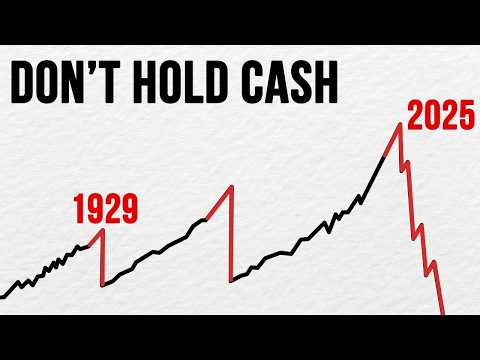
What’s Coming is Worse Than 1929 Depression, It Will Last For Decades
0
林宜悉 posted on 2025/09/22Ever wonder why the economy seems to be growing but life feels harder? This video dives into the surprising concept of 'stagflation' and explains how it could be worse than the Great Depression! You'll learn key terms and get a clear picture of what's really going on with the economy.
Learn this video on the APP!
The VoiceTube App has more in-depth practice for videos!