
anime
US /ˈænəˌme/
UK /ˈænɪmeɪ/
- Noun
- A form of Japanese animation
C2Moreanxiety
US /æŋˈzaɪɪti/
UK /æŋ'zaɪətɪ/
- Uncountable Noun
- A feeling of worry, nervousness, or unease about something that might happen, especially when the outcome is uncertain.
B1Morearrogant
US /ˈærəɡənt/
UK /ˈærəgənt/
- Adjective
- Rude, from belief you are better than others
B2Moreattendance
US /əˈtɛndəns/
UK /əˈtendəns/
- Noun (Countable/Uncountable)
- Number of people present at a place or event
- State of being present at a place or event
B2TOEICMoreavoid
US /əˈvɔɪd/
UK /ə'vɔɪd/
- Transitive Verb
- To prevent from happening
- To stay away from
A2TOEICMoreawkward
US /ˈɔkwəd/
UK /ˈɔ:kwəd/
- Adjective
- Lacking smooth movement
- Causing embarrassment or trouble
B1Morebrave
US /brev/
UK /breɪv/
- Countable Noun
- (Old-fashioned) A native American warrior
- Adjective
- Not letting fear or danger stop you acting
A2Morecause
US /kɔz/
UK /kɔ:z/
- Noun
- Belief, goal or organization that people support
- Reason for
- Transitive Verb
- To make something happen; create effect or result
A2Morecharacter
US /ˈkærəktɚ/
UK /'kærəktə(r)/
- Noun
- Person in a story, movie or play
- Writing symbols, e.g. alphabet or Chinese writing
A2Moreconfident
US /ˈkɑnfɪdənt/
UK /ˈkɒnfɪdənt/
- Adjective
- Feeling that you can do well at something
- Having a strong belief in the truth or certainty of something.
- Noun
- A person who is self-assured and believes in their abilities.
A2Morecrowd
US /kraʊd/
UK /kraʊd/
- Verb (Transitive/Intransitive)
- To force too many things, people into
- (Lots of people) to meet together in one place
- Noun (Countable/Uncountable)
- Large group of people together in one place
A2Morecrush
US /krʌʃ/
UK /krʌʃ/
- Noun
- Strong attraction to someone
- Transitive Verb
- To break something into small pieces by pressing
- To defeat someone or something (in a game)
B1TOEICMoredefault
US /dɪˈfɔlt/
UK /dɪ'fɔ:lt/
- Noun (Countable/Uncountable)
- Automatic setting when no indicated preference
- Failure to meet an agreement or make a payment
- Verb (Transitive/Intransitive)
- To fail to meet as agreed; failure to pay
- To return to a previously determined state
B2TOEICMoredelete
US /diˈlit/
UK /dɪ'li:t/
- Transitive Verb
- To remove or erase something
- Noun
- A key on a computer keyboard used to remove characters or files.
B1TOEICMoredry up
US /draɪ ʌp/
UK /drai ʌp/
- Phrasal Verb
- (Of money etc.) to vanish or be nothing left of it
A1Moreembarrassment
US /ɛmˈbærəsmənt/
UK /ɪmˈbærəsmənt/
- Uncountable Noun
- Shame you feel when you did something wrong
- A person, thing, or situation that causes someone to feel ashamed, self-conscious, or uncomfortable.
B1Moreerase
US /ɪˈreɪs/
UK /ɪˈreɪz/
- Transitive Verb
- To remove data in computer memory, tape, etc.
- To remove written information by mistake
B2TOEICMoreexaggerate
US /ɪgˈzædʒəreɪt/
UK /ɪgˈzædʒəreɪt/
- Verb (Transitive/Intransitive)
- To makes things seem more extreme than reality
- To speak or write about something in a way that overemphasizes or magnifies its qualities.
B1TOEICMorefake
US /fek/
UK /feɪk/
- Adjective
- Not real; made to look like something real
- Countable Noun
- A copy of something made to trick people
B1Moreflirt
US /flɚt/
UK /flɜ:t/
- Intransitive Verb
- To behave playfully to arouse romantic interest
- Noun
- A person who habitually trifles with the affections of others; a coquette.
B2Morefound out
US
UK
- Phrasal Verb
- To learn or discover something, often after some effort.
- To become known; be revealed.
B2Moreguilt
US /ɡɪlt/
UK /gɪlt/
- Uncountable Noun
- Shame at doing something bad or wrong
A2TOEICMorehave to
US /hæv tu/
UK /ˈhæv tə/
- Auxiliary Verb
- Must do
A1Morehomework
US /ˈhomˌwɚk/
UK /ˈhəumwə:k/
- Noun
- Work that a student is given to do at home
B2Morehonestly
US /ˈɑnɪstli/
UK /ˈɒnɪstli/
- Adverb
- With truth or sincerity; I'm being honest with you
- Genuinely; in a sincere manner.
A2Moreimaginary
US /ɪˈmædʒəˌnɛri/
UK /ɪ'mædʒɪnərɪ/
- Adjective
- Not real; existing only in your imagination
A2TOEICMorein love with
US //ɪn lʌv wɪð//
UK
- Adjective
- Feeling romantic love for someone.
- Extremely enthusiastic about or fond of something.
A1Moreinternally
US /ɪnˈtə:nəlɪ/
UK /ɪn'tɜ:nəlɪ/
- Adverb
- On or from the inside
- With regard to its inner aspects; within a structure or system.
B1Moreintrovert
US /'ɪntrəvɜ:rt/
UK /'ɪntrəvɜ:t/
- Noun (Countable/Uncountable)
- Person who does not like social contact
- Intransitive Verb
- To turn inward for energy and rejuvenation.
C1TOEICMoreinvitation
US /ˌɪnvɪˈteʃən/
UK /ˌɪnvɪˈteɪʃn/
- Noun (Countable/Uncountable)
- When someone asks another to attend an event, etc.
- A card or written form used to invite someone.
A2TOEICMorelook away
US /lʊk əˈwe/
UK /luk əˈwei/
- Phrasal Verb
- To turn your eyes in a different direction, especially because you are embarrassed, frightened, or upset.
A2Moremadly
US /ˈmædli/
UK /ˈmædli/
- Adverb
- In an uncontrolled manner
B1Moremagically
US /'mædʒɪklɪ/
UK /'mædʒɪklɪ/
- Adverb
- In a manner that uses or involves magic
B1Moreoutgoing
US /ˈaʊtgoʊɪŋ/
UK /ˈaʊtgəʊɪŋ/
- Adjective
- Leaving a place or a position
B2Morepanic
US /ˈpænɪk/
UK /'pænɪk/
- Uncountable Noun
- Overwhelming feeling of fear and anxiety
- Intransitive Verb
- To feel sudden anxiety and fear and cannot think
B1Morepractically
US /ˈpræktɪkli/
UK /ˈpræktɪkli/
- Adverb
- Nearly, almost, or in effect
- In a practical manner; realistically.
C1Morepreferably
US /ˈprɛfərəblɪ/
UK /'prefrəblɪ/
- Adverb
- In a way that would be better
A2Morepretend
US /prɪˈtɛnd/
UK /prɪ'tend/
- Verb (Transitive/Intransitive)
- To act as if something is true when it is not
- Adjective
- Not real; imaginary.
A2TOEICMorepsych
US /saɪk/
UK /saɪk/
- Transitive Verb
- (Of an upcoming event) to cause excitement in
C2Morerace
US /res/
UK /reɪs/
- Noun (Countable/Uncountable)
- Speed contest between people, animals or vehicles
- People who share physical features or culture
- Intransitive Verb
- To take part in a running or swimming competition
- To move or go at a very fast pace
A2Morescream
US /skrim/
UK /skri:m/
- Intransitive Verb
- To make a sudden loud, high sound
- Noun
- A sudden loud, high-pitched noise
A2Moresecondhand
US /'sekəndhænd/
UK /'sekənd'hænd/
- Adjective
- Something that has already used by another person
B1Morespoiler
US /ˈspɔɪlɚ/
UK /ˈspɔɪlə(r)/
- Countable Noun
- Bar mounted on rear of fast car to stop it lifting
- Someone who pampers by excessive indulgence
C2Morestutter
US /ˈstʌtɚ/
UK /'stʌtə(r)/
- Intransitive Verb
- To speak hesitatingly with repeated sounds
- Noun
- Speaking hesitatingly with repeated sounds
B2Moretick
US /tɪk/
UK /tɪk/
- Intransitive Verb
- To function properly or normally
- (Clock) to make light regular timed noise
- Countable Noun
- Small blood-sucking insect that lives on the skin
- Written mark to show something is correct or done
B1Moretrip
US /trɪp/
UK /trɪp/
- Verb (Transitive/Intransitive)
- To release an electrical switch
- To fall by catching your foot on something
- Noun
- Act of falling down; falling over an obstacle
- Journey or visit to a place
A2Moreturn into
US /tɚn ˈɪntu/
UK /tə:n ˈɪntuː/
- Phrasal Verb
- To change to become something else
- To change your direction to go into a place
A1Moreuniverse
US /ˈjunəˌvɚs/
UK /ˈju:nɪvɜ:s/
- Noun (Countable/Uncountable)
- All of space that contains planets and stars
- Things surrounding a person, affecting their life
B2Morevaguely
US /ˈveɪɡli/
UK /ˈveɪgli/
- Adverb
- In a vague way; not fully
B1Moreweird
US /wɪrd/
UK /wɪəd/
- Adjective
- Odd or unusual; surprising; strange
- Eerily strange or disturbing.
B1More
Vocabulary
- in love with: Feeling romantic love for someone.
- look away: To turn your eyes in a different direction, especially because you are embarrassed, frightened, or upset.
- dry up: (Of money etc.) to vanish or be nothing left of it
- turn into: To change to become something else
- found out: To learn or discover something, often after some effort.
- have to: Must do
- awkward: Lacking smooth movement
- weird: Odd or unusual; surprising; strange
- anxiety: A feeling of worry, nervousness, or unease about something that might happen, especially when the outcome is uncertain.
- introvert: Person who does not like social contact
- pretend: To act as if something is true when it is not
- panic: Overwhelming feeling of fear and anxiety
- exaggerate: To makes things seem more extreme than reality
- realize: To become aware of or understand mentally
- character: Person in a story, movie or play
- anxious: Afraid of what may happen; worried and nervous
- sense: Certain mental feeling or emotion
- confident: Feeling that you can do well at something
- default: Automatic setting when no indicated preference
- crush: Strong attraction to someone
- avoid: To prevent from happening
- brain: To strike someone forcefully on the head
- crowd: To force too many things, people into
- practically: Nearly, almost, or in effect
- universe: All of space that contains planets and stars
- cause: Belief, goal or organization that people support
- suddenly: In an unexpected or very quick manner
- arrogant: Rude, from belief you are better than others
- flirt: To behave playfully to arouse romantic interest
- honestly: With truth or sincerity; I'm being honest with you
- project: To predict what will happen in the future
- vaguely: In a vague way; not fully
- fall: Season after summer and before winter; Autumn
- race: Speed contest between people, animals or vehicles
- totally: In a complete way; completely; absolutely
- fake: Not real; made to look like something real
- guilt: Shame at doing something bad or wrong
- notice: To become aware by sight, touch, or hearing
- kind: In a caring and helpful manner
- hit: To have a negative impact on a person/place/thing
- trip: To release an electrical switch
- tick: To function properly or normally
- scream: To make a sudden loud, high sound
- act: To behave in a certain way
- catch: Amount of something that has been caught
- preferably: In a way that would be better
- head: To hit a ball with your head in a game
- invitation: When someone asks another to attend an event, etc.
- imaginary: Not real; existing only in your imagination
- step: Movement done as part of a particular dance
- spoiler: Bar mounted on rear of fast car to stop it lifting
- brave: (Old-fashioned) A native American warrior
- anime: A form of Japanese animation
- embarrassment: Shame you feel when you did something wrong
- stutter: To speak hesitatingly with repeated sounds
- erase: To remove data in computer memory, tape, etc.
- internally: On or from the inside
- outgoing: Leaving a place or a position
- attendance: Number of people present at a place or event
- madly: In an uncontrolled manner
- psych: (Of an upcoming event) to cause excitement in
- delete: To remove or erase something
- magically: In a manner that uses or involves magic
- homework: Work that a student is given to do at home
- secondhand: Something that has already used by another person
Get the full experience in the app
Learn anywhere with detailed sentence and usage analysis
01:03
She took a brave step forward, leaving behind her comfort zone to chase her dreams.
Vocabulary
- brave
adj. Having courage
- comfort zone
phr. A familiar situation where one feels safe
Explanation
a brave step is a noun phrase, where brave is an adjective modifying the noun step, meaning "a courageous step".
forward is an adverb modifying step, meaning "ahead".
The whole phrase serves as the object, answering the "what" of took (verb) — she took a brave step forward.
Get the full experience in the app
Look up words anytime with pronunciation, part of speech, and usage
brave
US/brev/
UK/breɪv/
adj.Brave
v.t.To bravely face
A2 Elementary
Get the full experience in the app
Practice speaking anytime and get instant pronunciation feedback
Try this speaking exercise.
Try practicing with this sentence.
80
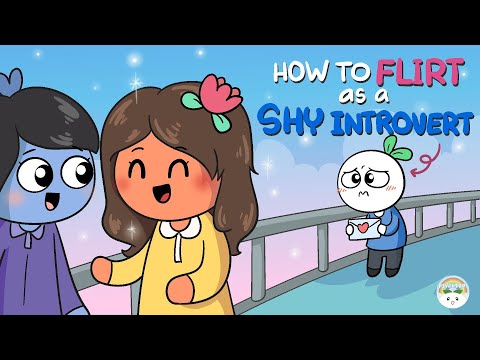
How I Tried to Flirt as a Shy Introvert... and Almost Imploded
0
林宜悉 posted on 2025/09/14Ever felt your heart do a backflip when you see your crush? This hilarious video shares a shy introvert's relatable journey of trying to flirt, complete with secondhand embarrassment and maybe even a touch of Studio Ghibli magic! You'll pick up some super useful situational dialogue and simple sentence structures perfect for everyday chats.
Learn this video on the APP!
The VoiceTube App has more in-depth practice for videos!