
accountability
US /əˌkaʊntə'bɪlətɪ/
UK /əˌkaʊntə'bɪlətɪ/
- Uncountable Noun
- Responsibility to someone or for some activity
B1Moreadmit
US /ædˈmɪt/
UK /əd'mɪt/
- Transitive Verb
- To acknowledge that something is true or right
- To allow someone to enter
A2TOEICMoreassertive
US /əˈsɜrtɪv/
UK /əˈsɜ:tɪv/
- Adjective
- Being confident and sure of yourself
B2Moreauthentically
US /ɔ:'θentɪklɪ/
UK /ɔ:'θentɪklɪ/
- Adverb
- In a manner showing it is real and not a copy
B1Moreaware
US /əˈwɛr/
UK /əˈwɛə/
- Adjective
- Knowing or feeling that something exists
A2TOEICMoreawareness
US /əˈwɛrnɪs/
UK /əˈweənəs/
- Uncountable Noun
- Having knowledge of something
A2TOEICMorebuild up
US /bɪld ʌp/
UK /bild ʌp/
- Phrasal Verb
- To increase the amount; collect something
- To develop or increase something in stages
- Verb (Transitive/Intransitive)
- To increase or develop something gradually.
- To praise or encourage someone.
A1Morecheck out
US /tʃɛk aʊt/
UK /tʃek aut/
- Phrase
- Phrasal Verb
- To find out information about something
- To take books out of a library
A1Morecompassion
US /kəmˈpæʃən/
UK /kəmˈpæʃn/
- Uncountable Noun
- Feeling of wanting to help suffering people
- Actions that demonstrate care and concern for others.
B2Morecompassionate
US /kəmˈpæʃənɪt/
UK /kəm'pæʃənət/
- Adjective
- Feeling sympathy for people who are suffering
- Relating to the humane treatment and care of others, especially in healthcare.
B2Moreconflict
US /ˈkɑnˌflɪkt/
UK /'kɒnflɪkt/
- Noun (Countable/Uncountable)
- Argument or struggle between two or more parties
- A serious disagreement or argument.
- Verb (Transitive/Intransitive)
- To have opposite ideas; to disagree; To not match
A2Moreconversation
US /ˌkɑnvɚˈseʃən/
UK /ˌkɒnvəˈseɪʃn/
- Uncountable Noun
- Talking with other people; discussion or chat
- General communication or interaction.
A2Morecurrent
US /ˈkɚrənt, ˈkʌr-/
UK /'kʌrənt/
- Uncountable Noun
- Electricity flowing through wires
- Movement of water in a river, or air in the sky
- Adjective
- Happening or being in the present time
- In general use or accepted by most people.
A2Moredefensive
US /dɪˈfɛnsɪv/
UK /dɪˈfensɪv/
- Adjective
- Protecting something, yourself from attack
B1Moredepend
US /dɪˈpend/
UK /dɪˈpend/
- Verb (Transitive/Intransitive)
- Be controlled or determined by (someone/something)
- To rely on someone or something for support, help, or existence.
B1TOEICMorediscernment
US /dɪˈsɜ:rnmən/
UK /dɪˈsɜ:nmənt/
- Uncountable Noun
- Cognitive condition of someone who understands
B2Moreembrace
US /ɛmˈbres/
UK /ɪm'breɪs/
- Noun (Countable/Uncountable)
- Act of holding someone closely
- An act of accepting or supporting something willingly and enthusiastically.
- Transitive Verb
- To hold closely; cuddle, kiss or hug
- To accept something enthusiastically.
B1TOEICMoreemotional
US /ɪˈmoʃənəl/
UK /ɪˈməʊʃənl/
- Adjective
- Causing, feeling, or appealing to the emotions
- Relating to or characterized by emotion
A2Moreempathetic
US /empə'θetɪk/
UK /empə'θetɪk/
- Adjective
- Exhibiting deep emotional understanding
B2Moreempathy
US /ˈɛmpəθi/
UK /ˈempəθi/
- Uncountable Noun
- Understanding how other people feel/suffer
- The ability to understand and share the feelings of another, especially when those feelings are negative or painful
B2TOEICMoreexplore
US /ɪkˈsplɔr/
UK /ɪk'splɔ:(r)/
- Transitive Verb
- To examine something in detail to learn about it
- To travel to a place to discover more about it
A2TOEICMorefeedback
US /ˈfidˌbæk/
UK /ˈfi:dbæk/
- Noun (Countable/Uncountable)
- A response or opinion, about a service, etc.
- Information about reactions to a product, a person's performance of a task, etc. which is used as a basis for improvement.
- Verb (Transitive/Intransitive)
- To give information or opinions about something to someone, especially in order to improve it.
B1TOEICMorefeel like
US
UK
- Intransitive Verb
- To have a desire or inclination for something.
- To have a particular quality or sensation; resemble.
A1Morefeel stuck
US
UK
- Phrase
- To feel unable to progress or change a situation, often leading to frustration or helplessness.
A1Morefilter
US /ˈfɪltɚ/
UK /'fɪltə(r)/
- Noun (Countable/Uncountable)
- Device to remove certain types of light, sound
- Device to remove unwanted things from liquid, gas
- Transitive Verb
- To remove certain types of light, sound
- To remove unwanted substances from a liquid or gas
B1Morefollow through
US /ˈfɑlo θru/
UK /ˈfɔləu θru:/
- Phrasal Verb
- To fulfill a promise
- Intransitive Verb
- To continue the motion of a stroke after hitting the ball, especially in golf or tennis.
A1Moregrace
US /ɡres/
UK /ɡreɪs/
- Uncountable Noun
- Dignified polite behavior, as when things go badly
- God's kindness shown to people
- Transitive Verb
- To make a place look more attractive
B1Moreguilty
US /ˈɡɪlti/
UK /'ɡɪltɪ/
- Adjective
- Responsible for doing something wrong
- Feeling or showing guilt; having a sense of remorse.
A2TOEICMorein with
US /ɪn wɪð/
UK /in wið/
- Phrase
- Fashionable or popular at the moment.
- Having influence or favor with someone.
- Phrasal Verb
- To introduce or bring something new into a system or organization.
A1Moreinstinct
US /ˈɪnˌstɪŋkt/
UK /'ɪnstɪŋkt/
- Noun
- Natural way of thinking; intuition
- Natural way (person or animal) thinks, behaves
B1Morejourney
US /ˈdʒɚni/
UK /'dʒɜ:nɪ/
- Noun
- Act of traveling from one place to another; trip
- Intransitive Verb
- To travel through a place
A2TOEICMorelash
US /læʃ/
UK /læʃ/
- Countable Noun
- Small hairs that grow above and below your eyes
- A quick hit with a narrow stick or whip
- Transitive Verb
- To hit something violently or forcefully
- To tie something in place tightly
B2Morelash out
US /læʃ aʊt/
UK /læʃ aut/
- Phrasal Verb
- To suddenly attempt to hit someone or something.
- To criticize someone angrily.
A1Morelean into
US
UK
- Phrasal Verb
- To bend or move your body closer to something, often for support or to get a better view.
- To embrace or fully engage with something, especially something difficult or challenging.
B2Morelook for
US /lʊk fɔr/
UK /luk fɔ:/
- Phrasal Verb
- To try to find a thing or person that is lost
- To expect or anticipate something.
A1Moremess
US /mɛs/
UK /mes/
- Noun (Countable/Uncountable)
- Something that is untidy, dirty or unclean
- A difficult or confused situation.
- Transitive Verb
- To make something untidy or dirty
A2Moremess up
US /mɛs ʌp/
UK /mes ʌp/
- Phrasal Verb
- To make a mistake
- To make something untidy or dirty.
- Verb (Transitive/Intransitive)
- To make something untidy or dirty.
- To spoil or ruin something.
A2Morenavigate
US /ˈnævɪˌɡet/
UK /'nævɪɡeɪt/
- Verb (Transitive/Intransitive)
- To direct (car, plane etc.) in the right direction
- To deal successfully with something complex
B2Moreoverwhelmed
US /ˌoʊ.vɚˈwɛlmd/
UK /ˌəʊ.vəˈwɛlmd/
- Transitive Verb
- To defeat something or someone completely
- To affect someone emotionally in a strong way
- Adjective
- Feeling like you have so much to do that you can't even get started.
- Feeling like you are unable to cope with something
B2Morepretend
US /prɪˈtɛnd/
UK /prɪ'tend/
- Verb (Transitive/Intransitive)
- To act as if something is true when it is not
- Adjective
- Not real; imaginary.
A2TOEICMorequiz
US /kwɪz/
UK /kwɪz/
- Noun (Countable/Uncountable)
- A game in which players answer questions on topics
- Brief spoken or written test, given to students
- Transitive Verb
- To ask a person many questions about something
B1Morereflect
US /rɪˈflɛkt/
UK /rɪ'flekt/
- Verb (Transitive/Intransitive)
- To indicate or be a sign of something
- To bounce back light, heat, sound from a surface
A2TOEICMorereflect on
US /rɪˈflɛkt ɑn/
UK /riˈflekt ɔn/
- Phrasal Verb
- To think deeply or carefully about something.
B2Moreresolve
US /rɪˈzɑlv/
UK /rɪ'zɒlv/
- Verb (Transitive/Intransitive)
- To make a decision to do something
- To find an answer, solution to a problem/ question
- Uncountable Noun
- Firm determination to do something.
B1TOEICMoreshow up with
US
UK
- Phrasal Verb
- To arrive at a place accompanied by someone or carrying something.
A1Moreshut down
US /ʃʌt daʊn/
UK /ʃʌt daun/
- Phrasal Verb
- To close an operating system, e.g. on a computer
- To stop a factory/machine from operating
- Transitive Verb
- To deactivate a nuclear reactor.
- To turn off a computer or other electronic device.
A2Morestress
US / strɛs/
UK /stres/
- Transitive Verb
- To emphasize one or more parts of a word, sentence
- To put pressure on something or someone
- Noun (Countable/Uncountable)
- Emphasis on part of a word or sentence
- Pressure on something or someone
A2TOEICMorestruggle
US /ˈstrʌɡəl/
UK /'strʌɡl/
- Verb (Transitive/Intransitive)
- To try very hard to do something difficult
- To fight or struggle violently
- Noun (Countable/Uncountable)
- Strong efforts made to do something difficult
- A difficult or challenging situation or task
A2Moretake over
US /tek ˈovɚ/
UK /teik ˈəuvə/
- Phrasal Verb
- To gain control of (a company) from someone else
- To assume control or possession of something.
A1Moretally
US /ˈtæli/
UK /'tælɪ/
- Transitive Verb
- To count or reckon up; to score a point
- Noun
- A score or amount
B2Moretherapy
US /ˈθɛrəpi/
UK /'θerəpɪ/
- Noun (Countable/Uncountable)
- Treatment to help cure an illness
- Psychological counseling to help resolve personal or emotional problems.
B2Moretrigger
US /ˈtrɪɡɚ/
UK /'trɪɡə(r)/
- Noun
- Lever on a gun that you pull to fire
- Device that starts a process
- Transitive Verb
- To start a process off e.g. a memory
- To cause something to begin or happen.
B1Moreuncomfortable
US /ʌnˈkʌmfətəbəl, -ˈkʌmftə-/
UK /ʌnˈkʌmftəbl/
- Adjective
- Not being relaxed; worried about something
- Causing or feeling slight pain or physical unease.
B1Moreunintentionally
US /ˌʌnɪn'tenʃənəlɪ/
UK /ˌʌnɪn'tenʃənəlɪ/
- Adverb
- Without intention; accidentally
B1Morevocabulary
US /voˈkæbjəˌlɛri/
UK /və'kæbjələrɪ/
- Uncountable Noun
- Words that have to do with a particular subject
- The words that a person knows
B1TOEICMore
Vocabulary
- reflect on: To think deeply or carefully about something.
- in with: Fashionable or popular at the moment.
- lash out: To suddenly attempt to hit someone or something.
- shut down: To close an operating system, e.g. on a computer
- take over: To gain control of (a company) from someone else
- mess up: To make a mistake
- feel stuck: To feel unable to progress or change a situation, often leading to frustration or helplessness.
- follow through: To fulfill a promise
- build up: To increase the amount; collect something
- look for: To try to find a thing or person that is lost
- feel like: To have a desire or inclination for something.
- lean into: To bend or move your body closer to something, often for support or to get a better view.
- show up with: To arrive at a place accompanied by someone or carrying something.
- check out
- overwhelmed: To defeat something or someone completely
- struggle: To try very hard to do something difficult
- instinct: Natural way of thinking; intuition
- pretend: To act as if something is true when it is not
- trigger: Lever on a gun that you pull to fire
- empathy: Understanding how other people feel/suffer
- journey: Act of traveling from one place to another; trip
- embrace: Act of holding someone closely
- vocabulary: Words that have to do with a particular subject
- conflict: Argument or struggle between two or more parties
- therapy: Treatment to help cure an illness
- aware: Knowing or feeling that something exists
- compassion: Feeling of wanting to help suffering people
- treat: To pay for the food or enjoyment of someone else
- conversation: Talking with other people; discussion or chat
- expect: To believe something is probably going to happen
- mess: Something that is untidy, dirty or unclean
- navigate: To direct (car, plane etc.) in the right direction
- emotional: Causing, feeling, or appealing to the emotions
- current: Electricity flowing through wires
- stress: To emphasize one or more parts of a word, sentence
- explore: To examine something in detail to learn about it
- admit: To acknowledge that something is true or right
- compassionate: Feeling sympathy for people who are suffering
- reflect: To indicate or be a sign of something
- awareness: Having knowledge of something
- guilty: Responsible for doing something wrong
- filter: Device to remove certain types of light, sound
- assertive: Being confident and sure of yourself
- accountability: Responsibility to someone or for some activity
- ground: To break (coffee, etc.) into tiny bits with machine
- quiz: A game in which players answer questions on topics
- resolve: To make a decision to do something
- feedback: A response or opinion, about a service, etc.
- depend: Be controlled or determined by (someone/something)
- kind: In a caring and helpful manner
- learn: To get knowledge or skills by study or experience
- fully: Completely or entirely
- build: Your physical shape; physique
- grace: Dignified polite behavior, as when things go badly
- empathetic: Exhibiting deep emotional understanding
- protect: To defend someone or something from harm or danger
- change: To exchange one set of clothes for another
- question: To ask for or try to get information
- set: Prepared for something; ready
- grow: To get bigger and more mature; make plants do this
- hard: Difficult to do; difficult to understand
- tally: To count or reckon up; to score a point
- understand: To know the meaning of language, what someone says
- hold: To agree to keep something for someone
- defensive: Protecting something, yourself from attack
- authentically: In a manner showing it is real and not a copy
- unintentionally: Without intention; accidentally
- uncomfortable: Not being relaxed; worried about something
- lash: Small hairs that grow above and below your eyes
- discernment: Cognitive condition of someone who understands
Get the full experience in the app
Learn anywhere with detailed sentence and usage analysis
01:03
She took a brave step forward, leaving behind her comfort zone to chase her dreams.
Vocabulary
- brave
adj. Having courage
- comfort zone
phr. A familiar situation where one feels safe
Explanation
a brave step is a noun phrase, where brave is an adjective modifying the noun step, meaning "a courageous step".
forward is an adverb modifying step, meaning "ahead".
The whole phrase serves as the object, answering the "what" of took (verb) — she took a brave step forward.
Get the full experience in the app
Look up words anytime with pronunciation, part of speech, and usage
brave
US/brev/
UK/breɪv/
adj.Brave
v.t.To bravely face
A2 Elementary
Get the full experience in the app
Practice speaking anytime and get instant pronunciation feedback
Try this speaking exercise.
Try practicing with this sentence.
80
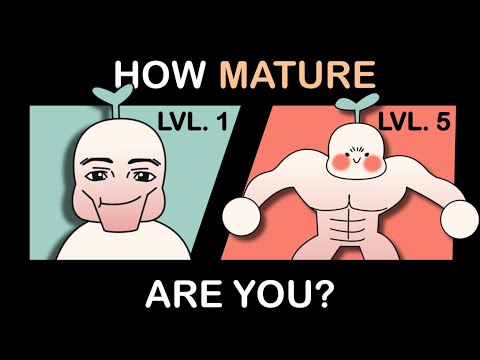
Quiz: How Mature Are You, Really? (Self-Test)
0
林宜悉 posted on 2025/09/10Ever wondered how emotionally mature you really are? This fun 10-question quiz from Psych2Go uses real-life scenarios to help you reflect on your emotional regulation and boundary-setting skills. You'll pick up practical insights and simple sentence structures perfect for everyday conversations!
Learn this video on the APP!
The VoiceTube App has more in-depth practice for videos!