
as one
US
UK
- Adverb
- Acting or moving together at the same time.
- In complete agreement or unity.
- Phrase
- With a single voice or opinion; unanimously.
- In perfect harmony or unison.
A1Moreas well as
US /æz wɛl æz/
UK /æz wel æz/
- Adverb
- Also; in addition to
- Preposition
- In addition to; and also.
A1Moreat a time
US /æt e taɪm/
UK /æt ə taim/
- Phrase
- Separately; one by one
- Simultaneously; together
A1Moreat least
US /æt list/
UK /æt li:st/
- Adverb
- As a minimum
- Not less than
- Phrase
- No less than; at the minimum
- Used to indicate that something is positive in a bad situation.
C2Moreat night
US /æt naɪt/
UK /æt nait/
- Phrase
- During the night; in the nighttime.
A1Moreat the end of the day
US
UK
- Phrase
- Ultimately; when everything else is considered.
- After a day's work or activities.
A1Moreat the same time
US
UK
- Phrase
- Simultaneously; at the identical moment.
- Nevertheless; however; used to introduce a contrasting or qualifying statement.
A1Moreat this juncture
US /ət ðɪs ˈdʒʌŋktʃɚ/
UK /ət ðɪs ˈdʒʌŋktʃə/
- other
- At this particular moment or point in time.
C1Moreat times
US /æt taɪmz/
UK /æt taɪmz/
- Phrase
- Sometimes; occasionally.
A1Moreattrition rate
US
UK
- Noun
- The rate at which employees leave a company over a certain period.
- The rate at which customers stop doing business with a company over a certain period.
B1Moreauthorize
US /ˈɔθəˌraɪz/
UK /'ɔ:θəraɪz/
- Transitive Verb
- To officially or legally allow or give permission
B2TOEICMoreback into
US /bæk ˈɪntu/
UK /bæk ˈɪntuː/
- Phrasal Verb
- To drive a vehicle backwards into a space or area.
- To accidentally collide with something while moving backwards.
A1Moreback out
US /bæk aʊt/
UK /bæk aut/
- Phrasal Verb
- To say you will now not do something you promised
A1Morebasically
US /ˈbesɪkəli,-kli/
UK /ˈbeɪsɪkli/
- Adverb
- Used before you explain something simply, clearly
- In essence; when you consider the most important aspects of something.
A2Moreberet
US /bəre, ˈbɛrˌe/
UK /ˈberei/
- Noun
- Type of brimless soft hat, e.g. worn by soldiers
C1Morebest of both worlds
US /ˈbɛst əv boʊθ ˈwɝrldz/
UK /ˈbest əv bəʊθ ˈwɜ:rldz/
- other
- A situation combining two desirable but usually separate features.
B2Morebody
US /ˈbɑdi/
UK /ˈbɒdi/
- Noun
- The physical structure of a person or animal.
- Noun (Countable/Uncountable)
- The main or central part of something.
- The weight and texture of a drink (like wine or coffee) in the mouth.
A2Morebreak up
US /brek ʌp/
UK /breik ʌp/
- Phrase
- Phrasal Verb
- (Of party, relationship) to come to an end
- To end something, e.g. a fight
A1Morebuild up
US /bɪld ʌp/
UK /bild ʌp/
- Phrasal Verb
- To increase the amount; collect something
- To develop or increase something in stages
- Verb (Transitive/Intransitive)
- To increase or develop something gradually.
- To praise or encourage someone.
A1Morecaptain
US /ˈkæptən/
UK /'kæptɪn/
- Noun
- Title of a senior officer in the military
- Person in charge of a team, a ship or an airplane
- Transitive Verb
- To be in charge of a team, ship or airplane
B1Morecare for
US /kɛr fɔr/
UK /kɛə fɔ:/
- Phrasal Verb
- To want or desire a thing
- To look after someone who is ill, old, or very young.
A1Morecare of
US /kɛr ʌv/
UK /kɛə ɔv/
- Preposition
- Used in an address to indicate the person who will receive the mail for someone else.
A2Morecheck out
US /tʃɛk aʊt/
UK /tʃek aut/
- Phrase
- Phrasal Verb
- To find out information about something
- To take books out of a library
A1Moreclock in
US
UK
- Phrasal Verb
- To record the time of one's arrival at work, typically using a time clock.
A1Morecome up
US /kʌm ʌp/
UK /kʌm ʌp/
- Phrasal Verb
- To come closer to someone; approach
- (Of sun) to rise into the sky in the morning
A1Morecomfortable
US /ˈkʌmfətəbəl, ˈkʌmftəbəl/
UK /ˈkʌmftəbl/
- Adjective
- Having more than enough e.g. money for your needs
- Being relaxed, warm or happy
A2Morecompound
US /kɑmˈpaUnd/
UK /'kɒmpaʊnd/
- Noun (Countable/Uncountable)
- Series of buildings that are walled or fenced off
- Chemical made up of several others
- Transitive Verb
- To pay interest on a loan including the interest
- To make something from various parts or components
B1Moredepending on
US
UK
- Phrasal Verb
- To rely on for support (financial or emotional)
- Influenced or determined by.
- Preposition
- Subject to; contingent on
- Relying on someone or something for support or assistance.
A2Moreeffort
US /ˈɛfət/
UK /ˈefət/
- Uncountable Noun
- Amount of work used trying to do something
- A conscious exertion of power; a try.
A2TOEICMorefamily members
US
UK
- Noun (plural)
- People related by blood, marriage, or adoption.
A1Morefeel like
US
UK
- Intransitive Verb
- To have a desire or inclination for something.
- To have a particular quality or sensation; resemble.
A1Morefemur
US /ˈfimɚ/
UK /ˈfi:mə(r)/
- Noun
- Bone that extends from the pelvis to the knee
C1Morefigure out
US /ˈfɪɡjɚ aʊt/
UK /ˈfiɡə aut/
- Phrasal Verb
- To understand the behavior of someone
- To think through logically to find a solution
- Verb (Transitive/Intransitive)
- To understand or find an answer to something.
- To find a solution to a problem or understand something.
A1Morefill in
US /fɪl ɪn/
UK /fil in/
- Phrasal Verb
- To put earth in e.g. a hole
- To explain the context so that someone understands
- Verb (Transitive/Intransitive)
- To write or type information in a blank space.
- To temporarily do someone else's job.
A1Morefinish up
US
UK
- Phrasal Verb
- To complete or bring something to an end.
for days
US /fɔr dez/
UK /fɔ: deɪz/
- Phrase
- For a long period of time; lasting several days.
for example
US
UK
- Phrase
- As an illustration or instance.
found out
US
UK
- Phrasal Verb
- To learn or discover something, often after some effort.
- To become known; be revealed.
B2Morefrom scratch
US /frʌm skrætʃ/
UK /frɔm skrætʃ/
- Phrase
- From the very beginning; from nothing.
- From the very beginning; using new materials rather than something that already exists.
A1Moreget back to
US /ɡɛt bæk tu/
UK /ɡet bæk tu:/
- Phrasal Verb
- To get in contact with someone again
- To return to someone or something; to respond at a later time.
A1Morego around
US /ɡo əˈraʊnd/
UK /ɡəu əˈraund/
- Phrasal Verb
- (Of news, gossip) to be known; circulate
- To go here and there, from place to place; wander
A1Morego back to
US /ɡo bæk tu/
UK /ɡəu bæk tu:/
- Phrasal Verb
- To return to a starting point
A1Moregoing on
US /ˈɡoɪŋ ɑn/
UK /ˈgəʊɪŋ ɔn/
- Phrasal Verb
- To continue doing something
- To happen (usually negative)
A1Moregot to
US /ɡɑt tu/
UK /gɔt tu:/
- Verb (Transitive/Intransitive)
- To arrive at some place
- To have the opportunity or permission to do something
- Phrasal Verb
- To appeal to the emotions of; move
- To finally begin to start something after a delay
A1Morehand out
US /hænd aʊt/
UK /hænd aut/
- Phrasal Verb
- To distribute papers (often in class)
A1Morehave to
US /hæv tu/
UK /ˈhæv tə/
- Auxiliary Verb
- Must do
A1Morehit with
US
UK
- Phrasal Verb
- To strike someone or something using an object.
- To suddenly realize or understand something.
A1Morehockey
US /ˈhɑ:ki/
UK /ˈhɒki/
- Uncountable Noun
- Sport played on a field with sticks and a ball
B1Morehole up
US /hol ʌp/
UK /həul ʌp/
- Phrasal Verb
- To hide oneself; to take refuge.
A1Morein charge
US /ɪn tʃɑrdʒ/
UK /in tʃɑ:dʒ/
- Adverb
- To be responsible for
A1Morein command
US /ɪn kəˈmænd/
UK /in kəˈmɑ:nd/
- Adjective
- Having control or authority over something or someone.
- Having the highest authority in a military unit.
B2Morein commerce
US
UK
- Phrase
- Engaged in buying and selling, especially on a large scale.
B2Morein itself
US /ɪn ɪtˈsɛlf/
UK /in itˈself/
- Phrase
- Considered alone or without reference to anything else; intrinsically.
- Essentially; by its very nature.
in practice
US /ɪn ˈpræktɪs/
UK /in ˈpræktis/
- Phrase
- In reality or actual use; as opposed to in theory.
A1Morein shape
US /ɪn ʃep/
UK /in ʃeip/
- Adjective
- In good physical condition; fit.
- Phrase
- In good physical condition.
- In good condition or order.
A1Morein the green
US /ɪn ðə ˈɡrin/
UK /in ðə ˈɡri:n/
- other
- Having a financial profit or gain.
- On the putting surface of a golf course.
B2Morein the hospital
US /ɪn ðə ˈhɑspɪtəl/
UK /in ðə ˈhɒspɪtəl/
- Preposition
- Located inside a hospital receiving medical care.
A1Morein the middle of
US
UK
- Phrase
- In the central part or point of something.
- Engaged or occupied with something.
A2Morein the world
US /ɪn ði wɜrld/
UK /in ðə wɜː(r)ld/
- Phrase
- Used to emphasize a question expressing surprise, confusion, disbelief
- Used to indicate the extent or degree of something, often in a superlative sense
A1Morein time
US /ɪn taɪm/
UK /in taim/
- Adverb
- Eventually; after a period of time.
- Not late; with enough time to spare.
- Phrase
- Eventually; before it is too late.
- According to the scheduled time; punctual.
A1Morein touch
US /ɪn tʌtʃ/
UK /in tʌtʃ/
- Adjective
- Having contact or communication with someone.
- Aware of or informed about something.
B1Moreinjure
US /ˈɪndʒɚ/
UK /ˈɪndʒə(r)/
- Transitive Verb
- To do (usually physical) harm or damage to
A2TOEICMoreinstead of
US /ɪnˈstɛd ʌv/
UK /inˈsted ɔv/
- Preposition
- When one thing is replaced by another
- Adverb
- As a substitute or alternative.
A1Morejust kind of
US
UK
- Phrase
- Used to express a feeling or state in a vague or hesitant way.
- Used to indicate something is approximately or generally similar to something else.
A2Morekick in
US /kɪk ɪn/
UK /kik in/
- Phrasal Verb
- (Of a medicine, plan, etc.) to start to have an effect; become operative
- To contribute money to a common fund or purpose.
A1Moreknow about
US /noʊ əˈbaʊt/
UK /nəʊ əˈbaut/
- Phrasal Verb
- To have information or understanding of a subject or situation.
live life
US
UK
- Intransitive Verb
- To enjoy life and make the most of every moment.
A1Morelook at
US /lʊk æt/
UK /luk æt/
- Phrasal Verb
- To use your eyes to focus on something
- To focus your eyes on something carefully
A1Moremajor
US /ˈmedʒɚ/
UK /'meɪdʒə(r)/
- Countable Noun
- High-ranking officer in the army
- Main subject you study at university
- Adjective
- Main league; esp. referring to American baseball
- Important, serious, or large in scope, size
A2TOEICMoremilitary
US /ˈmɪlɪˌtɛri/
UK /'mɪlətrɪ/
- Noun
- Army or armed forces
- Adjective
- Concerning the army or navy
B1Moremission
US /ˈmɪʃən/
UK /'mɪʃn/
- Noun (Countable/Uncountable)
- A task or role someone is given to do
- Special assignment given to a person or group
B1TOEICMorenational
US /ˈnæʃənəl, ˈnæʃnəl/
UK /'næʃnəl/
- Adjective
- Concerning a nation as a whole
- Countable Noun
- A person of a particular country
A2Morenext to
US /nɛkst tu/
UK /nekst tu:/
- Preposition
- Being located along side another
- In comparison with
- Adverb
- Almost; nearly
A1Moreno man's land
US /no mænz lænd/
UK /nəʊ mænz lænd/
- other
- An unoccupied or disputed area, often dangerous.
B2Moreof a sudden
US
UK
- Phrase
- Quickly and unexpectedly; suddenly.
B2Moreof course
US /ʌv kɔː(r)s/
UK /ɔv kɔː(r)s/
- Adverb
- Sure ; Certainly
- Phrase
- For sure; certainly
A2Moreof theirs
US /ʌv ðɛrz/
UK /əv ðeəz/
- other
- Belonging to them; their possession or property.
A2Moreoff of
US /ɔf ʌv/
UK /ɔf ɔv/
- Preposition
- From a position on something; down from.
A1Moreofficer
US /ˈɔ:fɪsə(r)/
UK /ˈɒfɪsə(r)/
- Noun (Countable/Uncountable)
- Person of high position in an organization
- Person of high position in the military
B1Moreon paper
US /ɑn ˈpeɪpər/
UK /ɔn ˈpeipə/
- Phrase
- In theory or as a plan, but not necessarily in reality.
- Recorded in writing; documented.
A1Moreon the ground
US
UK
- Phrase
- Located on the surface of the earth.
- Present and available in a particular place, especially to deal with a situation.
on the phone
US
UK
- Phrase
- Talking on the telephone.
- Adjective
- Using a phone, especially a mobile phone.
A1Moreon top of that
US
UK
- Phrase
- In addition to something already mentioned; furthermore.
A1Moreout there
US /aʊt ðɛr/
UK /aut ðɛə/
- Adverb
- In or to a place that is far away
- Existing in the universe
- Adjective
- Unconventional; strange; avant-garde
- Existing or available.
A1Moreoutside of
US /aʊtˈsaɪd ʌv/
UK /ˌautˈsaid ɔv/
- Preposition
- Located or situated beyond the boundaries or confines of something.
- Beyond the scope, range, or limits of something.
A1Moreover the edge
US
UK
- Phrase
- In a state of emotional or mental breakdown; beyond the limits of what one can handle.
- Beyond the physical boundary or brink of something.
B1Moreover to
US
UK
- Preposition
- Used to hand over to someone else to speak
- The responsibility is now yours
play ball
US /pleɪ bɔl/
UK /pleɪ bɔ:l/
- other
- Cooperate or act in agreement with others.
B2Moreplay in
US
UK
- Phrasal Verb
- To participate or compete in a game or competition.
- To have a role in a theatrical production.
A1Morepole
US /pol/
UK /pəʊl/
- Noun
- One of two opposite ideas, qualities or positions
- Most northern or most southern point on a planet
- Transitive Verb
- To move a boat with a stick or pole
B1Morepresident
US /ˈprɛzɪdənt,-ˌdɛnt/
UK /ˈprezɪdənt/
- Noun
- Person in charge of a country, or organization
- The highest-ranking executive in a corporation or organization.
A2TOEICMoreput together
US /pʊt təˈɡɛðɚ/
UK /put təˈɡeðə/
- Phrasal Verb
- To build or assemble something small, e.g. a toy
- To organize or arrange something.
A1Moreright next to
US
UK
- Preposition
- Immediately adjacent to; in very close proximity to.
- Figuratively very close to; on the verge of.
A1Morerun through
US
UK
- Phrasal Verb
- To pierce with a sharp pointed object
- To practice or rehearse quickly, e.g. for a play
A1Moresame time
US
UK
- Phrase
- Occurring simultaneously or at the same point in time.
- At the identical time as before; recurring at a fixed hour.
- Noun
- An equal duration or period.
A1Morescream
US /skrim/
UK /skri:m/
- Intransitive Verb
- To make a sudden loud, high sound
- Noun
- A sudden loud, high-pitched noise
A2Moresecurity
US /sɪˈkjʊrɪti/sə'kjurətɪ/
UK /sɪ'kjʊərətɪ/
- Noun
- Department in a company in charge of protection
- Financial document, like stocks, bonds and notes
A2TOEICMoresee in
US /si ɪn/
UK /si: in/
- Phrasal Verb
- To accompany someone to the entrance of a building or room.
A1Moreselection
US /sɪˈlɛkʃən/
UK /sɪˈlekʃn/
- Noun
- Process of choosing someone or something carefully
A2TOEICMoresergeant
US /ˈsɑrdʒənt/
UK /'sɑ:dʒənt/
- Countable Noun
- Officer of low rank in the military
C1Moreset up
US /sɛt ʌp/
UK /set ʌp/
- Phrasal Verb
- To make arrangements for something; establish
- Verb (Transitive/Intransitive)
- To arrange or prepare something for use.
- To start a business, organization, etc.
A1Moreshoulder
US /ˈʃoldɚ/
UK /ˈʃəʊldə(r)/
- Noun (Countable/Uncountable)
- Part of the body where an arm attaches or joins
- Meat that comes from an animal's upper front leg
- Transitive Verb
- To carry something around your neck
- To push something using the top part of your arm
A2Moreshow up
US /ʃo ʌp/
UK /ʃəu ʌp/
- Phrasal Verb
- To arrive or be seen at a place, e.g. a party
- To be noticeably better than (someone else)
A1Moreslow down
US /slo daʊn/
UK /sləu daun/
- Phrasal Verb
- To reduce the speed
- To become less active or busy.
A1Morestick with
US /stɪk wɪð/
UK /stik wið/
- Phrasal Verb
- To continue to support or stay loyal to someone or something.
- To continue doing or using something; to persevere.
A1Moretake down
US /tek daʊn/
UK /teik daun/
- Phrasal Verb
- To capture physically
- To break something into pieces, e.g. a radio
A1Moreto let
US /tu lɛt/
UK /tu let/
- Preposition
- Indicates that a property is available for rent.
A2Moretrain up
US
UK
- Phrasal Verb
- To educate or instruct someone in a particular skill or type of behavior.
A1Moretrickle down
US /ˈtrɪkəl daʊn/
UK /ˈtrikl daun/
- Intransitive Verb
- To gradually spread or filter through from top to bottom, especially in economics, referring to the belief that tax cuts or other benefits for the wealthy will ultimately benefit the poor and middle class.
A1Moreunit
US /ˈjunɪt/
UK /ˈju:nɪt/
- Countable Noun
- One apartment in a building
- Group of people, e.g. soldiers, that work together
B2TOEICMoreup there
US /ʌp ðɛr/
UK /ʌp ðɛə/
- Adverb
- In or to a higher place or position; far away.
- In heaven.
A1Moreused to
US /juzd tu/
UK /ˈju:st tə/
- Adjective
- Did regularly before, but don't do now
- Auxiliary Verb
- Have done before, but do not do now
A1Morevalley
US /ˈvæli/
UK /'vælɪ/
- Noun (Countable/Uncountable)
- Area between mountains with river running through
- The internal angle formed by the intersection of two sloping roof surfaces.
A2Morevillage
US /ˈvɪlɪdʒ/
UK /'vɪlɪdʒ/
- Noun
- Small town in the country
- A close-knit community or group of people.
A2Morewake up
US /wek ʌp/
UK /weik ʌp/
- Phrasal Verb
- To stop sleeping
- To become fully aware and alert to a situation.
A1Morewalk around
US
UK
- Phrasal Verb
- To stroll or wander in a leisurely way.
- To move about in order to inspect something.
A2Morewalk over
US /wɔk ˈovɚ/
UK /wɔ:k ˈəuvə/
- Phrasal Verb
- To treat someone badly, as if they had no rights
A1Morewanna
US /ˈwɑnə/
UK /'wɒnə/
- Verb (Transitive/Intransitive)
- Shortened form of 'want to'. Used only in speaking
B2Morewar
US /wɔr/
UK /wɔ:(r)/
- Noun
- Situation where armies fight each other
A2Morewash out
US /wɑʃ aʊt/
UK /wɔʃ aut/
- Phrasal Verb
- To erode or be eroded by the force of water.
- To fail to complete successfully; to be eliminated.
A1Morewith it
US /wɪð ɪt/
UK /wið it/
- Adjective
- Intelligent, alert, and up-to-date.
- Understanding and knowledgeable about current trends or information.
A1Morework around
US
UK
- Phrasal Verb
- To find a way to avoid a problem or obstacle.
A1More
Vocabulary
- going on: To continue doing something
- have to: Must do
- figure out: To understand the behavior of someone
- in the middle of: In the central part or point of something.
- next to: Being located along side another
- care of: Used in an address to indicate the person who will receive the mail for someone else.
- at least: As a minimum
- at the end of the day: Ultimately; when everything else is considered.
- got to: To arrive at some place
- on the ground: Located on the surface of the earth.
- just kind of: Used to express a feeling or state in a vague or hesitant way.
- with it: Intelligent, alert, and up-to-date.
- wake up: To stop sleeping
- feel like: To have a desire or inclination for something.
- train up: To educate or instruct someone in a particular skill or type of behavior.
- trickle down: To gradually spread or filter through from top to bottom, especially in economics, referring to the belief that tax cuts or other benefits for the wealthy will ultimately benefit the poor and middle class.
- instead of: When one thing is replaced by another
- go around: (Of news, gossip) to be known; circulate
- build up: To increase the amount; collect something
- at night: During the night; in the nighttime.
- set up
- on paper: In theory or as a plan, but not necessarily in reality.
- in shape: In good physical condition; fit.
- check out
- of course: Sure ; Certainly
- depending on: To rely on for support (financial or emotional)
- know about: To have information or understanding of a subject or situation.
- get back to: To get in contact with someone again
- off of: From a position on something; down from.
- in the green: Having a financial profit or gain.
- in the world: Used to emphasize a question expressing surprise, confusion, disbelief
- look at: To use your eyes to focus on something
- no man's land: An unoccupied or disputed area, often dangerous.
- break up
- at this juncture: At this particular moment or point in time.
- of theirs: Belonging to them; their possession or property.
- right next to: Immediately adjacent to; in very close proximity to.
- at a time: Separately; one by one
- for days: For a long period of time; lasting several days.
- in commerce: Engaged in buying and selling, especially on a large scale.
- of a sudden: Quickly and unexpectedly; suddenly.
- as one: Acting or moving together at the same time.
- at the same time: Simultaneously; at the identical moment.
- same time: Occurring simultaneously or at the same point in time.
- take down: To capture physically
- on top of that: In addition to something already mentioned; furthermore.
- show up: To arrive or be seen at a place, e.g. a party
- kick in: (Of a medicine, plan, etc.) to start to have an effect; become operative
- hit with: To strike someone or something using an object.
- walk around: To stroll or wander in a leisurely way.
- hand out: To distribute papers (often in class)
- clock in: To record the time of one's arrival at work, typically using a time clock.
- fill in: To put earth in e.g. a hole
- in charge: To be responsible for
- care for: To want or desire a thing
- to let: Indicates that a property is available for rent.
- out there: In or to a place that is far away
- finish up: To complete or bring something to an end.
- stick with: To continue to support or stay loyal to someone or something.
- up there: In or to a higher place or position; far away.
- as well as: Also; in addition to
- in command: Having control or authority over something or someone.
- in practice: In reality or actual use; as opposed to in theory.
- for example: As an illustration or instance.
- go back to: To return to a starting point
- in itself: Considered alone or without reference to anything else; intrinsically.
- attrition rate: The rate at which employees leave a company over a certain period.
- play ball: Cooperate or act in agreement with others.
- run through: To pierce with a sharp pointed object
- family members: People related by blood, marriage, or adoption.
- walk over: To treat someone badly, as if they had no rights
- used to: Did regularly before, but don't do now
- put together: To build or assemble something small, e.g. a toy
- see in: To accompany someone to the entrance of a building or room.
- slow down: To reduce the speed
- over the edge: In a state of emotional or mental breakdown; beyond the limits of what one can handle.
- work around: To find a way to avoid a problem or obstacle.
- back into: To drive a vehicle backwards into a space or area.
- back out: To say you will now not do something you promised
- found out: To learn or discover something, often after some effort.
- on the phone: Talking on the telephone.
- wash out: To erode or be eroded by the force of water.
- in the hospital: Located inside a hospital receiving medical care.
- from scratch: From the very beginning; from nothing.
- in touch: Having contact or communication with someone.
- hole up: To hide oneself; to take refuge.
- live life: To enjoy life and make the most of every moment.
- best of both worlds: A situation combining two desirable but usually separate features.
- in time: Eventually; after a period of time.
- at times: Sometimes; occasionally.
- outside of: Located or situated beyond the boundaries or confines of something.
- play in: To participate or compete in a game or competition.
- over to: Used to hand over to someone else to speak
- come up: To come closer to someone; approach
- figure: To appear in a game, play or event
- effort: Amount of work used trying to do something
- basically: Used before you explain something simply, clearly
- force: Group of persons trained for military action; army
- compound: Series of buildings that are walled or fenced off
- military: Army or armed forces
- security: Department in a company in charge of protection
- guess: To give an answer without knowing if it is correct
- break: To create a new record e.g. running the 100m dash
- ground: To break (coffee, etc.) into tiny bits with machine
- wanna: Shortened form of 'want to'. Used only in speaking
- major: High-ranking officer in the army
- totally: In a complete way; completely; absolutely
- lot: What happens to a person in life from chance; fate
- kind: In a caring and helpful manner
- hit: To have a negative impact on a person/place/thing
- comfortable: Having more than enough e.g. money for your needs
- pain: Strong feeling of hurt or discomfort
- president: Person in charge of a country, or organization
- scream: To make a sudden loud, high sound
- build: Your physical shape; physique
- mission: A task or role someone is given to do
- piece: A counter in a board game
- pole: One of two opposite ideas, qualities or positions
- language: Words or signs used to communicate messages
- bring: To take or go with someone to a place
- point: An item to be discussed
- captain: Title of a senior officer in the military
- valley: Area between mountains with river running through
- hockey: Sport played on a field with sticks and a ball
- village: Small town in the country
- shoulder: Part of the body where an arm attaches or joins
- selection: Process of choosing someone or something carefully
- unit: One apartment in a building
- injure: To do (usually physical) harm or damage to
- national: Concerning a nation as a whole
- sergeant: Officer of low rank in the military
- war: Situation where armies fight each other
- authorize: To officially or legally allow or give permission
- officer: Person of high position in an organization
- body: The physical structure of a person or animal.
- beret: Type of brimless soft hat, e.g. worn by soldiers
- femur: Bone that extends from the pelvis to the knee
Get the full experience in the app
Learn anywhere with detailed sentence and usage analysis
01:03
She took a brave step forward, leaving behind her comfort zone to chase her dreams.
Vocabulary
- brave
adj. Having courage
- comfort zone
phr. A familiar situation where one feels safe
Explanation
a brave step is a noun phrase, where brave is an adjective modifying the noun step, meaning "a courageous step".
forward is an adverb modifying step, meaning "ahead".
The whole phrase serves as the object, answering the "what" of took (verb) — she took a brave step forward.
Get the full experience in the app
Look up words anytime with pronunciation, part of speech, and usage
brave
US/brev/
UK/breɪv/
adj.Brave
v.t.To bravely face
A2 Elementary
Get the full experience in the app
Practice speaking anytime and get instant pronunciation feedback
Try this speaking exercise.
Try practicing with this sentence.
80
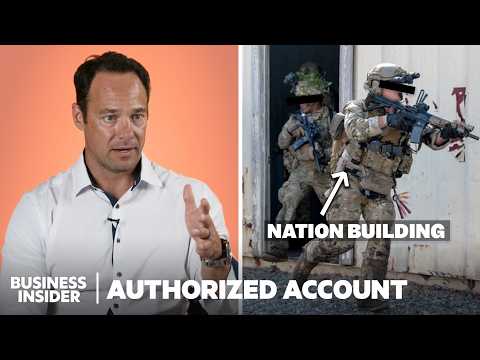
How US Army Special Forces (Green Berets) Actually Work | Authorized Account | Insider
0
Mark Wong posted on 2025/09/07Ever wondered what it takes to become a Green Beret? This video dives deep into the intense Q Course and the incredible resilience of soldiers, even sharing a story about overcoming combat amputation with advanced prosthetics! You'll pick up advanced vocabulary and gain fascinating cultural insights into village stability operations.
Learn this video on the APP!
The VoiceTube App has more in-depth practice for videos!