
ancient
US /ˈenʃənt/
UK /'eɪnʃənt/
- Adjective
- Very old; having lived a very long time ago
- Relating to a period in history, especially in the distant past.
- Noun
- A person who lived in ancient times.
A2Moreanswer to
US
UK
- Phrasal Verb
- To be responsible to someone and have to explain your actions to them.
- To correspond to or match a description or requirement.
A1Morebenefit
US /ˈbɛnəfɪt/
UK /'benɪfɪt/
- Noun (Countable/Uncountable)
- Good result or effect, something advantageous
- A payment made by the state or an insurance policy to someone
- Verb (Transitive/Intransitive)
- To have a good effect or be helpful
- To receive an advantage; to be helped
A2TOEICMorecivilization
US /ˌsɪvəlɪˈzeʃən/
UK /ˌsɪvəlaɪ'zeɪʃn/
- Noun (Countable/Uncountable)
- A highly developed society
B2Morecome from
US /kʌm frʌm/
UK /kʌm frɔm/
- Phrasal Verb
- To have as your native country or city
A1Morecome up with
US /kʌm ʌp wɪð/
UK /kʌm ʌp wið/
- Phrasal Verb
- To think of an idea or solution; produce
A1Morecorrect
US /kəˈrɛkt/
UK /kə'rekt/
- Adjective
- Being suitable and appropriate for an occasion
- True or accurate
- Transitive Verb
- To fix a problem
- To write marks on a piece of work to show mistakes
A2Morecuriosity
US /ˌkjʊriˈɑsɪti/
UK /ˌkjʊərɪ'ɒsətɪ/
- Noun (Countable/Uncountable)
- Something unusual and perhaps worthy of collecting
- Eager desire to learn more about something
B1Morecurious
US /ˈkjʊriəs/
UK /ˈkjʊəriəs/
- Adjective
- Wanting to know more about something
- Attracting interest by being strange or unusual
A2Moredefinition
US /ˌdɛfəˈnɪʃən/
UK /ˌdefɪˈnɪʃn/
- Noun (Countable/Uncountable)
- Explanation of word's meaning, as in dictionaries
- The sharpness of an image on a screen
A2TOEICMoreenzyme
US /ˈɛnzaɪm/
UK /ˈenzaɪm/
- Noun
- A protein made by cells
B2TOEICMoreessence
US /ˈɛsəns/
UK /'esns/
- Uncountable Noun
- Most important part or quality of something
- Substance that has a very strong, unique smell
B1TOEICMoreevolution
US /ˌɛvəˈluʃən, ˌivə-/
UK /ˌi:və'lu:ʃn/
- Uncountable Noun
- Theory that living things change over time
- Process by which something develops over time
B1Moreexplore
US /ɪkˈsplɔr/
UK /ɪk'splɔ:(r)/
- Transitive Verb
- To examine something in detail to learn about it
- To travel to a place to discover more about it
A2TOEICMorefor the sake of
US /fɔr ði sek ʌv/
UK /fɔ: ðə seik ɔv/
- Phrase
- For the purpose of; in the interest of.
A1Moreforemost
US /ˈfɔrˌmost,ˈfor-/
UK /'fɔ:məʊst/
- Adjective
- Being the best or most important
- Adverb
- In the most prominent or important position.
B1TOEICMorehumanity
US /hjuˈmænɪti/
UK /hju:ˈmænəti/
- Uncountable Noun
- Quality of being understanding or sympathetic
- Compassionate behavior, especially towards those suffering.
- Noun (Countable/Uncountable)
- All human beings collectively; the human race.
A2Morein the world
US /ɪn ði wɜrld/
UK /in ðə wɜː(r)ld/
- Phrase
- Used to emphasize a question expressing surprise, confusion, or disbelief.
- Used to indicate the extent or degree of something, often in a superlative sense.
A1Moreinhospitable
US /ˌɪnhɑ:ˈspɪtəbl/
UK /ˌɪnhɒˈspɪtəbl/
- Adjective
- Being difficult to live in due to conditions
- Not welcoming guests; unfriendly
C1Morelab
US /læb/
UK /læb/
- Noun (Countable/Uncountable)
- Short for 'laboratory'
B1Moremethod
US /ˈmɛθəd/
UK /'meθəd/
- Noun (Countable/Uncountable)
- (Organized and planned) way of doing something
- Orderliness of thought, arrangement, or behavior.
A2TOEICMoremicrobe
US /ˈmaɪkroʊb/
UK /ˈmaɪkrəʊb/
- Noun (Countable/Uncountable)
- Very small, microscopic, living thing
C1Morenecessarily
US /ˌnɛsɪˈsɛrəli, -ˈsɛr-/
UK /ˌnesəˈserəli/
- Adverb
- In a way that is needed/required/is unavoidable
A2TOEICMoreobsess
US /əbˈsɛs, ɑb-/
UK /əbˈses/
- Verb (Transitive/Intransitive)
- To talk or think about someone, something too much
- To think about something to an excessive degree
C1Morepatient
US /ˈpeʃənt/
UK /'peɪʃnt/
- Adjective
- Not getting annoyed when things take a long time
- Bearing or enduring pain or trials without complaint; exhibiting forbearance.
- Countable Noun
- Person who receives medical treatment or care
A2Moreprocess
US /ˈprɑsˌɛs, ˈproˌsɛs/
UK /prə'ses/
- Transitive Verb
- To organize and use data in a computer
- To deal with official forms in the way required
- Noun (Countable/Uncountable)
- Dealing with official forms in the way required
- Set of changes that occur slowly and naturally
A2TOEICMoresake
US /sek/
UK /seɪk/
- Uncountable Noun
- Japanese rice wine
- Noun
- Interest or benefit of someone or something
A2Morescience
US /ˈsaɪəns/
UK /'saɪəns/
- Uncountable Noun
- Study of the physical world, based on facts
A2TOEICMoreserve
US /sɚv/
UK /sɜ:v/
- Verb (Transitive/Intransitive)
- To act in a particular position or office
- To hit the first ball to an opponent in tennis etc.
A2TOEICMorespeed up
US /spid ʌp/
UK /spi:d ʌp/
- Phrasal Verb
- To move more quickly
A2Moresystemic
US /sɪˈstɛmɪk/
UK /sɪ'stemɪk/
- Adjective
- Affecting the entire body, system
- Relating to or affecting the entire body or a system.
B2Moretolerate
US /ˈtɑ:ləreɪt/
UK /ˈtɒləreɪt/
- Transitive Verb
- To be able to adjust to changes of various kinds
- To be able to survive under specific conditions
B1Moretrack
US /træk/
UK /træk/
- Transitive Verb
- To use marks to follow a wild animal
- To move a certain way/follow a particular course
- Noun
- A circular course for running
- Course or way someone takes, e.g. in education
A2TOEICMoreultimately
US /ˈʌltəmɪtli/
UK /ˈʌltɪmətli/
- Adverb
- Done or considered as the final and most important
- Fundamentally; at the most basic level.
B1TOEICMore
Vocabulary
- answer to: To be responsible to someone and have to explain your actions to them.
- come from: To have as your native country or city
- for the sake of: For the purpose of; in the interest of.
- come up with: To think of an idea or solution; produce
- speed up: To move more quickly
- in the world: Used to emphasize a question expressing surprise, confusion, or disbelief.
- ultimately: Done or considered as the final and most important
- process: To organize and use data in a computer
- realize: To become aware of or understand mentally
- ancient: Very old; having lived a very long time ago
- completely: In every way or as much as possible
- necessarily: In a way that is needed/required/is unavoidable
- curious: Wanting to know more about something
- foremost: Being the best or most important
- track: To use marks to follow a wild animal
- imagine: To think creatively about; form mental picture of
- environment: Natural world in which plants and animals live
- explore: To examine something in detail to learn about it
- method: (Organized and planned) way of doing something
- definition: Explanation of word's meaning, as in dictionaries
- tolerate: To be able to adjust to changes of various kinds
- essence: Most important part or quality of something
- sake: Japanese rice wine
- simply: In an easy or clear manner
- benefit: Good result or effect, something advantageous
- curiosity: Something unusual and perhaps worthy of collecting
- evolution: Theory that living things change over time
- create: To make, cause, or bring into existence
- humanity: Quality of being understanding or sympathetic
- civilization: A highly developed society
- serve: To act in a particular position or office
- obsess: To talk or think about someone, something too much
- patient: Not getting annoyed when things take a long time
- correct: Being suitable and appropriate for an occasion
- enzyme: A protein made by cells
- important: Having power or authority
- place: To put someone in a particular type of situation
- science: Study of the physical world, based on facts
- build: Your physical shape; physique
- drive: A person's ambition and motivation to do something
- great: Very good; better than before
- question: To ask for or try to get information
- person: Man, woman or child
- microbe: Very small, microscopic, living thing
- interesting: Taking your attention; making you want to know
- understand: To know the meaning of language, what someone says
- inhospitable: Being difficult to live in due to conditions
- lab: Short for 'laboratory'
- systemic: Affecting the entire body, system
Get the full experience in the app
Learn anywhere with detailed sentence and usage analysis
01:03
She took a brave step forward, leaving behind her comfort zone to chase her dreams.
Vocabulary
- brave
adj. Having courage
- comfort zone
phr. A familiar situation where one feels safe
Explanation
a brave step is a noun phrase, where brave is an adjective modifying the noun step, meaning "a courageous step".
forward is an adverb modifying step, meaning "ahead".
The whole phrase serves as the object, answering the "what" of took (verb) — she took a brave step forward.
Get the full experience in the app
Look up words anytime with pronunciation, part of speech, and usage
brave
US/brev/
UK/breɪv/
adj.Brave
v.t.To bravely face
A2 Elementary
Get the full experience in the app
Practice speaking anytime and get instant pronunciation feedback
Try this speaking exercise.
Try practicing with this sentence.
80
Why we explore, even when there’s no payoff
0
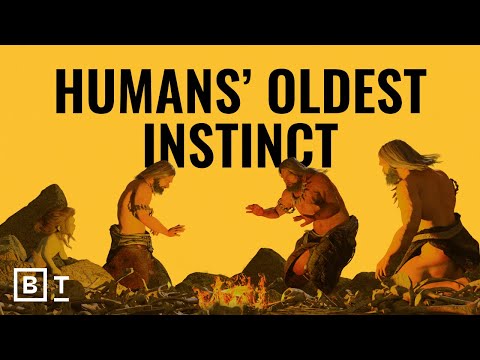
林宜悉 posted on 2025/08/25Ever wondered why scientists explore things that don't seem to have an immediate payoff? This video dives into the fascinating world of ancient enzymes and curiosity-driven research, showing you how basic science can lead to amazing discoveries! You'll pick up some advanced vocabulary and gain a deeper understanding of the scientific method along the way.
Learn this video on the APP!
The VoiceTube App has more in-depth practice for videos!