
abuse
US /əˈbjuz/
UK /ə'bju:s/
- Transitive Verb
- To mistreat or be cruel towards someone
- To use in an inappropriate or excessive way
- Noun (Countable/Uncountable)
- Improper/dishonest/excessive use of something
- Insulting someone, e.g. by swearing at them
A2TOEICMoreagainst you
US
UK
- Preposition
- In opposition to you.
- Expressing disagreement or disapproval of you.
A2Moreammunition
US /ˌæmjəˈnɪʃən/
UK /ˌæmjuˈnɪʃn/
- Uncountable Noun
- Supply of bullets, etc. that are fired from guns
B2Moreanxiety
US /æŋˈzaɪɪti/
UK /æŋ'zaɪətɪ/
- Uncountable Noun
- A feeling of worry, nervousness, or unease about something that might happen, especially when the outcome is uncertain.
B1Moreautism
US /ˈɔˌtɪzəm/
UK /ˈɔ:tɪzəm/
- Uncountable Noun
- Disorder that prevents normal communication
B2Moreautistic
US /ɔ:'tɪstɪk/
UK /ɔ:'tɪstɪk/
- Adjective
- Suffering from autism
B2Morebetrayal
US /bɪ'treɪəl/
UK /bɪ'treɪəl/
- Uncountable Noun
- Act of giving knowledge or information to an enemy
B1Moreclaim
US /klem/
UK /kleɪm/
- Noun (Countable/Uncountable)
- To say that something is true, often without proof.
- A statement that something is true.
- Transitive Verb
- To demand or ask for something that you believe is rightfully yours.
- To take or cause the loss of (e.g., a life, property).
A2Morecompassion
US /kəmˈpæʃən/
UK /kəmˈpæʃn/
- Uncountable Noun
- Feeling of wanting to help suffering people
- Actions that demonstrate care and concern for others.
B2Morecondition
US /kənˈdɪʃən/
UK /kənˈdɪʃn/
- Transitive Verb
- To improve something to make it better
- To cause to behave automatically in a certain way
- Noun (Countable/Uncountable)
- Disease or other medical problem
- The state of living you are in, e.g. good health
A2Moreconflict
US /ˈkɑnˌflɪkt/
UK /'kɒnflɪkt/
- Noun (Countable/Uncountable)
- Argument or struggle between two or more parties
- A serious disagreement or argument.
- Verb (Transitive/Intransitive)
- To have opposite ideas; to disagree; To not match
A2Morecontent
US /ˈkɑnˌtɛnt/
UK /'kɒntent/
- Adjective
- Being happy or satisfied
- In a state of peaceful happiness.
- Noun (Countable/Uncountable)
- Information in something, e.g. book or computer
- The subject matter of a book, speech, etc.
A2Moredepression
US /dɪˈprɛʃən/
UK /dɪ'preʃn/
- Noun (Countable/Uncountable)
- Medical condition of a lack of vitality
- Period of unemployment and low economic activity
B2Moredeserve
US /dɪˈzɚv/
UK /dɪ'zɜ:v/
- Transitive Verb
- To be worthy of, e.g. getting praise or attention
A2TOEICMoredevastating
US
UK
- Transitive Verb
- To cause extensive destruction or ruin utterly
- Adjective
- Destroying everything; very shocking
- Causing great emotional pain or shock.
B1Morediagnosis
US /ˌdaɪəgˈnoʊsɪs/
UK /ˌdaɪəgˈnəʊsɪs/
- Noun (plural)
- Judgments by a doctor about a person's illness
- Noun
- The identification of a disease or condition.
B1Morediscomfort
US /dɪsˈkʌmfərt/
UK /dɪsˈkʌmfət/
- Transitive Verb
- To cause to feel uncomfortable or not at ease
- Uncountable Noun
- Feelings of being uncomfortable or uneasy
B2Moredisguise
US /dɪsˈɡaɪz/
UK /dɪs'ɡaɪz/
- Noun (Countable/Uncountable)
- Change in appearance so you will not be noticed
- The act of concealing the identity or true nature of something.
- Transitive Verb
- To change your appearance to not be noticed
- To hide something so it will not be noticed
B1Moreemotional
US /ɪˈmoʃənəl/
UK /ɪˈməʊʃənl/
- Adjective
- Causing, feeling, or appealing to the emotions
- Relating to or characterized by emotion
A2Moreexplore
US /ɪkˈsplɔr/
UK /ɪk'splɔ:(r)/
- Transitive Verb
- To examine something in detail to learn about it
- To travel to a place to discover more about it
A2TOEICMorefamiliarity
US /fəˌmɪlˈjærɪti, -ˌmɪliˈær-/
UK /fəˌmɪliˈærəti/
- Uncountable Noun
- Manner of talking or behaving
- Close acquaintance with or knowledge of something.
B1Morefeel like
US
UK
- Intransitive Verb
- To have a desire or inclination for something.
- To have a particular quality or sensation; resemble.
A1Morefor example
US
UK
- Phrase
- As an illustration or instance.
for someone
US /fɚ ˈsʌmwʌn/
UK /fə ˈsʌmwʌn/
- other
- On behalf of or intended for a particular person.
A1Moregoing on
US /ˈɡoɪŋ ɑn/
UK /ˈgəʊɪŋ ɔn/
- Phrasal Verb
- To continue doing something
- To happen (usually negative)
A1Moregut
US /ɡʌt/
UK /ɡʌt/
- Transitive Verb
- To destroy the inside of a building , e.g. by fire
- To remove the internal parts of an animal or fish
- Noun (Countable/Uncountable)
- Stomach and internal organs of digestion
B1Morehave to
US /hæv tu/
UK /ˈhæv tə/
- Auxiliary Verb
- Must do
A1Moreheal
US /hi:l/
UK /hi:l/
- Verb (Transitive/Intransitive)
- To recover from or forget a bad experience
- To make or become healthy or well again
B1Moreintimacy
US /ˈɪntəməsi/
UK /'ɪntɪməsɪ/
- Uncountable Noun
- The sharing of private and personal things
B2Moreisolate
US /ˈaɪsəˌlet/
UK /ˈaɪsəleɪt/
- Transitive Verb
- To identify, consider, or deal with separately
- To keep in a place or situation apart from others
B1Morejudgmental
US /dʒʌdʒˈmɛntl/
UK /dʒʌdʒ'mentl/
- Adjective
- Depending on judgment
- Having or displaying a critical point of view.
B1Morejustify
US /ˈdʒʌstəˌfaɪ/
UK /ˈdʒʌstɪfaɪ/
- Transitive Verb
- To give good reasons for something
B1TOEICMorelead to
US /lid tu/
UK /li:d tu:/
- Phrasal Verb
- To result in some action
- Verb (Transitive/Intransitive)
- To have something as a consequence or result.
A1Morelean in
US
UK
- Phrasal Verb
- To move closer to someone or something, often by bending forward.
- To actively pursue and engage with opportunities, especially in a professional context.
A1Moremanipulation
US /məˌnɪpjʊˈleʃən/
UK /məˌnɪpjʊ'leɪʃn/
- Noun (Countable/Uncountable)
- Act of controlling to gain an advantage
- Act of moving something using your hands
B1Moremental
US /ˈmɛntl/
UK /ˈmentl/
- Adjective
- Concerning the mind
A2TOEICMoreof old
US /ʌv oʊld/
UK /əv əuld/
- other
- From a long time ago; in the past.
B2Moreoutside of
US /aʊtˈsaɪd ʌv/
UK /ˌautˈsaid ɔv/
- Preposition
- Located or situated beyond the boundaries or confines of something.
- Beyond the scope, range, or limits of something.
A1Moreoverload
US /ˌovɚˈlod/
UK /ˌəʊvə'ləʊd/
- Transitive Verb
- To make a machine work too hard so it might break
- To cause someone or something to work too hard
- Noun (Countable/Uncountable)
- Too much of something
B2Moreparanoid
US /ˈpærəˌnɔɪd/
UK /ˈpærənɔɪd/
- Adjective
- Believing others are trying to harm you
- Believing others are trying to harm you
C1Morepast it
US
UK
- Adjective
- No longer capable or effective due to age or declining condition.
- Beyond the point of being useful or functional.
A1Morepatience
US /ˈpeʃəns/
UK /ˈpeɪʃns/
- Uncountable Noun
- Ability to wait without being annoyed
- Perseverance; the ability to continue doing something despite difficulties.
B2TOEICMoreprogress
US /ˈprɑɡˌrɛs, -rəs, ˈproˌɡrɛs/
UK /'prəʊɡres/
- Verb (Transitive/Intransitive)
- To move forward or toward a place or goal
- To make progress; develop or improve.
- Uncountable Noun
- Act of moving forward
- The process of improving or developing something over a period of time.
A2TOEICMorereach
US /ritʃ/
UK /ri:tʃ/
- Verb (Transitive/Intransitive)
- To come to or arrive at a goal or destination
- To be long enough to get to a certain place
- Uncountable Noun
- Power or control someone has over something
A2TOEICMorereality
US /riˈælɪti/
UK /rɪ'ælətɪ/
- Noun (Countable/Uncountable)
- What is true, as opposed to what is imagined
- The state of things as they actually exist, rather than as they may appear or might be imagined.
A2Morerecognize
US /ˈrek.əɡ.naɪz/
UK /ˈrek.əɡ.naɪz/
- Transitive Verb
- To accept the truth or reality of something
- To consider something as important or special
A2TOEICMorereinforce
US /ˌri:ɪnˈfɔ:rs/
UK /ˌri:ɪnˈfɔ:s/
- Transitive Verb
- To send more troops/resources to support an army
- To encourage or strengthen an idea or feeling
B2TOEICMorerelief
US /rɪˈlif/
UK /rɪˈli:f/
- Noun (Countable/Uncountable)
- Aid given to people in need as after war/disaster
- Artwork, e.g. part of wall, that partly sticks out
B1TOEICMoreresonate
US /ˈrɛzəˌnet/
UK /'rezəneɪt/
- Intransitive Verb
- (Of ideas) to have a big impact for a long time
- (E.g. of a bell) to sound clearly for a long time
C2TOEICMoreshut down
US /ʃʌt daʊn/
UK /ʃʌt daun/
- Phrasal Verb
- To close an operating system, e.g. on a computer
- To stop a factory/machine from operating
- Transitive Verb
- To deactivate a nuclear reactor.
- To turn off a computer or other electronic device.
A2Moreslip under
US /slɪp ˈʌndɚ/
UK /slɪp ˈʌndə/
- other
- To move quietly or unnoticed under something.
C1Morestress
US / strɛs/
UK /stres/
- Transitive Verb
- To emphasize one or more parts of a word, sentence
- To put pressure on something or someone
- Noun (Countable/Uncountable)
- Emphasis on part of a word or sentence
- Pressure on something or someone
A2TOEICMorestruggle
US /ˈstrʌɡəl/
UK /'strʌɡl/
- Verb (Transitive/Intransitive)
- To try very hard to do something difficult
- To fight or struggle violently
- Noun (Countable/Uncountable)
- Strong efforts made to do something difficult
- A difficult or challenging situation or task
A2Moresuspicion
US /səˈspɪʃən/
UK /sə'spɪʃn/
- Uncountable Noun
- Feeling that something or something is doubtful
- Feeling that someone could be guilty of something
B1Moretake over
US /tek ˈovɚ/
UK /teik ˈəuvə/
- Phrasal Verb
- To gain control of (a company) from someone else
- To assume control or possession of something.
A1Moretiptoe
US /ˈtɪpˌto/
UK /'tɪptəʊ/
- Noun
- On tiptoe (walking) on your toes so as to be quiet
- Intransitive Verb
- To move about quietly
C1Moretiptoe around
US /ˈtɪptoʊ əˈraʊnd/
UK /ˈtiptəu əˈraund/
- other
- To avoid discussing something directly or carefully.
C1Moretrauma
US /ˈtraʊmə/
UK /'trɔ:mə/
- Noun (Countable/Uncountable)
- A very severe or upsetting experience
- Serious injury to part of the body
B2Moreunder the surface
US /ˈʌndɚ ðə ˈsɜrfɪs/
UK /ˈʌndə ðə ˈsɜ:fis/
- other
- Not obvious or apparent; existing out of sight.
B2Morevalidation
US /ˌvælɪ'deɪʃn/
UK /ˌvælɪ'deɪʃn/
- Uncountable Noun
- Act of finding or testing the truth of something
- In computer science, the process of ensuring that data meets certain criteria before it is processed.
B2Morevulnerable
US /ˈvʌlnərəbəl/
UK /ˈvʌlnərəbl/
- Adjective
- Being open to attack or damage
- Being easily harmed, hurt, or wounded
B1Morewellness
US /ˈwelnəs/
UK /ˈwelnəs/
- Uncountable Noun
- State of being happy, healthy or prosperous
C2Moreworsen
US /ˈwə:sən/
UK /'wɜ:sn/
- Verb (Transitive/Intransitive)
- To make or become worse
B2More
Vocabulary
- feel like: To have a desire or inclination for something.
- have to: Must do
- against you: In opposition to you.
- slip under: To move quietly or unnoticed under something.
- under the surface: Not obvious or apparent; existing out of sight.
- shut down: To close an operating system, e.g. on a computer
- tiptoe around: To avoid discussing something directly or carefully.
- going on: To continue doing something
- outside of: Located or situated beyond the boundaries or confines of something.
- take over: To gain control of (a company) from someone else
- for example: As an illustration or instance.
- past it: No longer capable or effective due to age or declining condition.
- lean in: To move closer to someone or something, often by bending forward.
- for someone: On behalf of or intended for a particular person.
- of old: From a long time ago; in the past.
- lead to: To result in some action
- vulnerable: Being open to attack or damage
- anxiety: A feeling of worry, nervousness, or unease about something that might happen, especially when the outcome is uncertain.
- struggle: To try very hard to do something difficult
- mental: Concerning the mind
- recognize: To accept the truth or reality of something
- depression: Medical condition of a lack of vitality
- content: Being happy or satisfied
- intimacy: The sharing of private and personal things
- deserve: To be worthy of, e.g. getting praise or attention
- progress: To move forward or toward a place or goal
- trauma: A very severe or upsetting experience
- devastating: To cause extensive destruction or ruin utterly
- realize: To become aware of or understand mentally
- conflict: Argument or struggle between two or more parties
- compassion: Feeling of wanting to help suffering people
- reinforce: To send more troops/resources to support an army
- fear: Unpleasant feeling caused by being aware of danger
- claim: To say that something is true, often without proof.
- emotional: Causing, feeling, or appealing to the emotions
- stress: To emphasize one or more parts of a word, sentence
- gut: To destroy the inside of a building , e.g. by fire
- explore: To examine something in detail to learn about it
- reality: What is true, as opposed to what is imagined
- exist: To be present, alive or real
- abuse: To mistreat or be cruel towards someone
- condition: To improve something to make it better
- reach: To come to or arrive at a goal or destination
- disguise: Change in appearance so you will not be noticed
- explain: To make clear or easy to understand by describing
- validation: Act of finding or testing the truth of something
- resonate: (Of ideas) to have a big impact for a long time
- relief: Aid given to people in need as after war/disaster
- break: To create a new record e.g. running the 100m dash
- mood: Emotion or a state of mind; how you feel
- paranoid: Believing others are trying to harm you
- autism: Disorder that prevents normal communication
- heal: To recover from or forget a bad experience
- manipulation: Act of controlling to gain an advantage
- offer: Price you say you are willing to pay for something
- justify: To give good reasons for something
- diagnosis: Judgments by a doctor about a person's illness
- control: A device designed to operate a machine
- system: Set of organized, planned ideas that work together
- ammunition: Supply of bullets, etc. that are fired from guns
- suspicion: Feeling that something or something is doubtful
- support: To give assistance or advice to someone
- patience: Ability to wait without being annoyed
- wrong: Action that is harmful, unjust or illegal
- protect: To defend someone or something from harm or danger
- hard: Difficult to do; difficult to understand
- isolate: To identify, consider, or deal with separately
- familiarity: Manner of talking or behaving
- discomfort: To cause to feel uncomfortable or not at ease
- betrayal: Act of giving knowledge or information to an enemy
- feel: To be aware of or experience an emotion, sensation
- believe: To think or accept that something is true
- autistic: Suffering from autism
- wellness: State of being happy, healthy or prosperous
- judgmental: Depending on judgment
- overload: To make a machine work too hard so it might break
- worsen: To make or become worse
- tiptoe: On tiptoe (walking) on your toes so as to be quiet
Get the full experience in the app
Learn anywhere with detailed sentence and usage analysis
01:03
She took a brave step forward, leaving behind her comfort zone to chase her dreams.
Vocabulary
- brave
adj. Having courage
- comfort zone
phr. A familiar situation where one feels safe
Explanation
a brave step is a noun phrase, where brave is an adjective modifying the noun step, meaning "a courageous step".
forward is an adverb modifying step, meaning "ahead".
The whole phrase serves as the object, answering the "what" of took (verb) — she took a brave step forward.
Get the full experience in the app
Look up words anytime with pronunciation, part of speech, and usage
brave
US/brev/
UK/breɪv/
adj.Brave
v.t.To bravely face
A2 Elementary
Get the full experience in the app
Practice speaking anytime and get instant pronunciation feedback
Try this speaking exercise.
Try practicing with this sentence.
80
Abuse Hits Differently When You're Mentally ill
0
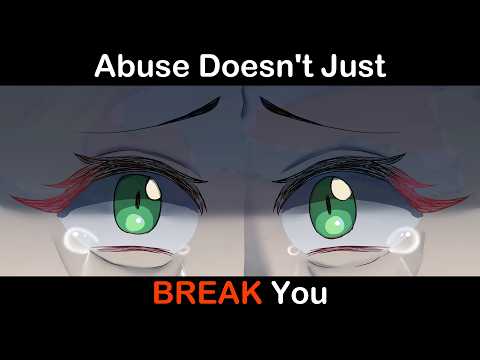
林宜悉 posted on 2025/08/19Ever wondered how abuse feels different when you're dealing with mental health challenges like CPTSD or BPD? This video from Psych2Go dives deep into that complex topic, explaining concepts like gaslighting and offering trauma-informed insights. You'll pick up essential vocabulary for understanding these sensitive issues and gain practical knowledge for daily life.
Learn this video on the APP!
The VoiceTube App has more in-depth practice for videos!