
aid
US /ed/
UK /eɪd/
- Transitive Verb
- To help others and provide things
- Noun (Countable/Uncountable)
- Action of giving help to others
- Money or help given to those who need it
A2TOEICMorealleviate
US /əˈliviˌet/
UK /əˈli:vieɪt/
- Transitive Verb
- To lessen the severity of something
B2TOEICMorealternate
US /ˈɔ:ltərnət/
UK /ɔ:lˈtɜ:nət/
- Intransitive Verb
- To follow one thing after another repeatedly
B2TOEICMoreas such
US /æz sʌtʃ/
UK /æz sʌtʃ/
- Pronoun
- Something previously stated or understood
A1Moreas well as
US /æz wɛl æz/
UK /æz wel æz/
- Adverb
- Also; in addition to
- Preposition
- In addition to; and also.
A1Moreat least
US /æt list/
UK /æt li:st/
- Adverb
- As a minimum
- Not less than
- Phrase
- No less than; at the minimum
- Used to indicate that something is positive in a bad situation.
C2Morebased on
US
UK
- Phrasal Verb
- To use something as the foundation or starting point for something else.
- Preposition
- Using something as the main idea or foundation.
- Relying on something as evidence or justification.
A1Morebattalion
US /bəˈtæljən/
UK /bəˈtæliən/
- Countable Noun
- Military unit of 300-800 soldiers
B2Morebeg
US /bɛɡ/
UK /beg/
- Verb (Transitive/Intransitive)
- To ask someone in an emotional way for something
- (Dog) to sit up to ask for something
B1Moreberet
US /bəre, ˈbɛrˌe/
UK /ˈberei/
- Noun
- Type of brimless soft hat, e.g. worn by soldiers
C1Morebribe
US /braɪb/
UK /braɪb/
- Noun
- Payment of money so you can do something dishonest
- Transitive Verb
- To give money to help you do something dishonest
B1Morebunch
US /bʌntʃ/
UK /bʌntʃ/
- Noun (Countable/Uncountable)
- A group of things of the same kind
- A group of people.
- Transitive Verb
- To group people or things closely together
B1Morecage
US /kedʒ/
UK /keɪdʒ/
- Countable Noun
- Box made of wire or metal bars, e.g. for a bird
- Transitive Verb
- To put (an animal) in a box made of metal bars
B1Moreconflict
US /ˈkɑnˌflɪkt/
UK /'kɒnflɪkt/
- Noun (Countable/Uncountable)
- Argument or struggle between two or more parties
- A serious disagreement or argument.
- Verb (Transitive/Intransitive)
- To have opposite ideas; to disagree; To not match
A2Moreconfusion
US /kənˈfjuʒən/
UK /kən'fju:ʒən/
- Uncountable Noun
- Not knowing what to do; state of disorder
B1Moreconvince
US /kənˈvɪns/
UK /kən'vɪns/
- Transitive Verb
- To persuade someone, or make them feel sure
A2TOEICMoredawn
US /dɔn/
UK /dɔ:n/
- Uncountable Noun
- First light of day
- Intransitive Verb
- To begin to grow light as the sun rises
- To begin to be understood for the first time
B1Moredefeat
US /dɪˈfit/
UK /dɪ'fi:t/
- Transitive Verb
- To beat an enemy, team, disease
- To prevent something from succeeding.
- Noun
- When you lose a fight, game or competition
- The feeling of having been beaten.
B1Moredeploy
US /dɪˈplɔɪ/
UK /dɪˈplɔɪ/
- Transitive Verb
- To put into position (often a military operation)
- To put something into use or action.
B1TOEICMoredescription
US /dɪˈskrɪpʃən/
UK /dɪˈskrɪpʃn/
- Noun
- Explanation of what something is like, looks like
- The type or nature of someone or something.
A2TOEICMoredungeon
US /ˈdʌndʒən/
UK /ˈdʌndʒən/
- Noun (Countable/Uncountable)
- Dark underground room in a castle used as a prison
- A place or situation of misery or confinement.
C1Moreenlist
US /ɛnˈlɪst/
UK /ɪnˈlɪst/
- Transitive Verb
- To obtain support from someone
- To become a member of a military group or service
B2TOEICMoreentire
US /ɛnˈtaɪr/
UK /ɪn'taɪə(r)/
- Adjective
- Complete or full; with no part left out; whole
- Undivided; not shared or distributed.
A2TOEICMoreexercise
US /ˈɛksɚˌsaɪz/
UK /'eksəsaɪz/
- Verb (Transitive/Intransitive)
- To work out to become stronger and healthier
- To retain your ability or practice your skills
- Noun (Countable/Uncountable)
- Physical activity to increase health and strength
- Set of questions in a text book
A2Morefake
US /fek/
UK /feɪk/
- Adjective
- Not real; made to look like something real
- Countable Noun
- A copy of something made to trick people
B1Morefor example
US
UK
- Phrase
- As an illustration or instance.
for free
US /fɔr fri/
UK /fɔ: fri:/
- Phrase
- Without charge; at no cost.
- Adjective
- Available without payment.
A2Morefreak out
US /frik aʊt/
UK /fri:k aut/
- Phrasal Verb
- To react or behave in a wild or irrational way
- To become very anxious, upset, or afraid; to panic.
- Intransitive Verb
- To experience or display extreme emotions, such as fear or panic.
- To have a very disturbing and frightening experience caused by taking drugs.
B2Morego forth
US /ɡo fɔrθ/
UK /ɡəu fɔ:θ/
- Phrasal Verb
- To begin or proceed with something, especially after hesitation or delay.
- To leave a place, especially to embark on a journey or mission.
C2Moreguerrilla
US /ɡəˈrɪlə/
UK /gəˈrɪlə/
- Noun
- Person fighting for a political cause
B2Morehave at
US
UK
- Phrasal Verb
- To attack someone or something.
- To begin doing something with enthusiasm.
A1Morehave to
US /hæv tu/
UK /ˈhæv tə/
- Auxiliary Verb
- Must do
A1Morehumane
US /hjuˈmen/
UK /hju:ˈmeɪn/
- Adjective
- Compassionate; thoughtful; acting like a human
B2Morein fact
US /ɪn fækt/
UK /in fækt/
- Adverb
- Used to emphasize the truth of a statement, especially one that contrasts with or contradicts something else.
- Used to introduce a more detailed or surprising piece of information.
- Phrase
- Used to emphasize the truth of a statement, especially one that is surprising or contrary to what might be expected.
C1Morein fairness
US /ɪn ˈfɛrnəs/
UK /in ˈfeənəs/
- other
- Used to indicate honesty or justice in judgment.
B2Morein question
US /ɪn ˈkwɛstʃən/
UK /in ˈkwestʃən/
- Adjective
- Being doubted or disputed; under discussion.
- Referring to someone or something that has already been mentioned.
A1Morein the way
US /ɪn ði we/
UK /in ðə wei/
- Phrase
- Obstructing someone or something; hindering progress.
- Stored or placed so as to be available or ready when needed.
A1Moreindependent
US /ˌɪndɪˈpɛndənt/
UK /ˌɪndɪˈpendənt/
- Adjective
- Making your own decisions; acting by yourself
- Not connected with or influenced by something else.
- Noun
- A person not connected to a political party
- Someone who is independent, especially in politics or business.
A2TOEICMoreinfantry
US /ˈɪnfəntri/
UK /'ɪnfəntrɪ/
- Noun (Countable/Uncountable)
- Group of soldiers who fight on foot
B2Moreinstitutional
US /ˌɪnstɪˈtuʃənəl, -ˈtju-/
UK /ˌɪnstɪˈtju:ʃənl/
- Adjective
- Being related or similar to an institution
B2Moreinvade
US /ɪnˈved/
UK /ɪnˈveɪd/
- Transitive Verb
- To enter something causing a harmful result
- To enter (a country or region) so as to subjugate or occupy it.
B1Moreleague
US /liɡ/
UK /li:ɡ/
- Noun
- Group of people, countries with a common goal
- Association of sports teams that organizes matches
- Intransitive Verb
- To form a league; to unite for a common purpose.
A2TOEICMoreleak
US /lik/
UK /li:k/
- Noun (Countable/Uncountable)
- Act of (gas, liquid) escaping through a small hole
- Information released that wasn't supposed to be
- Intransitive Verb
- (Of a tire) to have air, liquid escaping; (Of air)
- (Liquid) to go out of/get in through crack/opening
B1Moreliberate
US /ˈlɪbəˌret/
UK /'lɪbəreɪt/
- Transitive Verb
- To free someone or something that was captured
B2Morelore
US /lɔr/
UK /lɔ:(r)/
- Uncountable Noun
- Traditional knowledge or tales relating to a thing
C1Moremake for
US /mek fɔr/
UK /meik fɔ:/
- Phrasal Verb
- To go to or toward something/someone for a reason
- To result in; cause
A1Moremilitary
US /ˈmɪlɪˌtɛri/
UK /'mɪlətrɪ/
- Noun
- Army or armed forces
- Adjective
- Concerning the army or navy
B1Moremission
US /ˈmɪʃən/
UK /'mɪʃn/
- Noun (Countable/Uncountable)
- A task or role someone is given to do
- Special assignment given to a person or group
B1TOEICMoreoppose
US /əˈpoʊz/
UK /əˈpəʊz/
- Verb (Transitive/Intransitive)
- To fight against someone in a contest or game
- To disagree with something and try to prevent it from happening or succeeding.
A2Moreorganization
US /ˌɔrɡənɪˈzeʃən/
UK /ˌɔ:gənaɪˈzeɪʃn/
- Noun (Countable/Uncountable)
- Group of people with a particular purpose
- The way in which something is structured or arranged.
A2Morepositive impact
US
UK
- Noun
- A beneficial or advantageous effect.
- Adjective
- Having a beneficial or advantageous effect.
B1Moreregion
US /ˈridʒən/
UK /'ri:dʒən/
- Noun (Countable/Uncountable)
- Part of a country, of the world, area, etc.
- A part of the body
A2TOEICMorerelevant
US /ˈrɛləvənt/
UK /ˈreləvənt/
- Adjective
- Having an effect on an issue; related or current
A2TOEICMorescenario
US /səˈner.i.oʊ/
UK /sɪˈnɑː.ri.əʊ/
- Noun
- An imagined sequence of events in a plan/project
B1Morespend
US /spɛnd/
UK /spend/
- Transitive Verb
- To use money to pay for something
- To use time in order to do something
A2TOEICMorestrongman
US /ˈstrɔ:ŋmæn/
UK /ˈstrɒŋmæn/
- Countable Noun
- Man who performs feats of strength at a fair
C2Moresuffer
US / ˈsʌfɚ/
UK /'sʌfə(r)/
- Verb (Transitive/Intransitive)
- To experience pain, illness, or injury
- To allow or permit something, especially something unpleasant.
A2Moretab
US /tæb/
UK /tæb/
- Transitive Verb
- To press the tab key on a keyboard
- Noun
- Formatting space in a word processing document
- Keyboard key to format space in a document
C2Moretank
US /tæŋk/
UK /tæŋk/
- Noun (Countable/Uncountable)
- Container for holding liquid or gas
- Military vehicle that can go over rough areas
- Intransitive Verb
- To fail completely or badly
- To deliberately lose a game or contest
B1Morethanks to
US /θæŋks tu/
UK /θæŋks tu:/
- Preposition
- Because of; as a result of.
A1Moretorture
US /ˈtɔrtʃɚ/
UK /'tɔ:tʃə(r)/
- Noun (Countable/Uncountable)
- Hurting someone to force them to give information
- Painful suffering or distress
- Transitive Verb
- To painfully hurt someone to get information
- To cause someone to suffer greatly; torment
B2Moreunit
US /ˈjunɪt/
UK /ˈju:nɪt/
- Countable Noun
- One apartment in a building
- Group of people, e.g. soldiers, that work together
B2TOEICMoreused to
US /juzd tu/
UK /ˈju:st tə/
- Adjective
- Did regularly before, but don't do now
- Auxiliary Verb
- Have done before, but do not do now
A1Morewild
US /waɪld/
UK /waɪld/
- Adverb
- In a manner which lacks control
- Adjective
- Living in nature; not tame
- (Of land) not developed by people
A2Morewith just
US
UK
- Phrase
- Using only; with no more than.
- Barely; by a narrow margin.
A2More
Vocabulary
- in fact: Used to emphasize the truth of a statement, especially one that contrasts with or contradicts something else.
- have to: Must do
- as well as: Also; in addition to
- in the way: Obstructing someone or something; hindering progress.
- in fairness: Used to indicate honesty or justice in judgment.
- freak out: To react or behave in a wild or irrational way
- based on: To use something as the foundation or starting point for something else.
- with just: Using only; with no more than.
- as such: Something previously stated or understood
- thanks to: Because of; as a result of.
- in question: Being doubted or disputed; under discussion.
- used to: Did regularly before, but don't do now
- make for: To go to or toward something/someone for a reason
- positive impact: A beneficial or advantageous effect.
- for free: Without charge; at no cost.
- for example: As an illustration or instance.
- have at: To attack someone or something.
- at least: As a minimum
- go forth: To begin or proceed with something, especially after hesitation or delay.
- entire: Complete or full; with no part left out; whole
- relevant: Having an effect on an issue; related or current
- scenario: An imagined sequence of events in a plan/project
- bunch: A group of things of the same kind
- description: Explanation of what something is like, looks like
- completely: In every way or as much as possible
- conflict: Argument or struggle between two or more parties
- convince: To persuade someone, or make them feel sure
- describe: To tell the appearance, sound, smell of something
- environment: Natural world in which plants and animals live
- exercise: To work out to become stronger and healthier
- alleviate: To lessen the severity of something
- field: Area of study, such as physics or biology
- military: Army or armed forces
- suffer: To experience pain, illness, or injury
- region: Part of a country, of the world, area, etc.
- independent: Making your own decisions; acting by yourself
- aid: To help others and provide things
- torture: Hurting someone to force them to give information
- dawn: First light of day
- defeat: To beat an enemy, team, disease
- organize: To arrange and plan things, e.g. a party
- fake: Not real; made to look like something real
- league: Group of people, countries with a common goal
- wild: In a manner which lacks control
- confusion: Not knowing what to do; state of disorder
- spend: To use money to pay for something
- fact: Something that is known or proved to be true
- invade: To enter something causing a harmful result
- organization: Group of people with a particular purpose
- mission: A task or role someone is given to do
- detail: Small part of something; tiny fact
- bribe: Payment of money so you can do something dishonest
- alternate: To follow one thing after another repeatedly
- deploy: To put into position (often a military operation)
- question: To ask for or try to get information
- prepare: To make something ready for use
- include: To make someone, something part of a group
- beg: To ask someone in an emotional way for something
- leak: Act of (gas, liquid) escaping through a small hole
- world: All the humans, events, activities on the earth
- liberate: To free someone or something that was captured
- real: Actually existing or happening, not imagined
- train: Line of people, animals moving the same direction
- enlist: To obtain support from someone
- case: Container used to carry things, e.g. clothes
- oppose: To fight against someone in a contest or game
- clear: Empty; without anything in it or on it
- cage: Box made of wire or metal bars, e.g. for a bird
- tank: Container for holding liquid or gas
- unit: One apartment in a building
- infantry: Group of soldiers who fight on foot
- dungeon: Dark underground room in a castle used as a prison
- tab: To press the tab key on a keyboard
- humane: Compassionate; thoughtful; acting like a human
- lore: Traditional knowledge or tales relating to a thing
- guerrilla: Person fighting for a political cause
- institutional: Being related or similar to an institution
- battalion: Military unit of 300-800 soldiers
- beret: Type of brimless soft hat, e.g. worn by soldiers
- strongman: Man who performs feats of strength at a fair
Get the full experience in the app
Learn anywhere with detailed sentence and usage analysis
01:03
She took a brave step forward, leaving behind her comfort zone to chase her dreams.
Vocabulary
- brave
adj. Having courage
- comfort zone
phr. A familiar situation where one feels safe
Explanation
a brave step is a noun phrase, where brave is an adjective modifying the noun step, meaning "a courageous step".
forward is an adverb modifying step, meaning "ahead".
The whole phrase serves as the object, answering the "what" of took (verb) — she took a brave step forward.
Get the full experience in the app
Look up words anytime with pronunciation, part of speech, and usage
brave
US/brev/
UK/breɪv/
adj.Brave
v.t.To bravely face
A2 Elementary
Get the full experience in the app
Practice speaking anytime and get instant pronunciation feedback
Try this speaking exercise.
Try practicing with this sentence.
80
0
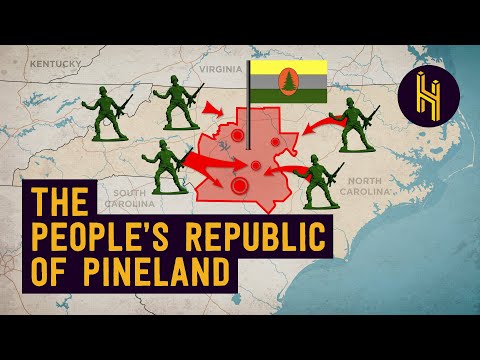
VoiceTube posted on 2025/08/14Ever wondered how the US Army trains for conflicts that don't exist? This video dives into the fascinating world of DATEWorld, where they create entire fake countries and scenarios for military exercises at Fort Irwin! You'll pick up tons of specialized vocabulary and get a unique look into military strategy and red teaming.
Learn this video on the APP!
The VoiceTube App has more in-depth practice for videos!